Artwork
Portrait of Teodor Kobylański
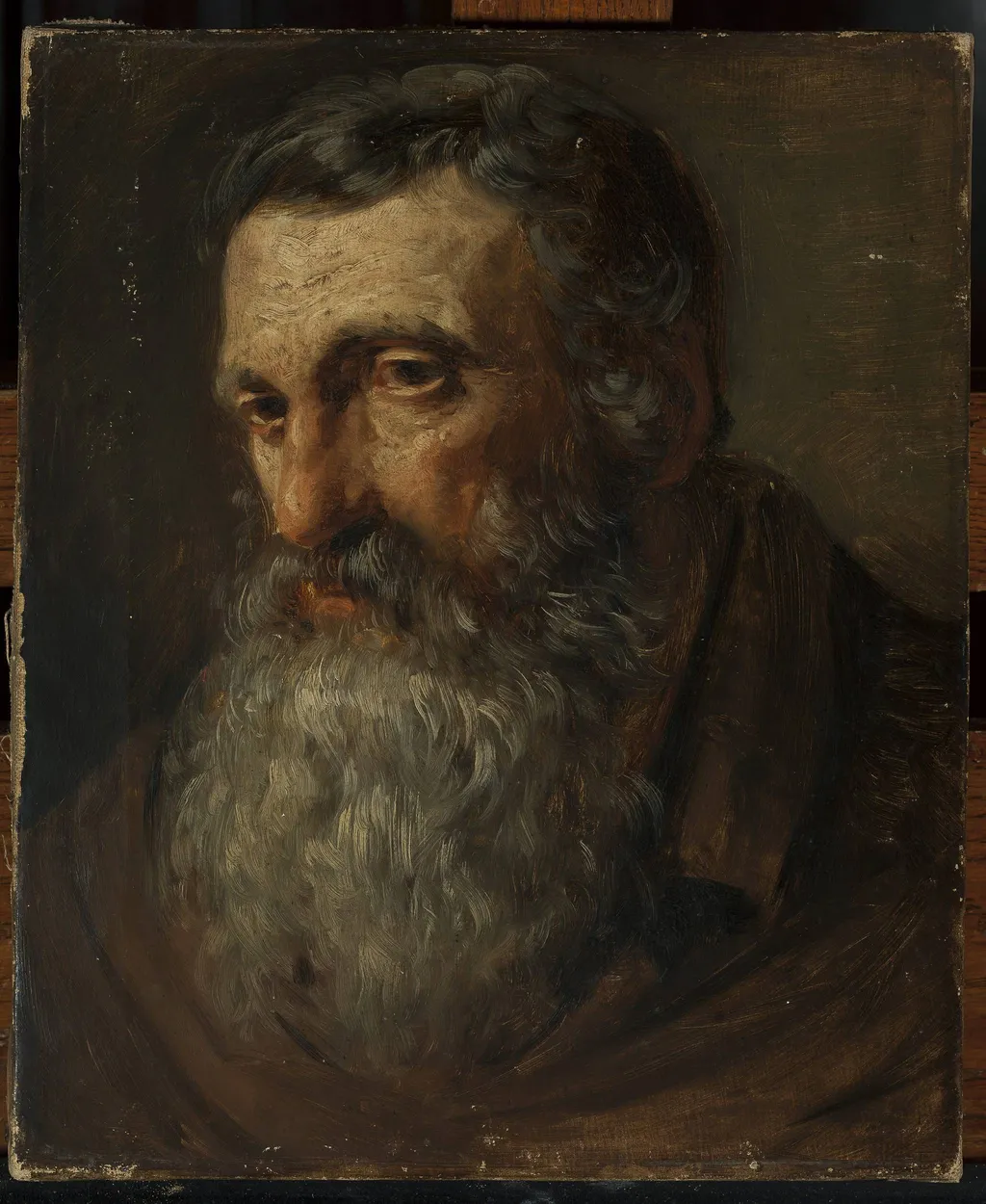
Portrait of Teodor Kobylański is an oil painting by Michal Plonski. It dates from 1805 and is held in the collection of the National Museum in Warsaw. Painted around 1805 by Michał Ploński, this oil portrait captures Teodor Kobylański, a Polish nobleman and public figure.
About this work
Overview
Its restrained composition and emotional tone reflect the cultural values of the time, emphasizing dignity and introspection over ornamentation.
Painted around 1805 by Michał Ploński, this oil portrait captures Teodor Kobylański, a Polish nobleman and public figure. The work is part of the National Museum in Warsaw’s collection, where it remains a quiet example of early 19th-century Polish portraiture. Its restrained composition and emotional tone reflect the cultural values of the time, emphasizing dignity and introspection over ornamentation.
Subject & Meaning
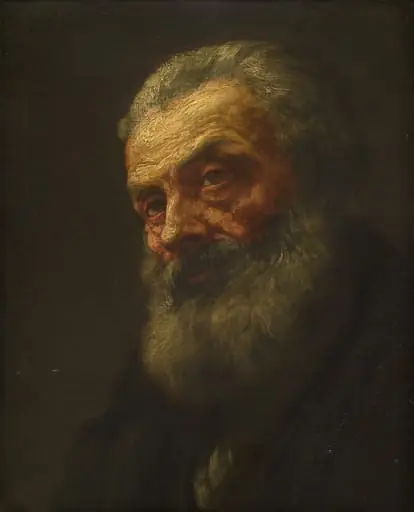
Teodor Kobylański is depicted with a long white beard and dark hair, his gaze directed leftward in a manner suggesting reflection or distant thought. His somber expression, softened by subtle lighting, conveys a sense of quiet melancholy. The portrait does not emphasize status through symbols or grandeur, instead focusing on inner character, aligning with Enlightenment ideals of individuality and moral depth.
Technique & Style
Ploński employs chiaroscuro to model the face and robe with subtle gradations of light and shadow, lending volume and realism. The dark, muted robe contrasts against a neutral brown background, isolating the figure and enhancing psychological presence. Brushwork is controlled and precise, avoiding theatricality; the texture of skin and beard is rendered with delicate attention, reinforcing the portrait’s intimate tone.
History & Provenance
The portrait entered the National Museum in Warsaw’s collection in the 19th century, likely through acquisition or donation by a family member or cultural institution. Its continuous presence in the museum’s holdings suggests early recognition of its artistic merit. No significant alterations or restorations are documented, preserving its original condition and intent.
Context
Created during the Partitions of Poland, the portrait reflects a period when Polish identity was preserved through cultural expression rather than political sovereignty. Portraiture served as a means of asserting personal and national dignity. Ploński, active in Warsaw’s artistic circles, contributed to a tradition of restrained, psychologically nuanced portraiture that resisted foreign stylistic dominance.
Legacy
Though not widely exhibited outside Poland, the portrait remains a representative work of early 19th-century Polish painting. It exemplifies the shift from aristocratic display to introspective realism in regional portraiture. Scholars cite it as evidence of how Polish artists maintained artistic autonomy and emotional depth during a time of national fragmentation.
Artist & collection

 Studiu de expresie (Sfântul Petru?)
 Study of an old man's head
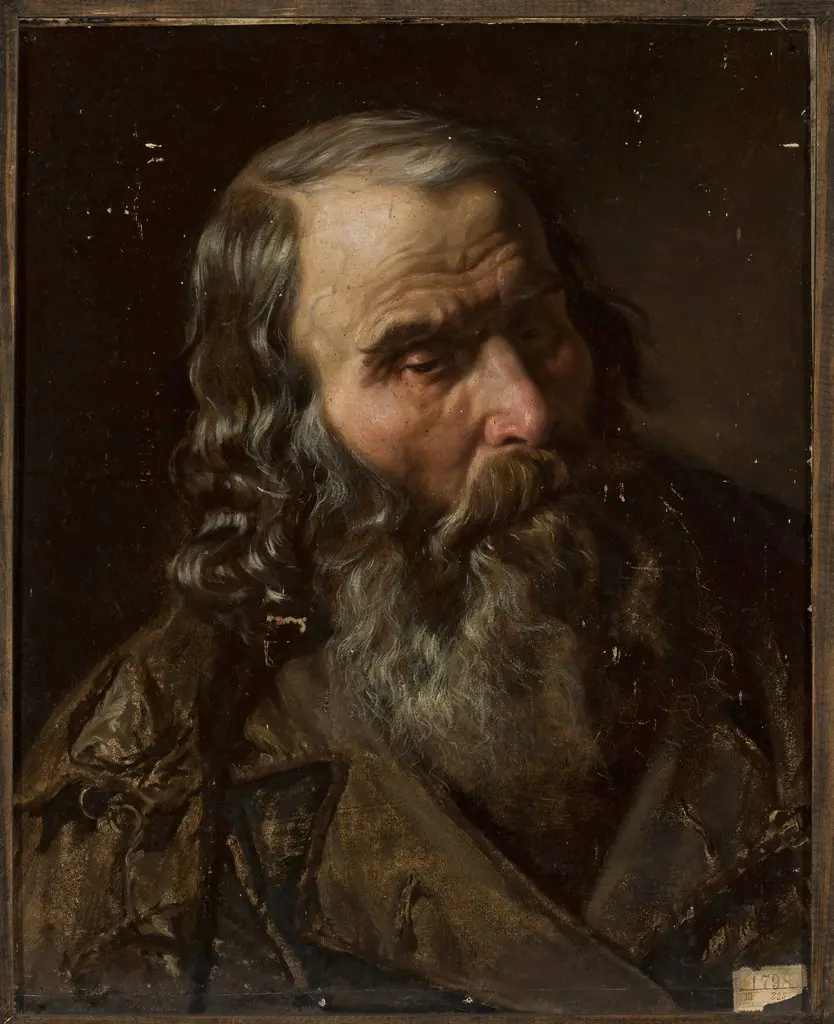 Head of an old man
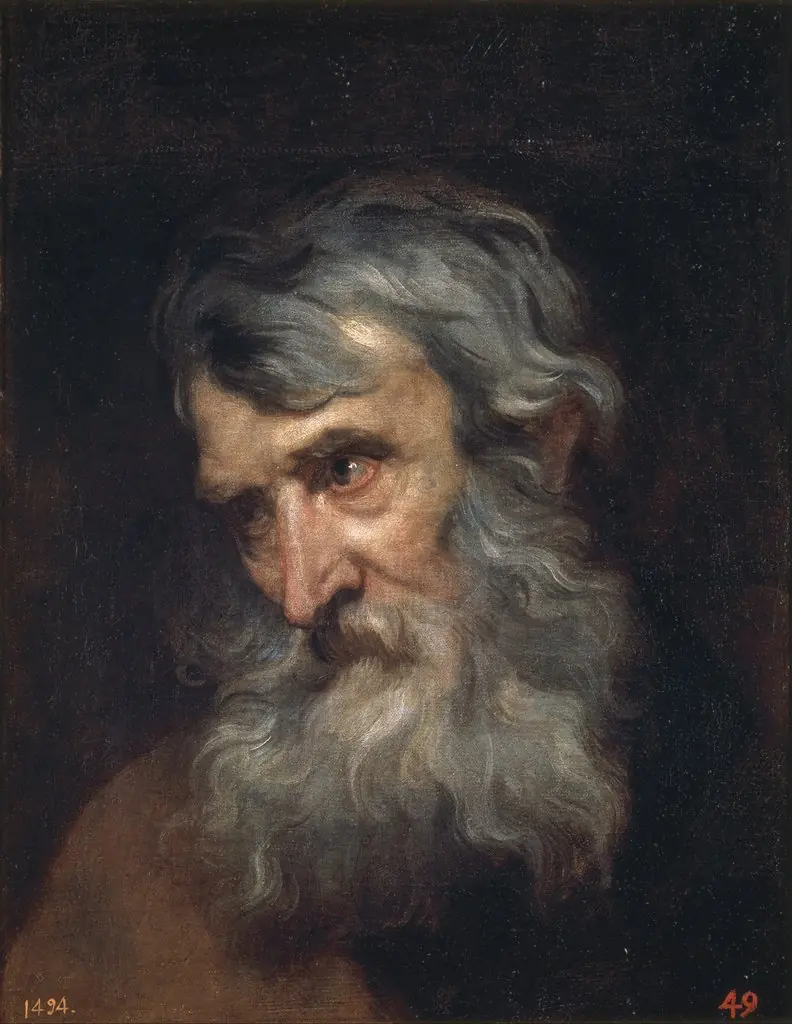 The Head of an Old Man
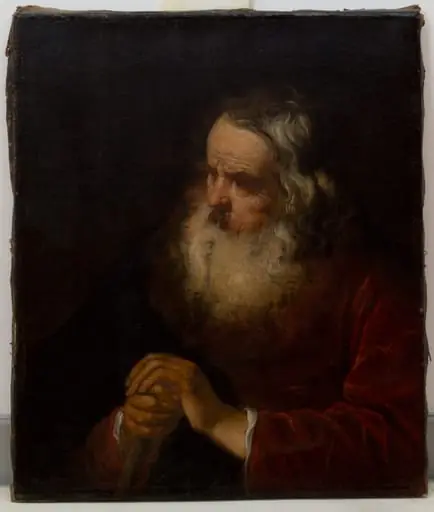 Bildnis eines alten Mannes
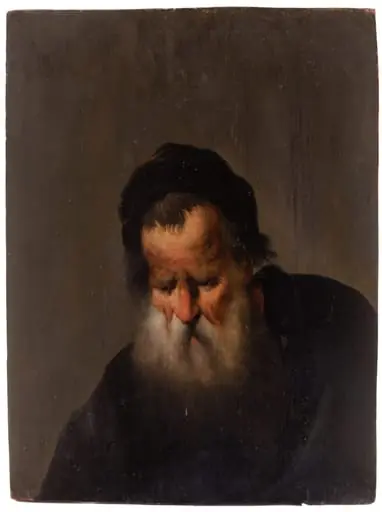 Studiu de bătrân
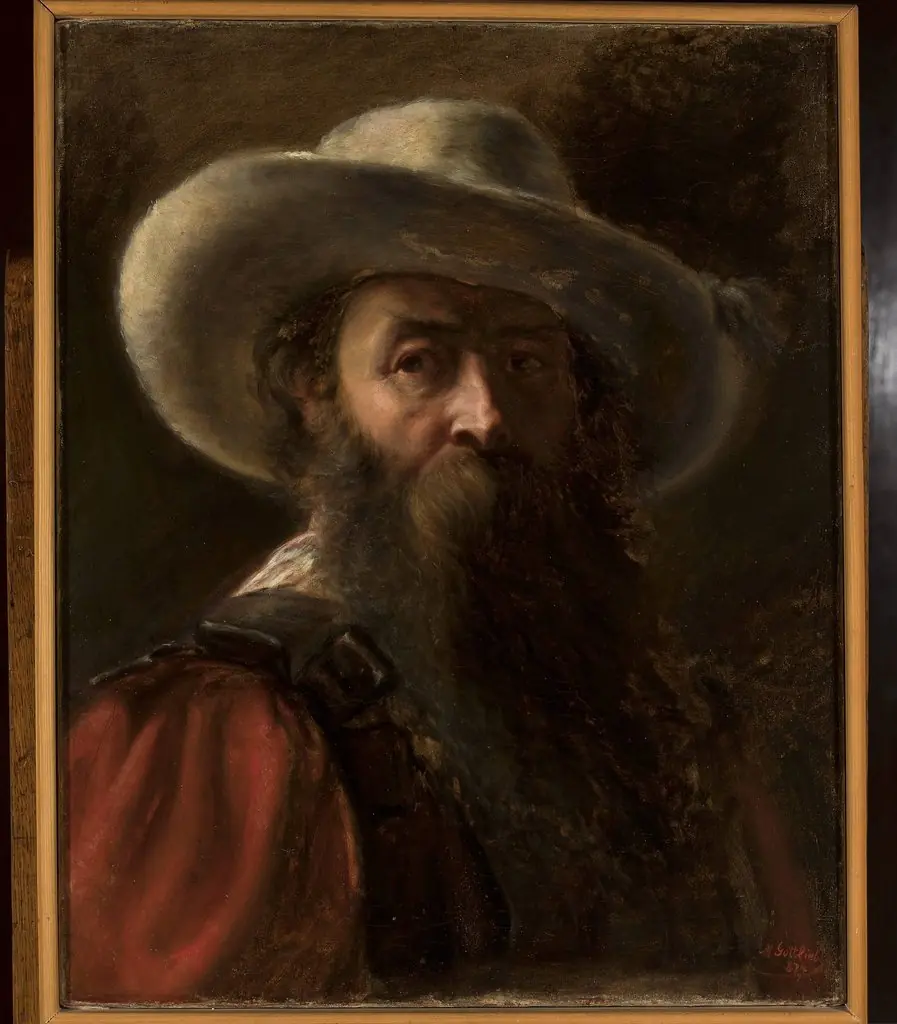 Portrait of a man
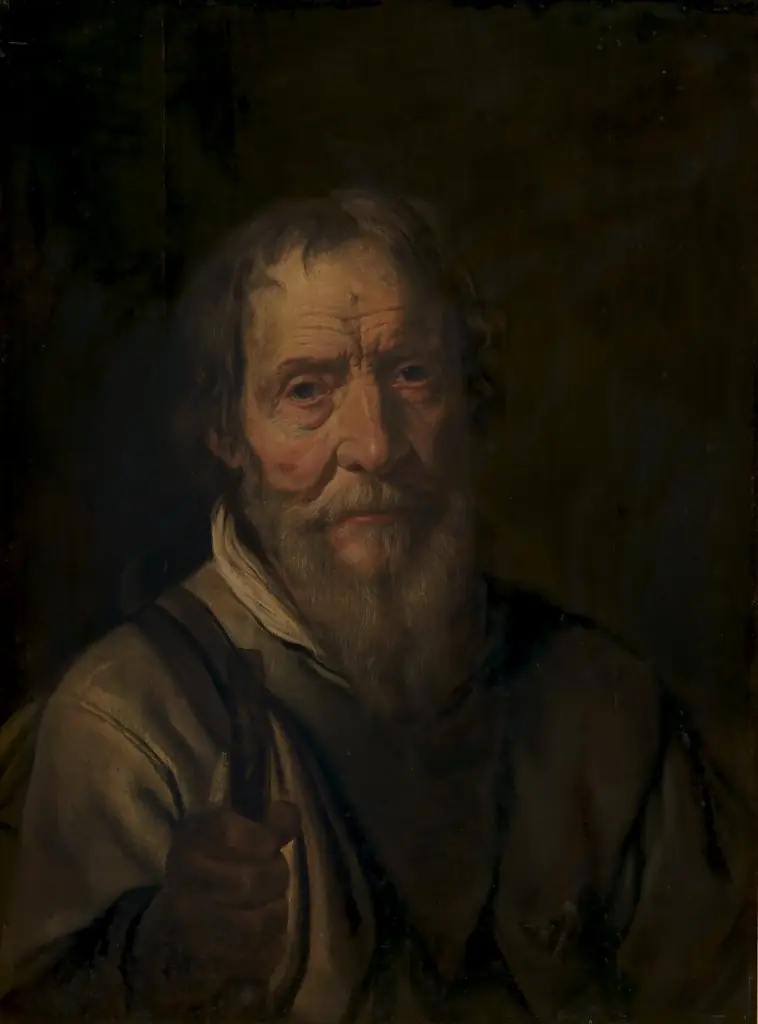 Portrait of an Old Man. Christian Jacobsen Drakenberg (?)
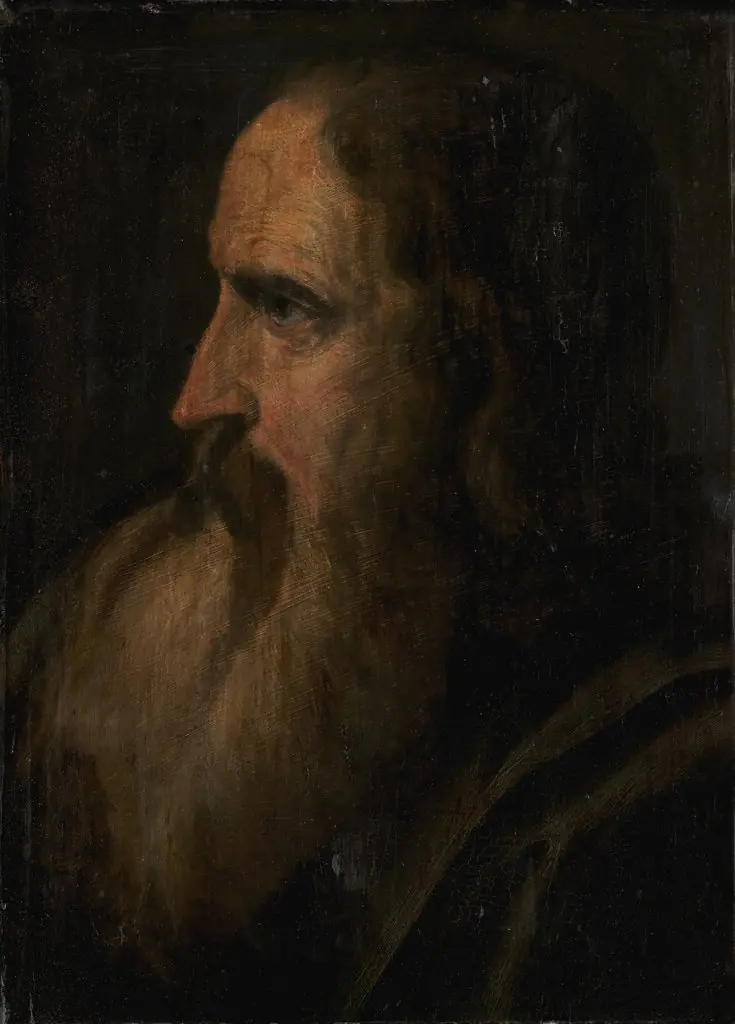 Portræt af skægget mand
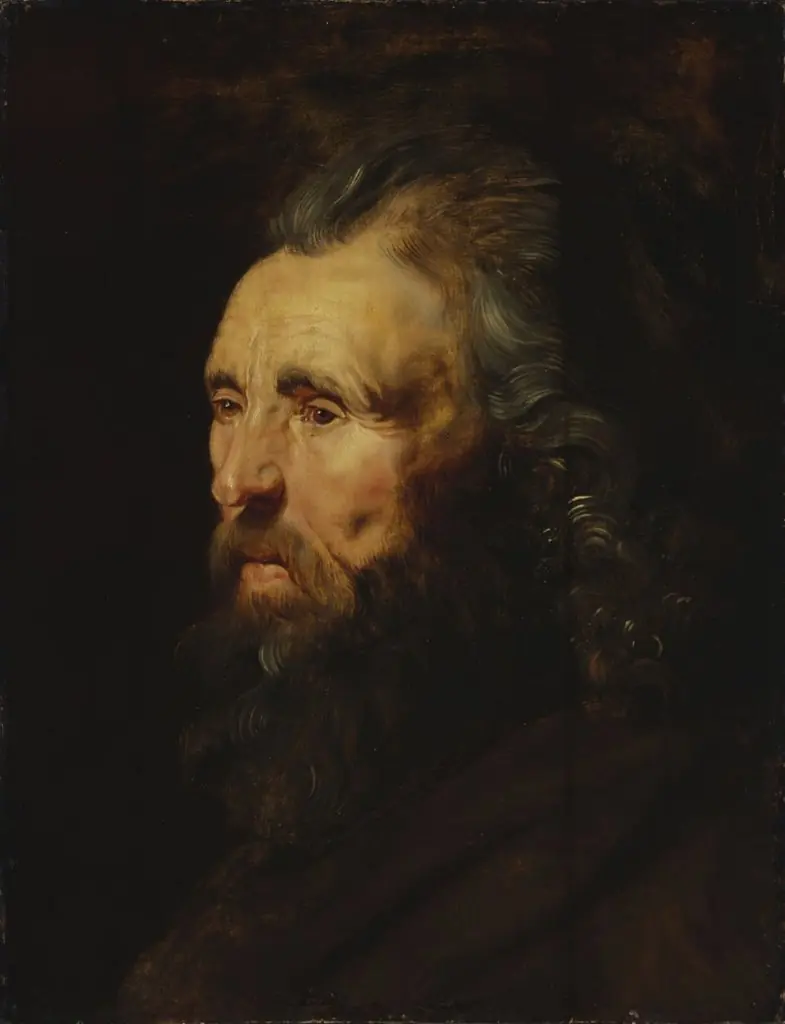 Study of a Man's Head
 Portrait of an Old Man
 Head of an old man