Artwork
The Sacrifice at Lystra
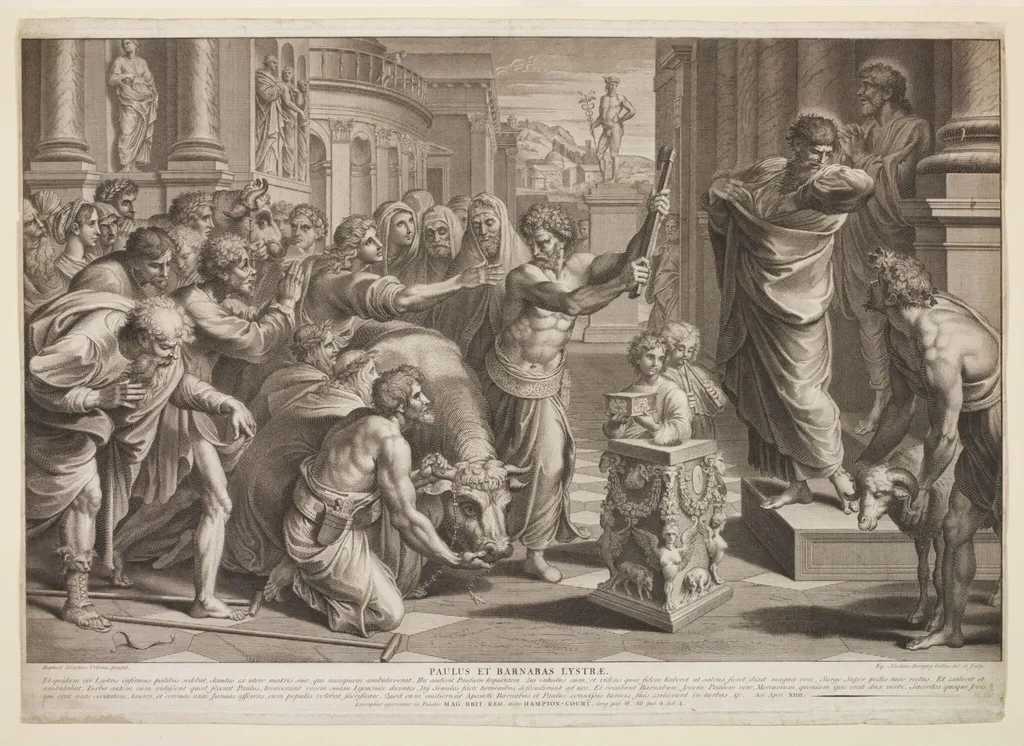
The Sacrifice at Lystra is a print by the Baroque artist Nicholas Dorigny. It dates from 1719 and is held in the collection of the Victoria and Albert Museum.
About this work
Overview
This print depicts a pivotal moment from the Acts of the Apostles, where the people of Lystra, mistaking Saints Paul and Barnabas for gods after a healing miracle, prepare to sacrifice in their honour. Based on one of Raphael's renowned cartoons for tapestries, the print reverses the original design.
Subject & Meaning
The scene illustrates the biblical narrative (Acts) where Saints Paul and Barnabas, after healing a cripple (shown on the right), are erroneously worshipped as Mercury and Jupiter by the Lystrans, prompting the saints to intervene. The print captures the instant before their intervention.
Technique & Style
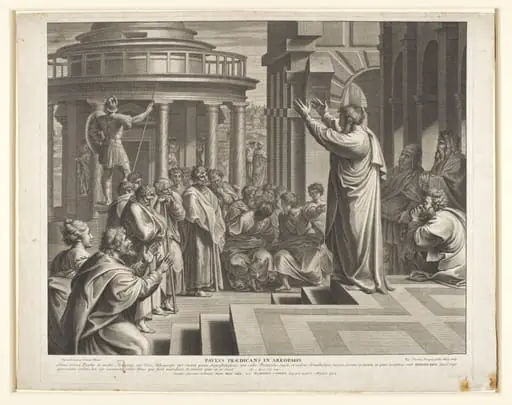
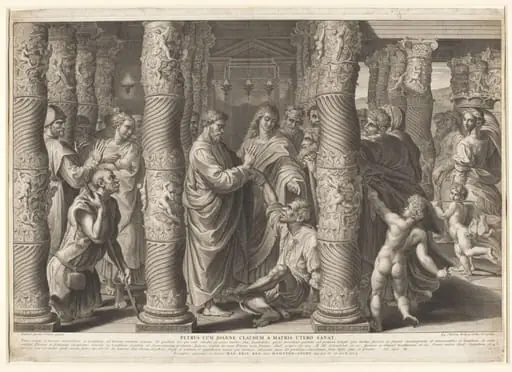
Derived from Raphael's large-scale cartoon (over 10ft high, 13ft wide) for a tapestry, this print is a reversed rendition. It exemplifies the printmaking tradition inspired by the Raphael Cartoons, which spanned over 450 years and various techniques.
History & Provenance
Part of a series inspired by the Raphael Cartoons (owned by Her Majesty the Queen and on loan to the museum since 1865), the earliest related print dates back to 1516. This specific print's creation is highlighted by Nicholas Dorigny's notable prints of the Cartoons, praised in 'The Spectator' in 1711.
Context
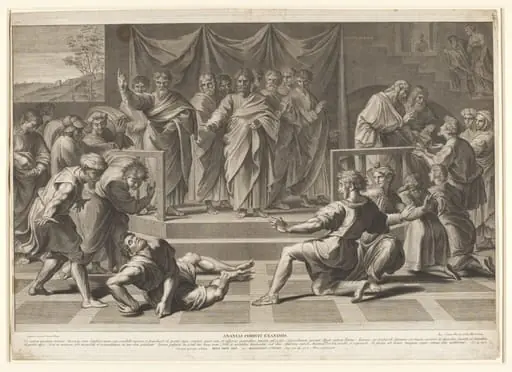
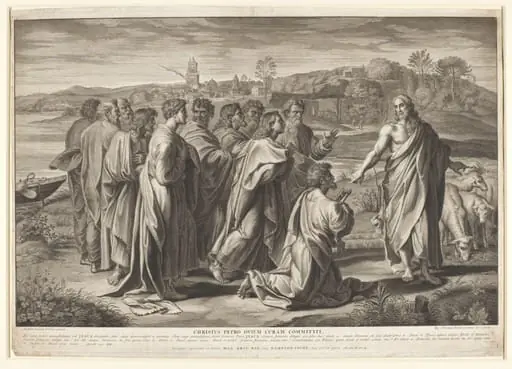
The original cartoon was one of seven designed by Raphael for tapestries illustrating the lives of Saints Peter and Paul. The Cartoons' size and detail were meant for translation into large, intricate woven pieces.
Legacy
The print is part of an extensive printmaking legacy stemming from the Raphael Cartoons, with reproductions and interpretations spanning centuries, reflecting the enduring influence of Raphael's work on artistic and religious themes.
Artist & collection
Artist
This guy made prints that feel like travel souvenirs from another century. He carved religious scenes so crisp they look like photographs—except the robes are a little too dramatic. A friend once pointed out how he…