Artwork
Portret van een man
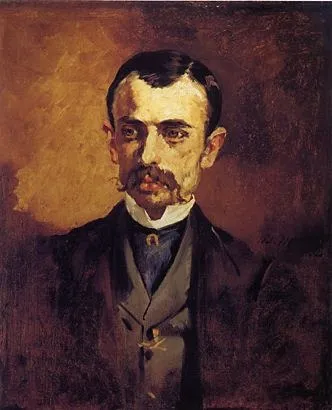
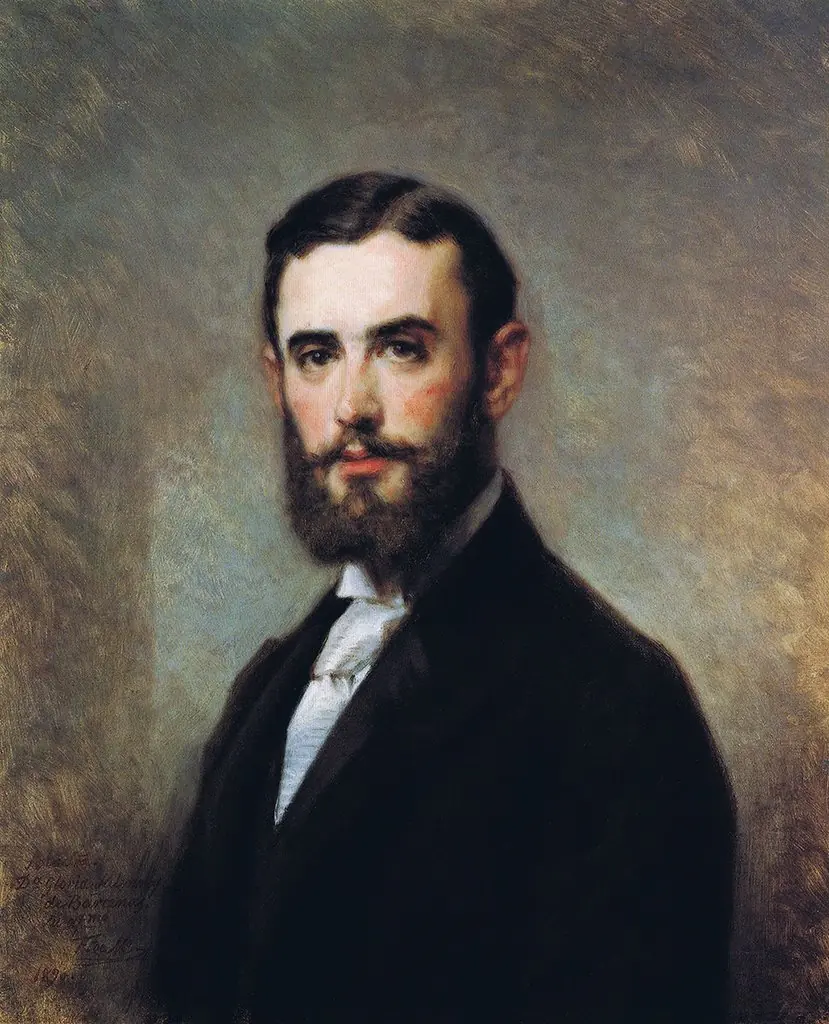
Portret van een man is an oil painting by the Realist artist Edouard Manet. It dates from 1860 and is held in the collection of the Kröller-Müller Museum. Painted in 1860, this oil portrait by Édouard Manet presents a seated man in formal attire.
About this work
This painting depicts a man with dark hair and a mustache, wearing a dark jacket over a blue vest and white collar.
This painting depicts a man with dark hair and a mustache, wearing a dark jacket over a blue vest and white collar. The background is a mix of brown and yellow hues.
The man's attire and the style of the painting suggest it may be from the 19th century. The artist's use of color and brushwork is notable, with visible strokes adding texture to the piece.
If you're interested in learning more about the artist behind this work, look into Édouard Manet.
Overview
Painted in 1860, this oil portrait by Édouard Manet presents a seated man in formal attire. The work is part of the Kröller-Müller Museum’s collection and exemplifies Manet’s early engagement with portraiture. Its restrained composition and direct gaze reflect a shift from idealized representations toward more immediate, observational depictions of individuals.
Subject & Meaning
The subject is a man with dark hair, a mustache, and a dark jacket over a blue vest and white collar. His posture is still, his expression neutral, suggesting a quiet dignity rather than narrative drama. No identifying marks or symbols are present, leaving the figure’s identity unknown. The portrait emphasizes presence over biography, aligning with Manet’s interest in the individual as a visual subject.
Technique & Style
Manet employs loose, visible brushwork to define form and texture, particularly in the fabric of the jacket and the background. Color is applied with deliberate economy—deep browns and yellows in the backdrop contrast with the cooler tones of the vest and collar. The paint surface retains a sense of immediacy, avoiding smooth blending in favor of tactile, direct application.
History & Provenance
The painting entered the Kröller-Müller Museum’s collection through the estate of Helene Kröller-Müller, who acquired European art with a focus on modernist works. While its exact provenance before her ownership is not fully documented, its presence in the museum since the early 20th century confirms its recognized significance within Manet’s oeuvre.
Context
Created during Manet’s formative years, this portrait coincides with his exploration of contemporary life and portraiture outside academic conventions. It reflects the influence of Spanish painting and the emerging preference for realism over historical or mythological themes. The work stands as part of a broader movement toward modern subject matter in mid-19th-century French art.
Legacy
Though not among Manet’s most widely known portraits, this work contributes to the understanding of his evolving approach to the human figure. Its unembellished treatment and emphasis on surface and light anticipate later developments in modern portraiture. It remains a quiet but significant example of his early commitment to depicting the modern individual with psychological presence.
Artist & collection

Artist
Édouard Manet didn’t have much time to make his mark—he died at 51—but he used every year.

 Caio da Silva Prado
 Retrato
 Professor Adolf Wohlwil
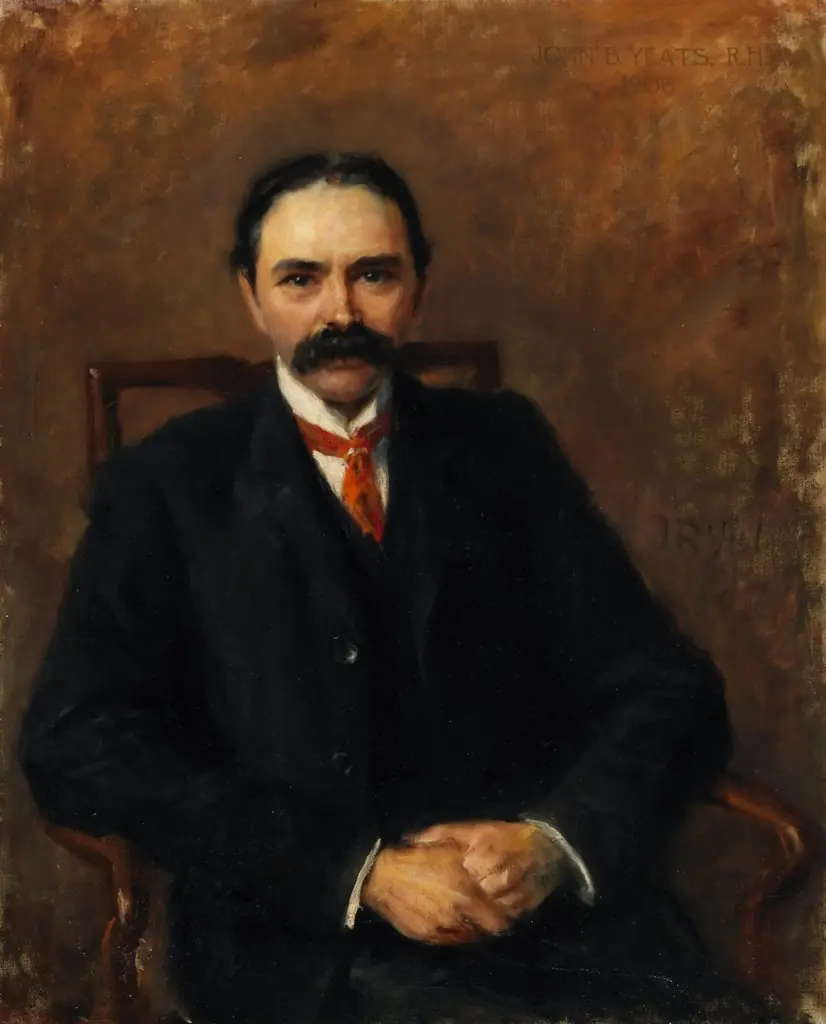 Portrait of Douglas Hyde, First President of Ireland (1860-1949), Poet and Scholar
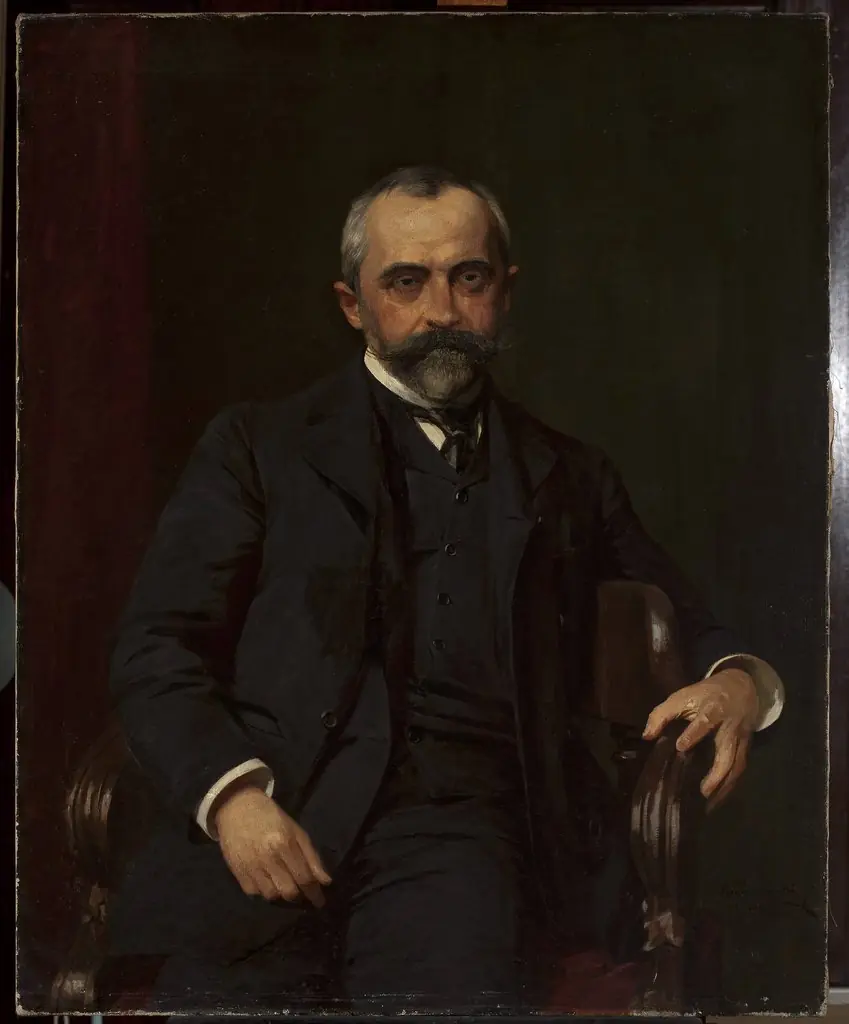 Portrait of Straszewski
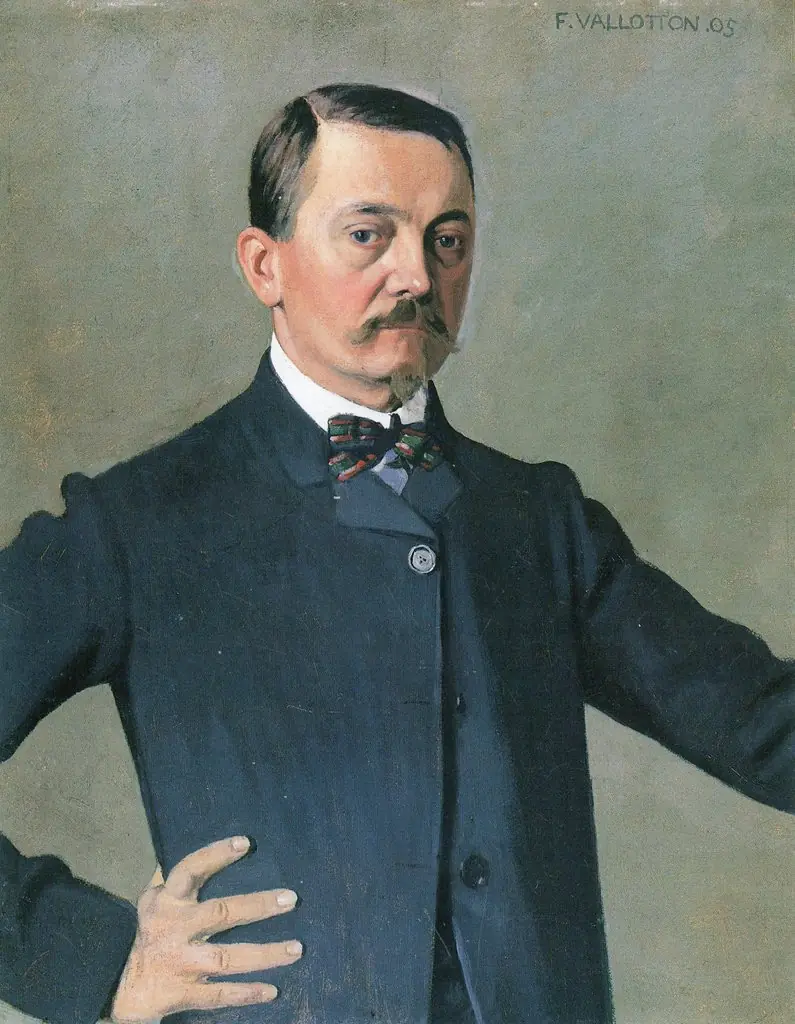 Autoportrait
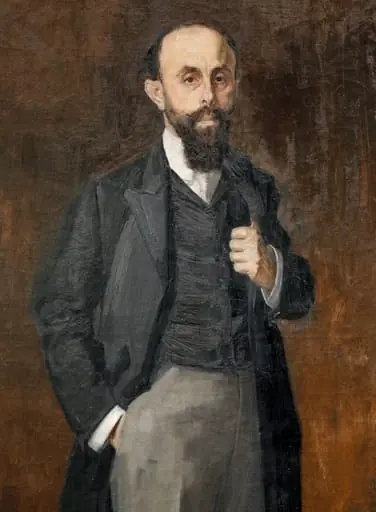 Portret
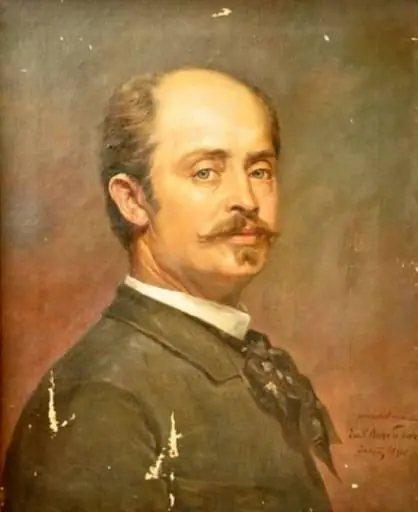 Autoportret la 40 ani
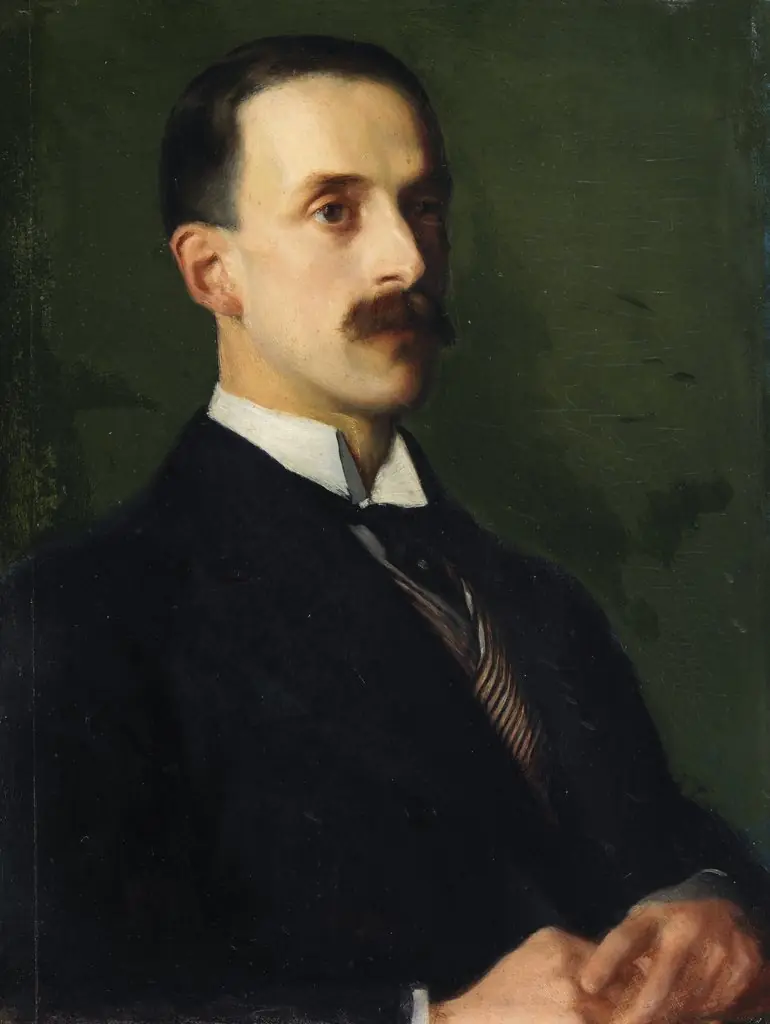 Portrait of Sir Hugh Lane (1865-1915), Director of the National Gallery of Ireland 1914-1915
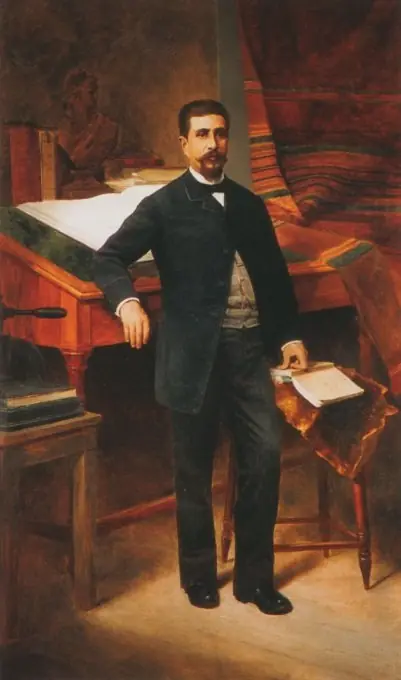 Victorino Carmilo
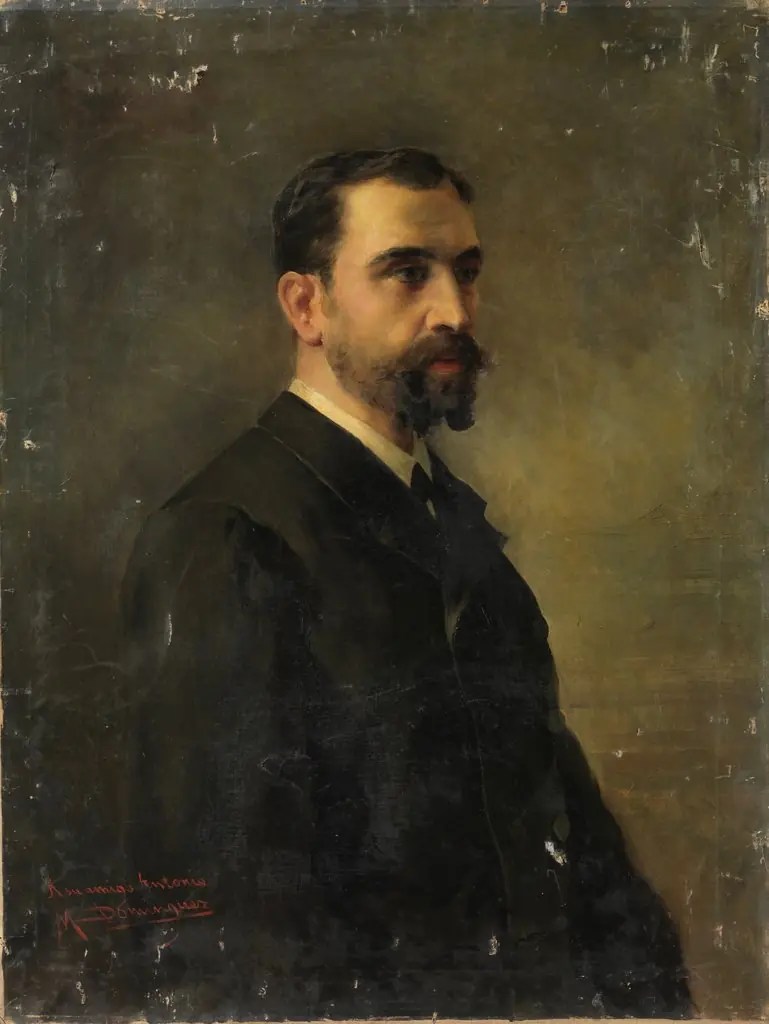 Portrait of Antonio del Val
 José de las Bárcenas y Bringas