Artwork
Professor Adolf Wohlwil
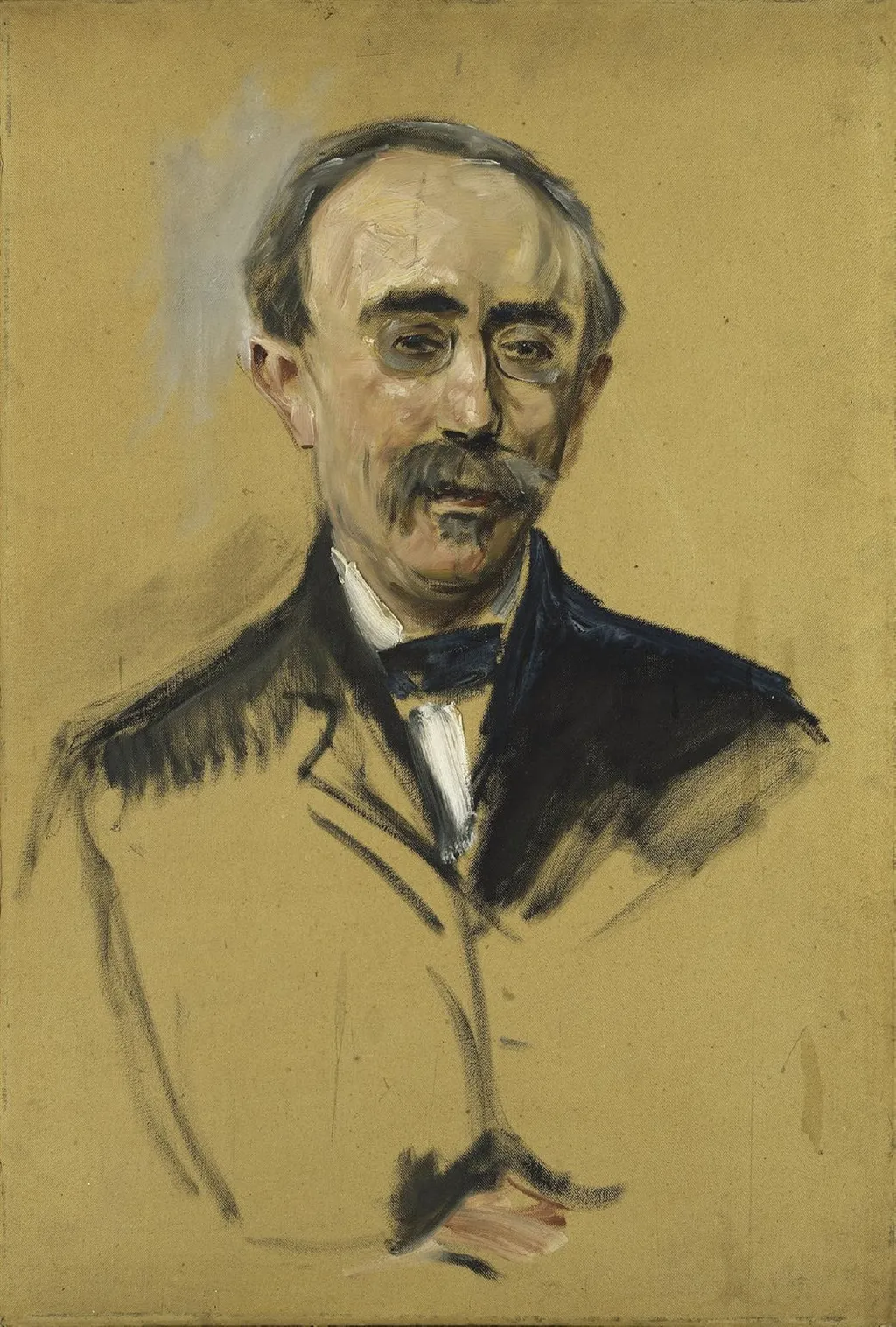
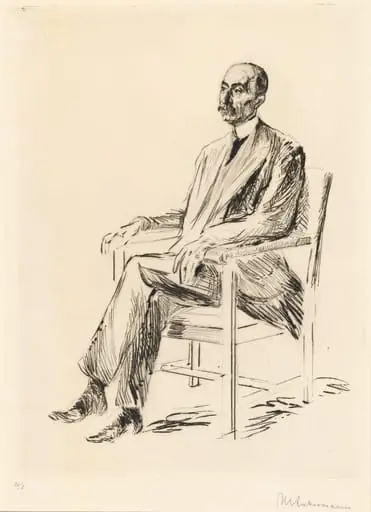
Professor Adolf Wohlwil is an unspecified painting by the Impressionist artist Max Liebermann. It dates from 1905 and is held in the collection of the Hamburger Kunsthalle.
About this work
Overview
Max Liebermann completed the portrait of Professor Adolf Wohlwil in 1905, during a period when he was deeply engaged with intimate, domestic, and professional portraits of Berlin’s intellectual class. The work reflects his mature style, shaped by years of study in Weimar, Paris, and the Netherlands, and his commitment to capturing everyday life with quiet realism. It resides today in the Hamburger Kunsthalle.
Subject & Meaning
The subject, Professor Adolf Wohlwil, was a respected academic whose presence in the painting conveys dignity without grandeur.
The subject, Professor Adolf Wohlwil, was a respected academic whose presence in the painting conveys dignity without grandeur. Liebermann portrays him in formal attire—a suit jacket and bow tie—suggesting his professional identity, yet the neutral expression and subtle smile humanize him. The composition avoids theatricality, emphasizing the quiet authority of the bourgeois intellectual rather than public acclaim.
Technique & Style
Liebermann employs loose, deliberate brushwork to render texture in fabric and hair, while the warm, earth-toned background recedes softly, enhancing the figure’s three-dimensionality. Light falls naturally across the face and shoulders, modeling form without harsh contrast. The palette is restrained, favoring muted browns and grays, consistent with his Impressionist approach to light and atmosphere in interior settings.
History & Provenance
The painting entered the collection of the Hamburger Kunsthalle shortly after its completion, likely through direct acquisition or donation. Its early inclusion in a major public institution reflects the recognition Liebermann received in his lifetime, even as his style diverged from academic norms. The work has remained in the museum’s care since, with no documented changes in ownership.
Context
In early 20th-century Germany, portraiture served as a means to document the rising influence of professionals and scholars outside aristocratic circles. Liebermann, as a leading voice in German Impressionism, turned his attention to such figures, portraying them with psychological nuance and unadorned realism. This portrait aligns with a broader cultural shift toward valuing intellectual labor over inherited status.
Legacy
The portrait of Wohlwil exemplifies Liebermann’s contribution to modern German art through his focus on ordinary subjects rendered with technical precision and emotional restraint. It stands as a quiet testament to the dignity of professional life in Wilhelmine Germany, influencing later generations of realist painters who sought to capture character without idealization.
Own this work as a print
Artist & collection
Artist
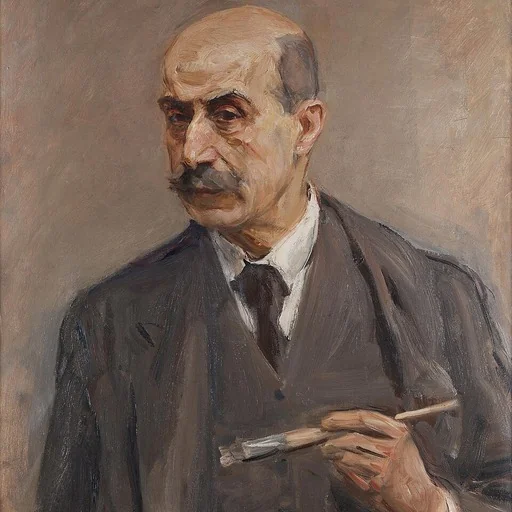
Max Liebermann (20 July 1847 – 8 February 1935) was a German painter and printmaker, and one of the leading proponents of Impressionism in Germany and continental Europe.

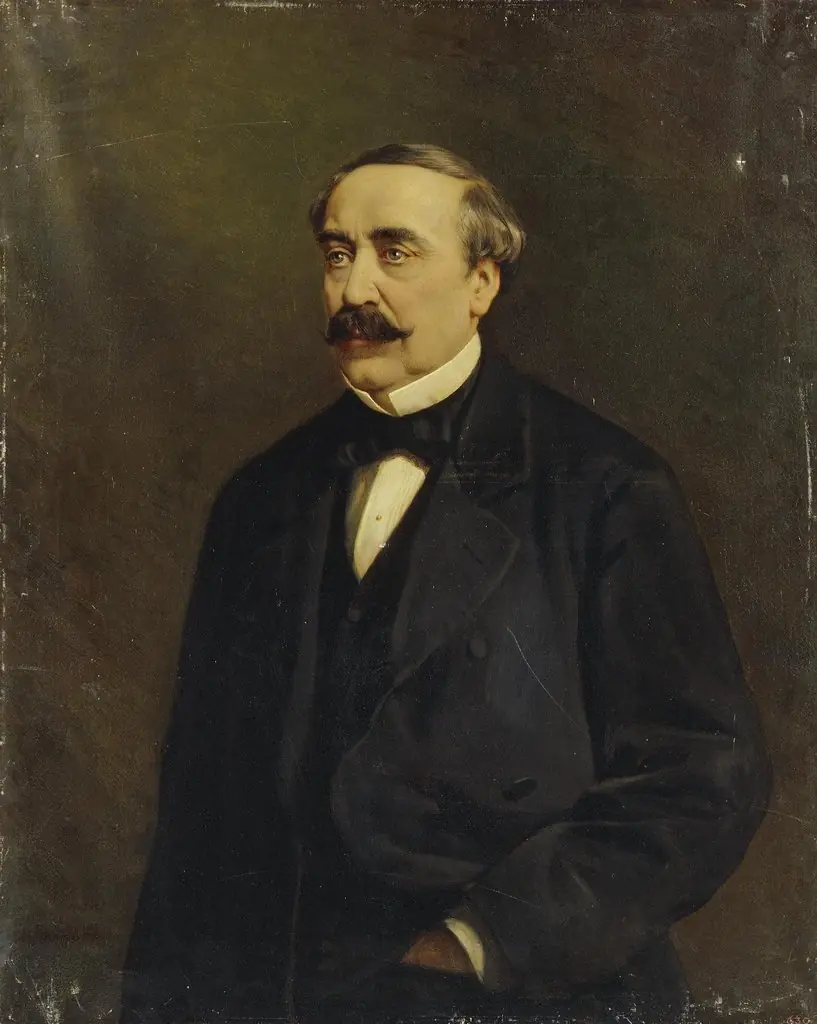 Portrait of the Mining Engineer Nikolay Teplov
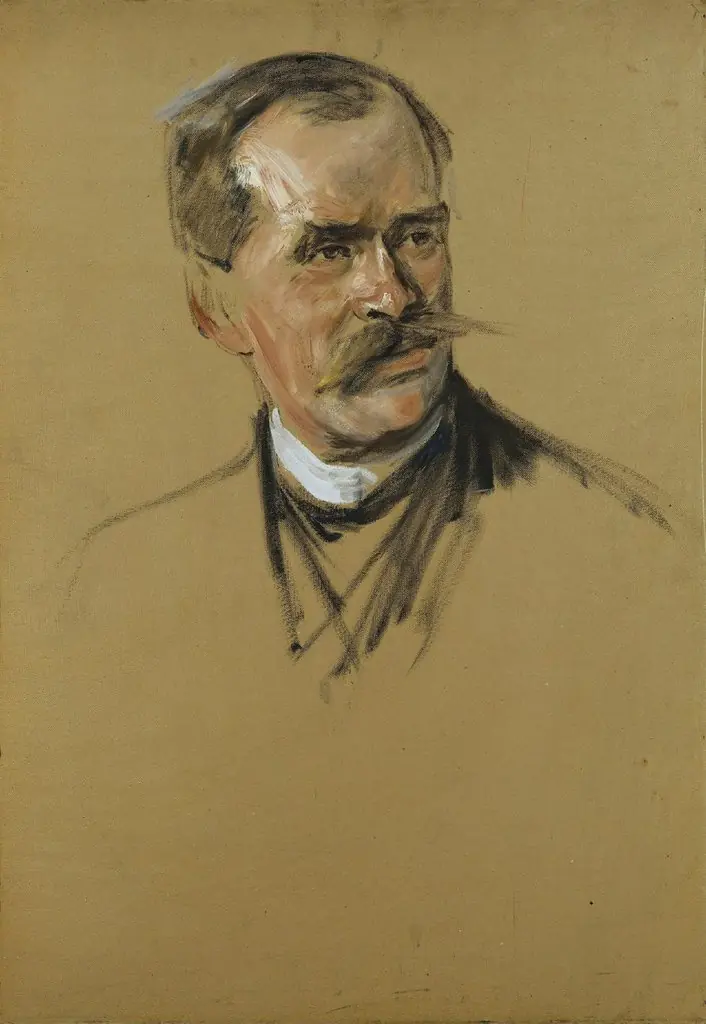 Professor Eduard Zacharias
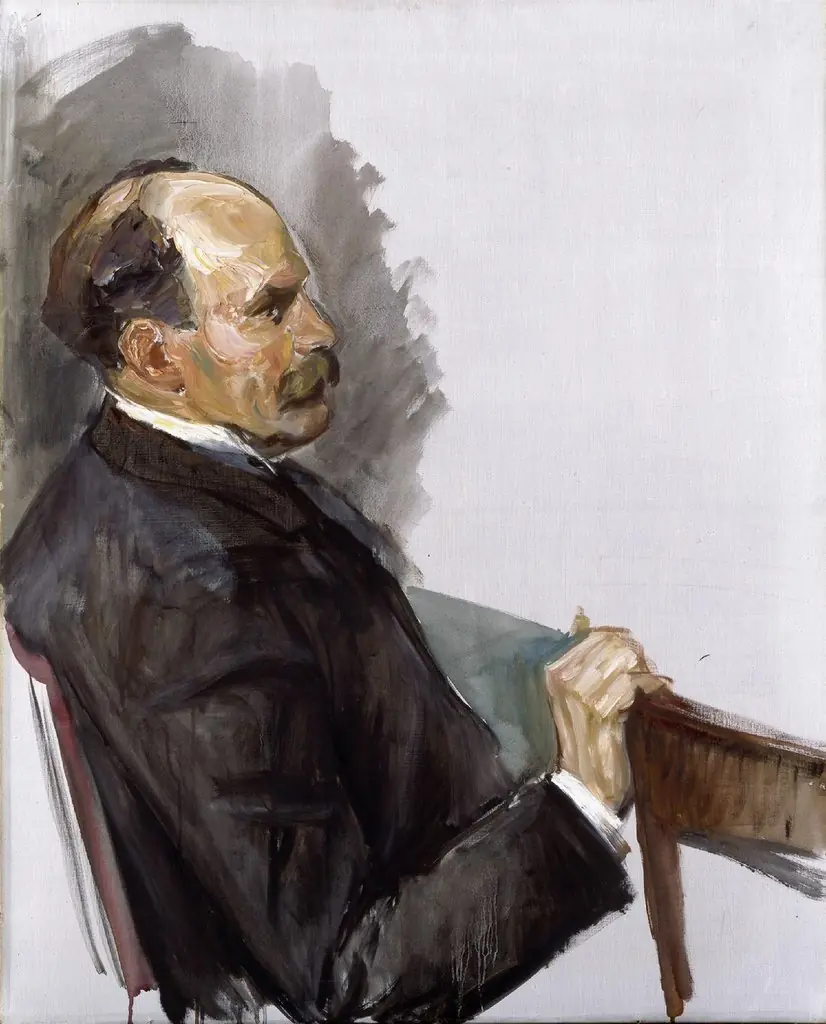 Professor Robert Münzel
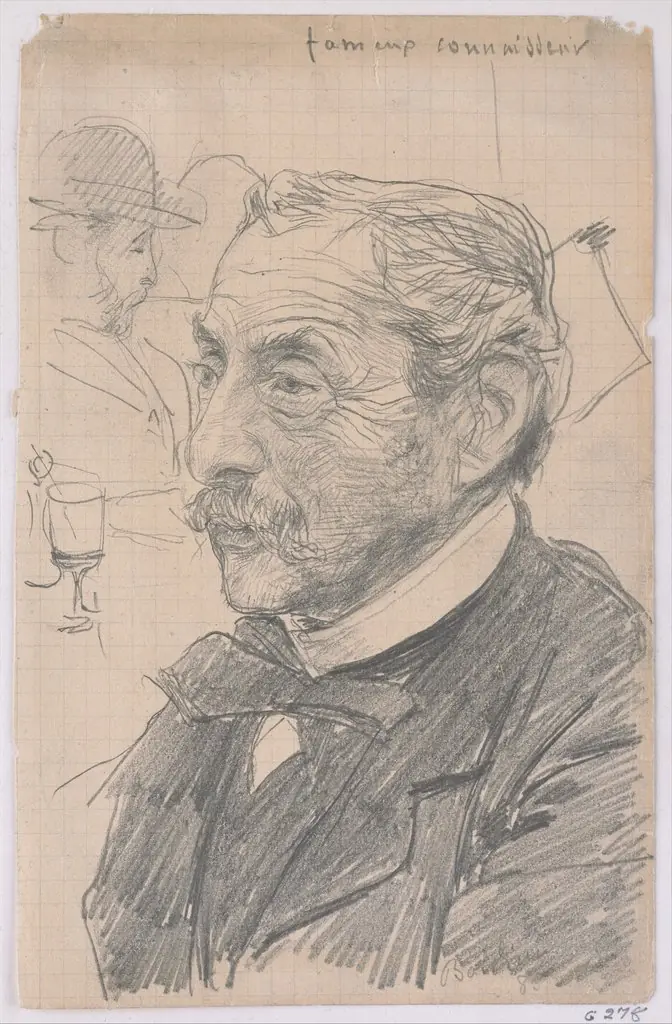 Famous Connoisseur (Fameux Connaisseur)
 Gold and Brown: Self-Portrait
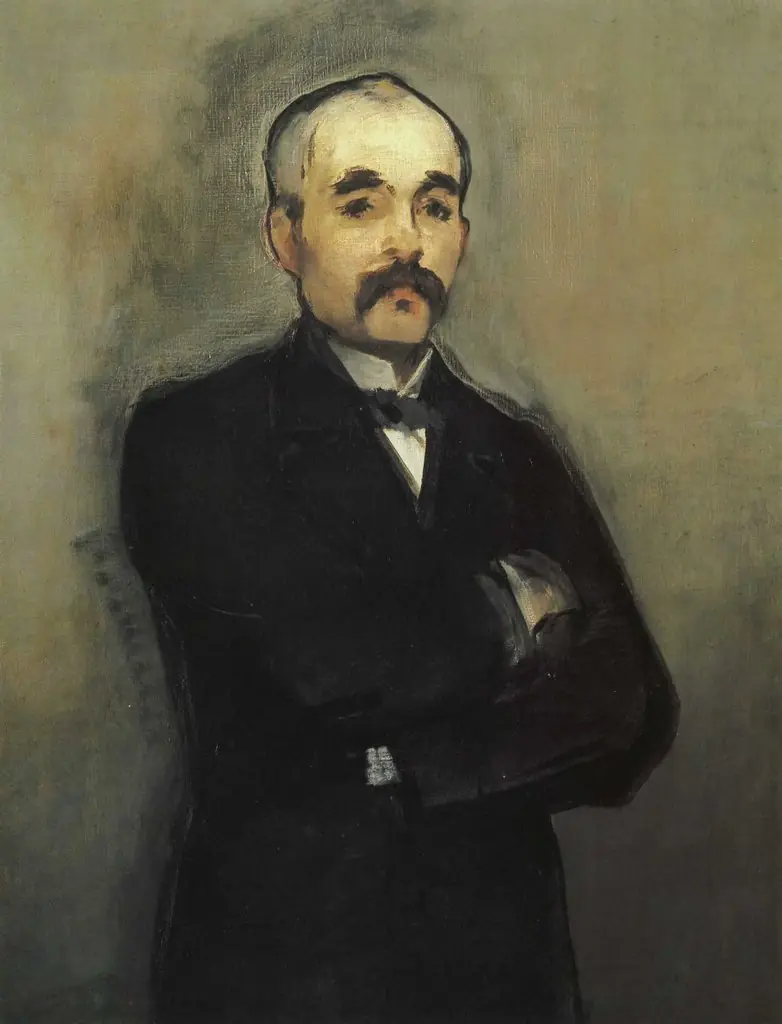 Portrait of Georges Clemenceau
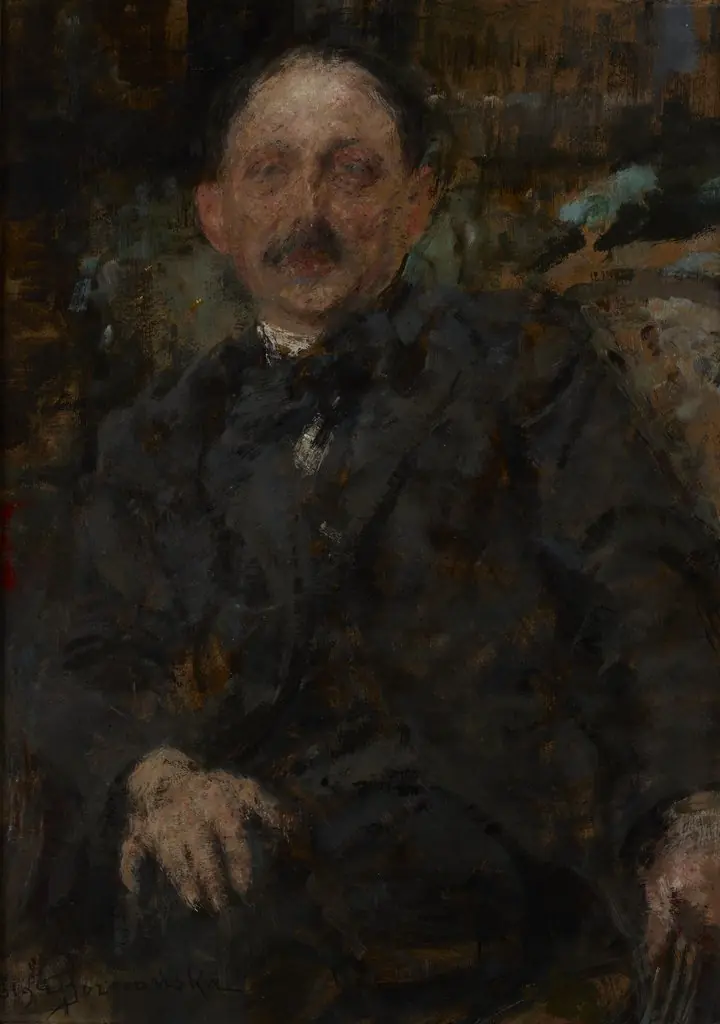 Portrait of Painter Marcin Samlicki
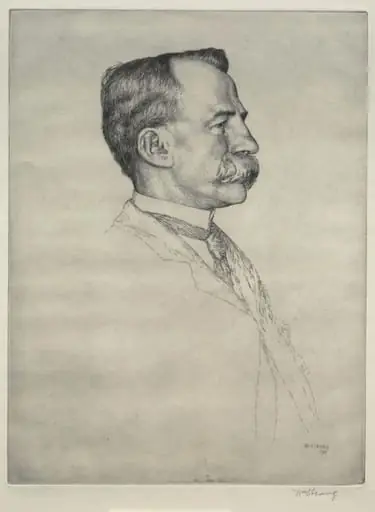 E. T. Bull
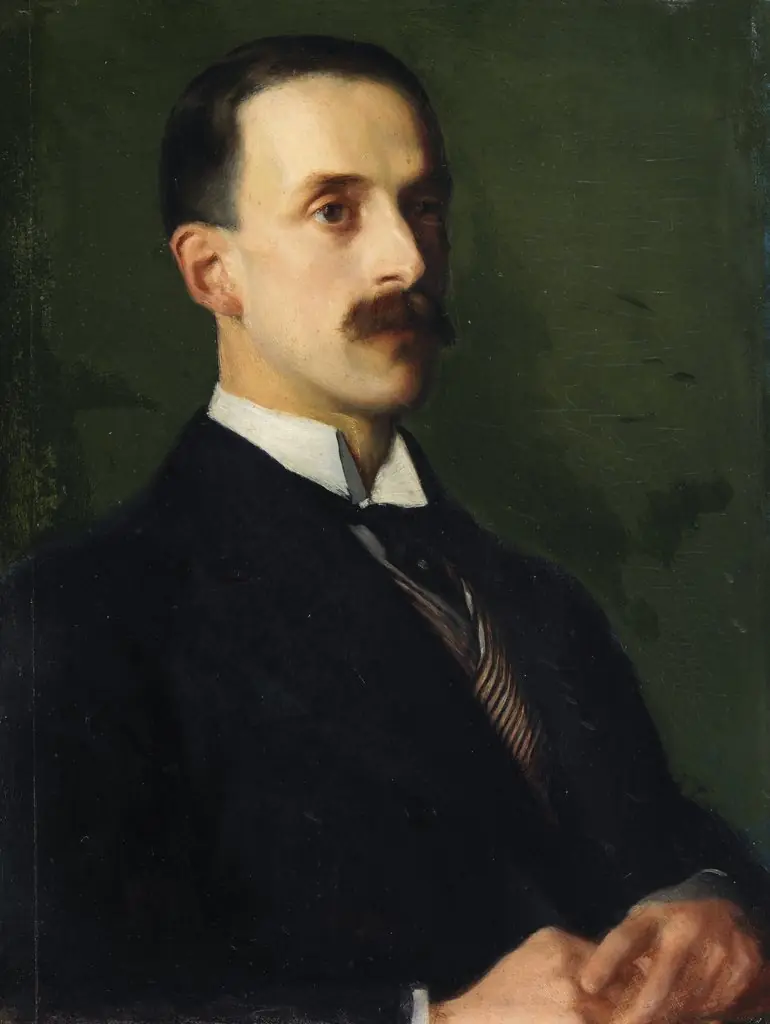 Portrait of Sir Hugh Lane (1865-1915), Director of the National Gallery of Ireland 1914-1915
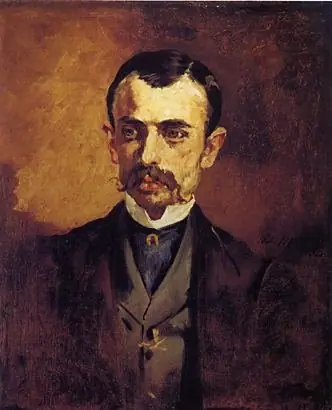 Portret van een man
 Portrait of an old man
 Portrait of Isaac D. Fletcher