Artwork
The Lamentation
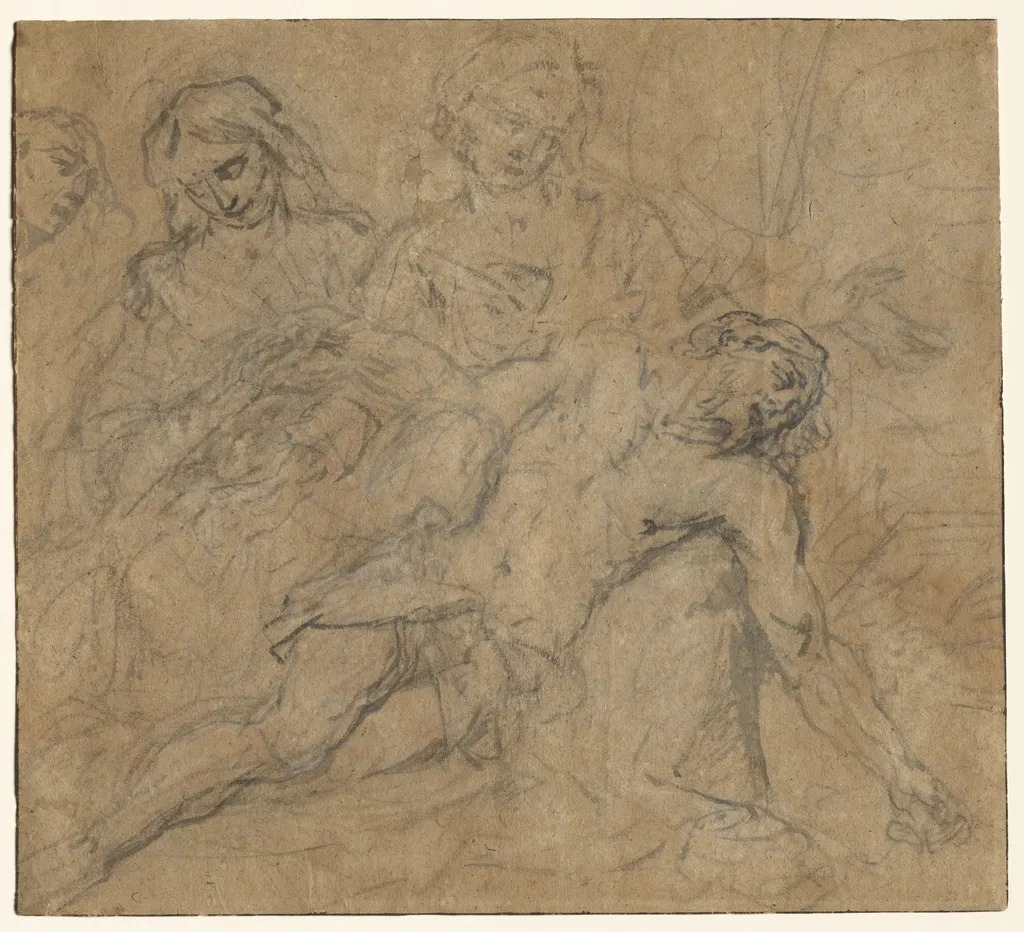
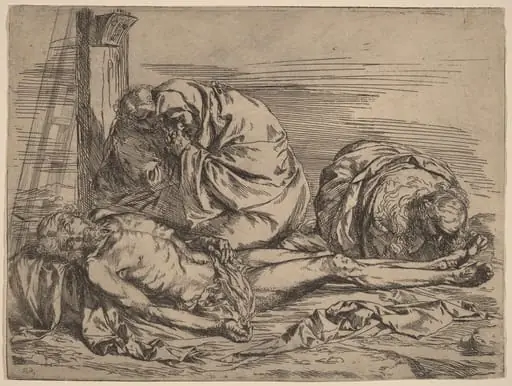
The Lamentation is a drawing by the Baroque artist Gaspar de Crayer. It dates from 1635 and is held in the collection of the Cleveland Museum of Art.
About this work
Overview
Created circa 1635, this drawing by Gaspar de Crayer belongs to a series of devotional works produced during his tenure as court painter to the Habsburg governors of the Southern Netherlands. Executed in a restrained tonal palette, it captures a moment of quiet grief following Christ’s crucifixion, reflecting the spiritual priorities of Counter-Reformation art in Flanders.
Subject & Meaning
The composition emphasizes human emotion and communal mourning, aligning with Counter-Reformation goals of fostering empathy and spiritual reflection.
The scene portrays mourners gathered around the lifeless body of Christ, a common subject in Catholic devotional imagery of the period. Figures include the Virgin Mary, Mary Magdalene, and John the Evangelist, their postures conveying sorrow and reverence. The composition emphasizes human emotion and communal mourning, aligning with Counter-Reformation goals of fostering empathy and spiritual reflection.
Technique & Style
Crayer employs layered washes and subtle gradations to model form and atmosphere, achieving a soft, atmospheric depth reminiscent of sfumato. The muted browns and grays enhance the somber mood, while delicate linework defines facial expressions and drapery. His handling suggests familiarity with Rubens’ tonal methods, adapted here for intimate, contemplative scale rather than grand altarpiece drama.
History & Provenance
The drawing emerged during Crayer’s most productive years, when he was commissioned to produce religious imagery for churches and private patrons across the Southern Netherlands. Though its early ownership is undocumented, its stylistic consistency with his known works from the 1630s supports its attribution. It likely served as a preparatory study or independent devotional object.
Context
In the 1630s, Flanders was under Habsburg rule, and the Catholic Church actively promoted art that reinforced doctrinal themes through emotional immediacy. Crayer’s work, influenced by Rubens but more restrained, met this demand by translating monumental compositions into accessible, intimate formats suitable for private devotion and clerical use.
Legacy
Crayer’s drawings like this one helped disseminate the Rubensian aesthetic beyond large-scale altarpieces, influencing regional workshop practices. Though less celebrated than his oil paintings, such works reveal his skill in conveying spiritual gravity through minimal means, contributing to the broader visual language of Counter-Reformation piety in the Low Countries.
Artist & collection
Artist
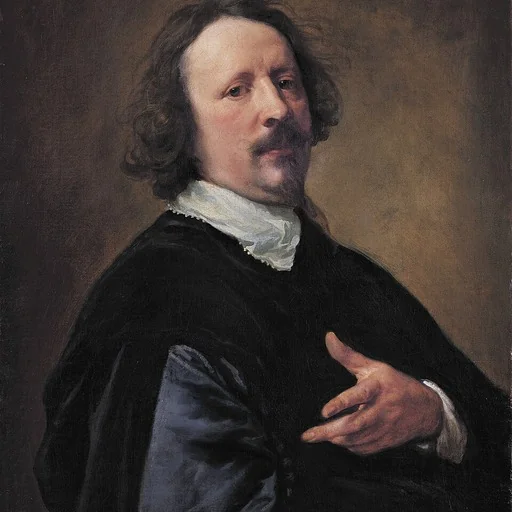
Gaspar de Crayer or Jasper de Crayer (18 November 1584 – 27 January 1669) was a Flemish painter known for his many Counter-Reformation altarpieces and portraits.

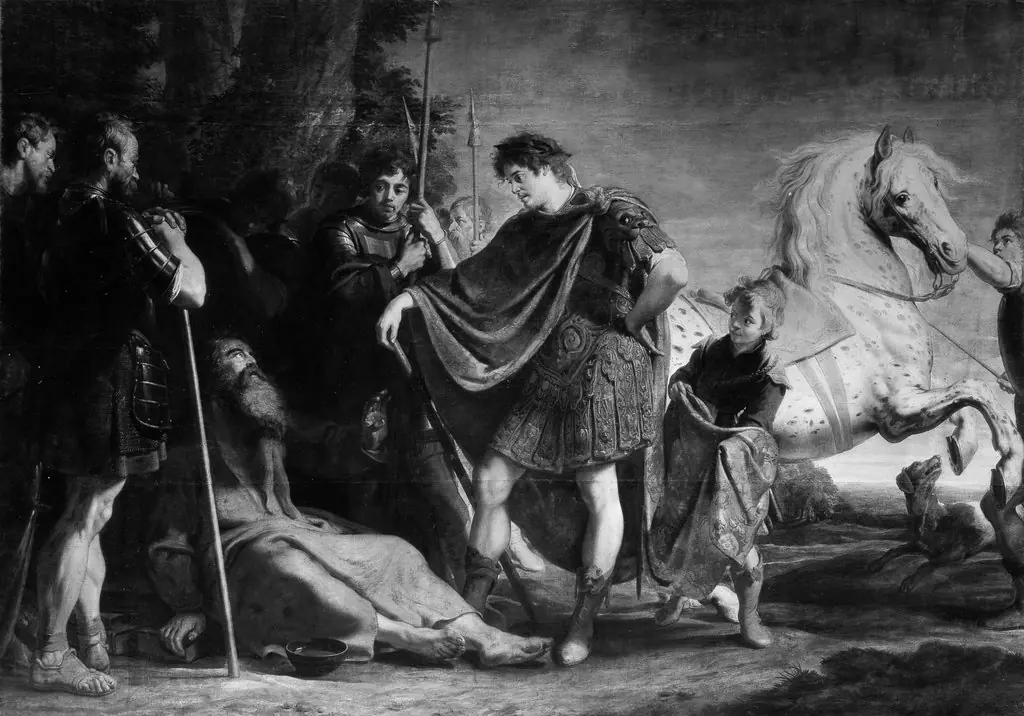 The Meeting of Alexander the Great and Diogenes
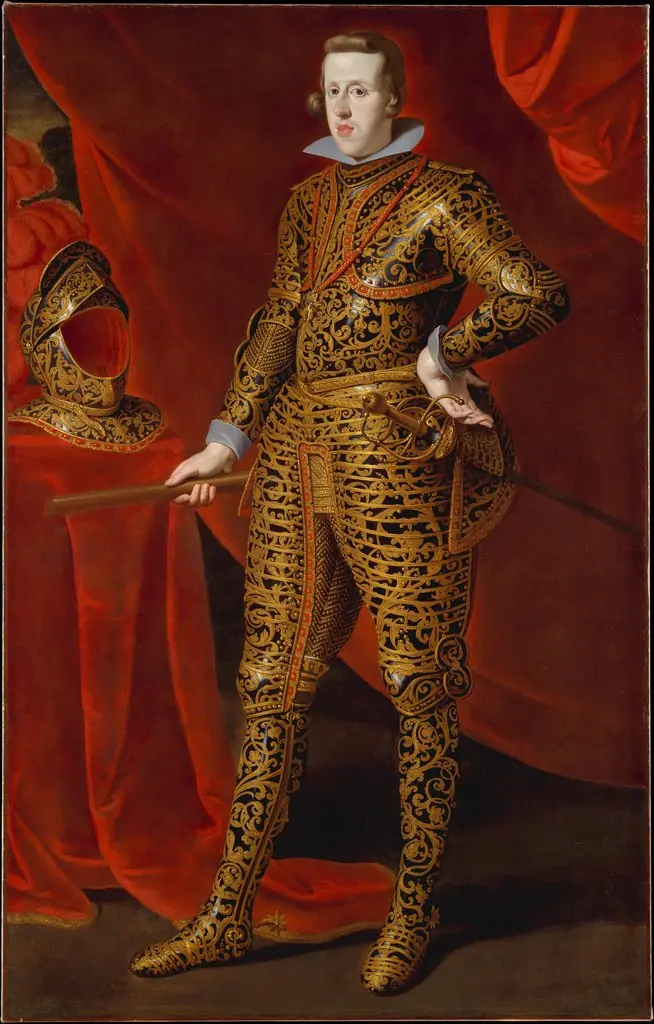 Philip IV (1605–1665) in Parade Armor
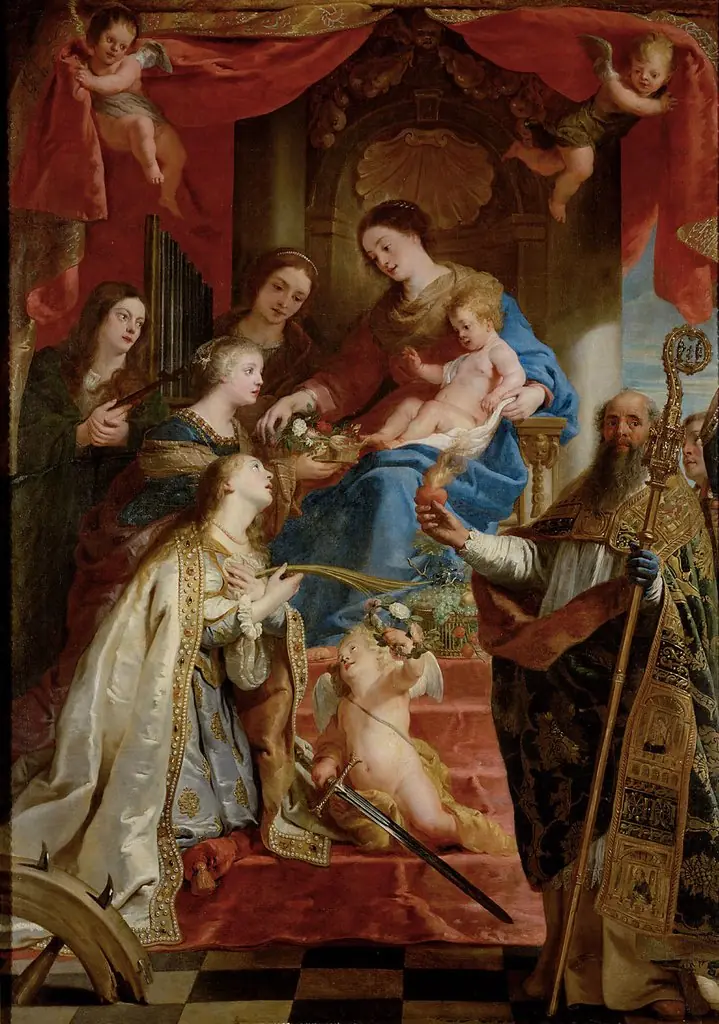 Virgin with child and saints Maria Magdalen, Cecilia, Dorothea, Catharina and Augustine
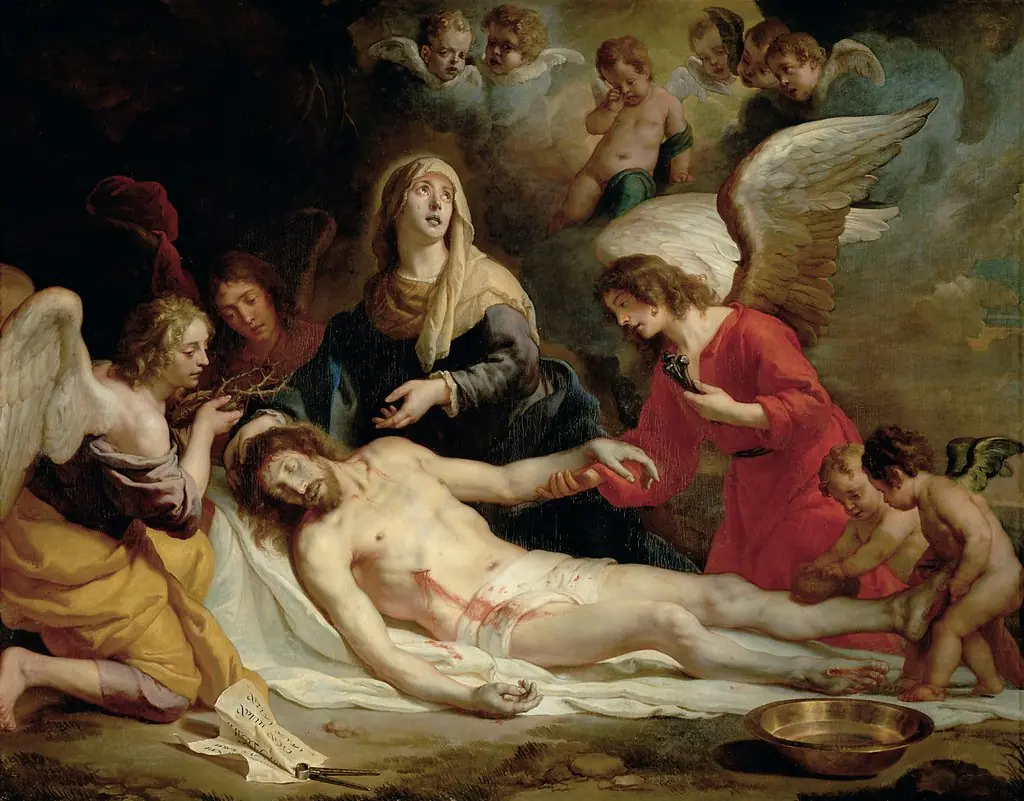 Lamentation
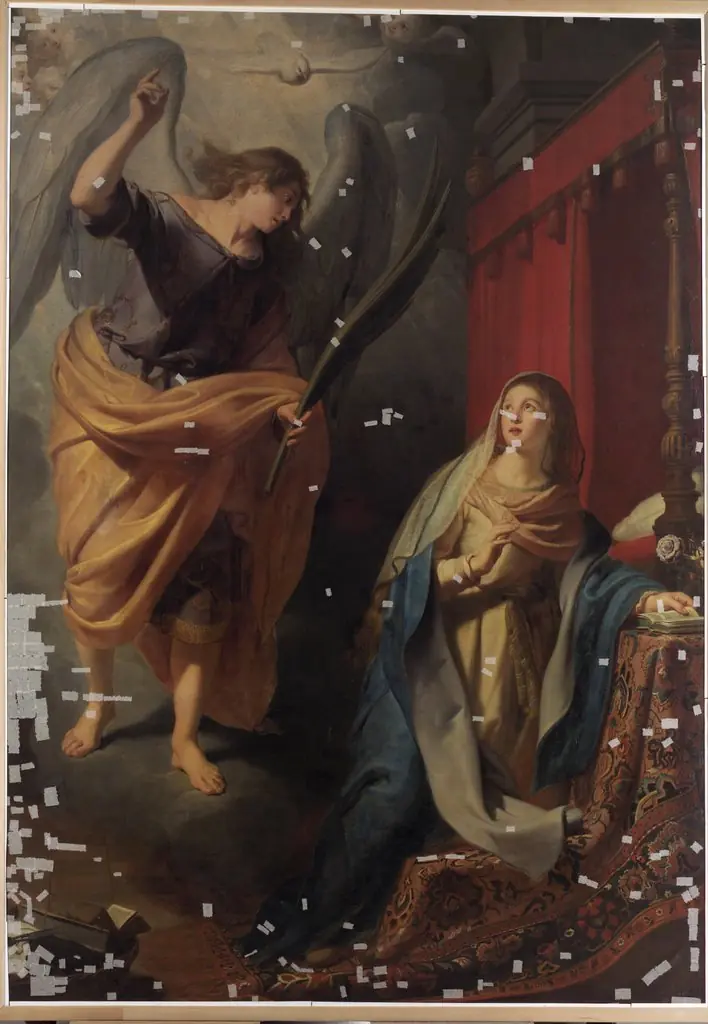 The Annunciation
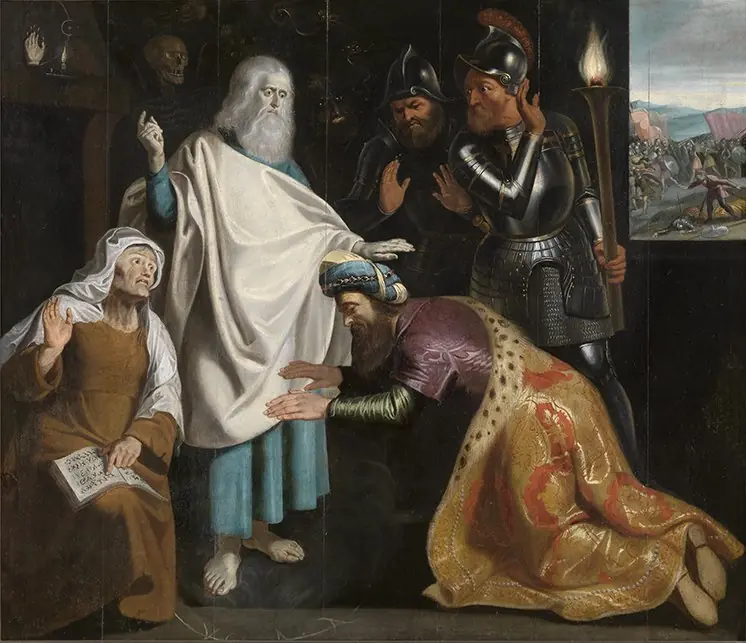 The ghost of Samuel appears to the witch of Endor; Saul falls prostrate to the ground (1 Samuel 28:3-20)
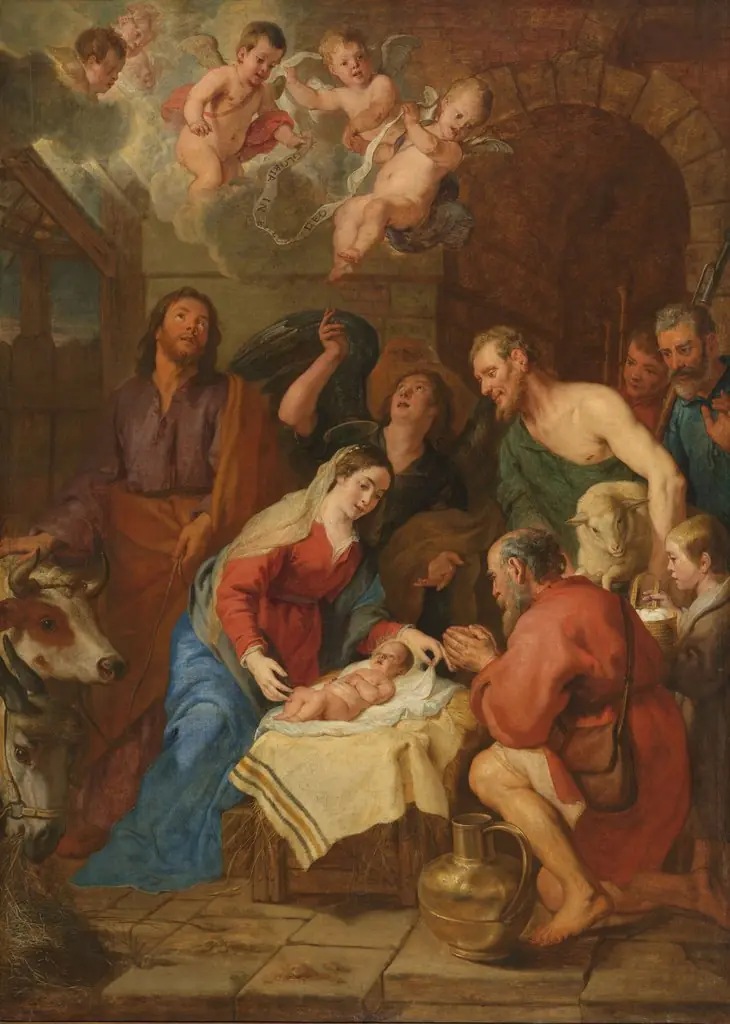 The adoration of the shepherds
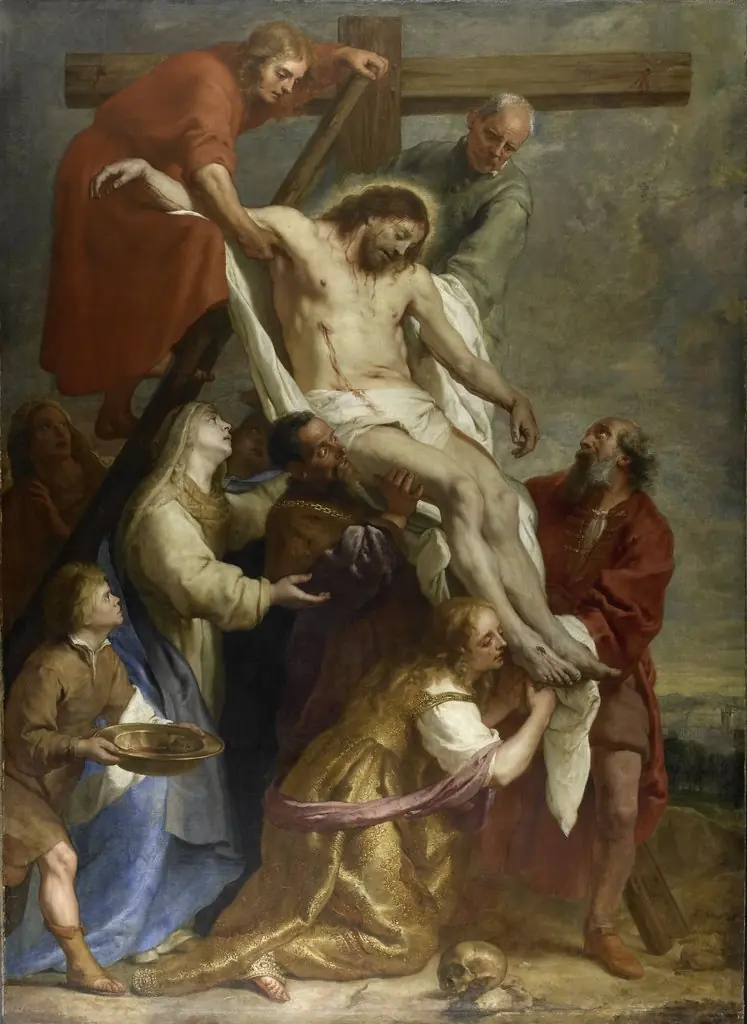 The descent from the cross
 The Lamentation
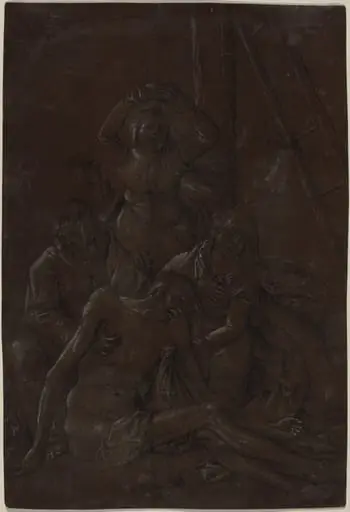 The Lamentation
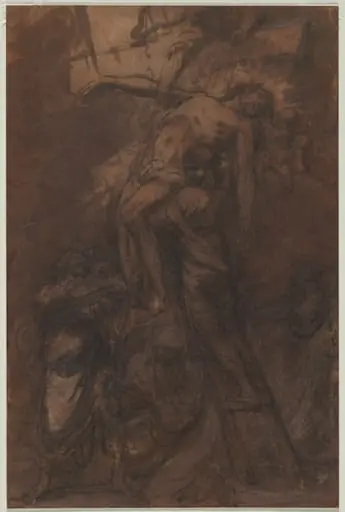 Descent from the Cross
![The Adoration of the Magi [recto], by Donato Creti](https://artifactworldgallery.com/img/donato-creti--the-adoration-of-the-magi-recto--2cfd5d76b55e821e-w320.webp) The Adoration of the Magi [recto]
The Adoration of the Magi [recto]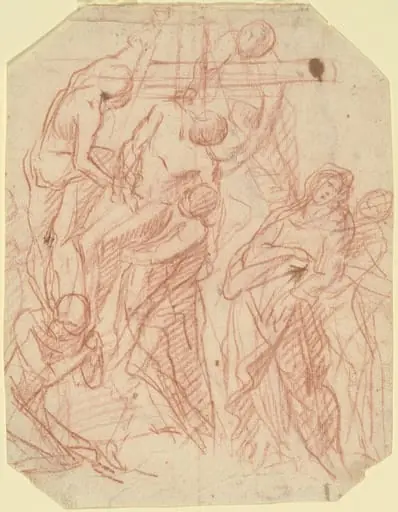 The Descent from the Cross (recto)
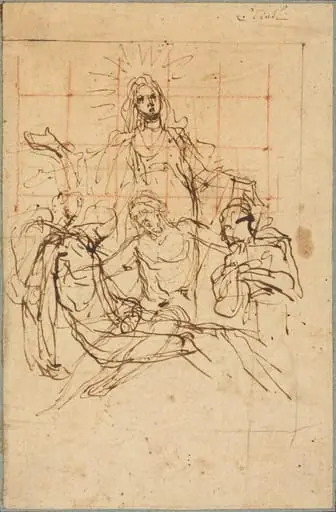 The Pietà (recto)
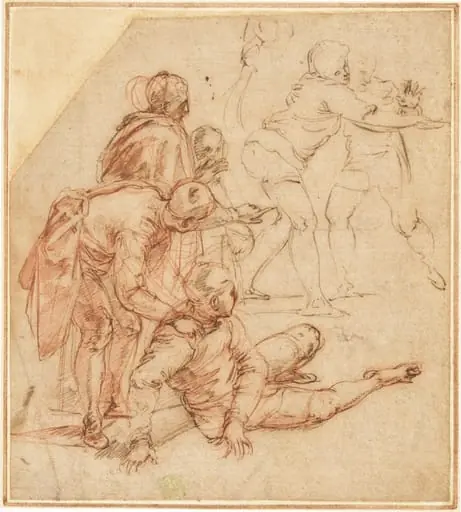 Spectators Amazed
![Figures Deciphering an Inscription, with Two Women Seated [Study for Oeuvres de Bossuet, IV], by Giovanni Battista Piazzetta](https://artifactworldgallery.com/img/giovanni-battista-piazzetta--figures-deciphering-an-inscription-with-two-women-seated-stu--24638de2183fad9c-w320.webp) Figures Deciphering an Inscription, with Two Women Seated [Study for Oeuvres de Bossuet, IV]
Figures Deciphering an Inscription, with Two Women Seated [Study for Oeuvres de Bossuet, IV]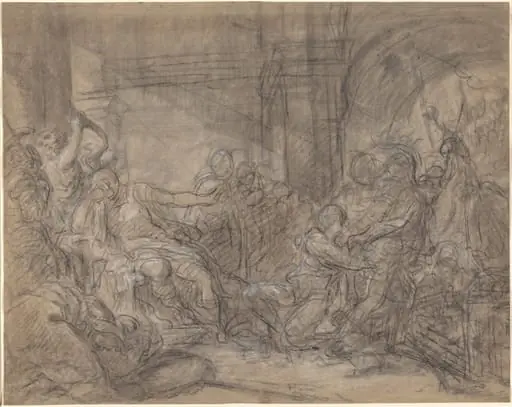 Brutus Condemning His Sons to Death
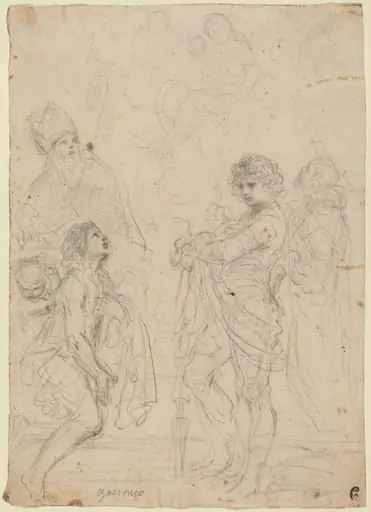 Madonna and Child with Saints Gimignano, John the Baptist, George and Peter Martyr
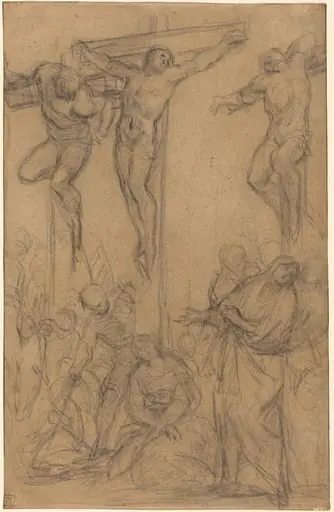 The Crucifixion
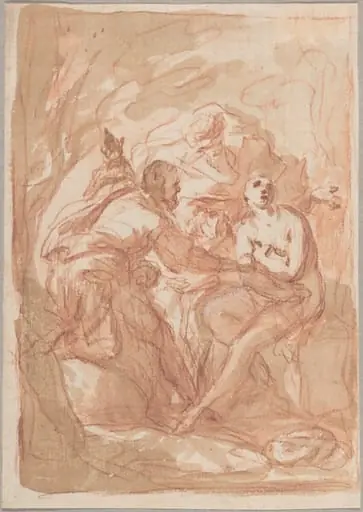 Susanna and the Elders