Artwork
Jacques-Benigne Bossuet
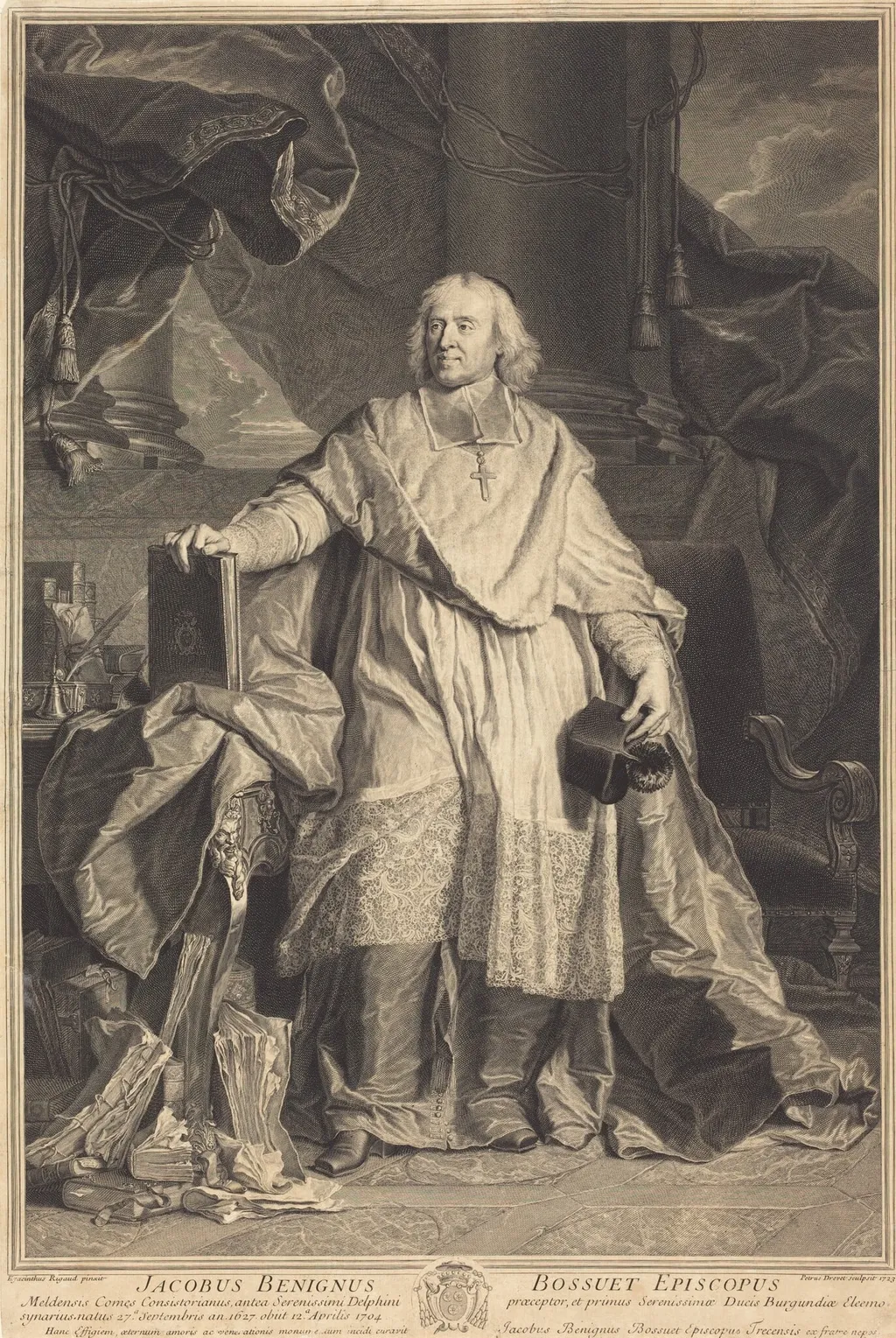
Jacques-Benigne Bossuet is an ink print by the Baroque artist Pierre-Imbert Drevet. It dates from 1723 and is held in the collection of the National Gallery of Art.
About this work
Overview
This 1723 engraving by Pierre-Imbert Drevet portrays Jacques-Bénigne Bossuet, a prominent figure, in a detailed and symbolic representation.
Subject & Meaning
Bossuet is depicted in ornate attire, including a white cloak, cross, and staff, indicating his high status and likely ecclesiastical role. The surrounding elements—a globe, books, and draped curtain—contextualize his influence and scholarly or religious authority.
Technique & Style
Drevet employed sharp lines and nuanced shading to achieve a realistic rendering of textures, particularly in the fabric of Bossuet's robes, showcasing the engraver's skill.
History & Provenance
Created by Pierre-Imbert Drevet in 1723, this work exemplifies his family's long-standing tradition of engraving portraits of notable individuals, spanning over a century.
Context
As a print, it was designed for reproduction, facilitating the widespread dissemination of Bossuet's image and reinforcing his public persona during its time.
Legacy
While the engraving's direct impact is not broadly documented, it contributes to the visual legacy of Bossuet and the enduring reputation of the Drevet family as master portrait engravers.
Artist & collection

Artist
The Drevet Family were leading portrait engravers of France for over a hundred years. Their fame began with Pierre, and was sustained by his son, Pierre-Imbert, and by his nephew, Claude.

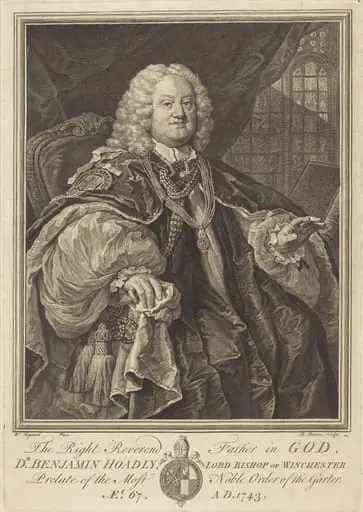 Bishop Hoadly
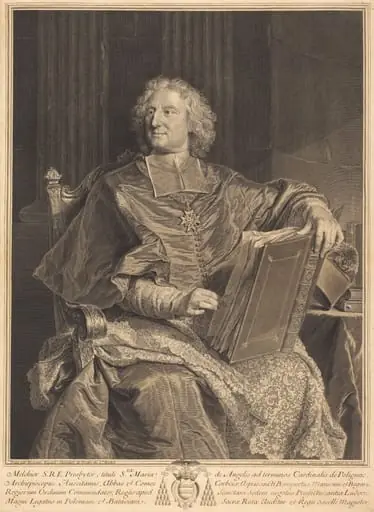 Cardinal de Polignac
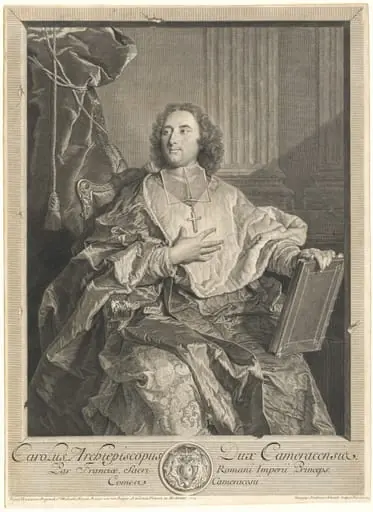 Monseigneur Louis-Charles d'Orléans de Saint-Albin, Archbishop of Cambrai
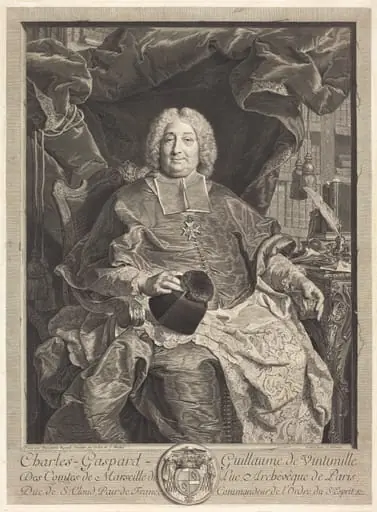 Charles-Gaspard-Guillaume de Vintimille du Luc, Archbishop of Paris
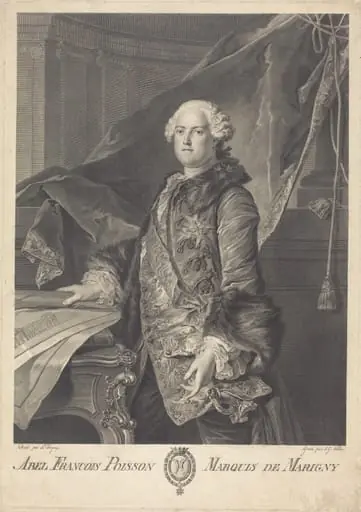 Abel Francois Poisson, Marquis de Marigny
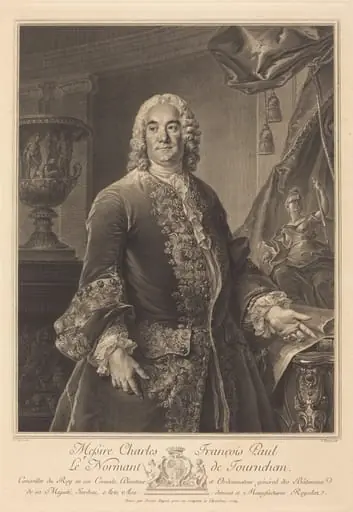 Charles Francois Paul Le Normant de Tournehem
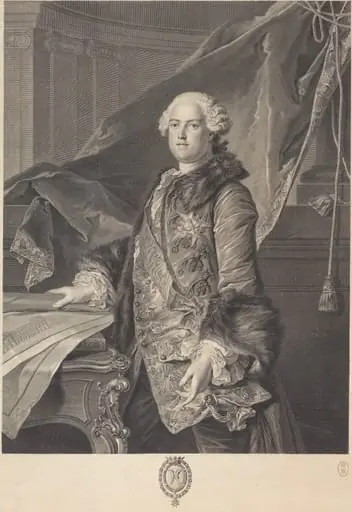 Marquis de Marigny
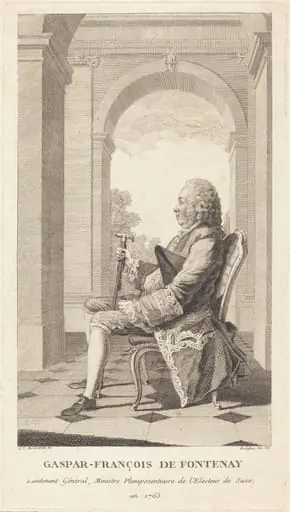 Gaspar-François de Fontenay
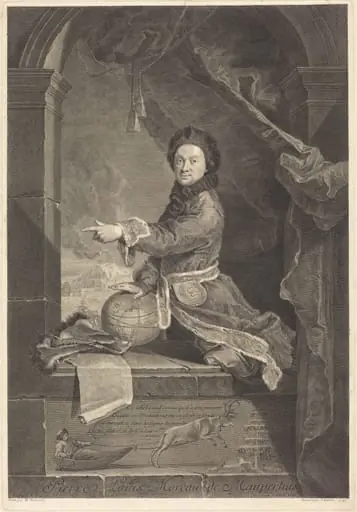 Pierre Louis Moreau de Maupertuis
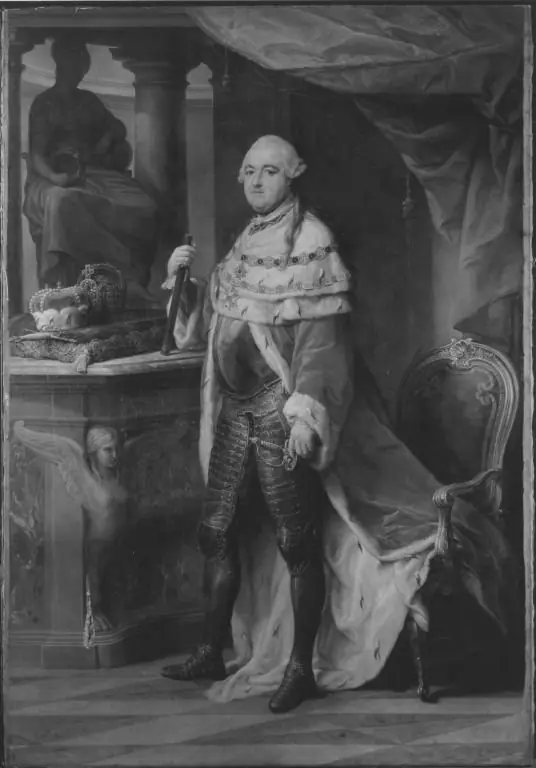 Kurfürst Karl Theodor von der Pfalz
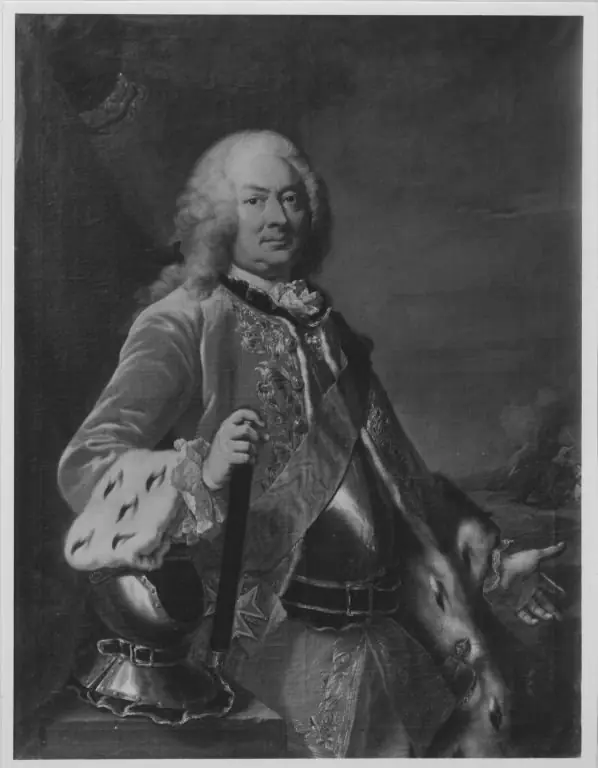 Landgraf Wilhelm VIII. von Hessen-Kassel
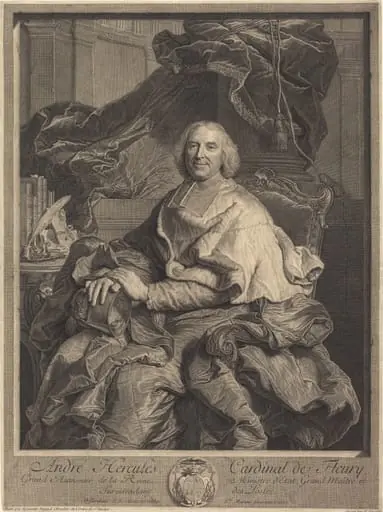 André Hercules, Cardinal de Fleury