Artwork
Thomas West Peyton
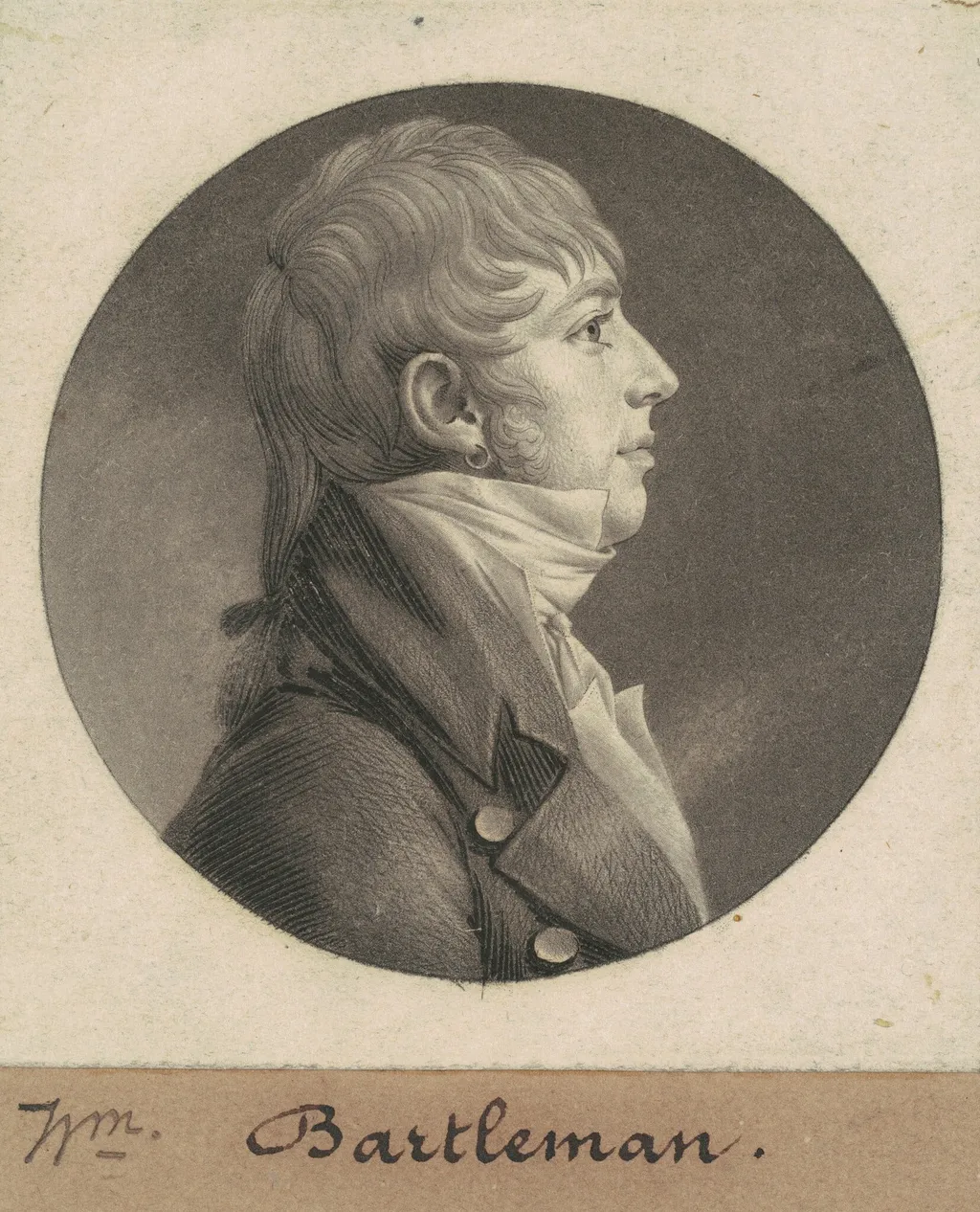
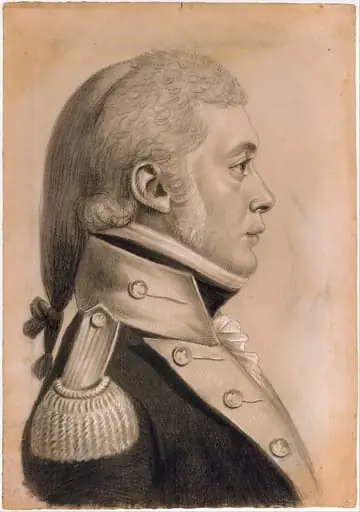
Thomas West Peyton is an ink print by the Romanticist artist Charles Balthazar Julien Févret de Saint-Mémin. It dates from 1805 and is held in the collection of the National Gallery of Art. Created in 1805 by Charles B.
About this work
Overview
The work exemplifies the precision required in mezzotint, a technique demanding meticulous manipulation of a textured metal plate to achieve tonal gradations.
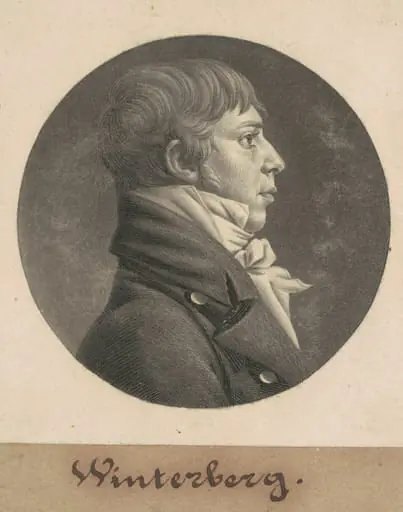
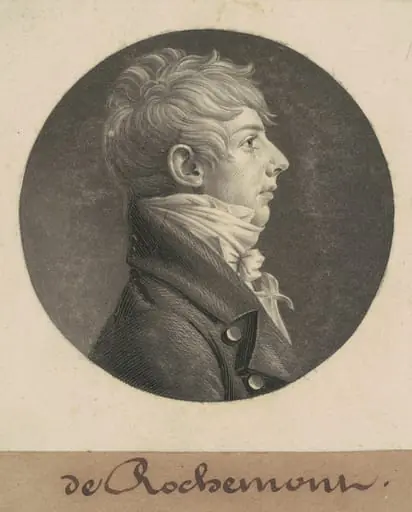
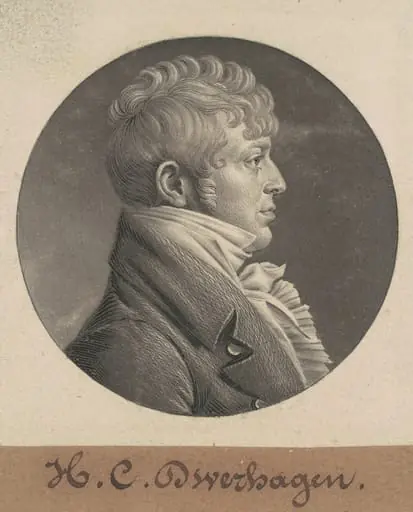
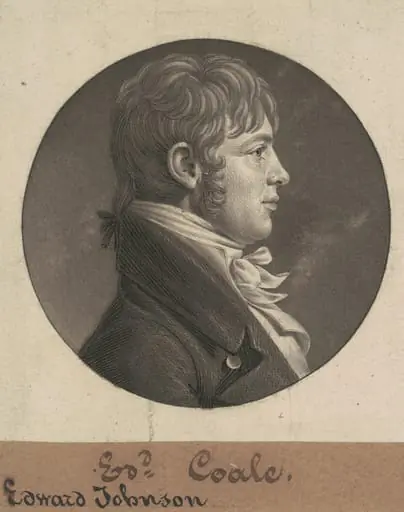
Created in 1805 by Charles B. J. Févret de Saint-Mémin, this small print depicts Thomas West Peyton in mezzotint and engraving on wove paper, mounted to brown wove paper. Measuring just over five and a half centimeters square, it belongs to the Corcoran Collection at the National Gallery of Art. The work exemplifies the precision required in mezzotint, a technique demanding meticulous manipulation of a textured metal plate to achieve tonal gradations.
Subject & Meaning
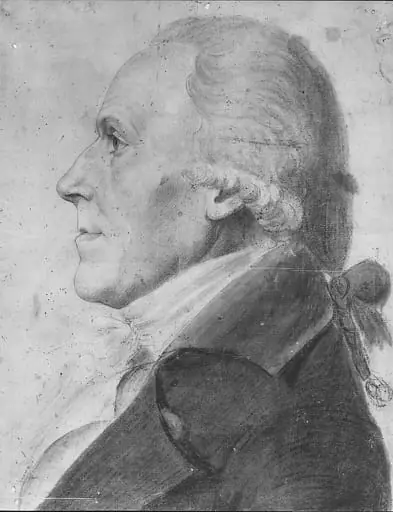
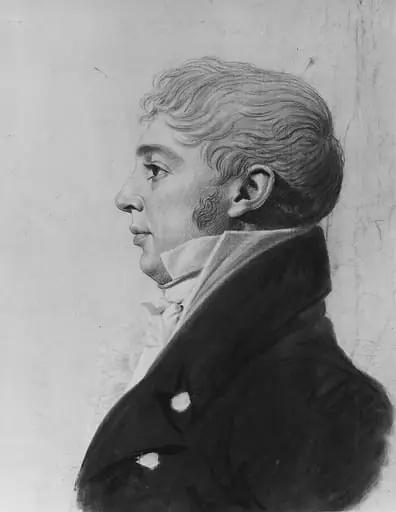
The portrait captures Thomas West Peyton, a figure of modest historical record, rendered with quiet dignity. His dark coat and high white collar suggest formal attire, while his turned profile conveys restraint rather than theatricality. The absence of background or symbolic elements focuses attention on the individual’s presence, reflecting early 19th-century American portraiture’s preference for understated realism over grandeur.
Technique & Style
Saint-Mémin employed mezzotint to build soft, velvety shadows by scraping the plate’s roughened surface, then added fine engraved lines to define edges and highlights. The result is a subtle interplay of light and tone, particularly evident in the modeling of the face. The technique’s labor-intensive nature is matched by its restraint—each mark serves the likeness without ornamentation, aligning with the era’s preference for clarity over flourish.
History & Provenance
The print entered the National Gallery of Art through the Corcoran Collection, which was acquired by the museum in 2014. Prior to that, it remained within the Corcoran’s holdings since its founding in the 19th century. Its small size and medium suggest it was likely produced as part of a series of portraits, possibly for private circulation or as a study in the artist’s broader project of documenting American figures.
Context
In the early 1800s, Saint-Mémin, a French émigré, specialized in portrait prints using mezzotint and engraving, a method favored for its ability to capture likeness with tonal depth. His work coincided with a growing American demand for accessible portraiture among the professional class. Unlike painted likenesses, these prints could be reproduced and distributed, making them a practical medium for recording civic and social figures of the time.
Legacy
Saint-Mémin’s portraits, including this one, remain among the most refined examples of American mezzotint from the early republic. While not widely known today, they represent a transitional moment in printmaking—bridging European technical traditions with American subject matter. Their quiet precision continues to inform studies of 19th-century visual culture and the role of print in shaping public identity.
Artist & collection

Artist
Charles Balthazar Julien Févret de Saint-Mémin
Charles Balthazar Julien Févret de Saint-Mémin (French pronunciation: ; 1770–1852) was a French portrait painter and museum director.