Artwork
Le bal paré
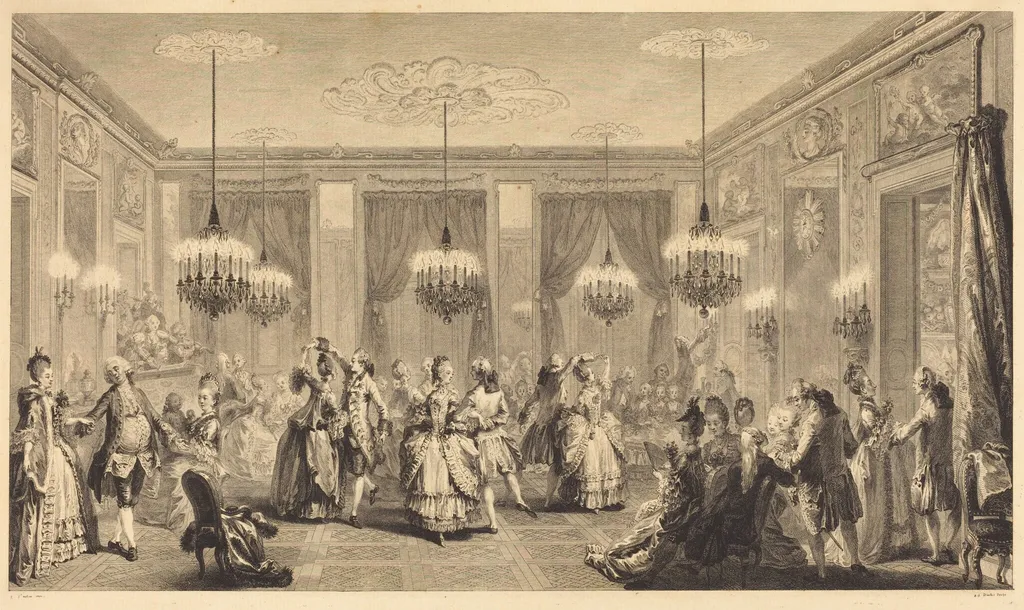
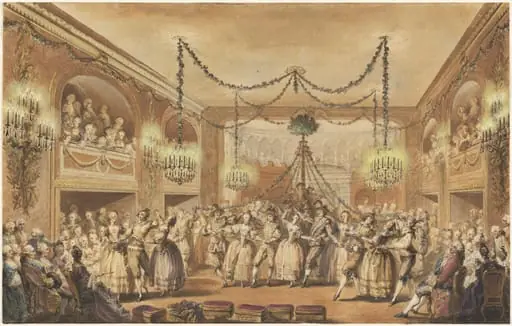
Le bal paré is an ink print by the Romanticist artist Antoine-Jean Duclos. It dates from 1774 and is held in the collection of the National Gallery of Art.
About this work
Overview
Antoine‑Jean Duclos produced the print titled Le bal paré in 1774. Executed as a combined etching and engraving, the work presents a bustling ballroom interior populated by elegantly dressed figures engaged in dance and conversation. The composition draws the eye toward the central space, where light and shadow model the architectural setting and the participants.
Subject & Meaning
The image captures a moment of festive social gathering, emphasizing the pleasures of communal dance and refined attire. By foregrounding the interaction among the attendees, the print reflects contemporary ideals of sociability and the display of status within a decorative interior, inviting viewers to contemplate the rituals of 18th‑century public entertainment.
Technique & Style
Duclos employed fine, intersecting lines characteristic of both etching and engraving, allowing for delicate texture in fabrics, ornamental wall panels, and the play of illumination across the scene. The contrast between deep shadows and highlighted areas creates a sense of depth, while the meticulous rendering of details conveys a heightened visual richness typical of late‑Baroque printmaking.
History & Provenance
Created in the latter half of the 1700s, Le bal paré was likely produced for the market of decorative prints that circulated among collectors and interior designers. Though specific ownership records are scarce, the work has been catalogued in several 19th‑century print collections, confirming its continued circulation among connoisseurs of French graphic art.
Context
The print emerges at a time when French society placed great value on elaborate courtly entertainments. While predating the full flowering of Romanticism, the work’s focus on emotion, movement, and ornamental beauty anticipates the later shift toward expressive subject matter in visual culture.
Artist & collection


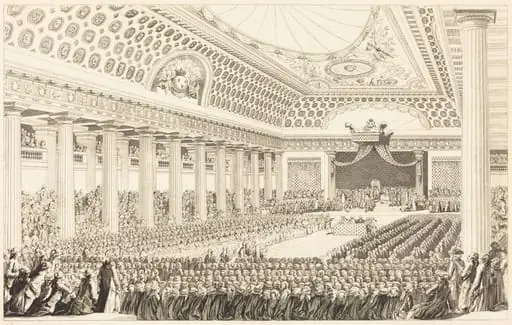 Ouverture des Etats-Généraux à Versailles, le 5 mars 1789
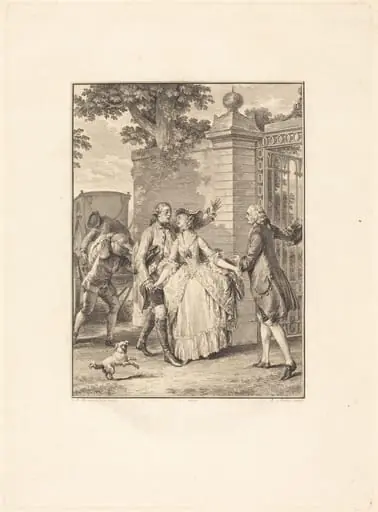 La confiance des belles âmes
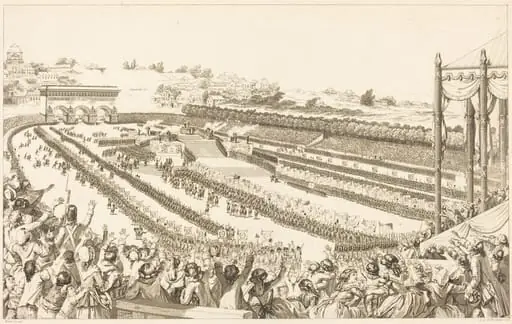 Fédération Générale de Français, au Champ de Mars, le 14 Juillet 1790
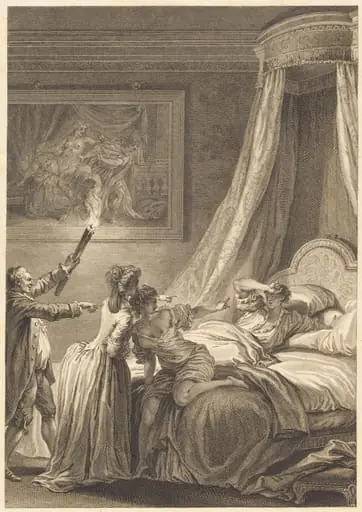 Le gascon puni
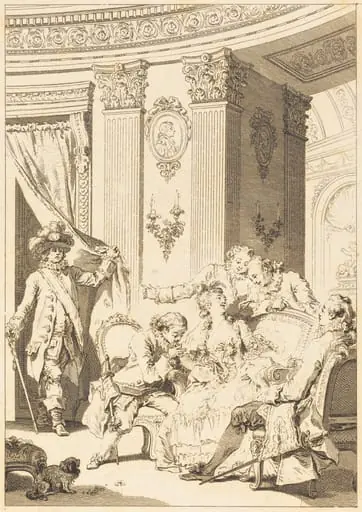 Le mari confesseur
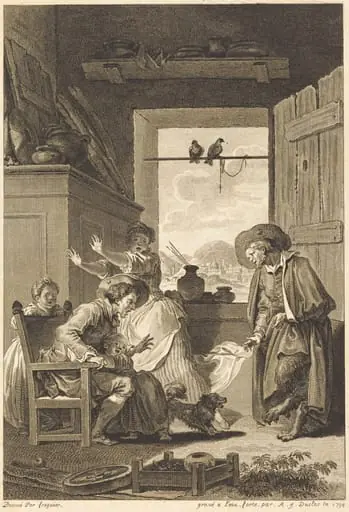 Belphegor
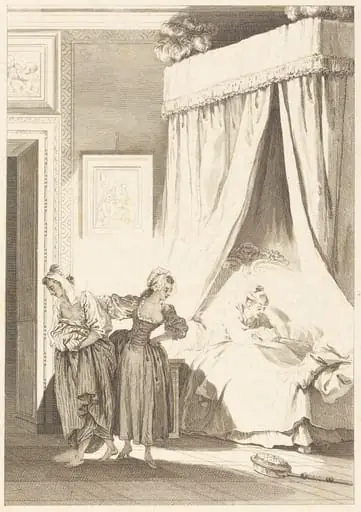 La gageure des trois commeres: La servante
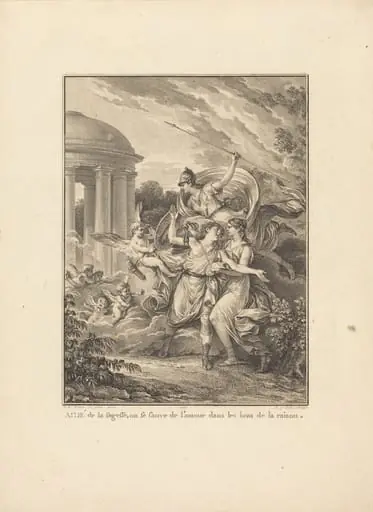 Frontispiece: Aidé de la sagesse, on se sauve de l'amour dans les bras de la raison