Artwork
Louis XV
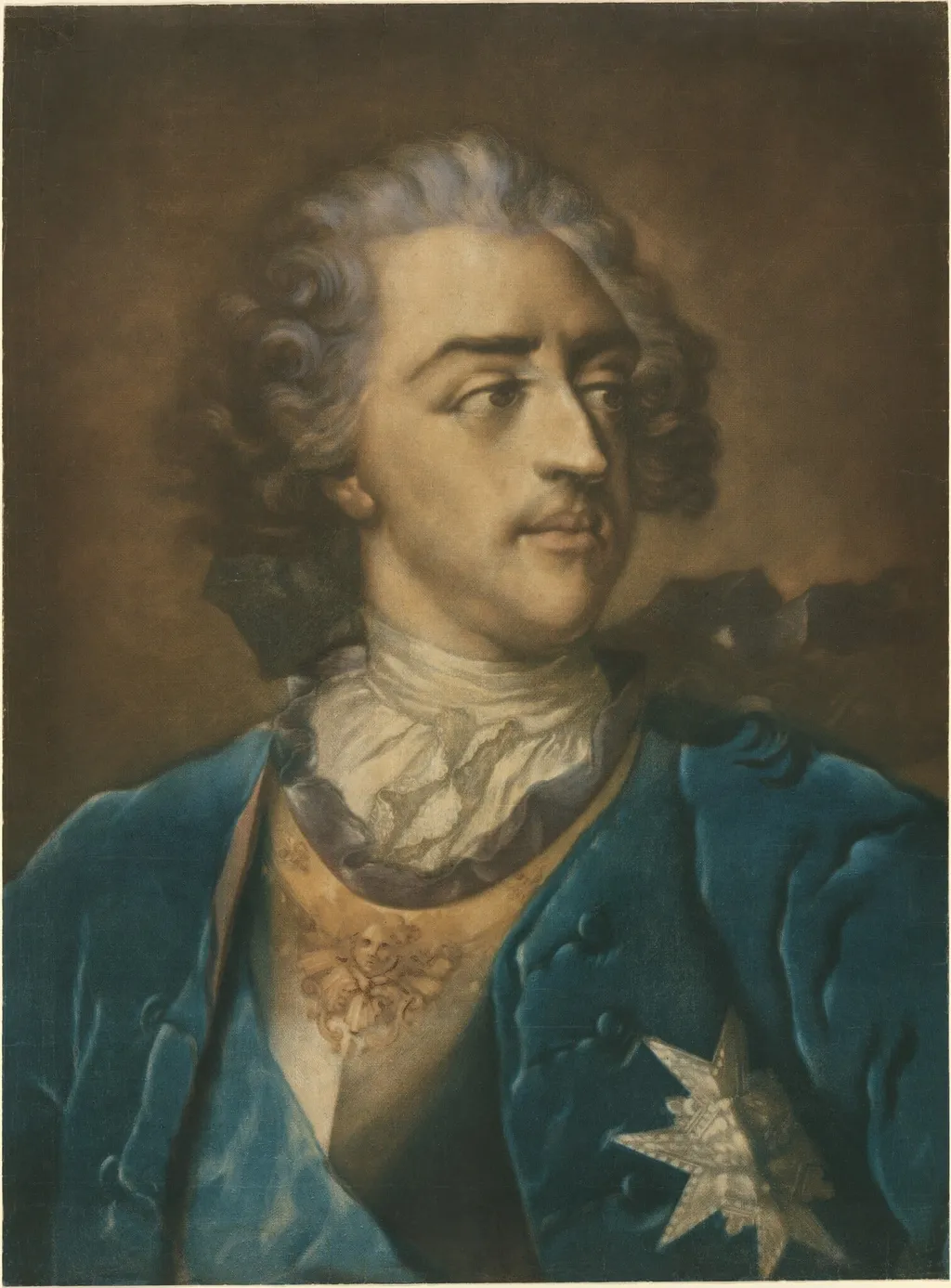
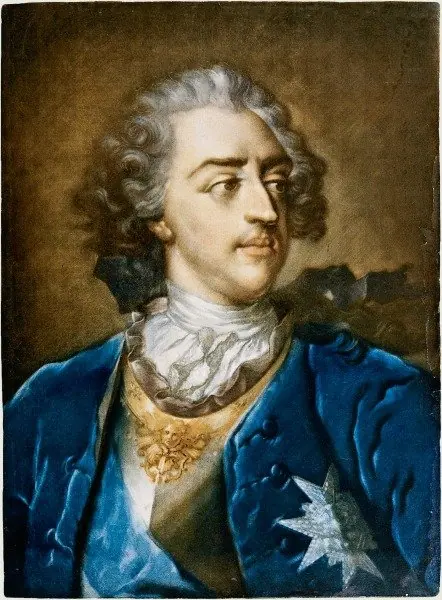
Louis XV is an ink print by the Baroque artist Jakob Christoffel Le Blon. It dates from 1739 and is held in the collection of the National Gallery of Art.
About this work
Overview
Created in 1739 by the Dutch‑French artist Jakob Christoffel Le Blon, this print combines color mezzotint and etching.
Created in 1739 by the Dutch‑French artist Jakob Christoffel Le Blon, this print combines color mezzotint and etching. It portrays a seated figure dressed in a dark blue coat, white cravat and a conspicuous star on his chest, rendered in a palette of black, yellow, blue, carmine, brown and white inks. The composition is restrained, with a plain backdrop that directs attention to the sitter’s face and attire.
Subject & Meaning
The man’s powdered curls, composed expression and the insignia of a star suggest a person of elevated rank, likely a court official or noble. The subdued demeanor and formal dress convey the decorum expected of high‑status individuals in mid‑eighteenth‑century France, while the lack of elaborate background underscores the portrait’s focus on status and identity.
Technique & Style
Le Blon employed a layered printing process that merged mezzotint’s tonal richness with the linear precision of etching. Multiple inks were applied sequentially, allowing subtle color variations and depth uncommon in earlier monochrome prints. This innovative approach enabled a more lifelike rendering of fabrics and facial features, marking a transitional moment in printmaking toward polychrome portraiture.
History & Provenance
The work was produced during Le Blon’s active period in Paris, when he was experimenting with color printing methods. Though specific ownership records are scarce, the print’s subject and regal attire align it with the visual culture surrounding the reign of Louis XV, reflecting contemporary interest in documenting courtly figures through emerging print technologies.
Context
In the early 1700s, French portraiture increasingly favored prints that could be reproduced for a broader audience. Le Blon’s use of color mezzotint responded to this demand, offering a more affordable yet visually sophisticated alternative to painted portraits, and contributing to the diffusion of royal and aristocratic imagery beyond the confines of the palace.
Artist & collection

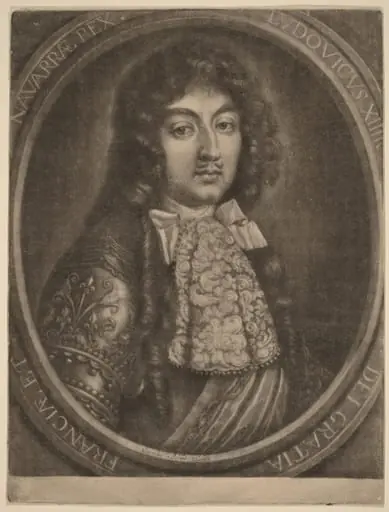 Louis XIV
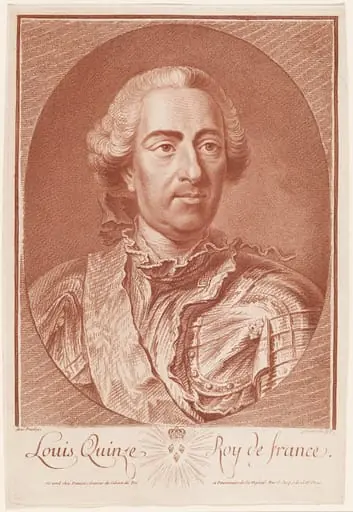 Louis Quinze, Roy de France (Louis XV)
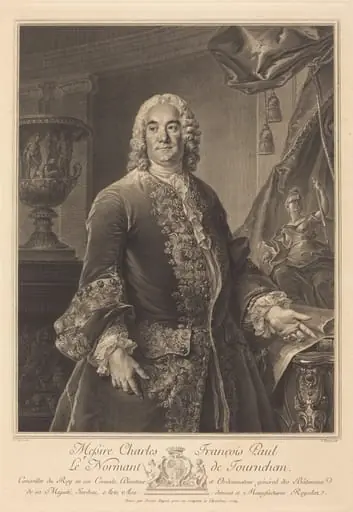 Charles Francois Paul Le Normant de Tournehem
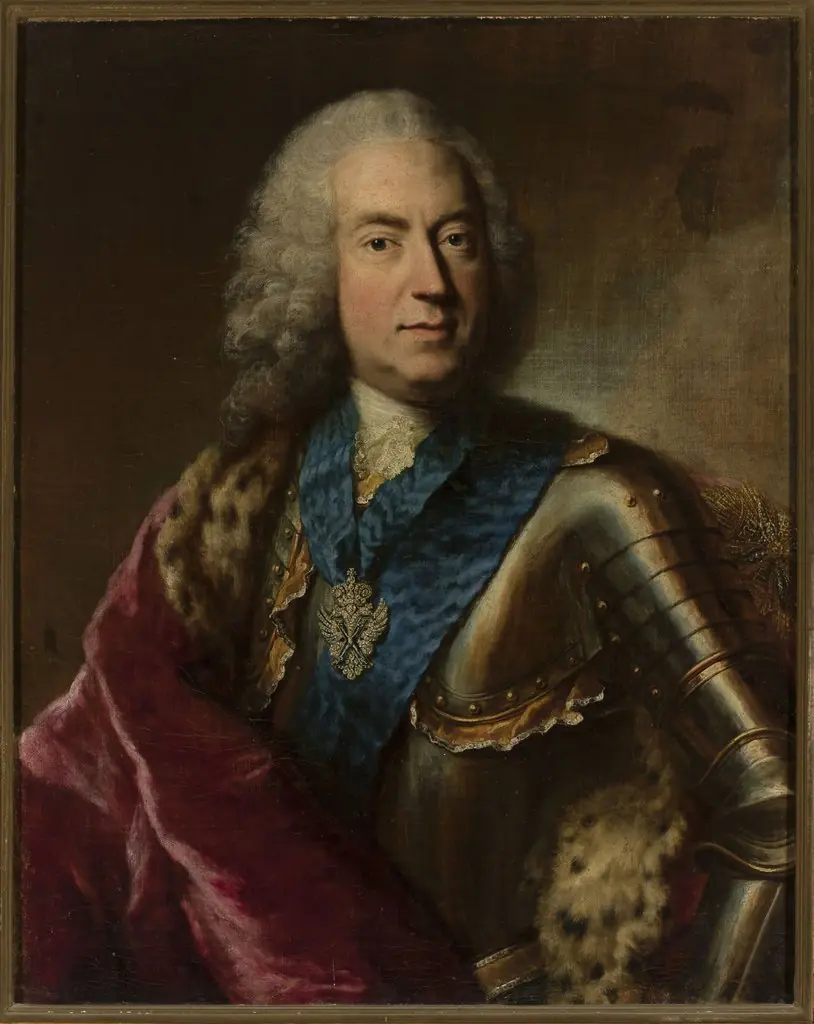 Portrait of Karl August Rex, Saxon minister
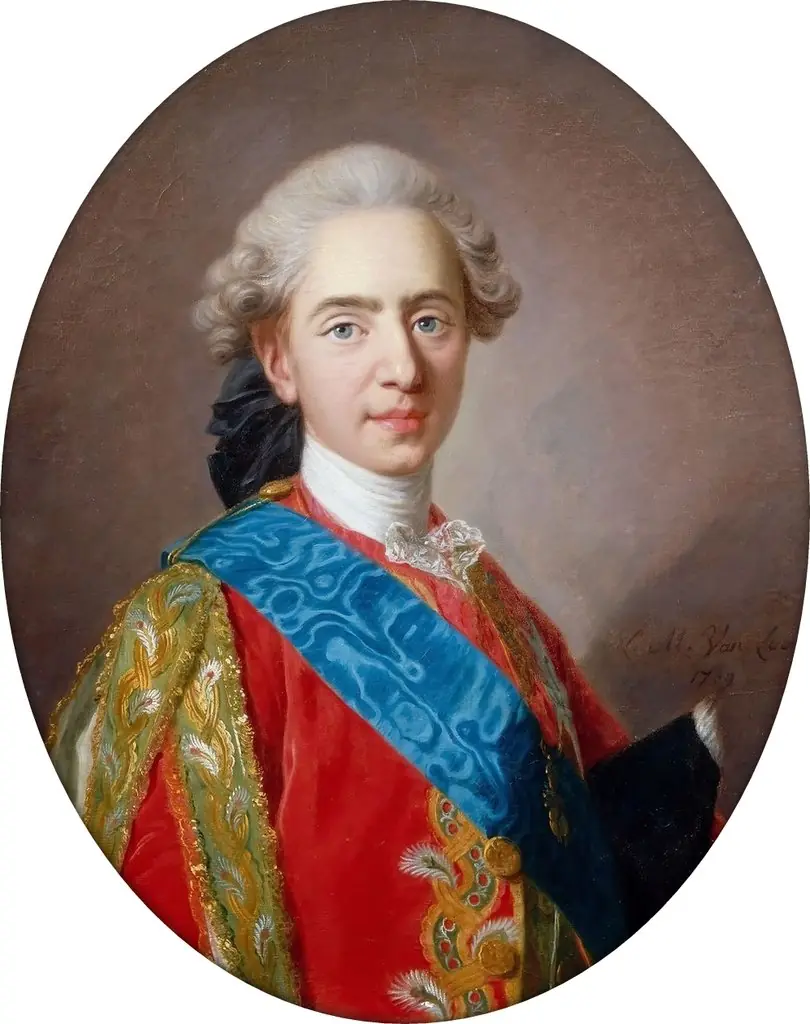 Louis XVI of France when he was the Dauphin of France.
 Clemens Franz de Paula, Sohn des Prinzen Ferdinand Maria Innocenz
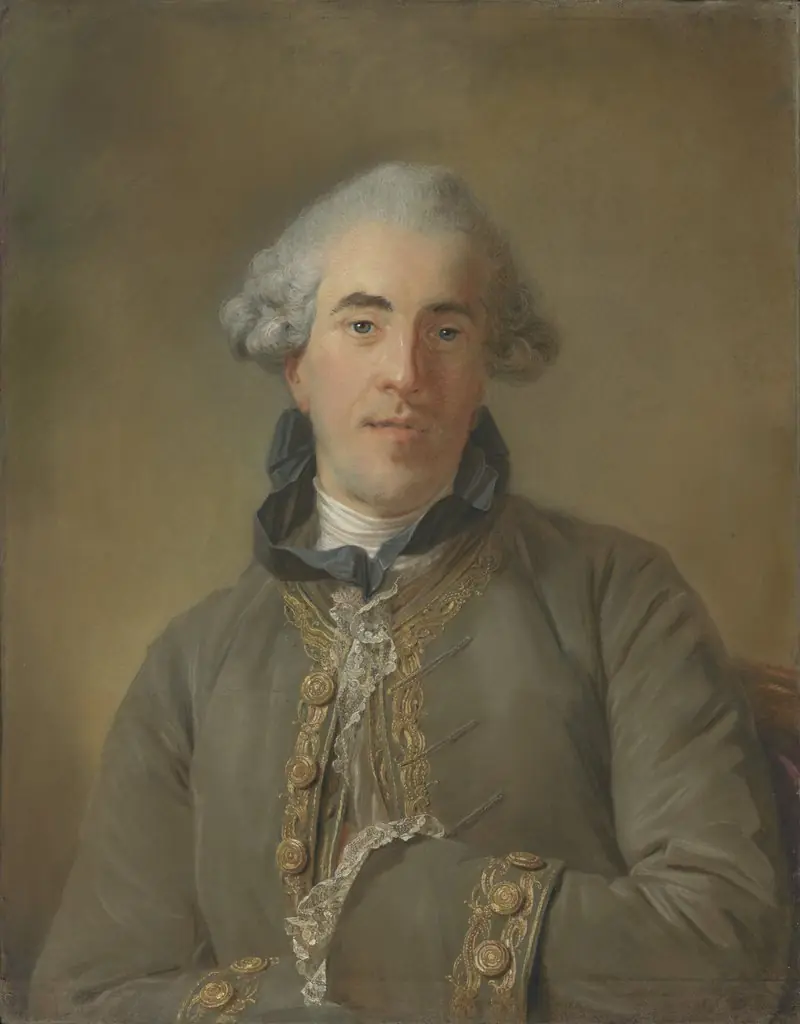 Portrait of Théophile Van Robais
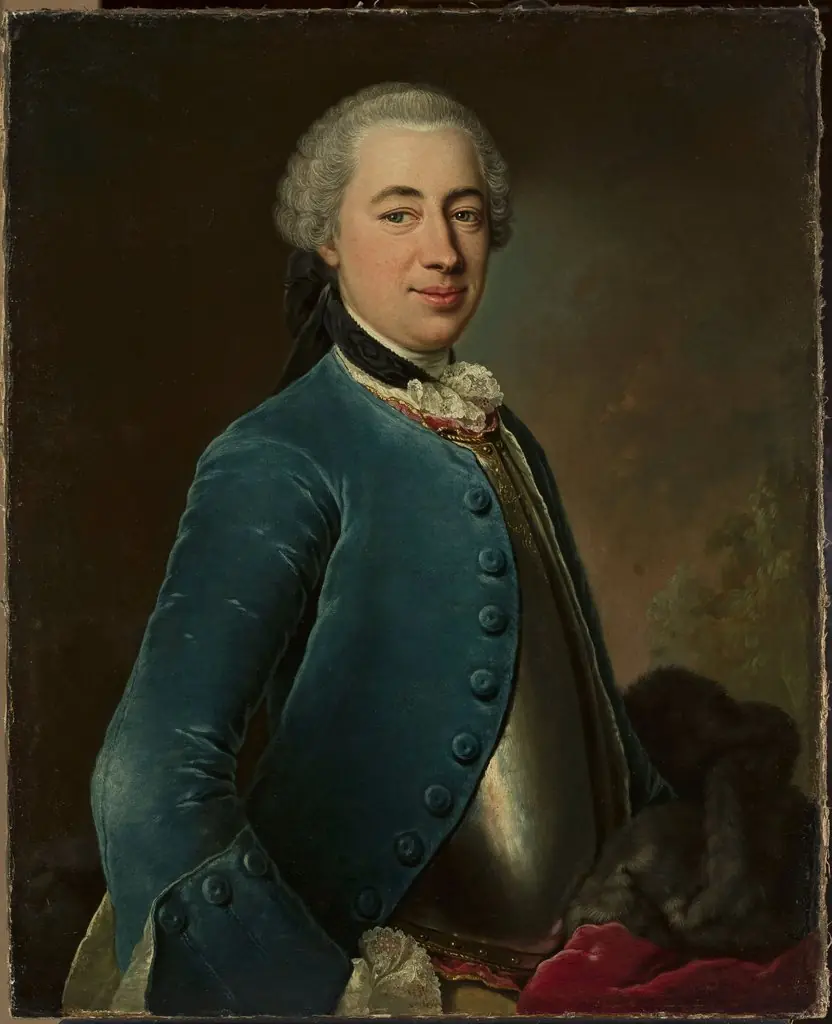 Portrait of a man in armour