Artwork
Henry IV of France
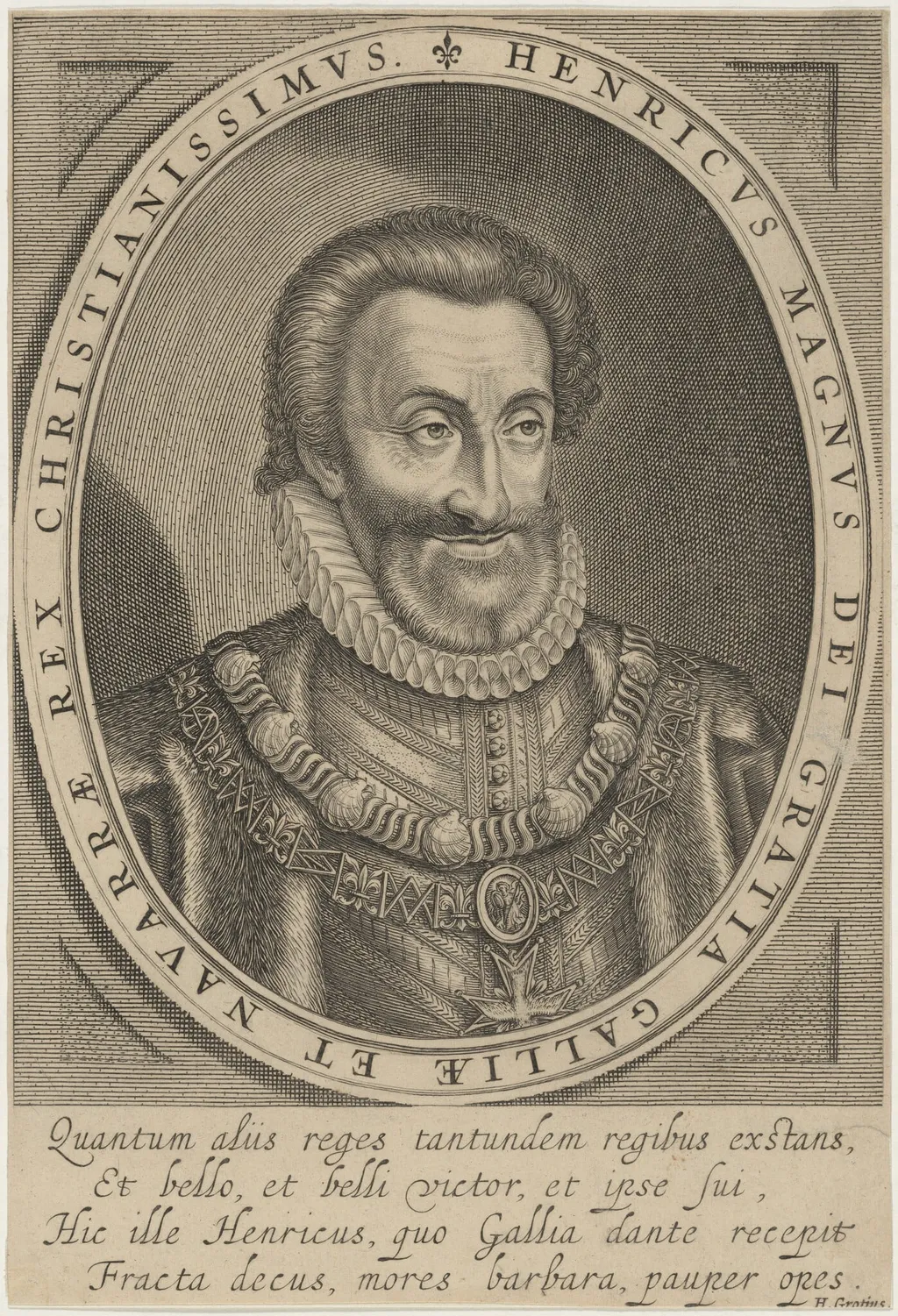
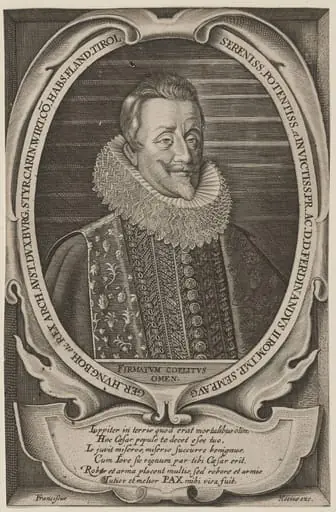
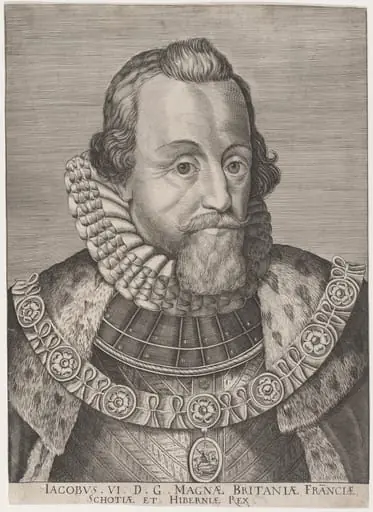
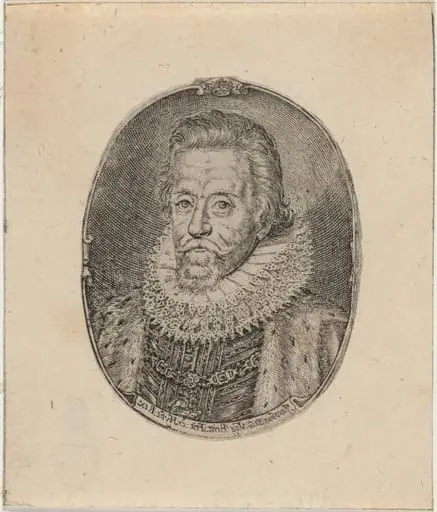
Henry IV of France is an ink print by the Baroque artist Dutch 17th Century. It dates from 1650 and is held in the collection of the National Gallery of Art.
About this work
You can learn more about this style by looking at the work of the artist: Dutch 17th Century.
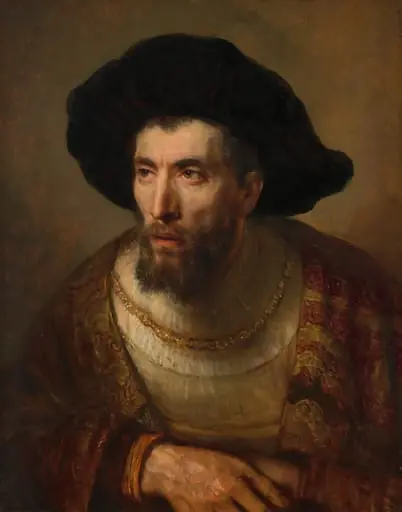
This painting shows Henry IV of France.
He's dressed in old-fashioned clothing and has a big hat.
The artist made many details, like the folds in his clothes, to make him look realistic.
The painting was made a long time ago, during the Baroque period.
It's an engraving, which means it was made by carving a design into a metal plate.
This technique was popular back then.
You can learn more about this style by looking at the work of the artist: Dutch 17th Century.
Overview
This engraving depicts Henry IV of France, created during the 17th century using the intaglio technique. The image was produced by incising lines into a metal plate, inked, and pressed onto paper—a common method for reproducing portraits in the Baroque era. Though often mistaken for a painting, its fine lines and tonal gradations reflect the precision of printmaking, not brushwork.
Subject & Meaning
Henry IV is portrayed in stylized, slightly archaic attire, including a broad-brimmed hat and ornate doublet, suggesting a deliberate reference to his earlier reign rather than contemporary fashion. The pose is formal and dignified, emphasizing his role as a unifying monarch. The image functions as a commemorative portrait, reinforcing his legacy through visual authority rather than narrative action.
Technique & Style
The engraving employs fine, controlled lines to render texture in fabric, lace, and metal accents, demonstrating mastery of the burin tool. Shading is achieved through cross-hatching, not wash or tone, typical of Dutch printmakers of the period. The composition is tightly framed, focusing attention on the figure’s face and upper body, with minimal background detail to enhance immediacy.
History & Provenance
The print likely originated in the Netherlands, where engravers frequently produced portraits of European royalty for international markets. Though the specific artist is unattributed, the style aligns with Dutch workshop practices of the early 1600s. Copies of this image circulated among collectors and institutions, serving as both political propaganda and historical record.
Context
During the Baroque period, engraved portraits of monarchs were widely distributed to affirm legitimacy and visibility across territories. Henry IV, assassinated in 1610, remained a symbol of stability in France. His image in print form helped sustain his memory among Protestant and Catholic audiences alike, especially in regions where his policies of tolerance were remembered favorably.
Legacy
This engraving exemplifies how printmaking extended the reach of royal imagery beyond painted commissions. Though not created by a named master, its technical quality reflects the broader sophistication of Dutch reproductive engraving. It remains a tangible artifact of early modern visual culture, where portraiture served political memory as much as personal representation.
Artist & collection

Artist
This Dutch artist made small, sharp engravings and etchings—mostly portraits and sea battles—printed from metal plates.