Artwork
Adam de Coster
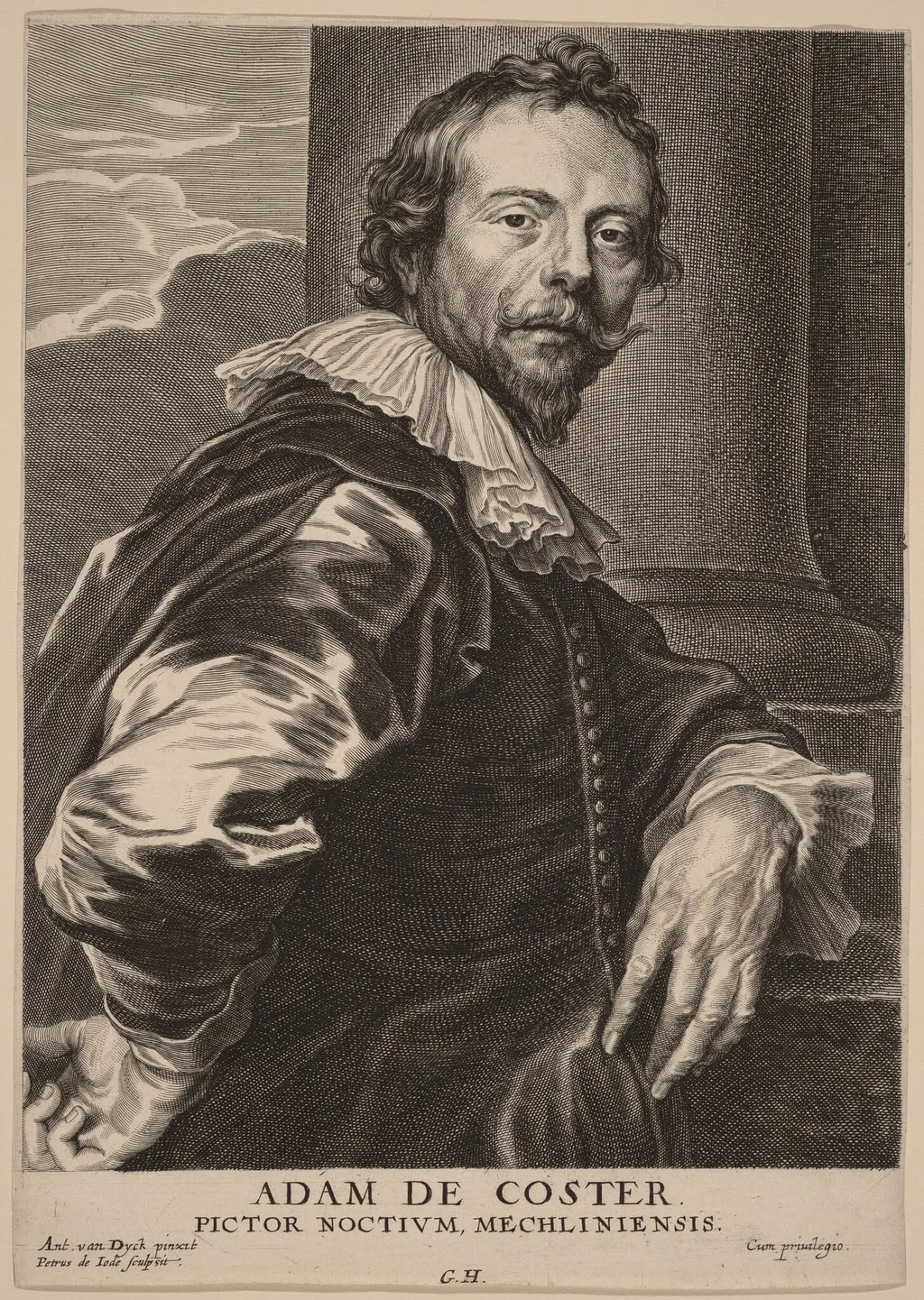
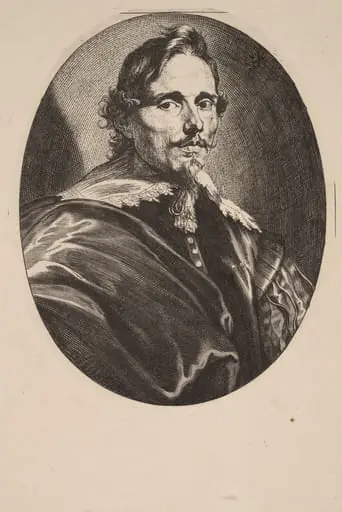
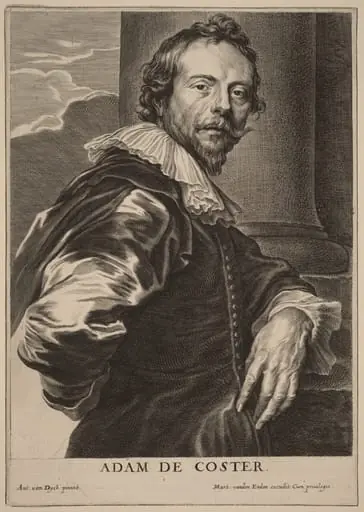
Adam de Coster is an ink print by the Baroque artist Pieter de Jode II. It dates from 1634 and is held in the collection of the National Gallery of Art.
About this work
Overview
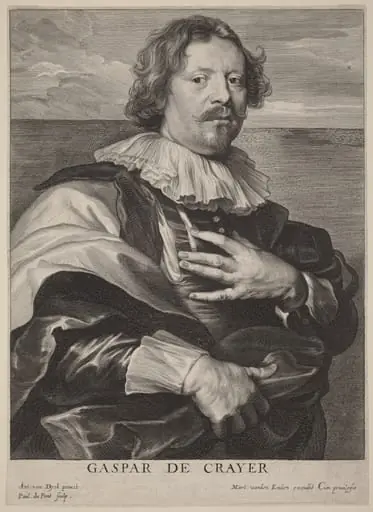
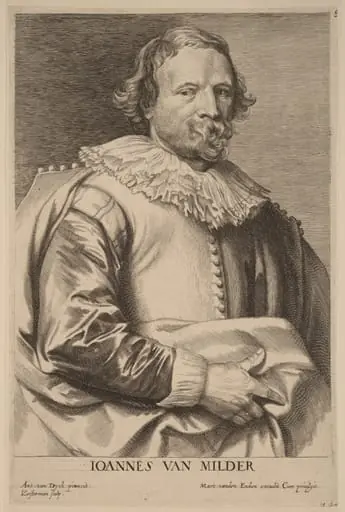
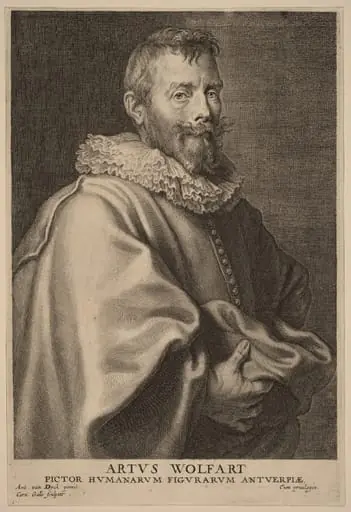
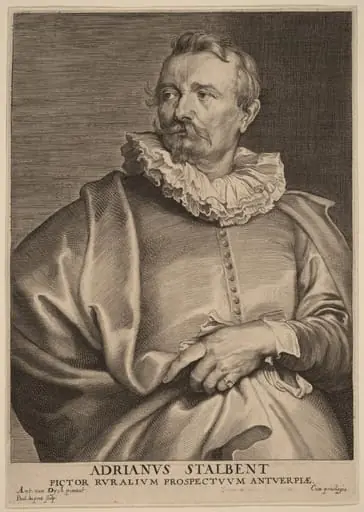
The composition is tightly focused on the sitter’s upper body, with no decorative background to distract from the detailed rendering of his features and attire.
This black-and-white print is an engraving by Pieter de Jode II, dated around 1634. It depicts Adam de Coster, a Flemish painter known for his chiaroscuro works. The image was produced by incising fine lines into a metal plate, then inked and pressed onto paper. The composition is tightly focused on the sitter’s upper body, with no decorative background to distract from the detailed rendering of his features and attire.
Subject & Meaning
Adam de Coster is portrayed with a composed, introspective demeanor. His right hand rests lightly over his chest, while his left holds a folded sheet, suggesting contemplation or professional identity. The plain background and restrained posture emphasize his status as a serious artist rather than a nobleman. The inclusion of the paper may reference his role as a creator, linking his identity to the act of making art.
Technique & Style
Pieter de Jode II employed fine, controlled lines to model form and texture, characteristic of engraved portraiture. Shading is achieved through cross-hatching and varying line density, giving volume to the ruffled collar and the folds of the shirt. The precision of the technique highlights the sitter’s facial structure and the tactile quality of fabric, demonstrating the engraver’s skill in translating three-dimensional subjects into monochrome detail.
History & Provenance
The engraving was made during de Jode’s active years in Antwerp, a center for printmaking in the early 17th century. It likely served as a reproductive portrait, circulating de Coster’s image among artists and collectors. While the original plate’s whereabouts are uncertain, impressions of this engraving survive in several European collections, attesting to its continued reproduction and distribution in the decades following its creation.
Context
In the 1630s, engraved portraits were a common means of disseminating likenesses of notable figures, especially among artists and intellectuals. De Jode, part of a family of printmakers, frequently collaborated with painters to produce such images. This work reflects the close ties between Flemish painters and engravers, who relied on prints to extend their reputations beyond local audiences.
Legacy
Though Adam de Coster’s own paintings are rare today, this engraving preserves his visual presence for later generations. As a product of a thriving print culture, it exemplifies how engraved portraits functioned as both documentation and cultural currency. The work remains a reference point for understanding the network of artistic exchange in the Southern Netherlands during the Baroque period.
Artist & collection