Artwork
Portrait of a Man Standing
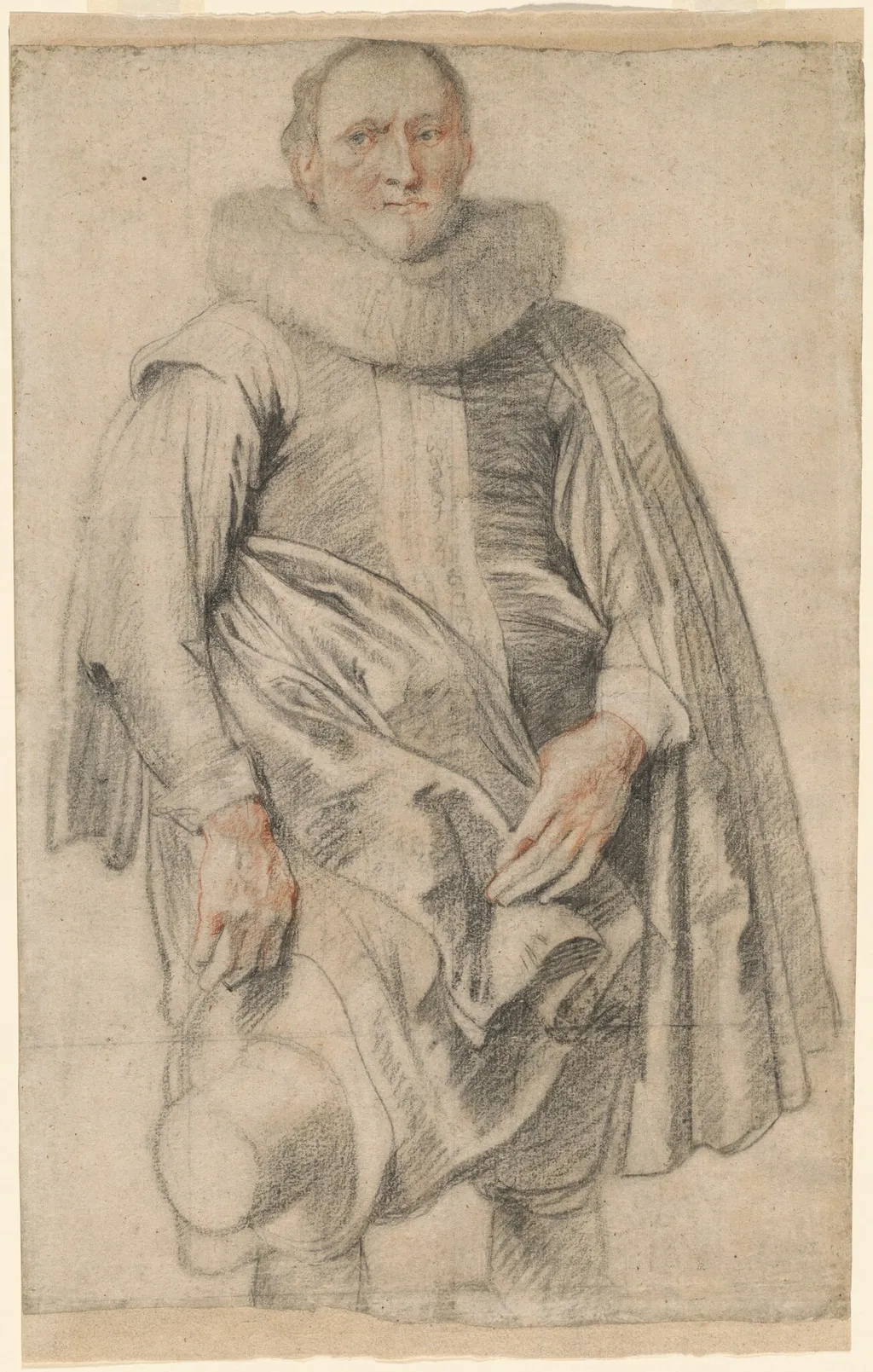
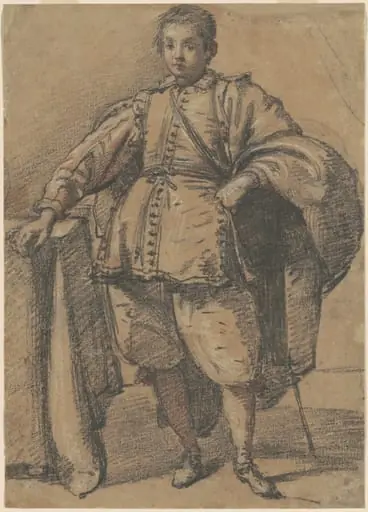
Portrait of a Man Standing is a charcoal drawing by the Baroque artist Anthony van Dyck. It dates from 1620 and is held in the collection of the National Gallery of Art. This drawing, executed around 1620, portrays a standing male figure in black and red chalk with charcoal on laid paper.
About this work
Overview
This drawing, executed around 1620, portrays a standing male figure in black and red chalk with charcoal on laid paper.
This drawing, executed around 1620, portrays a standing male figure in black and red chalk with charcoal on laid paper. The medium allows for subtle tonal gradations, emphasizing form through contrast. The subject is depicted in three-quarter view, with a composed posture and direct gaze, suggesting a quiet dignity. The work reflects the artist’s early engagement with portraiture, prior to his later prominence in courtly imagery.
Subject & Meaning
The figure, dressed in a long cloak and high-collared shirt, holds a hat in his right hand while resting his left on his hip—an attitude of restrained authority. His gaze meets the viewer without expression, avoiding theatricality. The absence of identifying symbols or context invites interpretation as a study of presence rather than a specific individual, possibly a scholar, gentleman, or minor noble.
Technique & Style
Dyck employed layered chalk and charcoal to model volume with precision, using hatching and smudging to achieve chiaroscuro effects. The texture of the laid paper enhances the softness of the shadows, while the red chalk adds warmth to the skin and fabric folds. The rendering of the collar and cloak demonstrates careful attention to materiality, aligning with Northern Renaissance traditions of detailed observation.
History & Provenance
The drawing is attributed to Anthony van Dyck from his early career in Antwerp, before his move to Italy and later England. Its survival in good condition suggests it was preserved within a collector’s circle, though its early ownership remains undocumented. It entered the National Gallery of Art’s collection in the 20th century as part of a broader acquisition of European drawings.
Context
Created during van Dyck’s formative years, this work reflects the influence of Flemish draftsmanship and Italian Renaissance portraiture. Artists of the period increasingly valued preparatory studies for their expressive potential, not merely as sketches. This piece exemplifies how portraiture was being redefined through direct observation and tonal experimentation, moving beyond rigid formalism.
Legacy
Though less known than van Dyck’s painted portraits, this drawing illustrates his early mastery of line and tone. It contributes to understanding his development as a draftsman and his role in elevating drawing as an autonomous art form. The work remains a reference for studies of 17th-century portraiture techniques and the transition from studio practice to individual expression.
Artist & collection
Artist
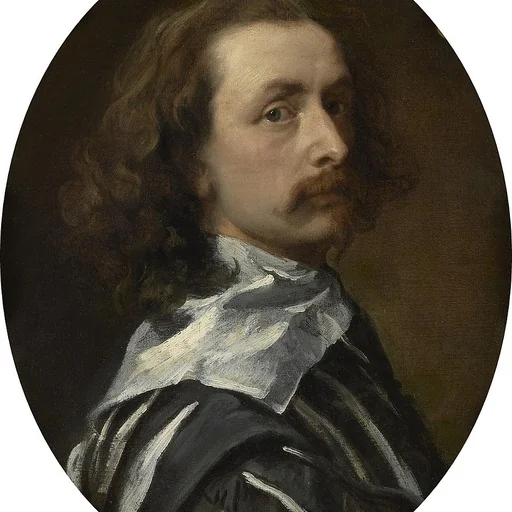
Sir Anthony van Dyck (; Dutch: Antoon van Dijck ; 22 March 1599 – 9 December 1641) was a Flemish Baroque artist, who became the leading court painter in England after success in the Spanish Netherlands and Italy.

 Portrait of a Young Nobleman
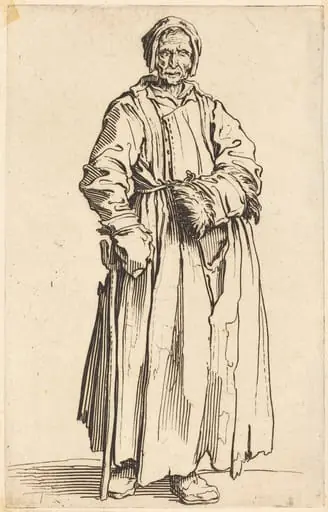
 One-Eyed Woman
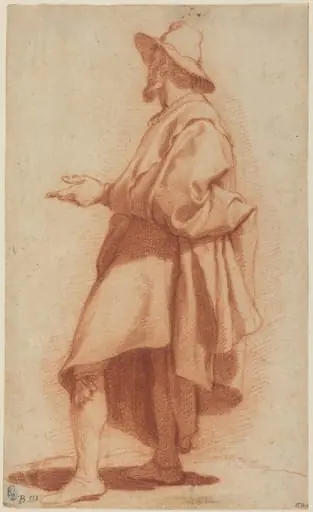 Standing Man Wearing a Cloak and Hat
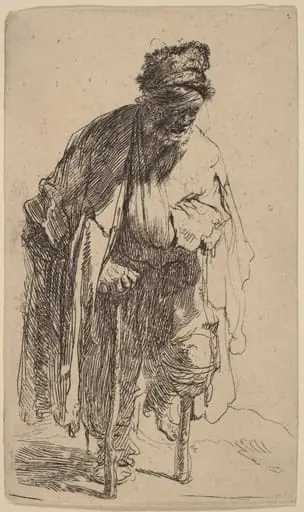 Beggar with a Wooden Leg
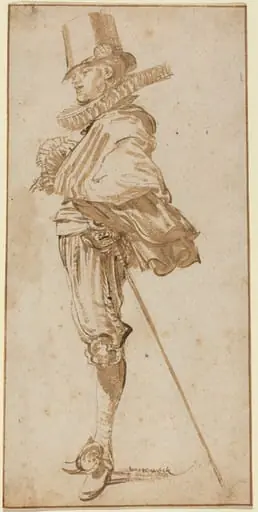 Standing Cavalier Wearing a Sword
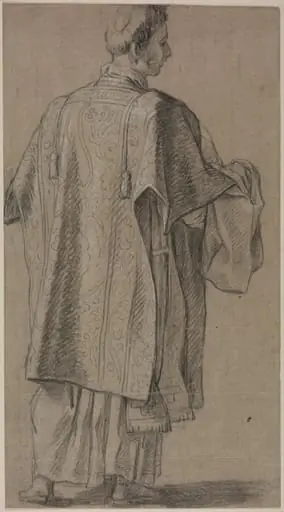 Ecclesiastic Seen from Behind
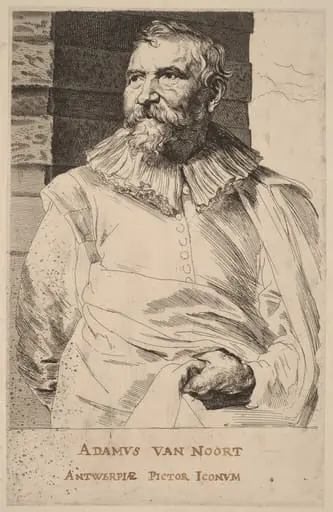 Adam van Noort
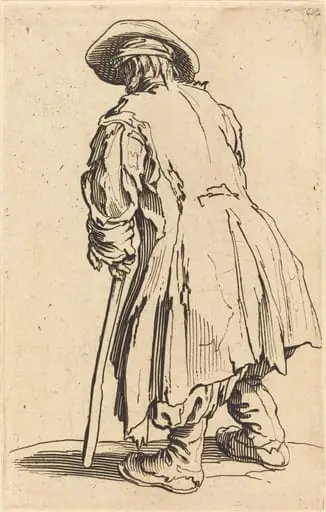 Old Beggar with One Crutch
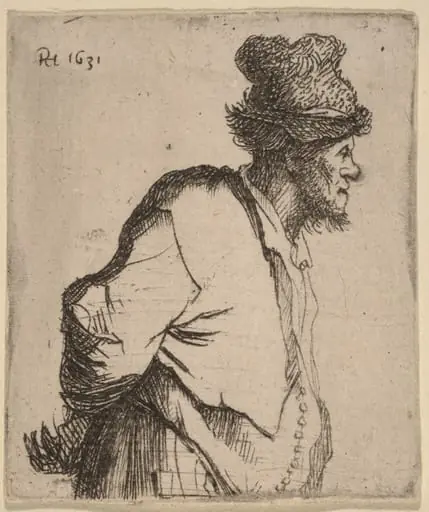 Peasant with His Hands behind His Back
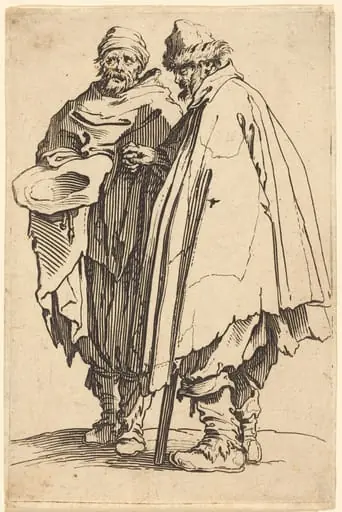 Blind Beggar and Companion
 One-Eyed Woman
 A French Gentleman Standing