Artwork
Cristóbal Colón en el convento de la Rábida (boceto)
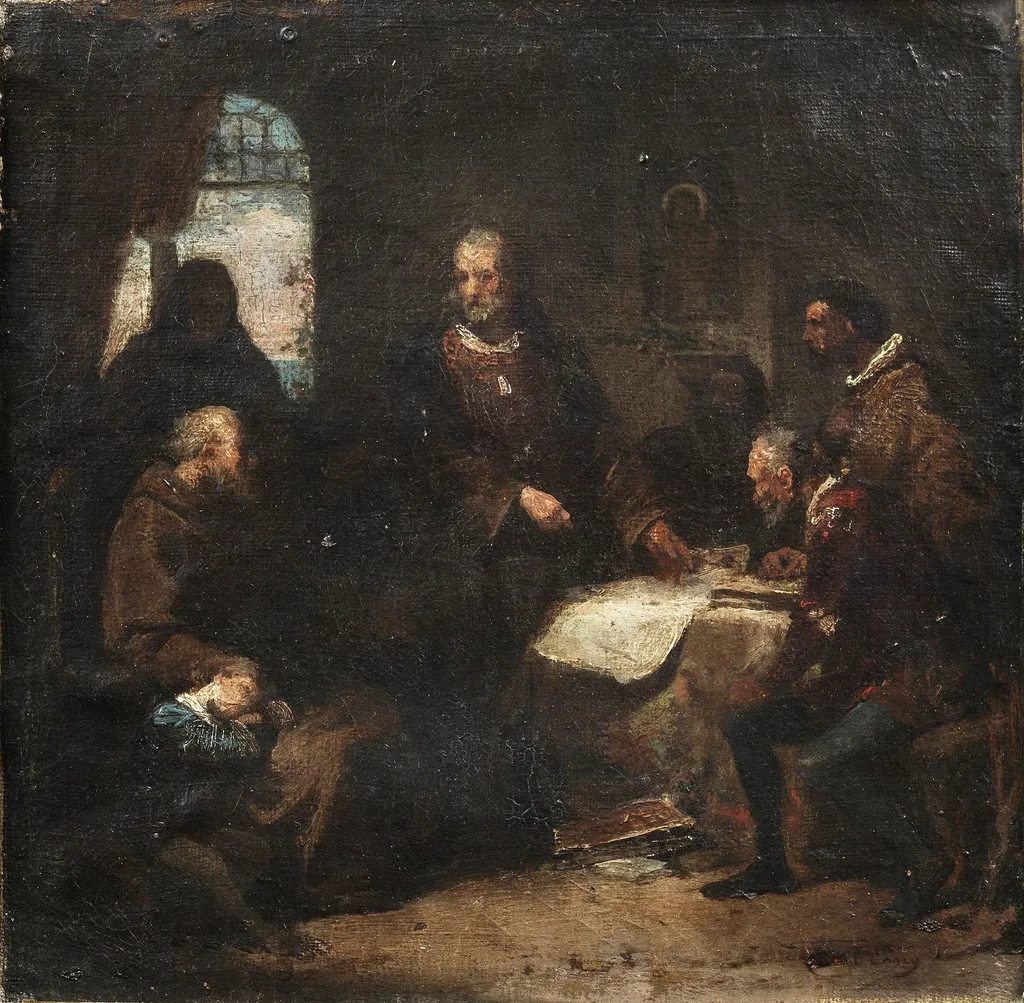
Cristóbal Colón en el convento de la Rábida (boceto) is an oil painting by Eduardo Cano. It dates from 1856 and is held in the collection of the Museo del Prado. Created in 1856, this oil sketch portrays Christopher Columbus within the walls of the La Rábida convent.
About this work
Overview
Created in 1856, this oil sketch portrays Christopher Columbus within the walls of the La Rábida convent. The composition gathers several figures around a table, their period attire suggesting a council or discussion. Light filters faintly through a distant window, casting a subdued illumination over the scene.
Subject & Meaning
The work centers on the moment Columbus sought counsel at the convent, a pivotal episode in the narrative of his voyages. By situating the explorer among monks and patrons, the painting emphasizes the collaborative and contemplative nature of his preparations.
Technique & Style
Executed in oil, the sketch employs a muted palette: warm, earthy hues model the figures, while cooler tones recede into the background. The contrast between light and shadow creates depth, and the loose brushwork typical of a study conveys immediacy and introspection.
History & Provenance
The piece was produced by Spanish Romantic painter Eduardo Cano, noted for his historical subjects. It entered the collection of the Museo del Prado, where it remains part of the institution’s holdings of 19th‑century Spanish art.
Artist & collection
Artist
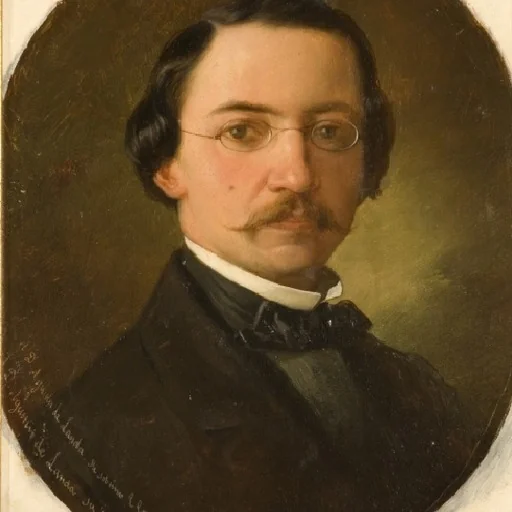
Eduardo Cano de la Peña (1823, Madrid - 4 April 1897, Seville) was a Spanish painter in the Romantic style; specializing in historical scenes.

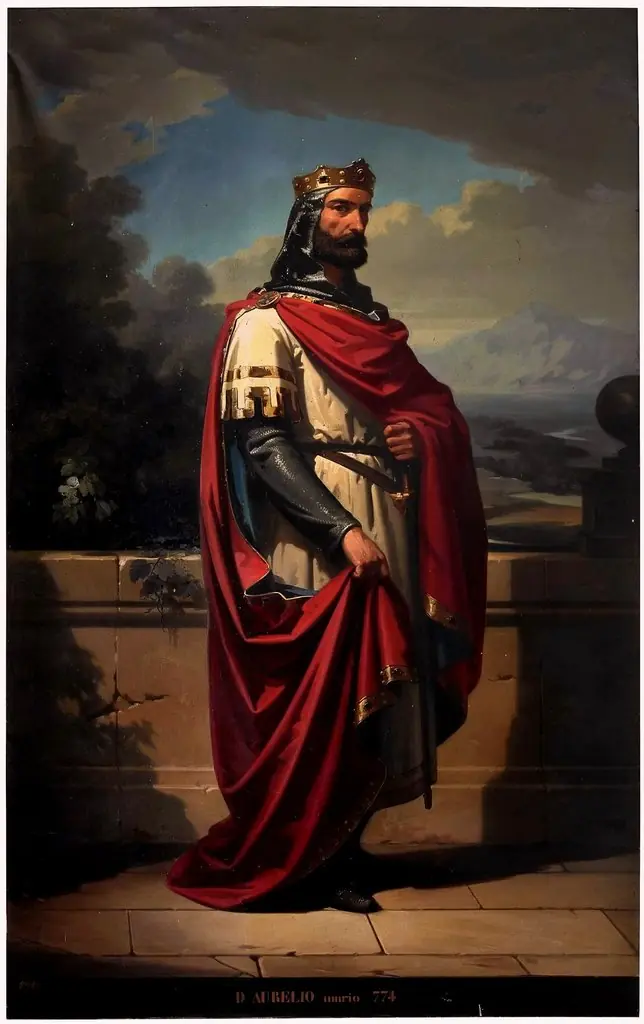 Aurelio
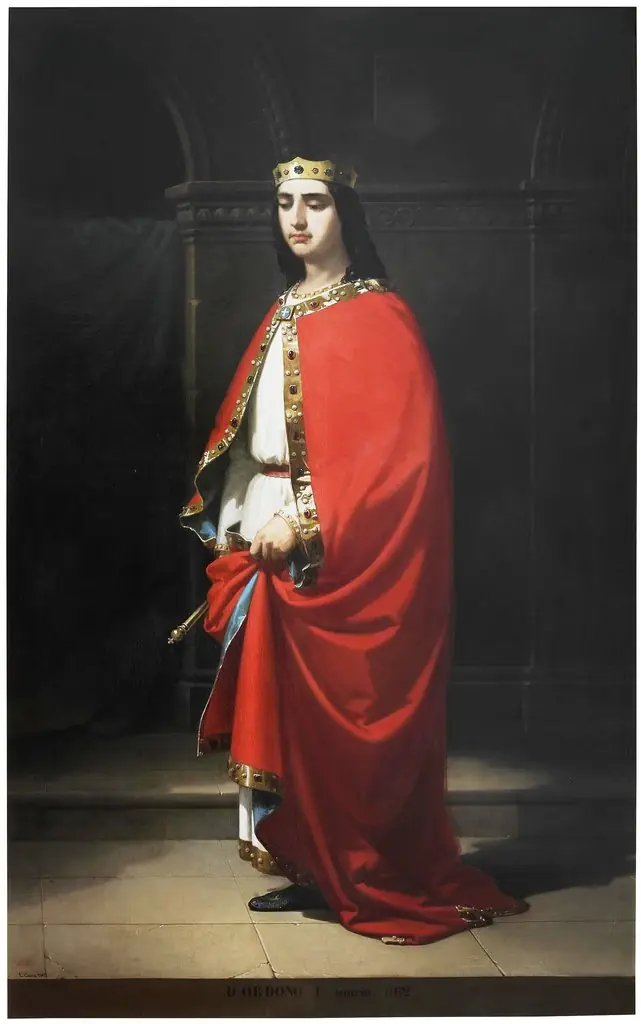 Ordoño I
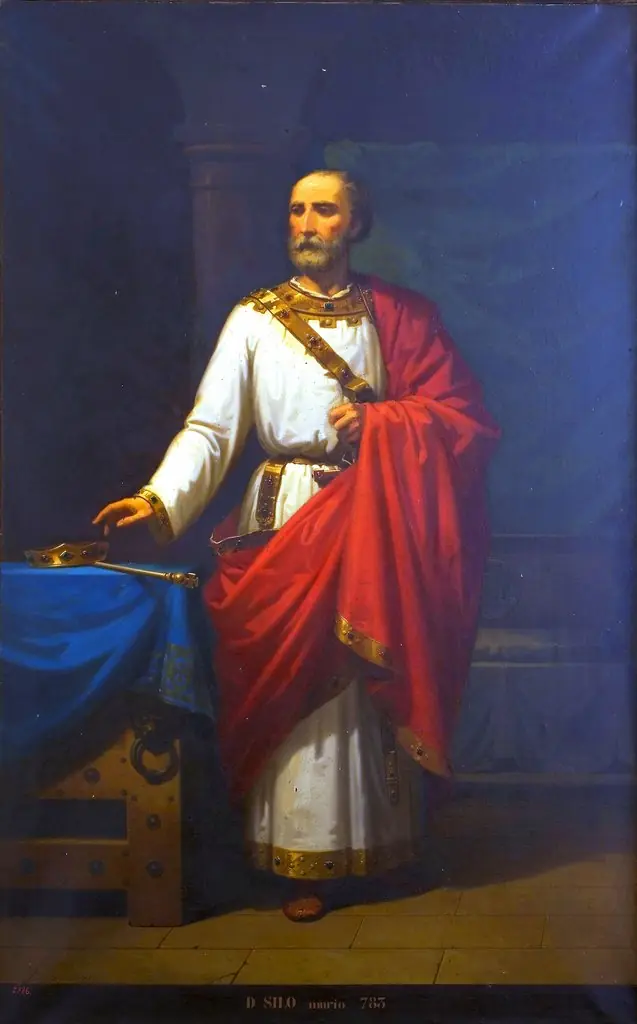 Silo
Silo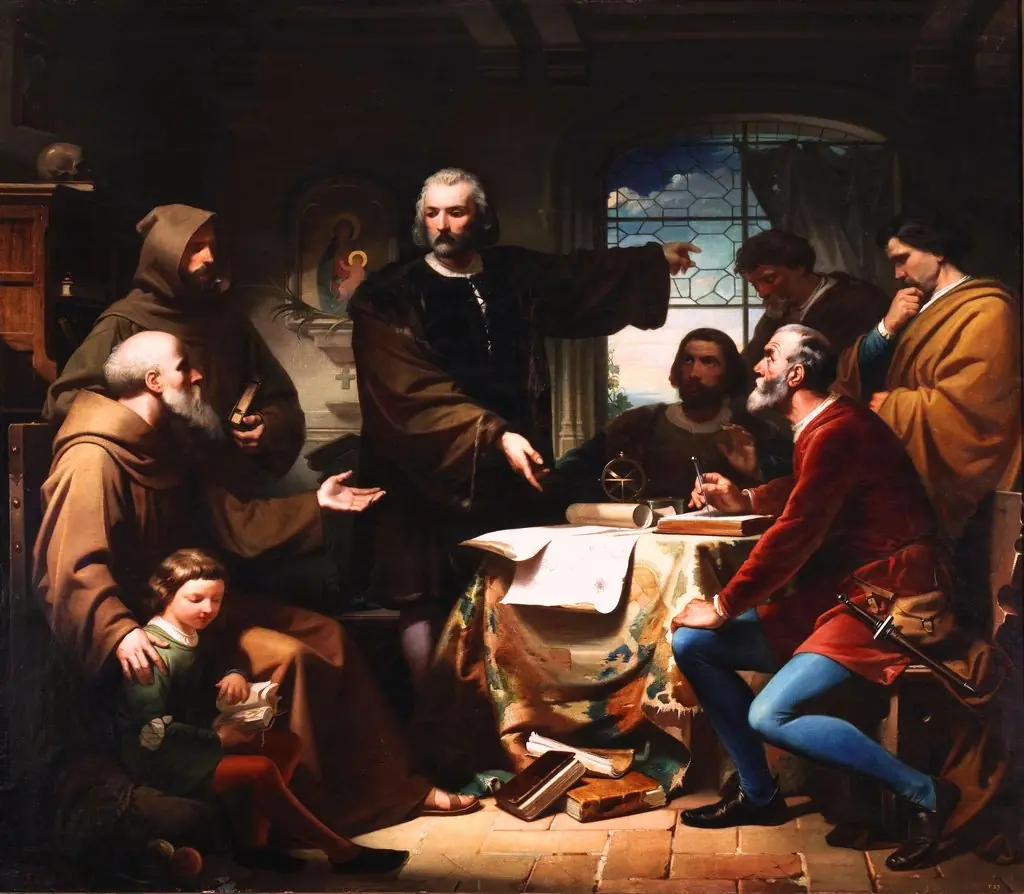 Christopher Columbus in the Convent of La Rábida
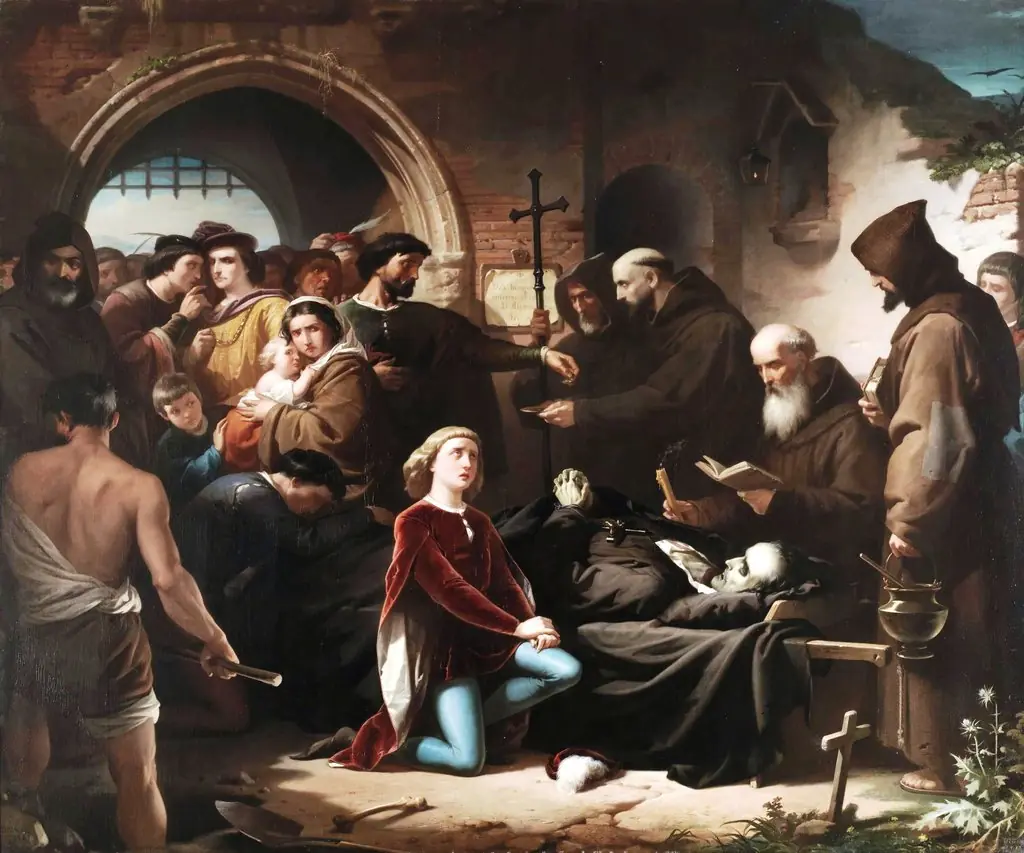 Don Álvaro de Luna condestable y favorito del rey D. Juan II de Castilla decapitado públicamente en la Plaza Mayor de Valladolid el 2 de junio de 1453 es enterrado de limosna en el cementerio de los ajusticiados extramuros de dicha ciudad
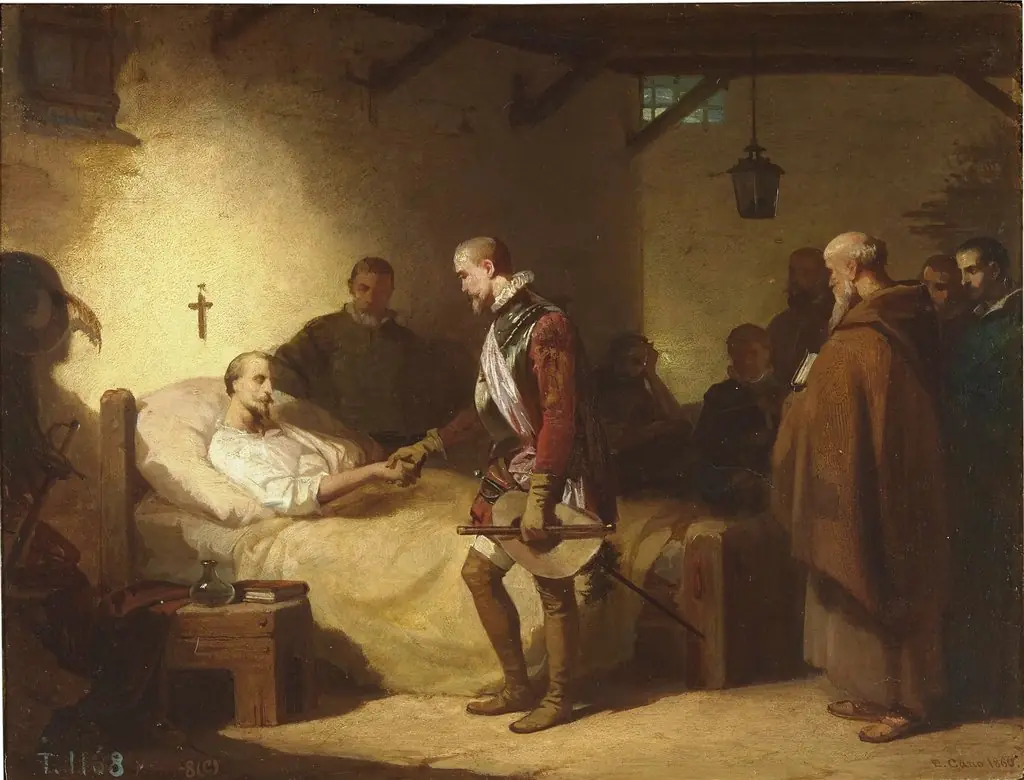 Cervantes y don Juan de Austria
 Rafael Colón y Borrego
 Alfonso IV el Monje, rey de León
 The Monk's Library
 Christ at Emmaus
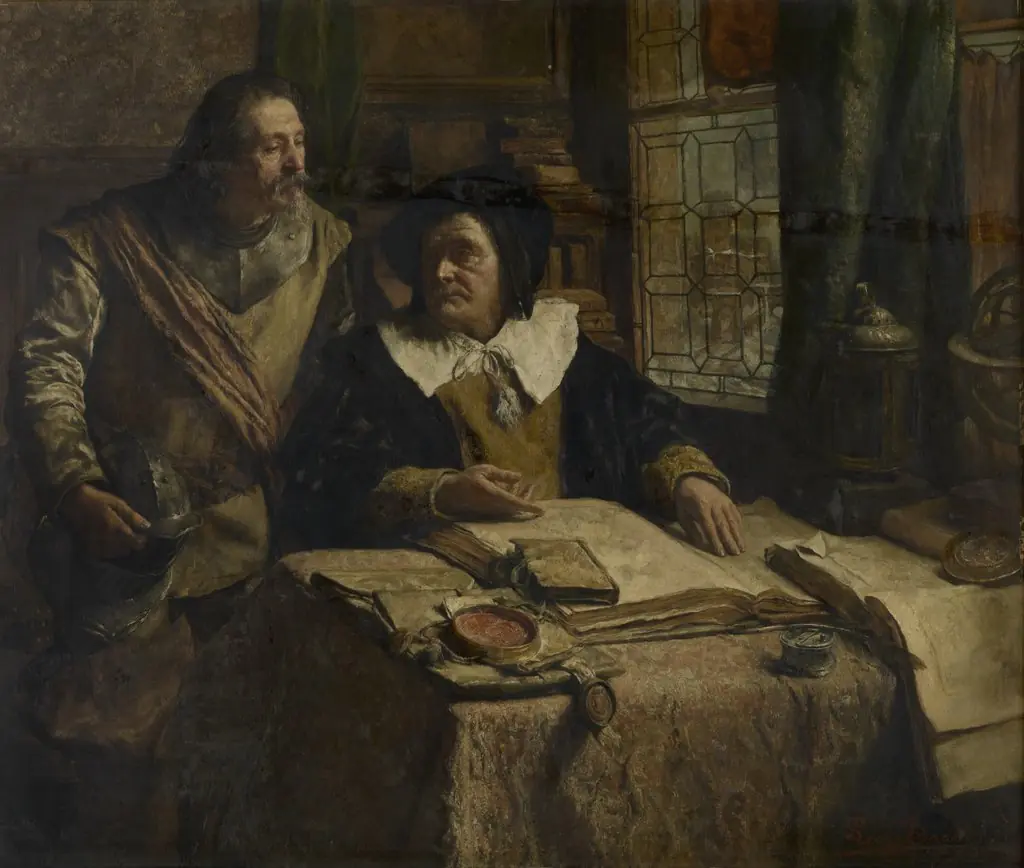 The Geographer
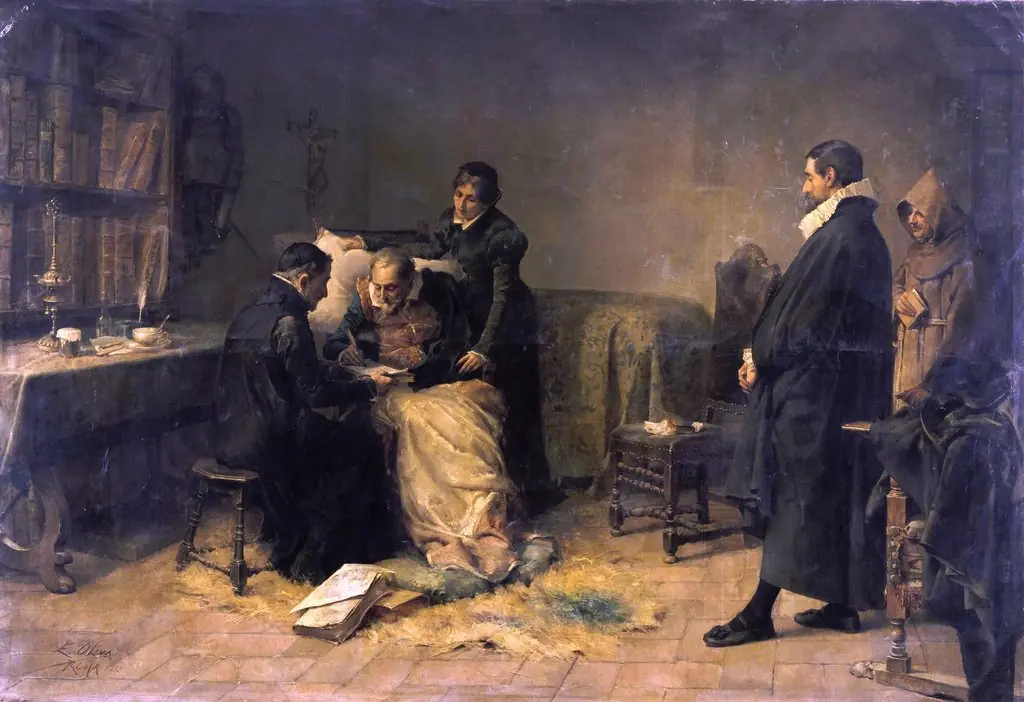 Cervantes en sus últimos días escribe la dedicatoria del Quijote al conde de Lemos
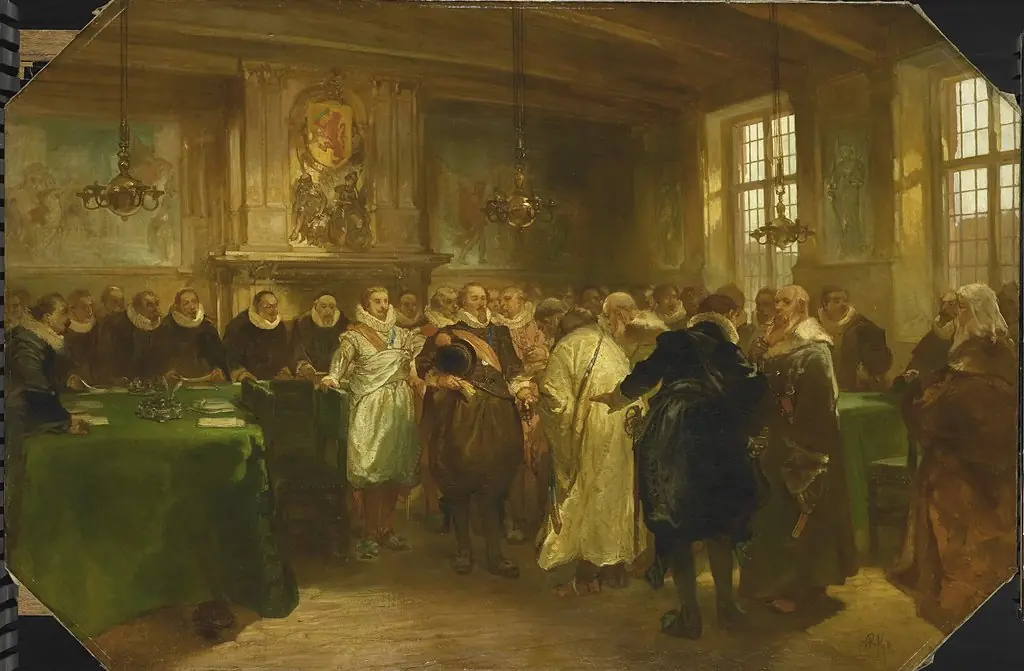 Prince Maurits Receiving a Russian Delegation in 1614
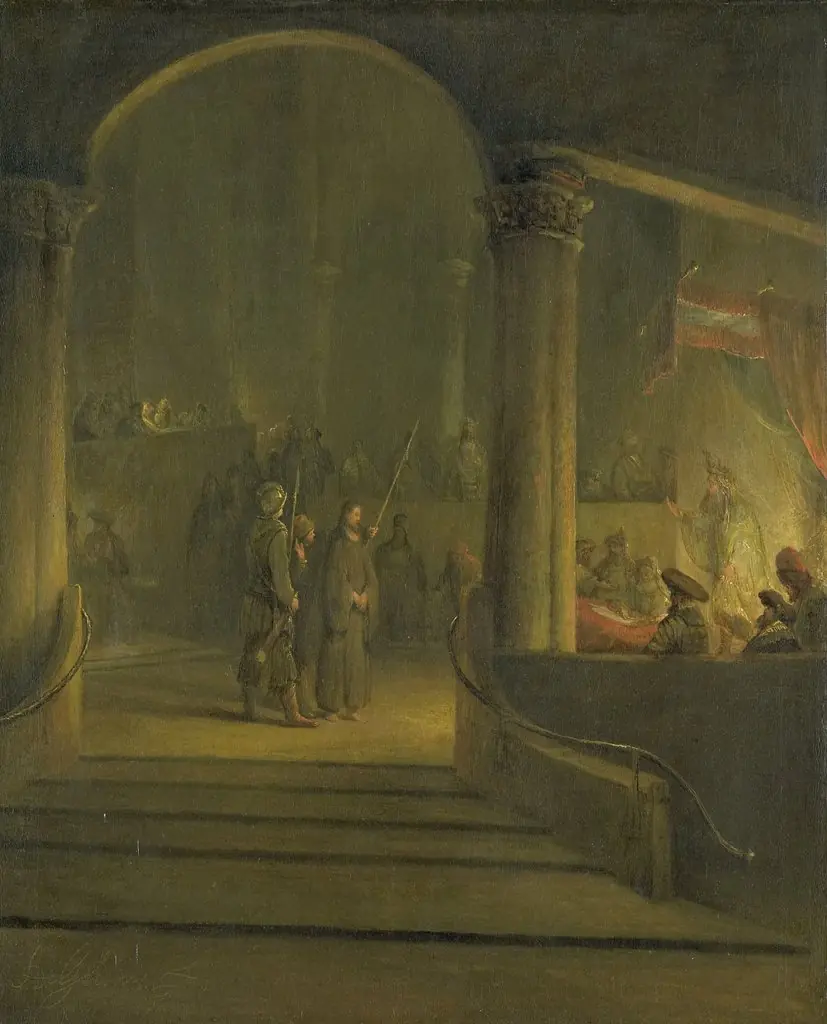 Christ before Caiphas
 Presentation to the temple
 Interior with Armed Men and a Family Group
 Tavern Scene
 Examining Antique Arms
 Meinungsdifferenzen
 Scene in an interior: playing dice