Artwork
Don Álvaro de Luna condestable y favorito del rey D. Juan II de Castilla decapitado públicamente en la Plaza Mayor de Valladolid el 2 de junio de 1453 es enterrado de limosna en el cementerio de los ajusticiados extramuros de dicha ciudad
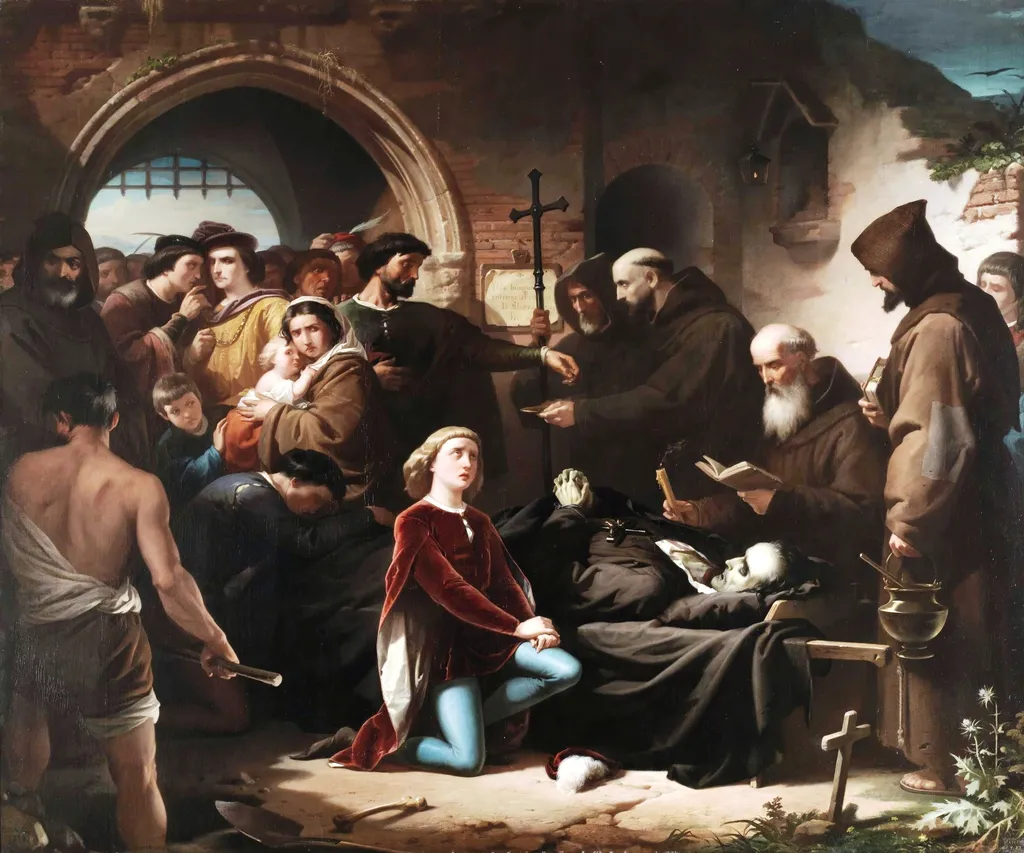
Don Álvaro de Luna condestable y favorito del rey D. Juan II de Castilla decapitado públicamente en la Plaza Mayor de Valladolid el 2 de junio de 1453 es enterrado de limosna en el cementerio de los ajusticiados extramuros de dicha ciudad is an oil painting by Eduardo Cano. It dates from 1858 and is held in the collection of the Museo del Prado.
About this work
Overview
Cano’s composition emphasizes solemnity through restrained gestures and a muted palette, avoiding theatricality while preserving historical gravity.
Painted in 1858 by Spanish artist Eduardo Cano, this oil work portrays the post-execution burial of Álvaro de Luna, former constable of Castile. The scene captures the moment his body is laid to rest in a public cemetery outside Valladolid, following his public beheading in 1453. Cano’s composition emphasizes solemnity through restrained gestures and a muted palette, avoiding theatricality while preserving historical gravity.
Subject & Meaning
The painting depicts Álvaro de Luna, a once-powerful nobleman fallen from favor, lying lifeless in dark robes with a white beard. Around him, mourners kneel and stand in quiet reverence, their postures suggesting both grief and the social isolation of the executed. The prominent cross in the background underscores the religious framing of his death, while the lack of royal or noble figures signals his political abandonment.
Technique & Style
Cano employs oil paint with careful attention to texture and detail, particularly in the folds of clothing and the texture of skin. Chiaroscuro is used to model the figures, drawing focus to the body and the kneeling figure in red and blue who gazes upward. The arched doorway frames the scene, guiding the viewer’s eye toward the cross and reinforcing the spatial and symbolic isolation of the burial site.
History & Provenance
The painting was completed in 1858 and entered the collection of the Museo del Prado in Madrid, where it remains. It reflects 19th-century Spanish Romanticism’s interest in national history and tragic figures. Cano, known for historical subjects, drew from documented accounts of Luna’s execution and burial, translating them into a visually restrained yet emotionally charged narrative.
Context
Álvaro de Luna’s execution in 1453 marked the culmination of political rivalries at the court of Juan II of Castile. Once the king’s closest advisor, his fall was swift and brutal, symbolizing the volatility of royal favor. By the 19th century, his story had become a symbol of fallen grandeur, resonating with Romantic artists seeking to explore power, betrayal, and mortality.
Legacy
Cano’s painting contributes to a 19th-century revival of interest in Castilian historical figures, particularly those whose lives ended in disgrace. While not widely exhibited, it remains a significant example of how Romantic painters reinterpreted medieval tragedies through a lens of moral and emotional gravity, preserving historical memory without glorification.
Own this work as a print
Artist & collection
Artist
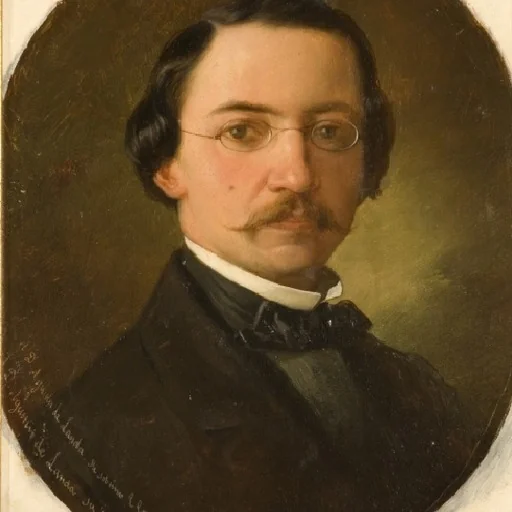
Eduardo Cano de la Peña (1823, Madrid - 4 April 1897, Seville) was a Spanish painter in the Romantic style; specializing in historical scenes.

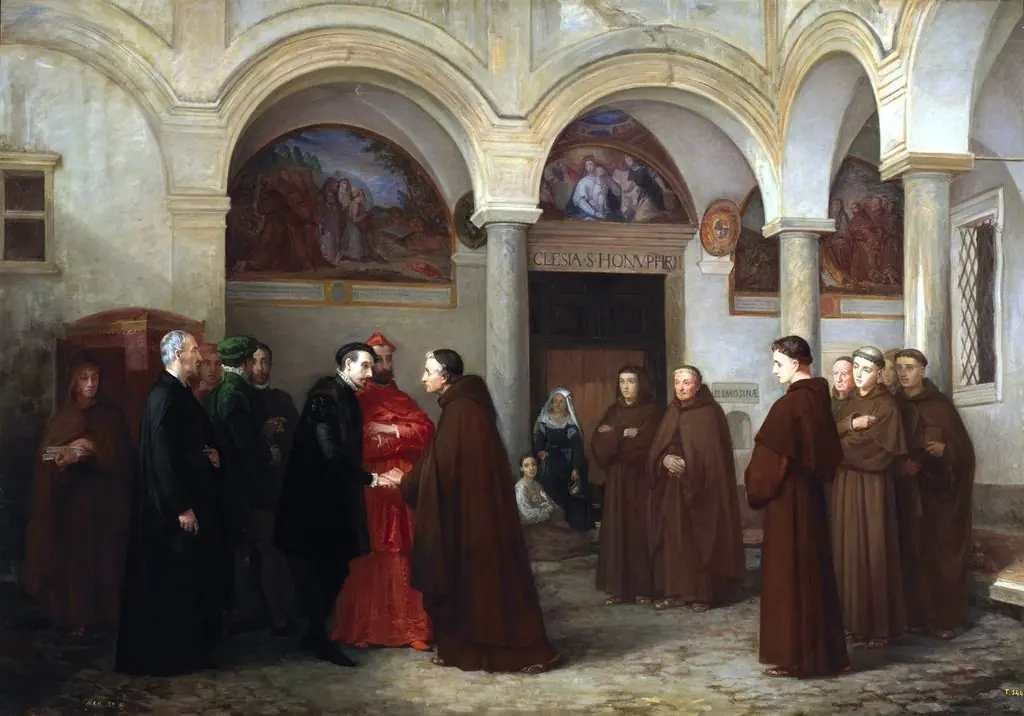 Torcuato Tasso se retira al convento de San Onofre en el Janículo
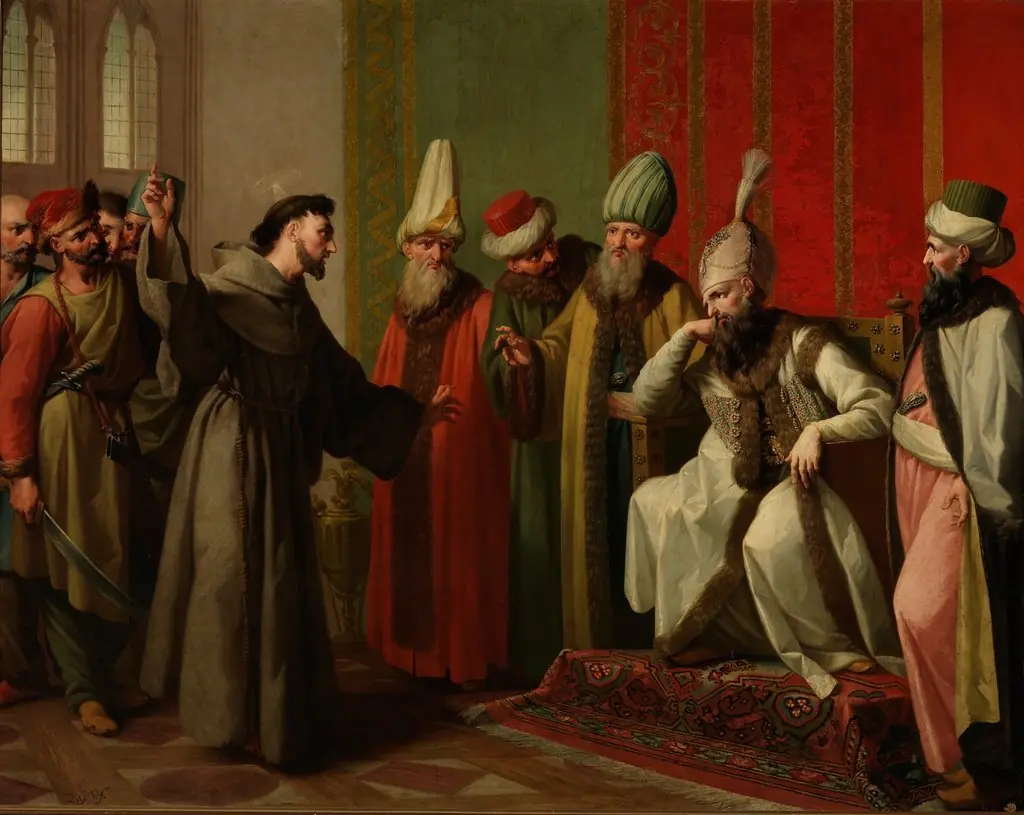 San Francisco ante el sultán de Egipto Malec-el-Kamal
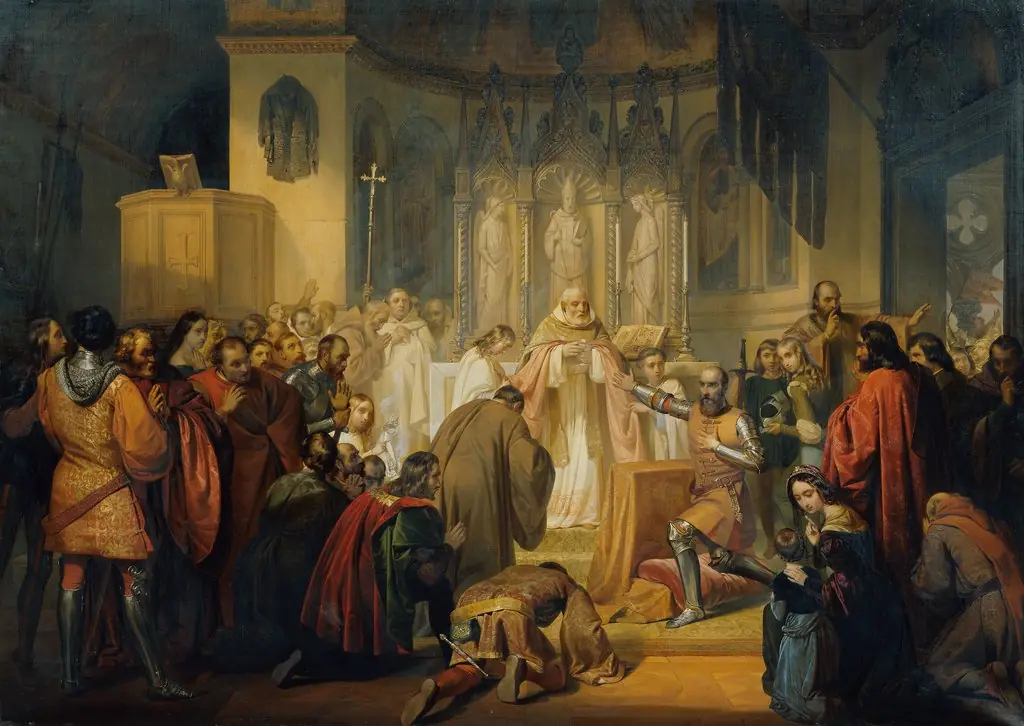 Vittore Pisani receives Holy Communion before taking command of an expedition against the Genoese
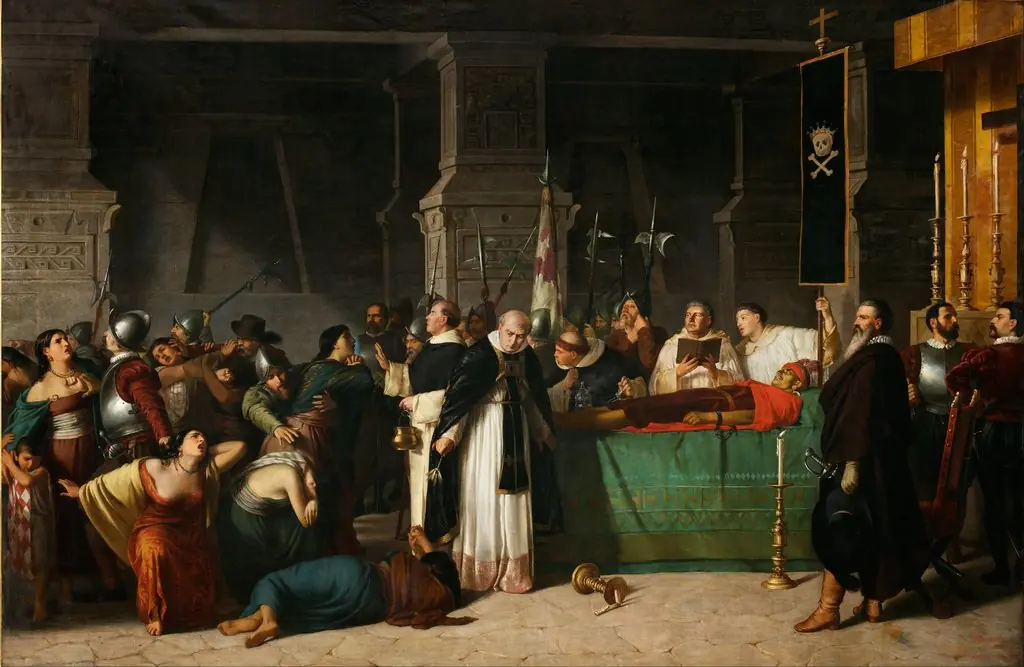 The Funerals of Inca Atahualpa
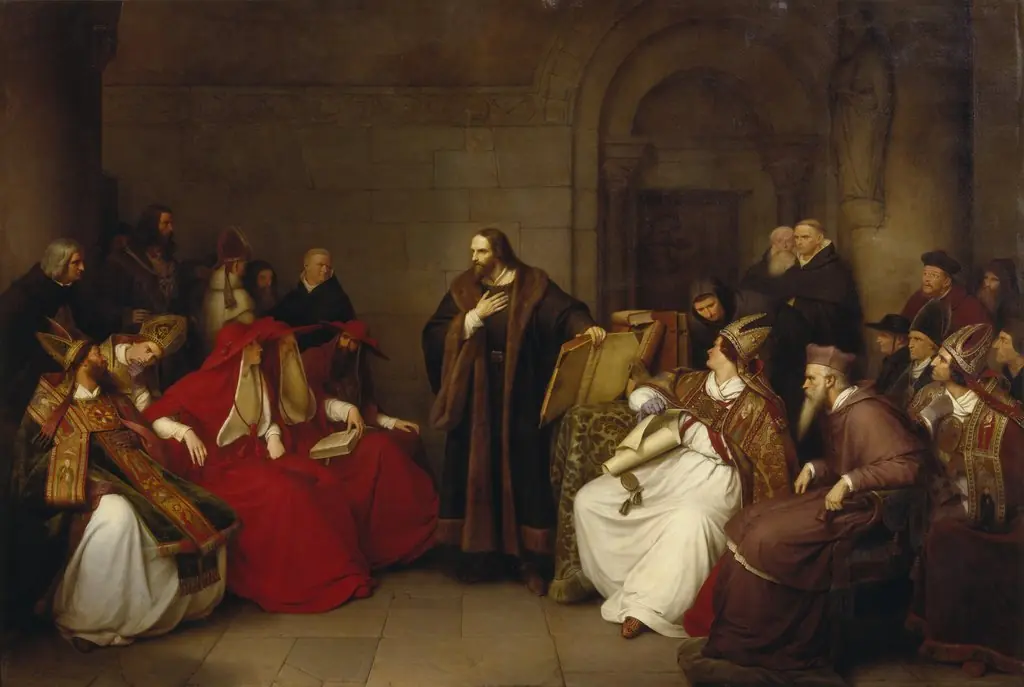 Jan Hus at Constance
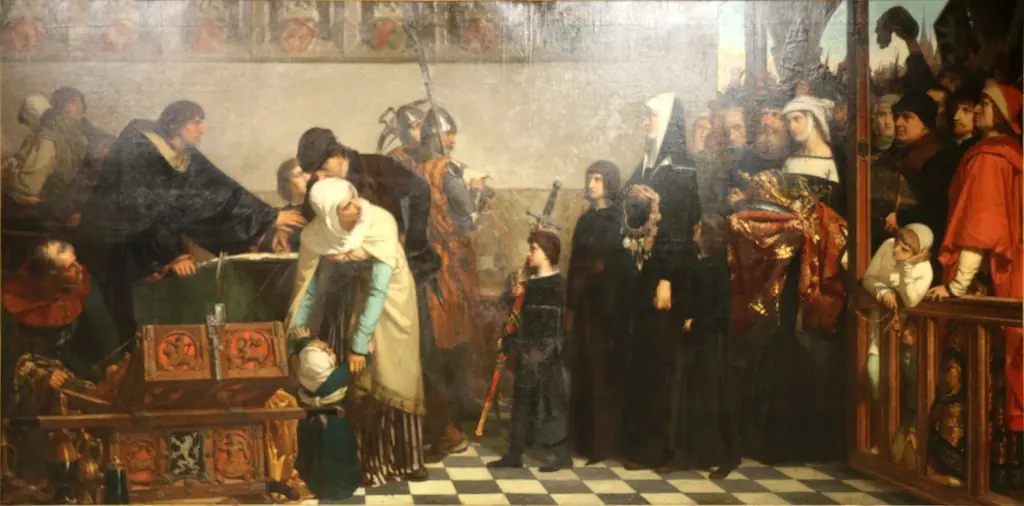 Offering to the fatherland by the Widow of Jacob van Artevelde
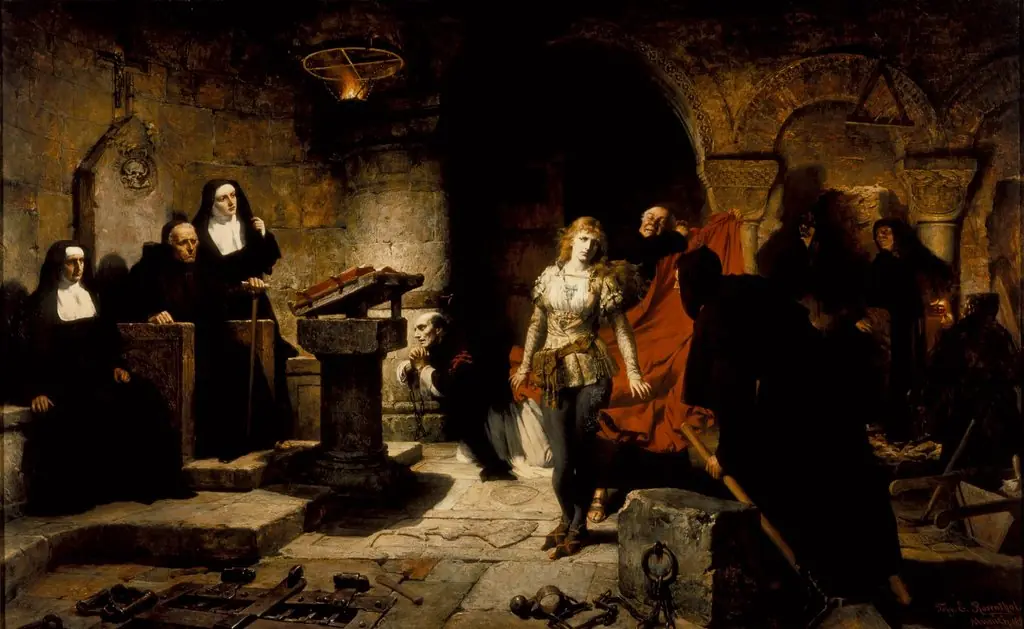 The Trial of Constance de Beverly
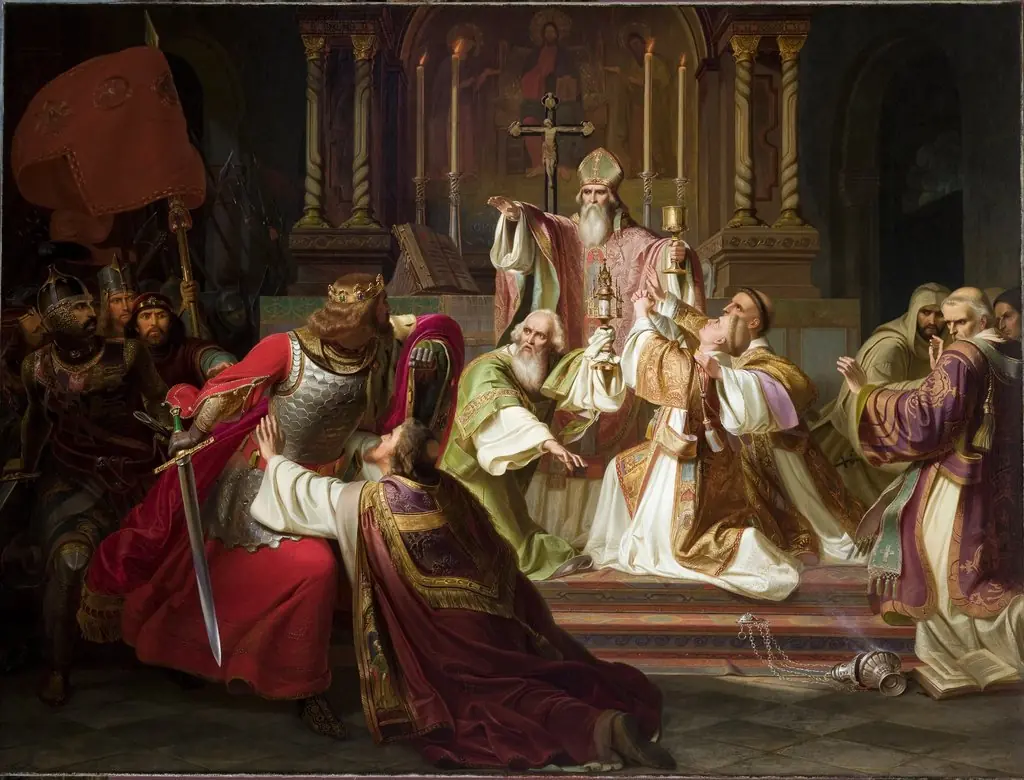 Bishop Stanisław Szczepanowski Putting a Curse on King Bolesław Śmiały