Artwork
Cervantes y don Juan de Austria
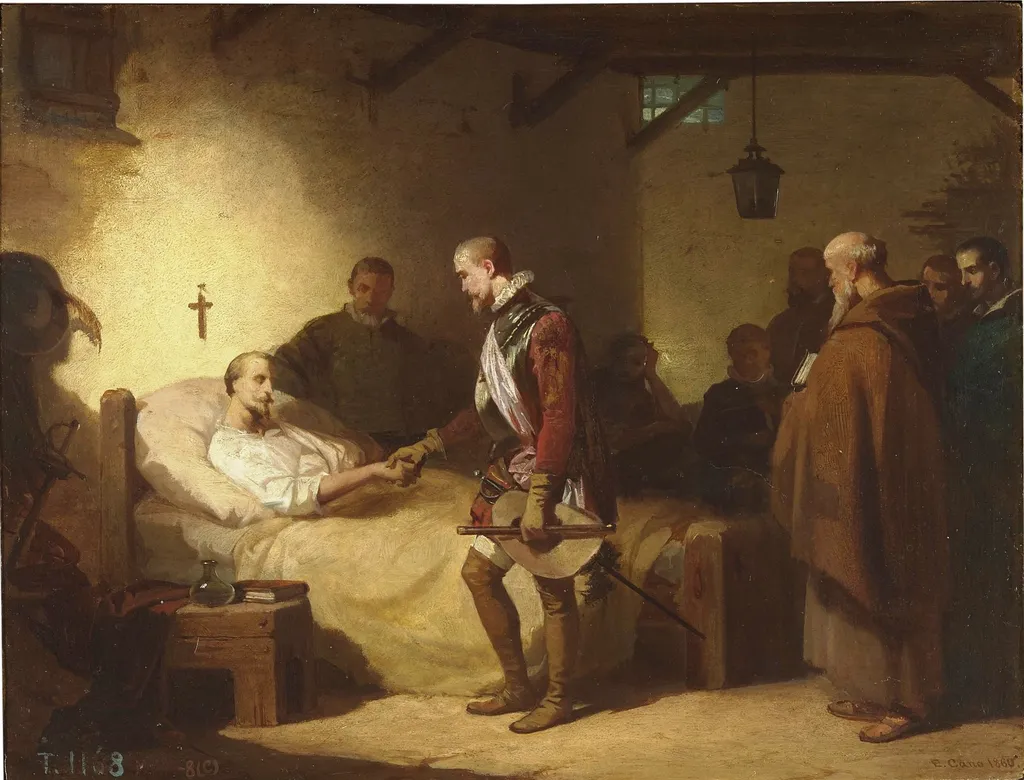
Cervantes y don Juan de Austria is an oil painting by Eduardo Cano. It dates from 1860 and is held in the collection of the Museo del Prado.
About this work
Overview
Cervantes y don Juan de Austria is an 1860 oil painting by Spanish Romantic artist Eduardo Cano. The work captures a poignant, intimate moment, contrasting with Cano's typical grand historical scenes, instead focusing on a personal, contemplative tableau.
Subject & Meaning
The painting portrays a sick or injured man in a bed, identified as Cervantes, surrounded by attendants, including a figure in a red and white uniform, likely don Juan de Austria. The scene conveys a sense of solemnity and reflection, underscored by the religious symbol of a cross on the wall.
Technique & Style
Cano employs chiaroscuro to create dramatic depth, with a lantern's warm glow illuminating the central figure against a dimly lit, stone-walled room. This use of light and shadow enhances the somber, contemplative atmosphere.
History & Provenance
Created in 1860 by Eduardo Cano (1823-), a Madrid-born, Seville-based painter known for historical themes, the painting is now part of the Museo del Prado's collection.
Context
While Cano often depicted large-scale historical scenes, this work reflects the Romantic era's interest in emotional, personal narratives, potentially linking Cervantes' plight to the artist's exploration of vulnerability and mortality.
Legacy
As part of the Prado's collection, *Cervantes y don Juan de Austria* contributes to the museum's holdings of 19th-century Spanish Romantic art, offering insight into Cano's versatility beyond his customary genre.
Own this work as a print
Artist & collection
Artist
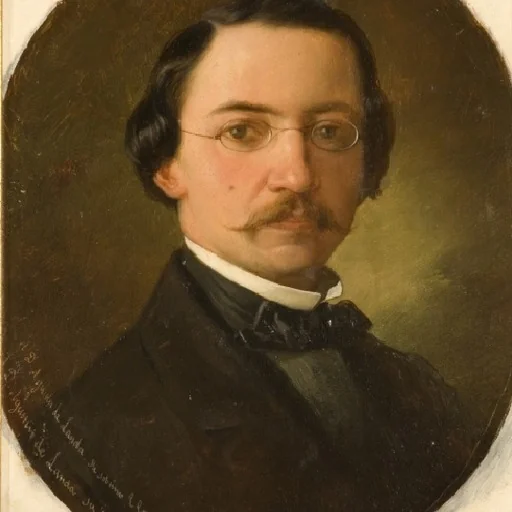
Eduardo Cano de la Peña (1823, Madrid - 4 April 1897, Seville) was a Spanish painter in the Romantic style; specializing in historical scenes.

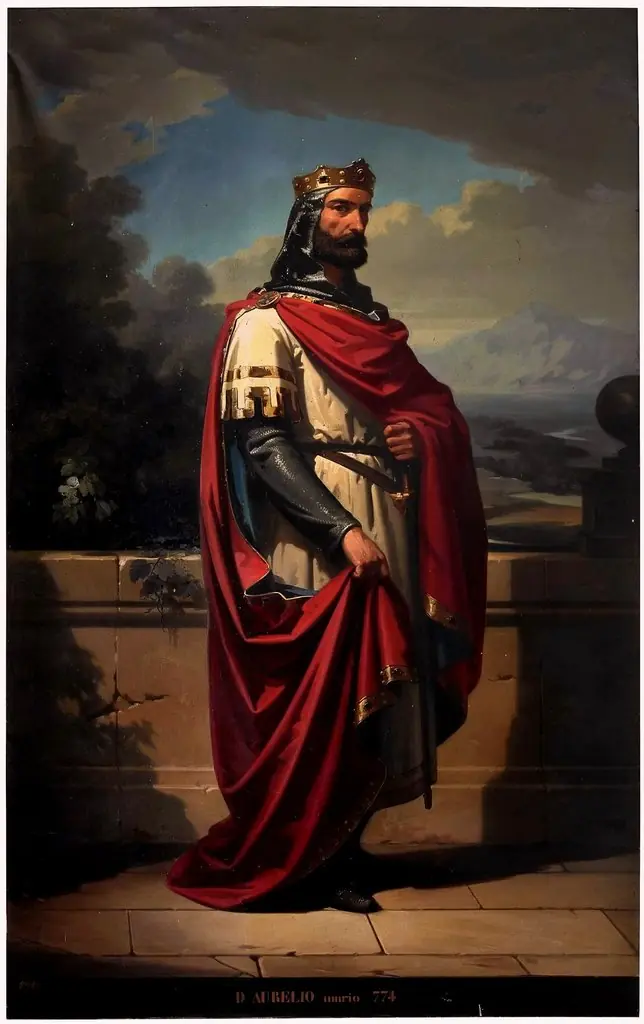 Aurelio
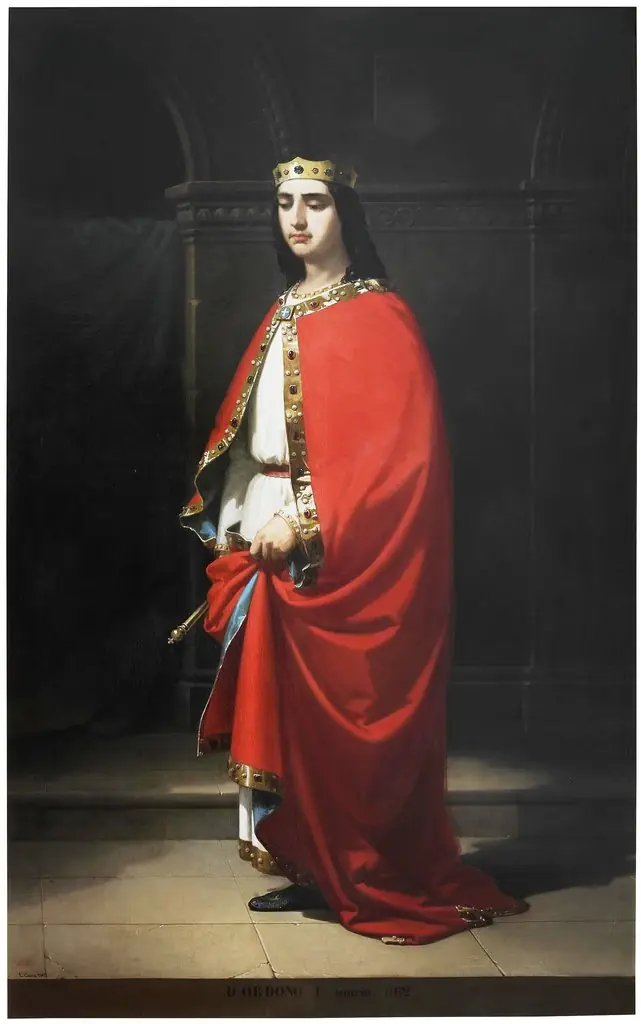 Ordoño I
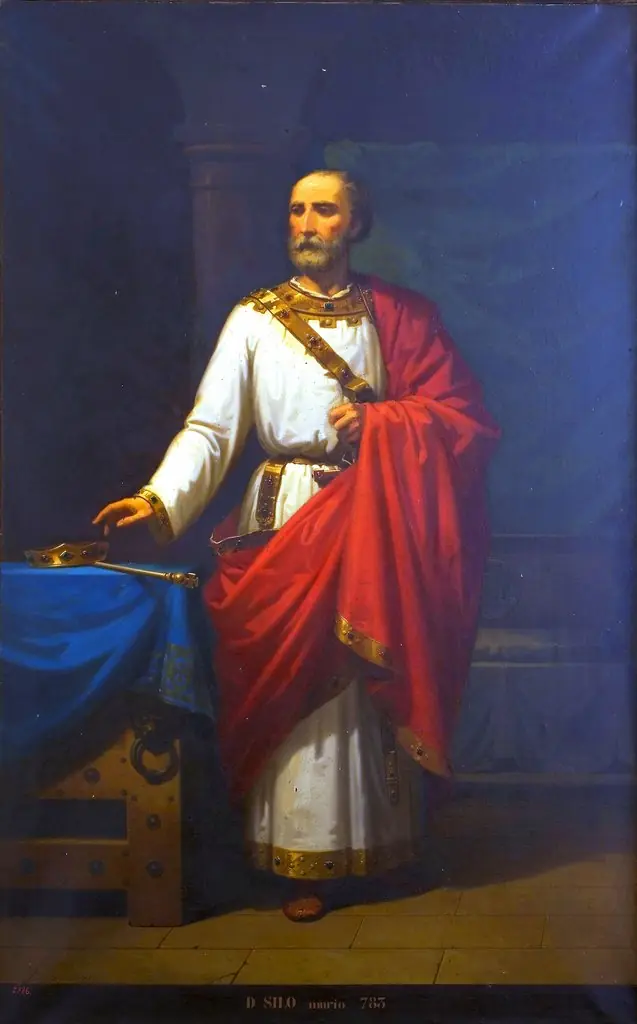 Silo
Silo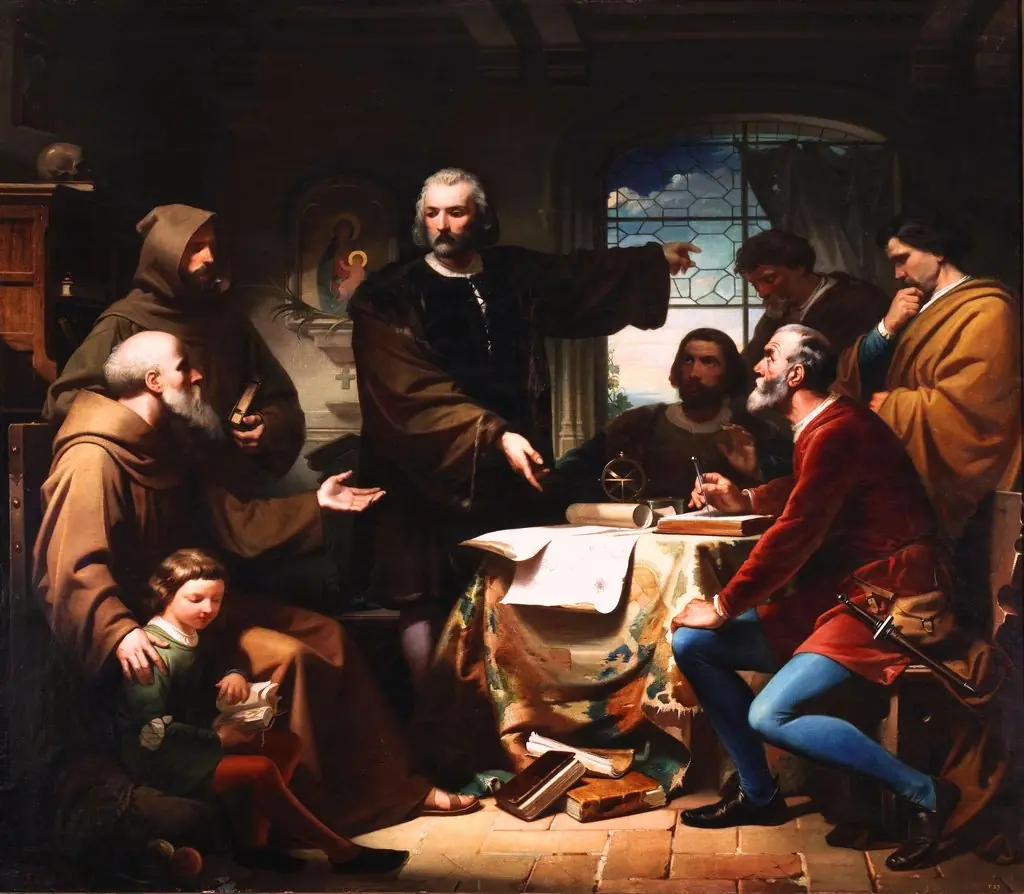 Christopher Columbus in the Convent of La Rábida
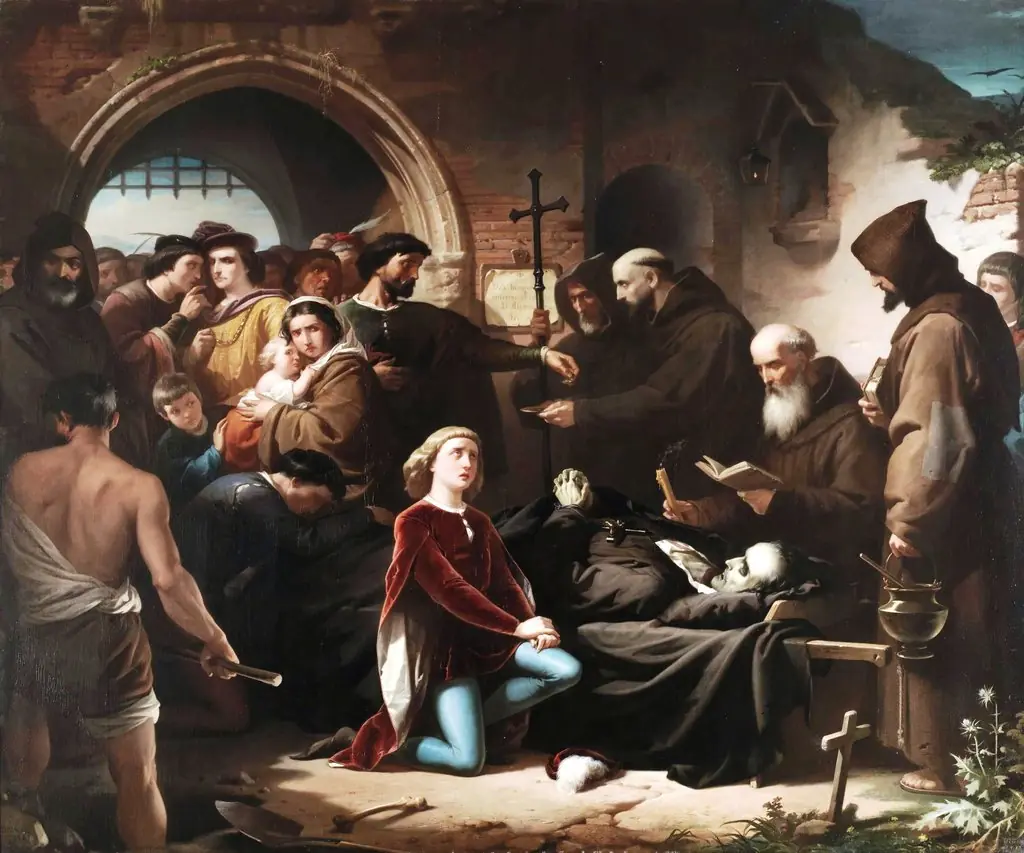 Don Álvaro de Luna condestable y favorito del rey D. Juan II de Castilla decapitado públicamente en la Plaza Mayor de Valladolid el 2 de junio de 1453 es enterrado de limosna en el cementerio de los ajusticiados extramuros de dicha ciudad
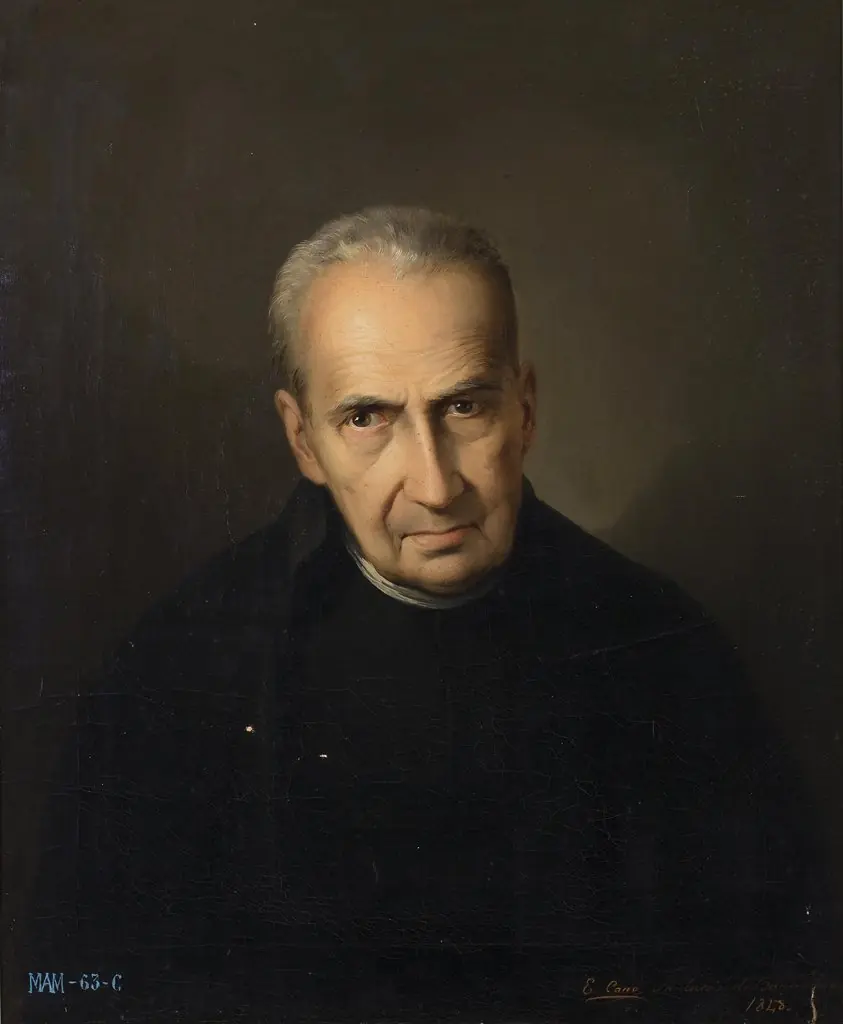 Rafael Colón y Borrego
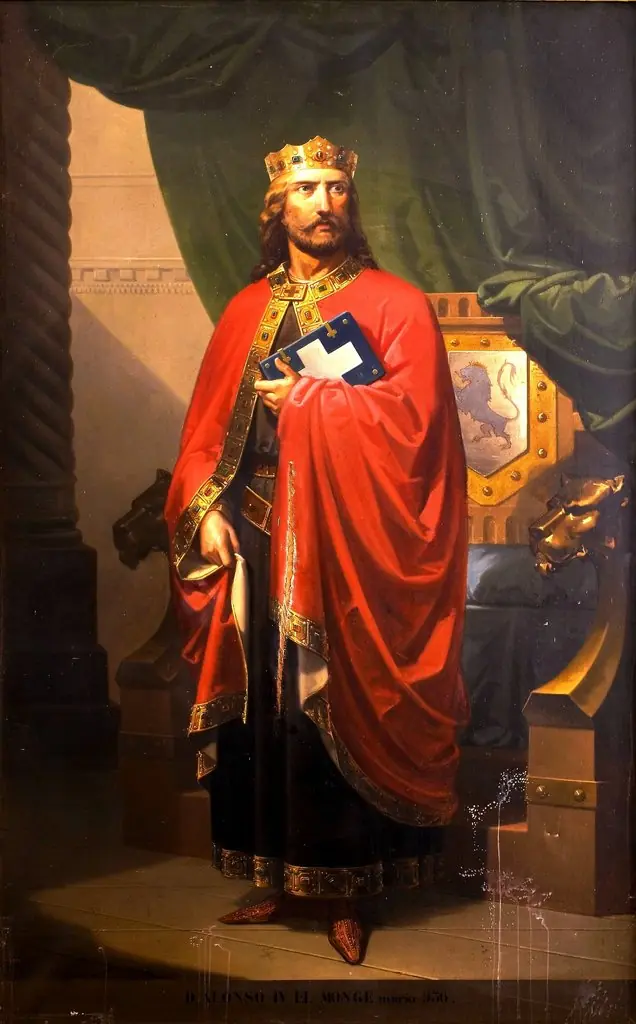 Alfonso IV el Monje, rey de León
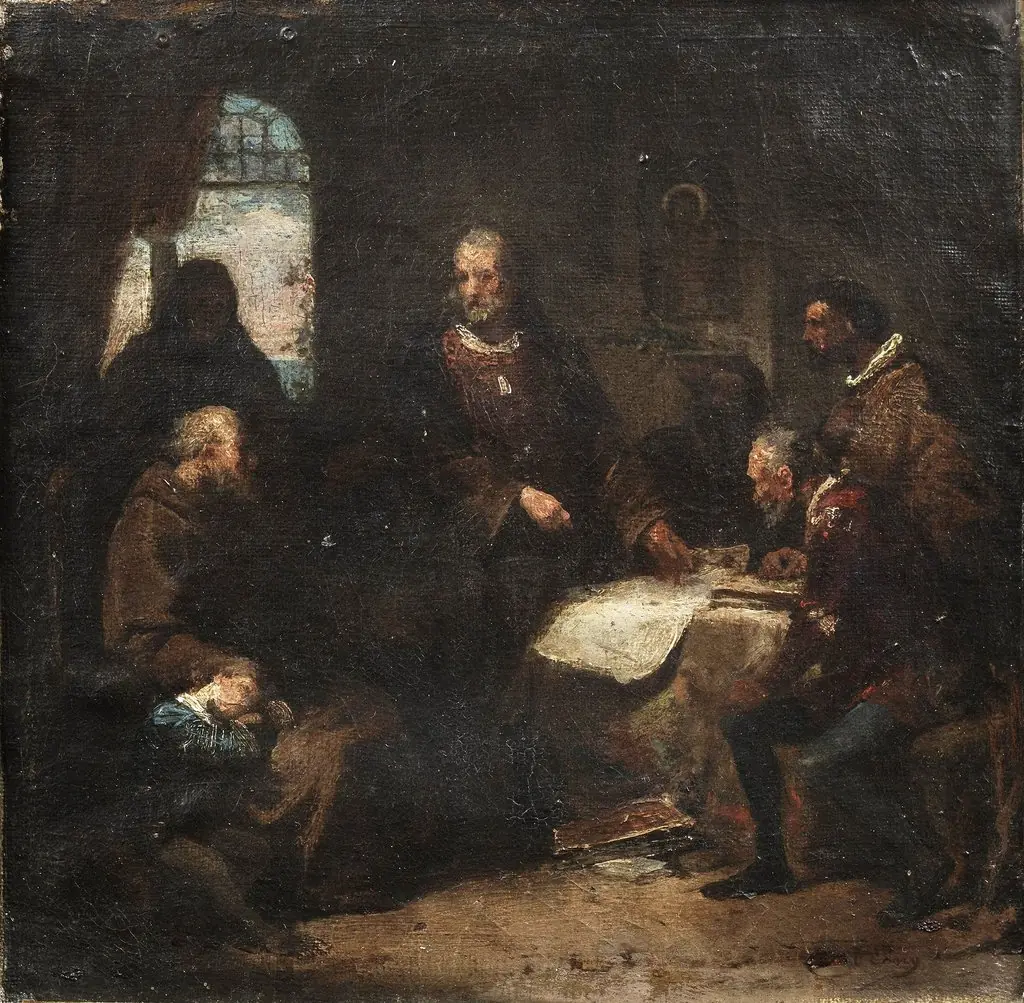 Cristóbal Colón en el convento de la Rábida (boceto)
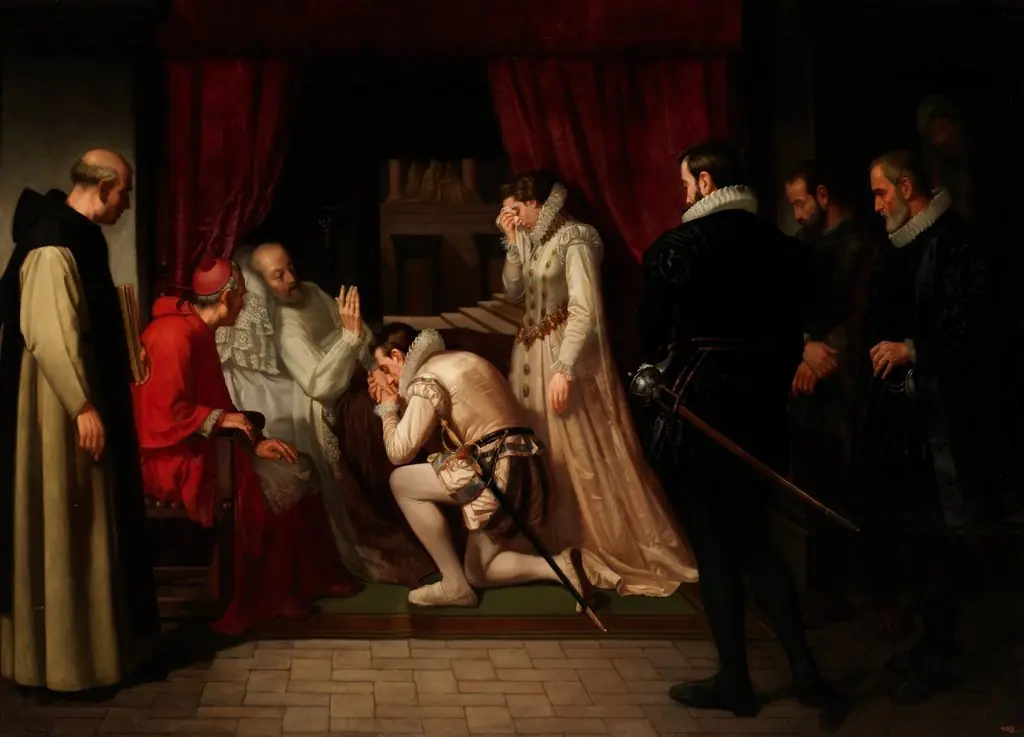 Últimos momentos de Felipe II
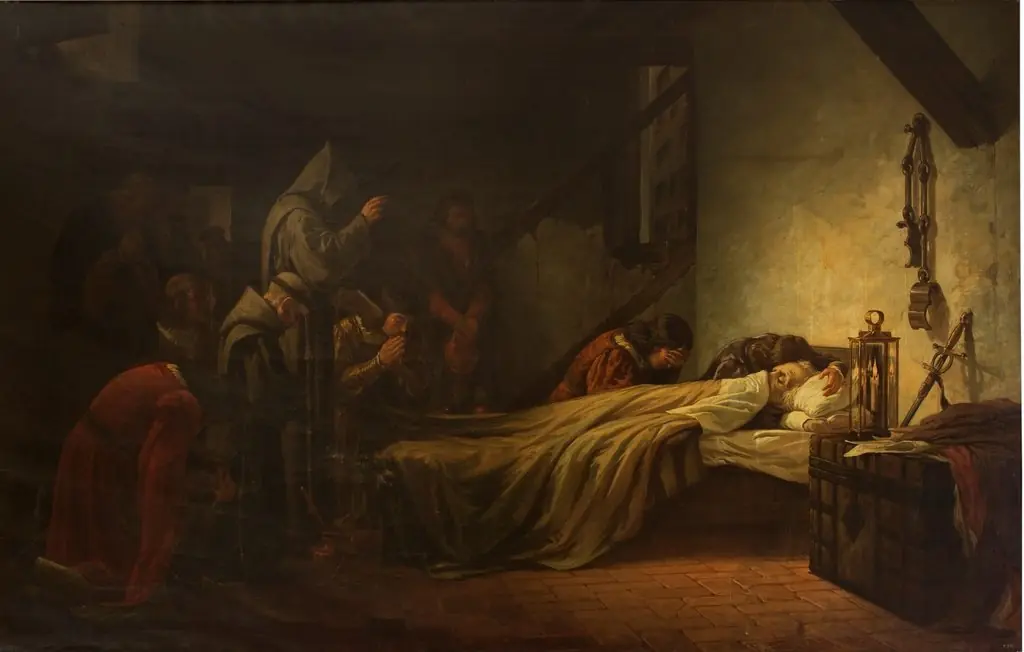 Muerte de Cristóbal Colón
 Death of Stefan Czarniecki
 Mensaje de Carlos I al cardenal Cisneros (1517)
 Felipe III de Francia moribundo bendiciendo a sus hijos
 Причащение умирающей
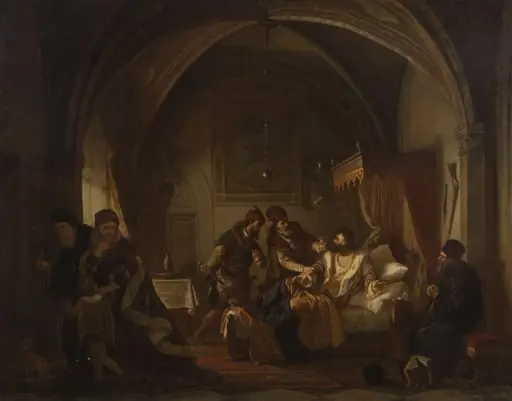 Moartea lui Alexandru Lăpușneanu
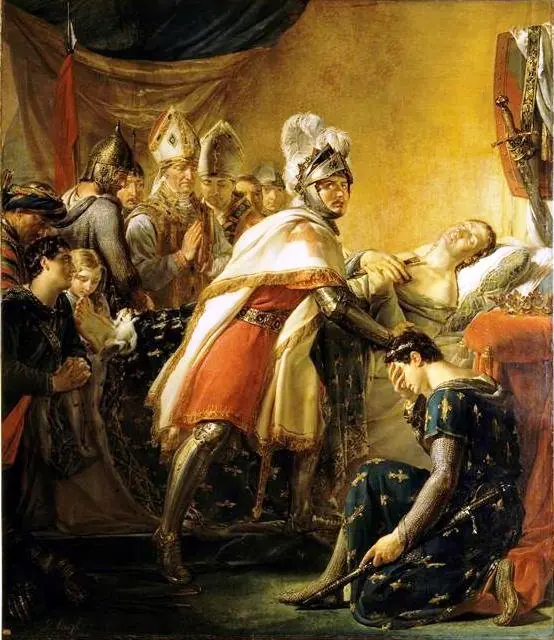 Mort de Saint Louis devant Tunis, 25 août 1270
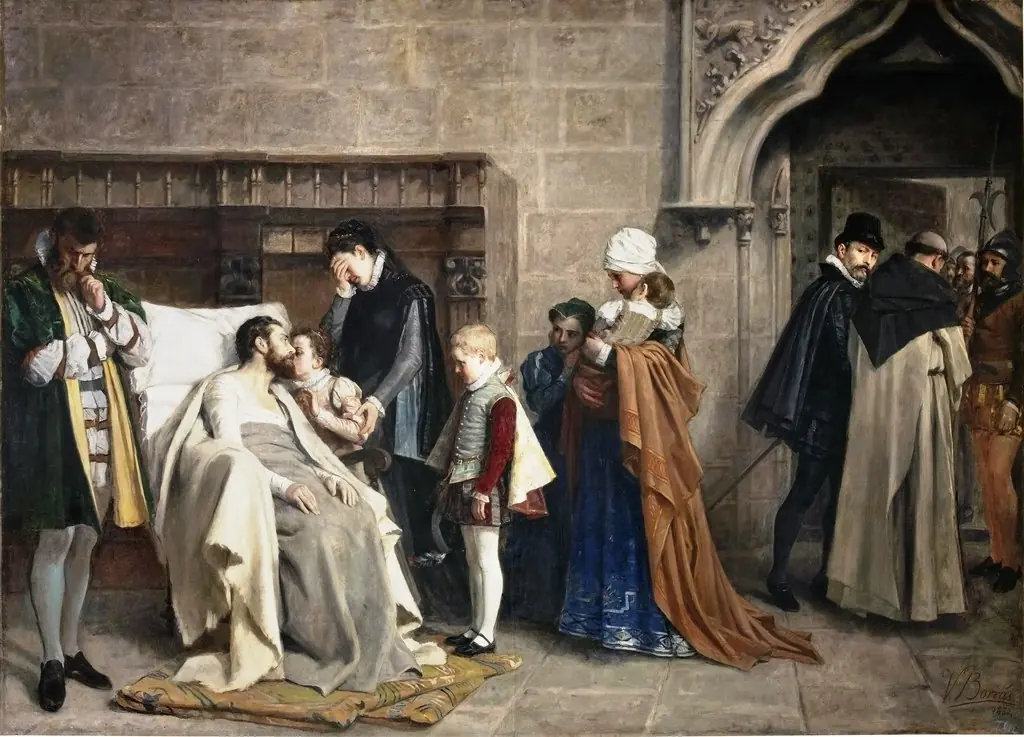 Antonio Pérez recibiendo a su familia después del tormento
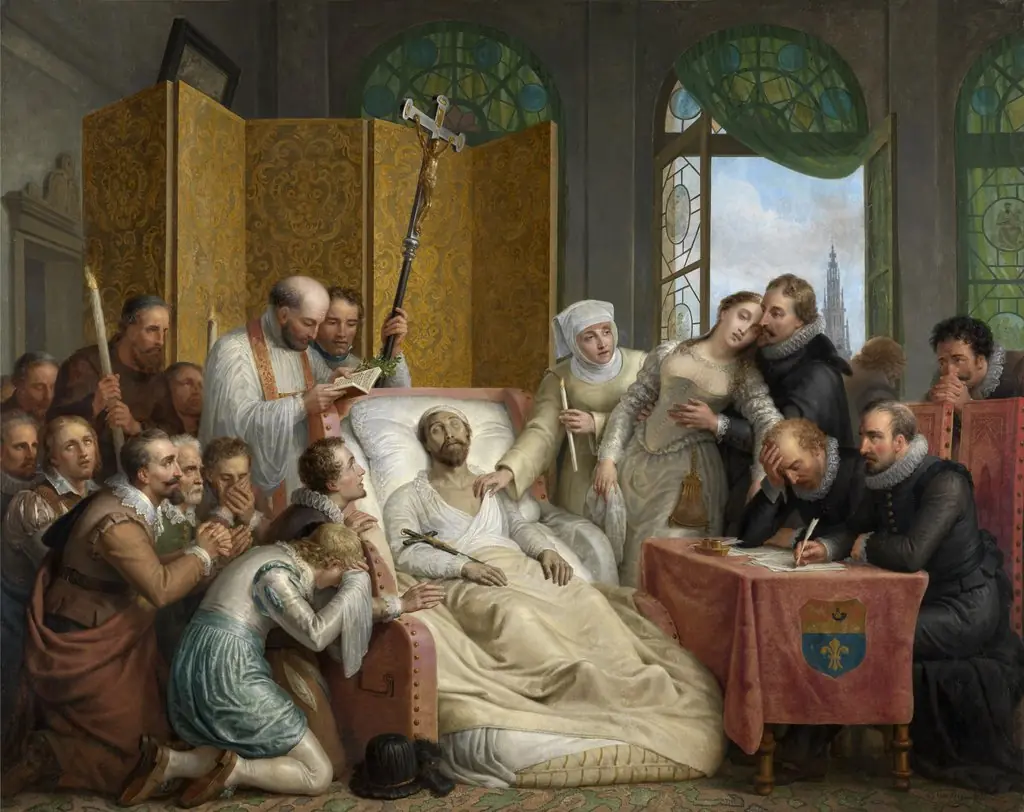 The Death of Peter Paul Rubens
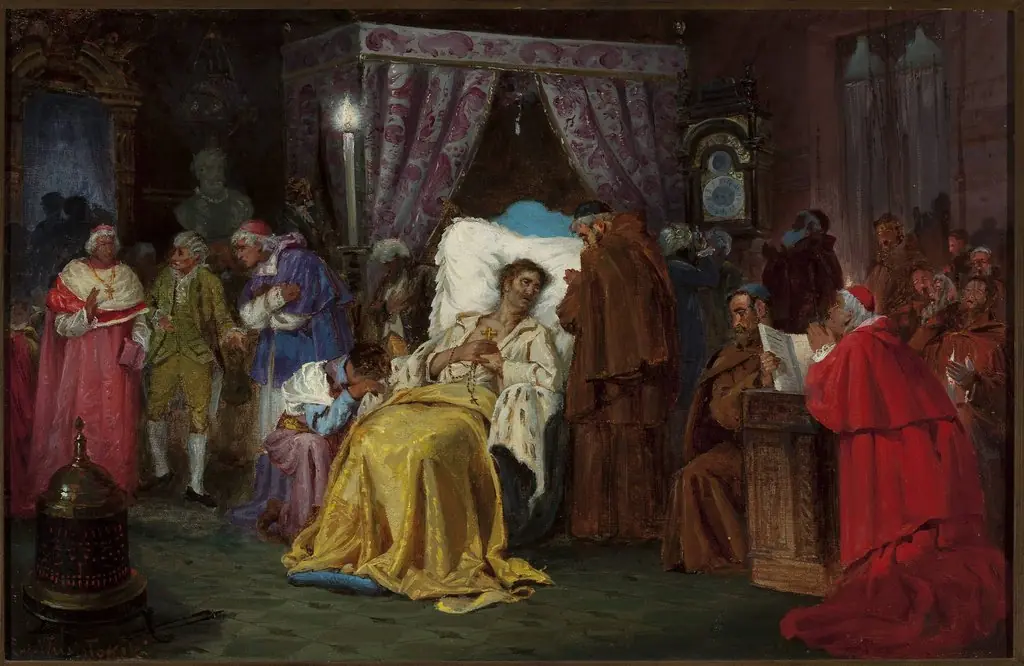 Aleksander Sobieski on his deathbed in Rome in 1714
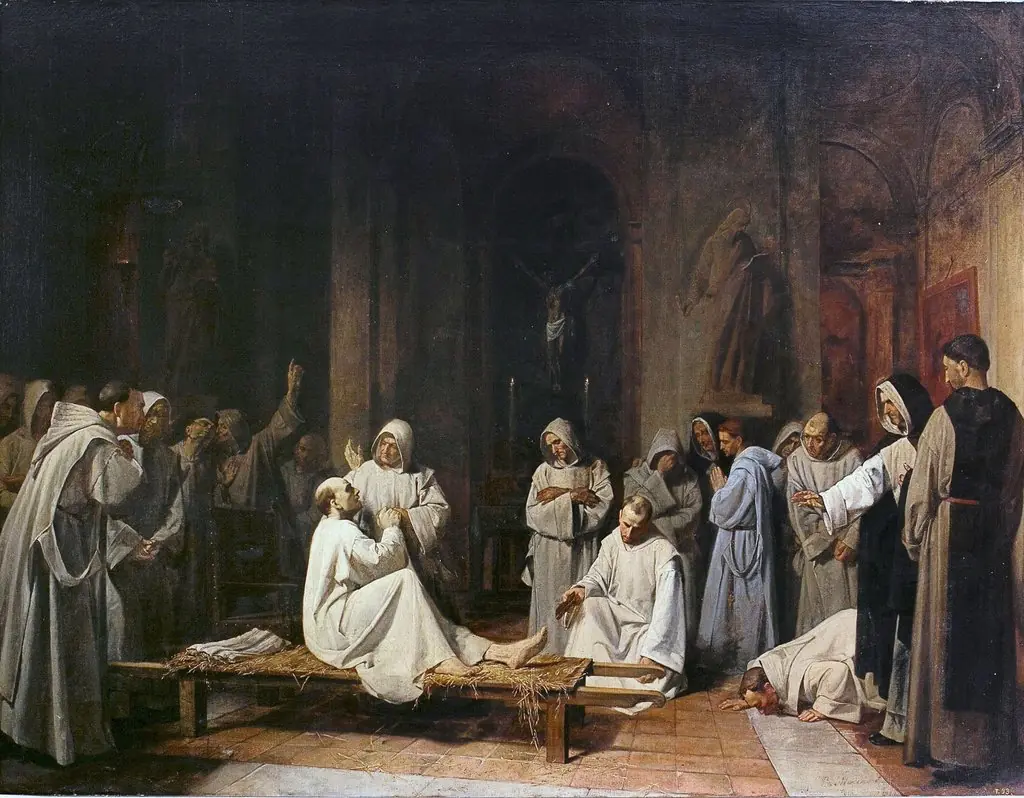 Últimos momento de Fray Charles Climaque