Artwork
Geography
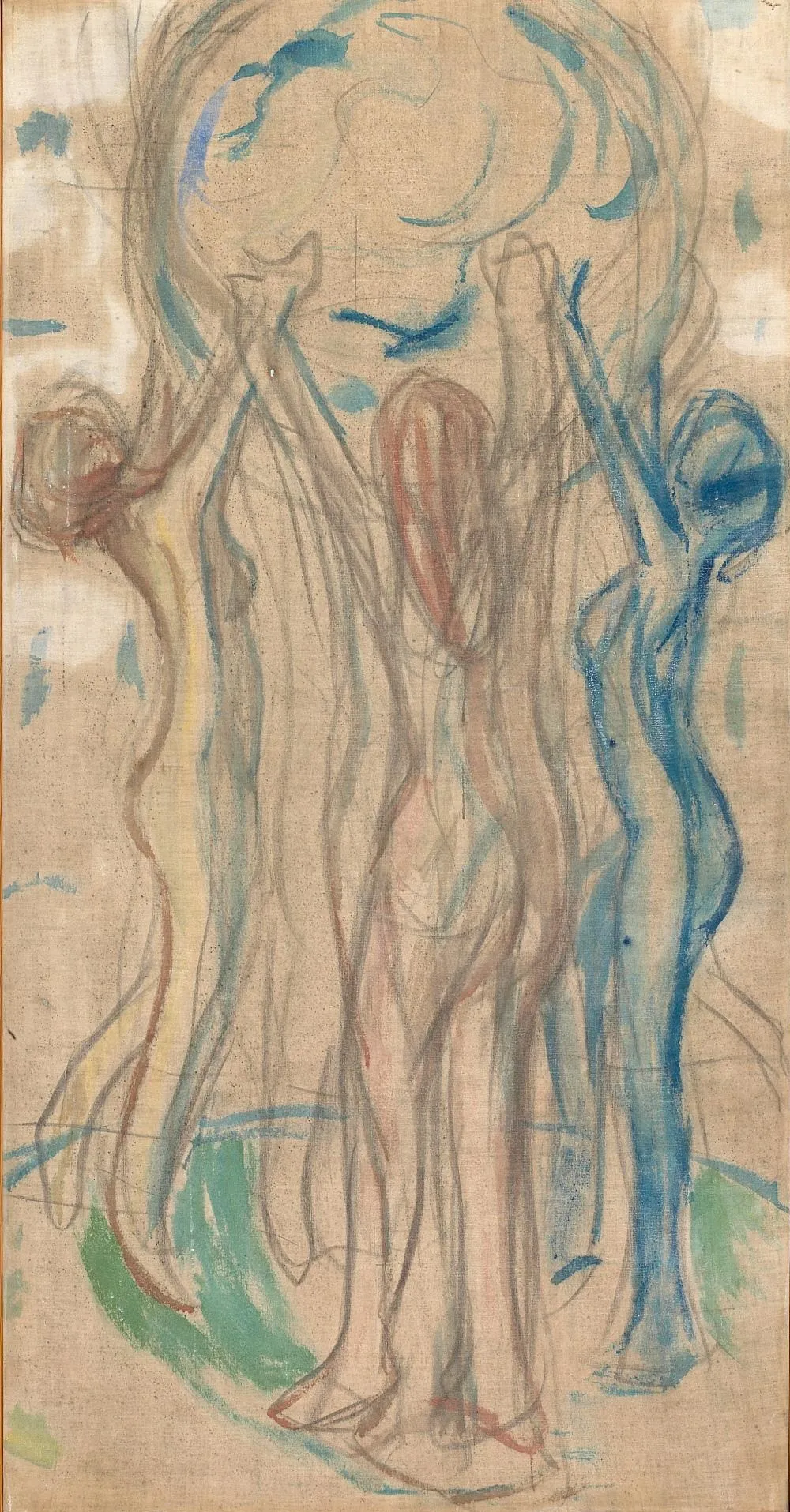
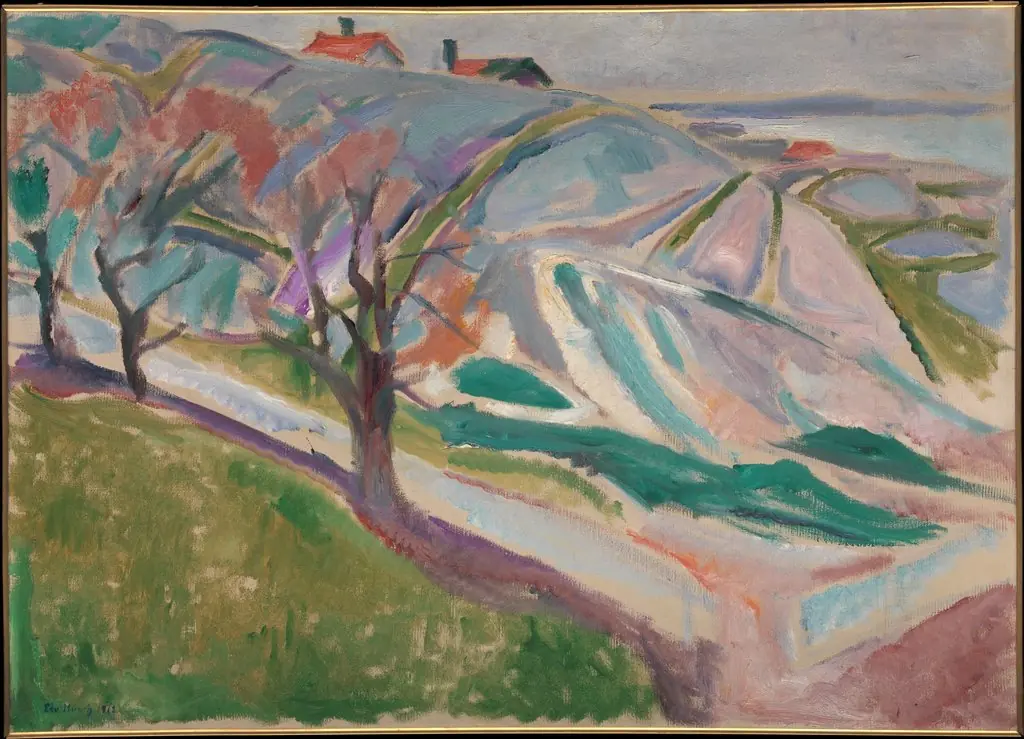
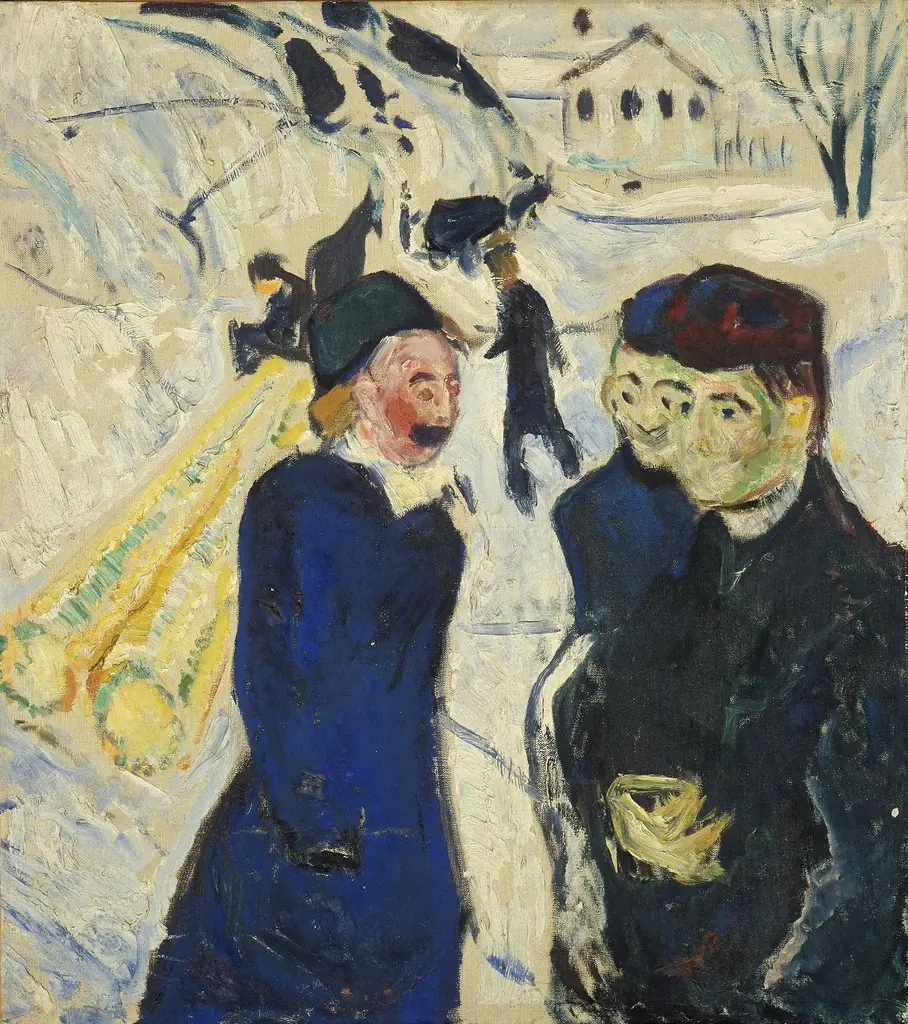
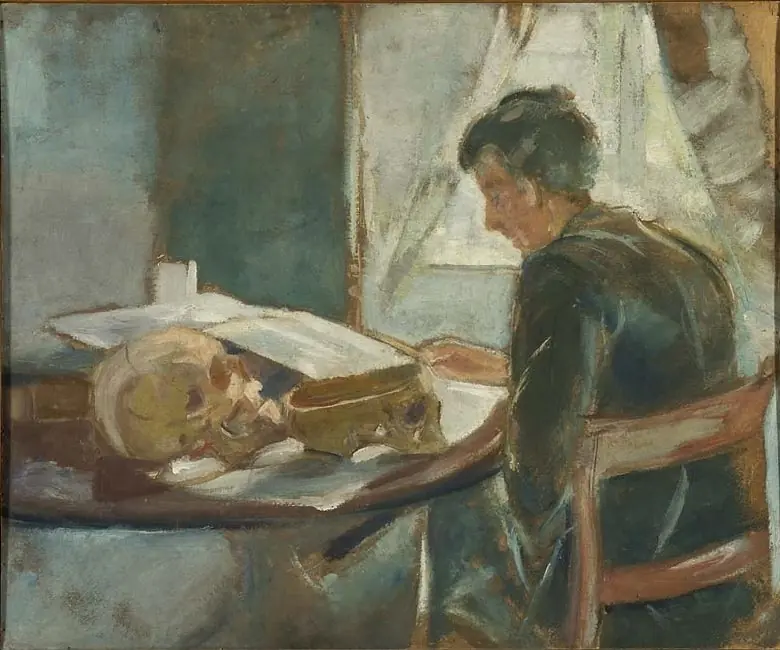
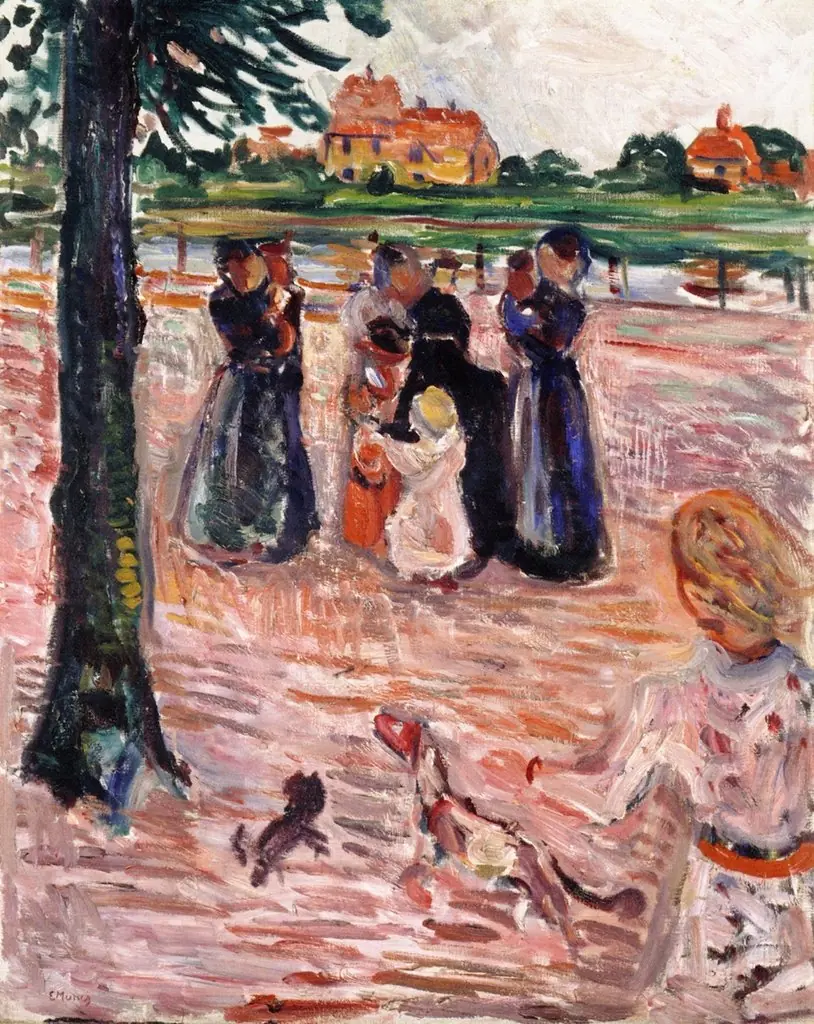
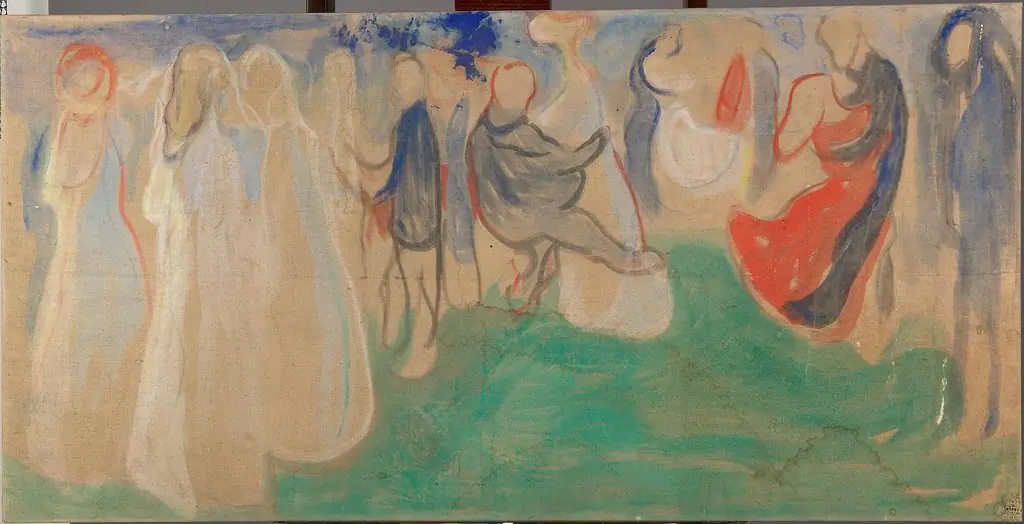
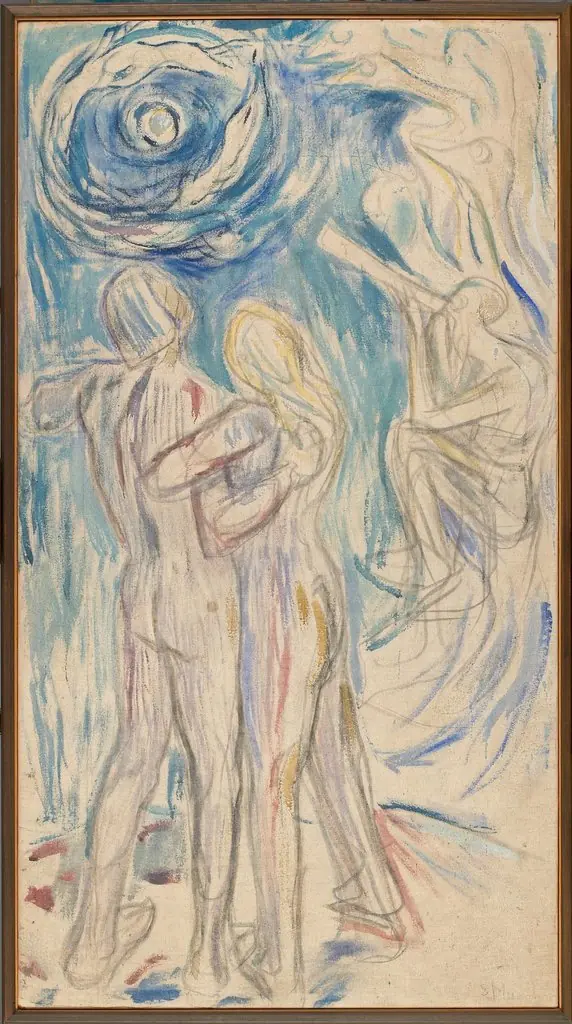
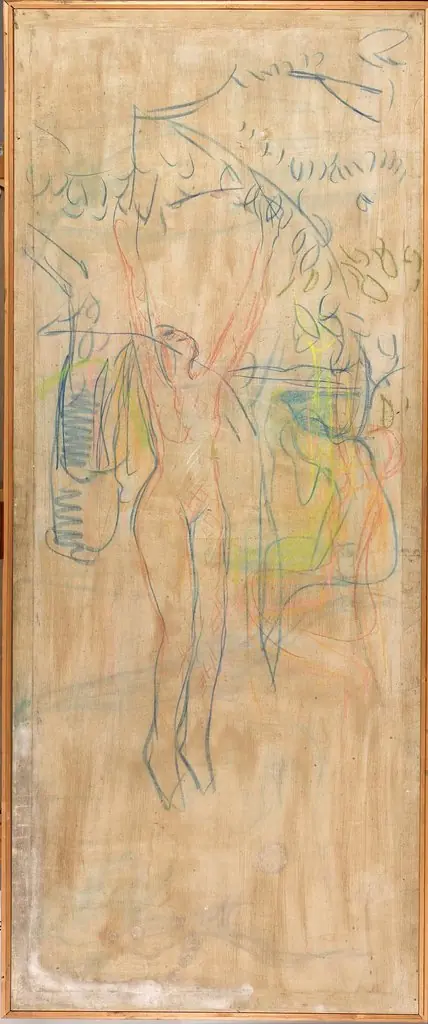
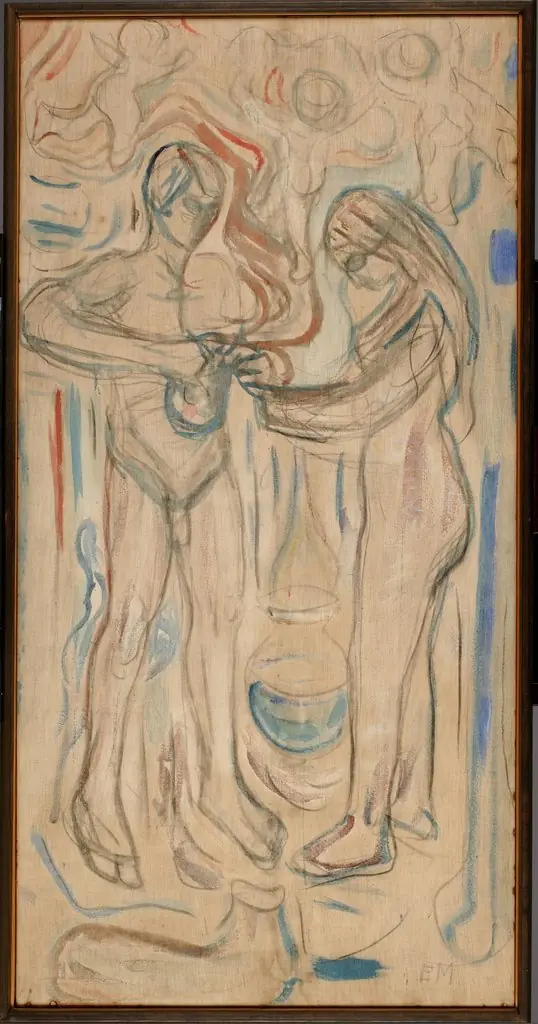
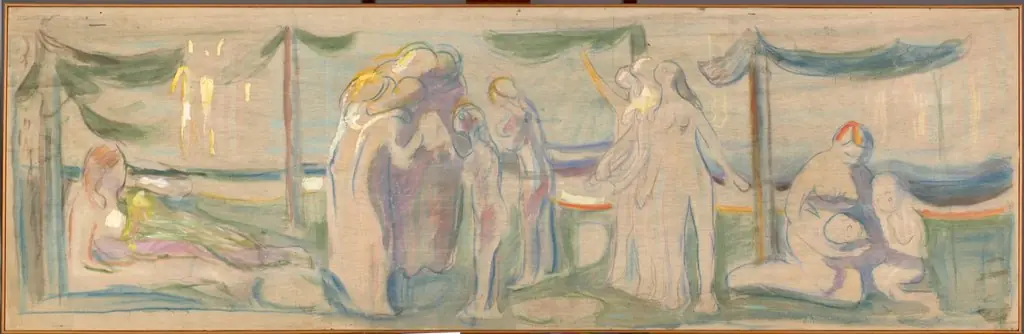
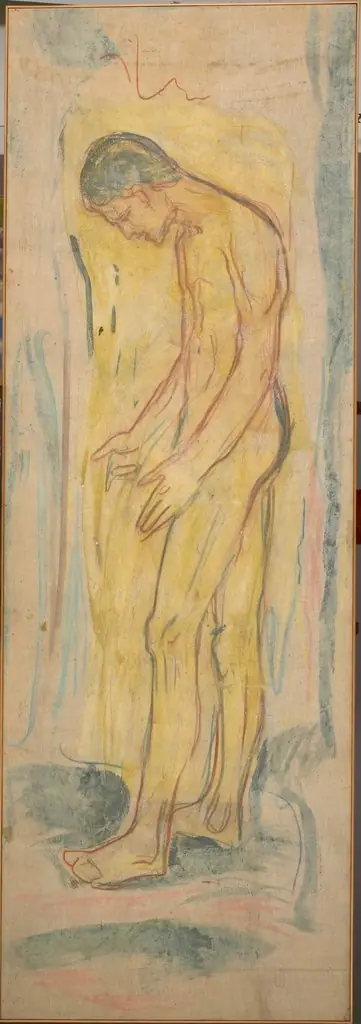
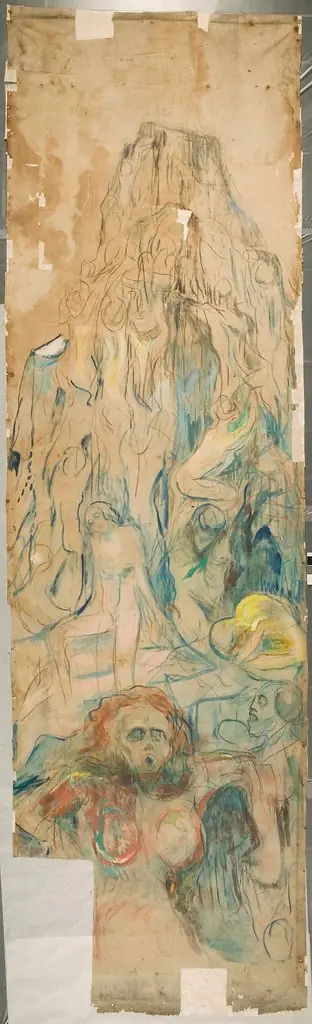
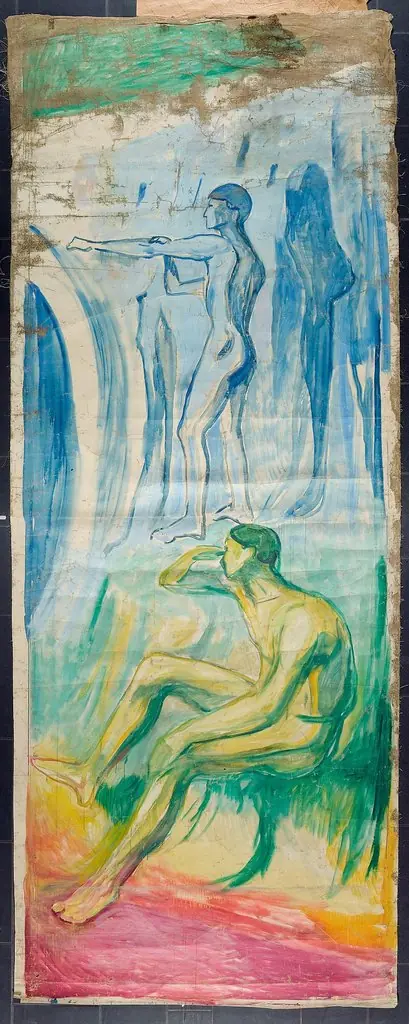
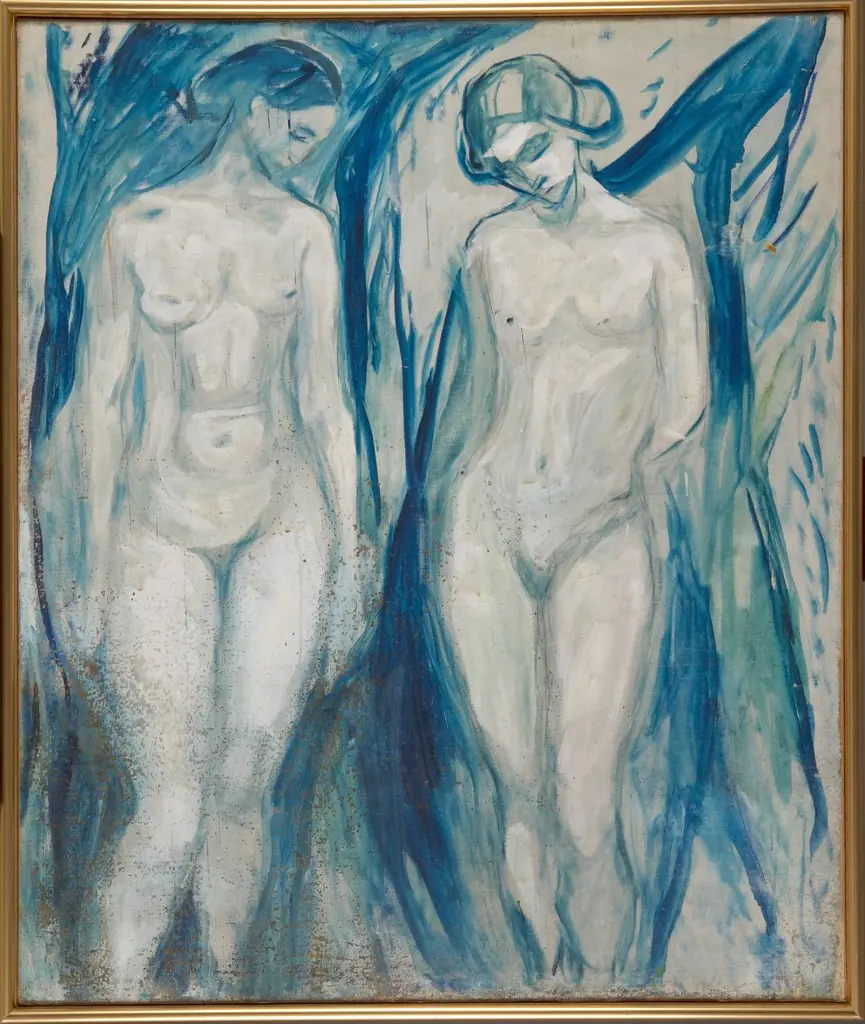
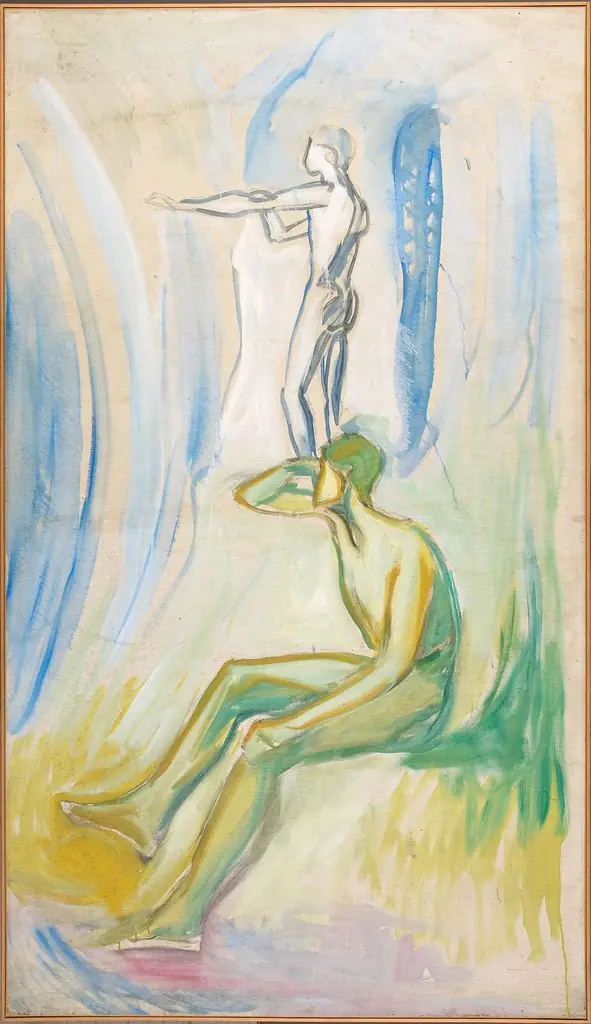
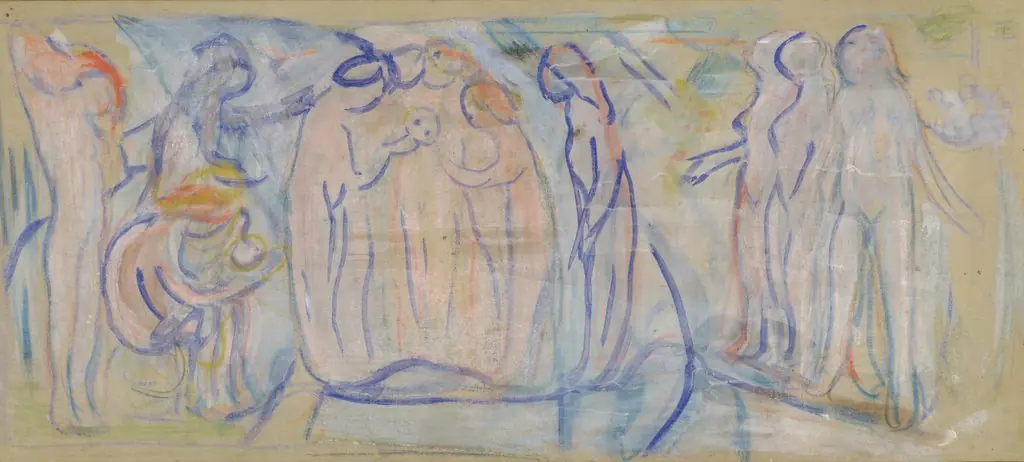
Geography is a charcoal painting by the Post-Impressionist artist Edvard Munch. It dates from 1909 and is held in the collection of the Munch Museum.
About this work
Overview
Created in 1909, *Geography* is a tempera painting by Norwegian artist Edvard Munch. Executed in the early twentieth‑century, the work resides in the collection of the Munch Museum. It exemplifies Munch’s turn toward expressing inner states rather than literal representation, situating the piece within his broader oeuvre of psychologically charged canvases.
Subject & Meaning
While the title suggests a cartographic theme, the composition conveys a sense of emotional terrain rather than physical geography. Munch uses abstracted forms and muted tones to evoke feelings of isolation and introspection, reflecting the artist’s preoccupation with the inner landscape of the mind.
Technique & Style
Munch employed tempera, a fast‑drying medium that yields flat, matte surfaces, allowing him to layer thin washes of color. The painting’s brushwork is loose, and its palette leans toward subdued hues, aligning it with post‑impressionist tendencies toward expressive color and form rather than precise detail.
History & Provenance
After its completion, *Geography* entered the holdings of the Munch Museum, the principal repository for the artist’s work. The museum acquired the piece as part of its effort to assemble a comprehensive representation of Munch’s artistic development.
Context
Munch’s formative years were marked by personal illness and family loss, experiences that shaped his focus on emotional and psychological content. His education at Oslo’s Royal School of Art and Design and the influence of nihilist writer Hans Jæger informed his rejection of conventional realism in favor of a more subjective visual language.
Artist & collection
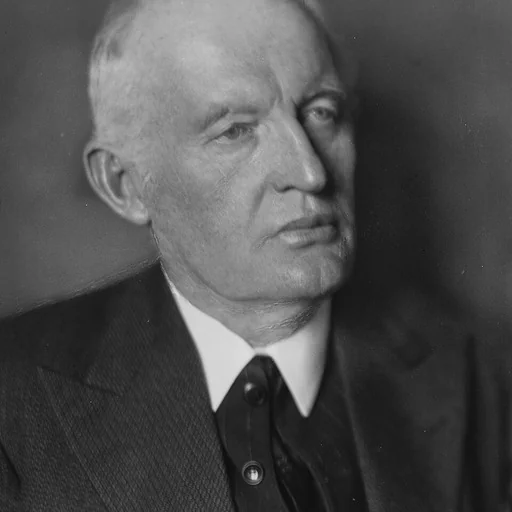
Artist
Edvard Munch ( MUUNK; Norwegian: ; 12 December 1863 – 23 January 1944) was a Norwegian painter.