Artwork
Meeting on the Beach
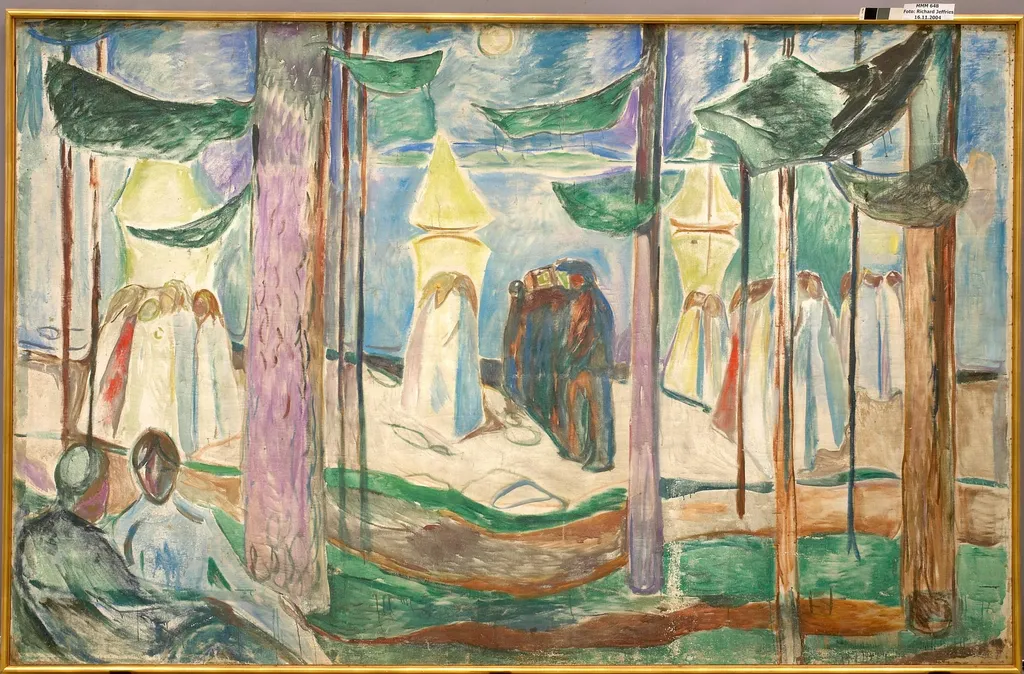
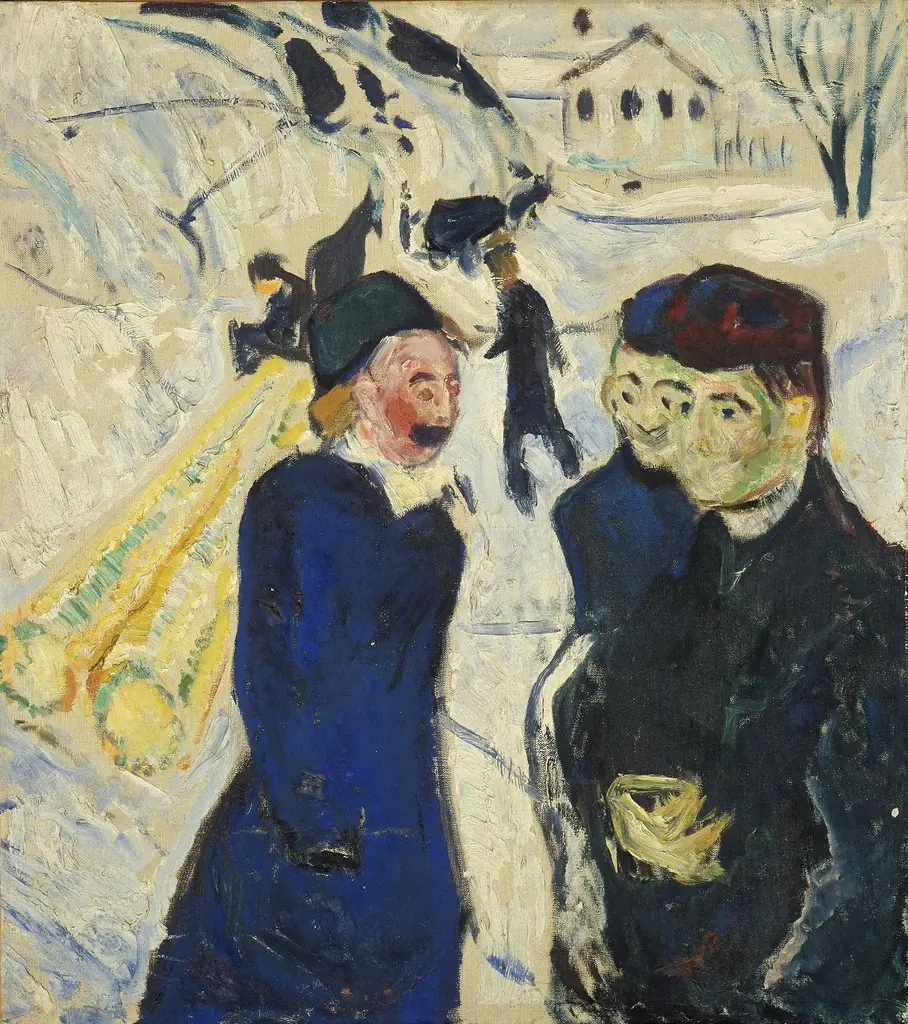
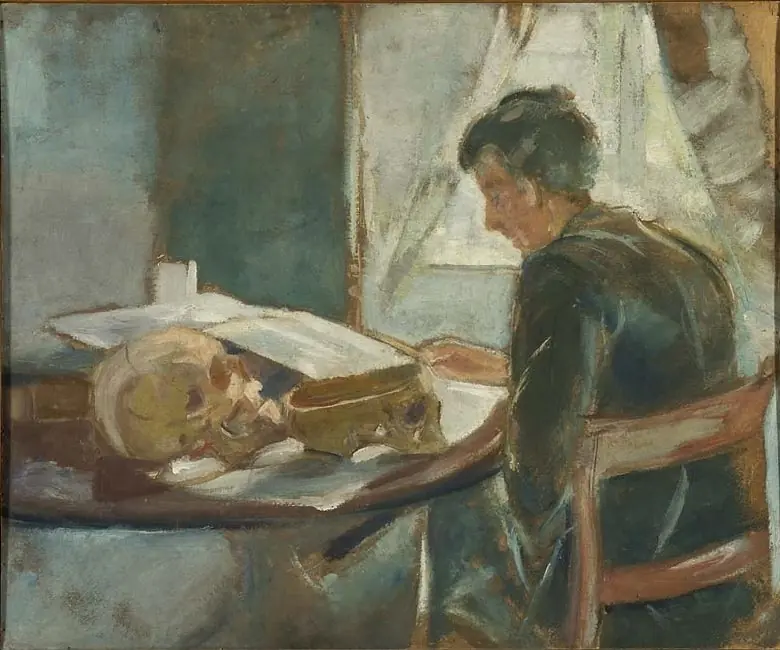
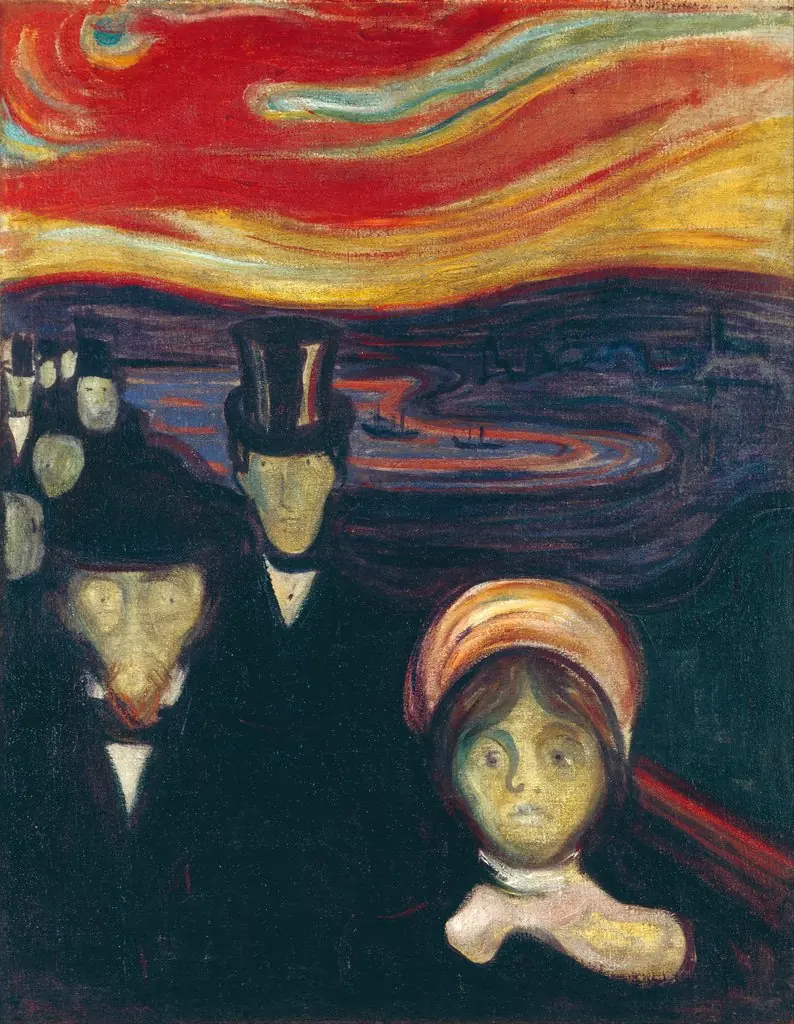
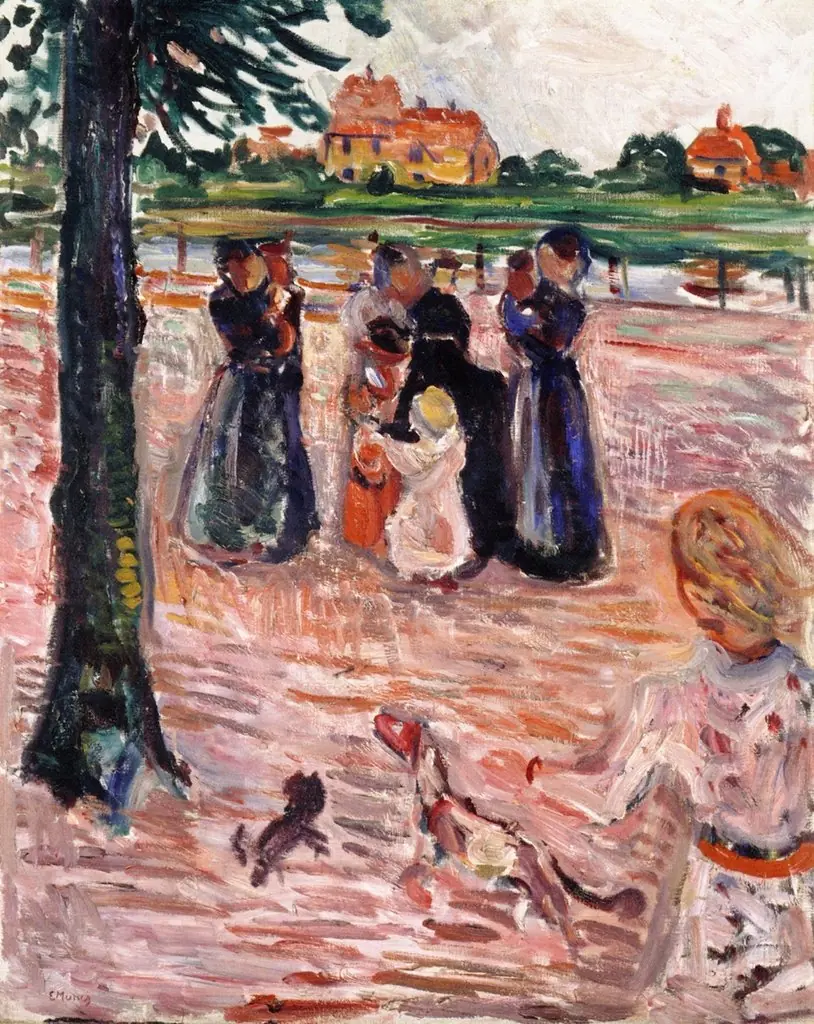
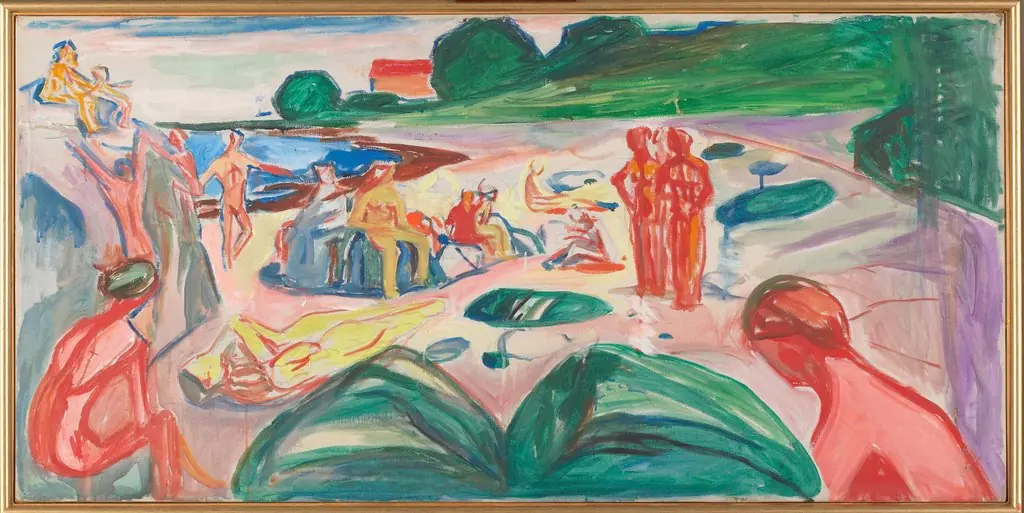
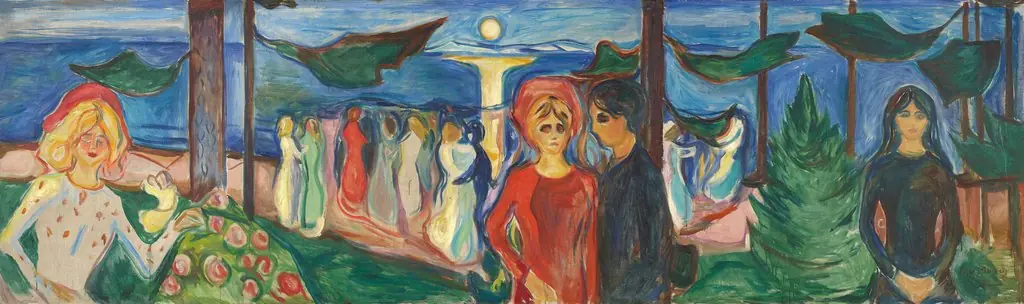
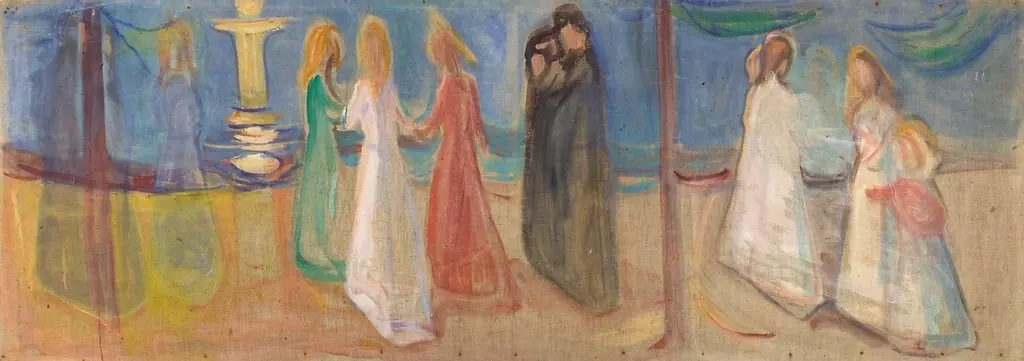
Meeting on the Beach is an oil painting by the Post-Impressionist artist Edvard Munch. It dates from 1921 and is held in the collection of the Munch Museum.
About this work
If you're interested in learning more about this style of painting, you might want to look up the technique of chiaroscuro.
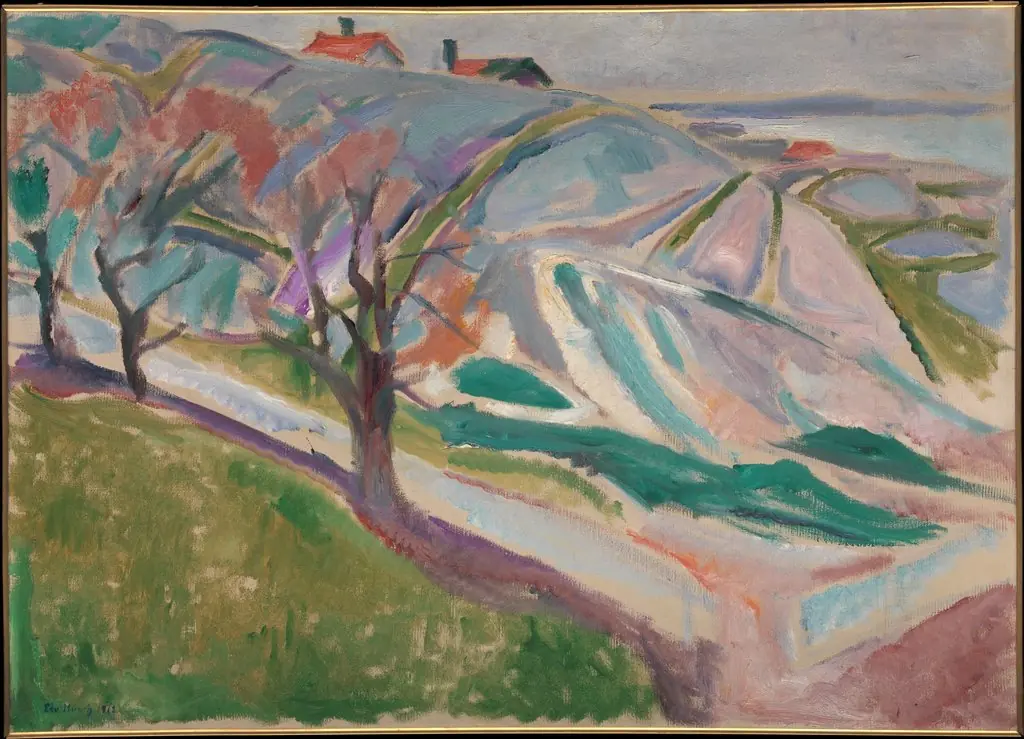
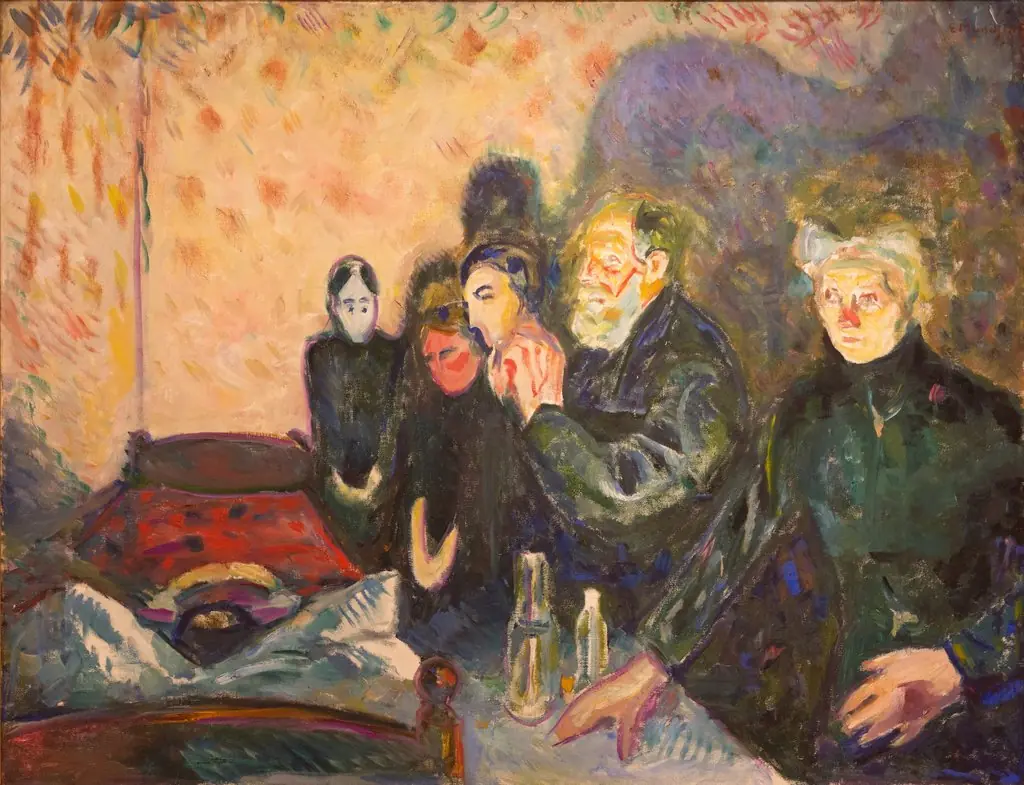
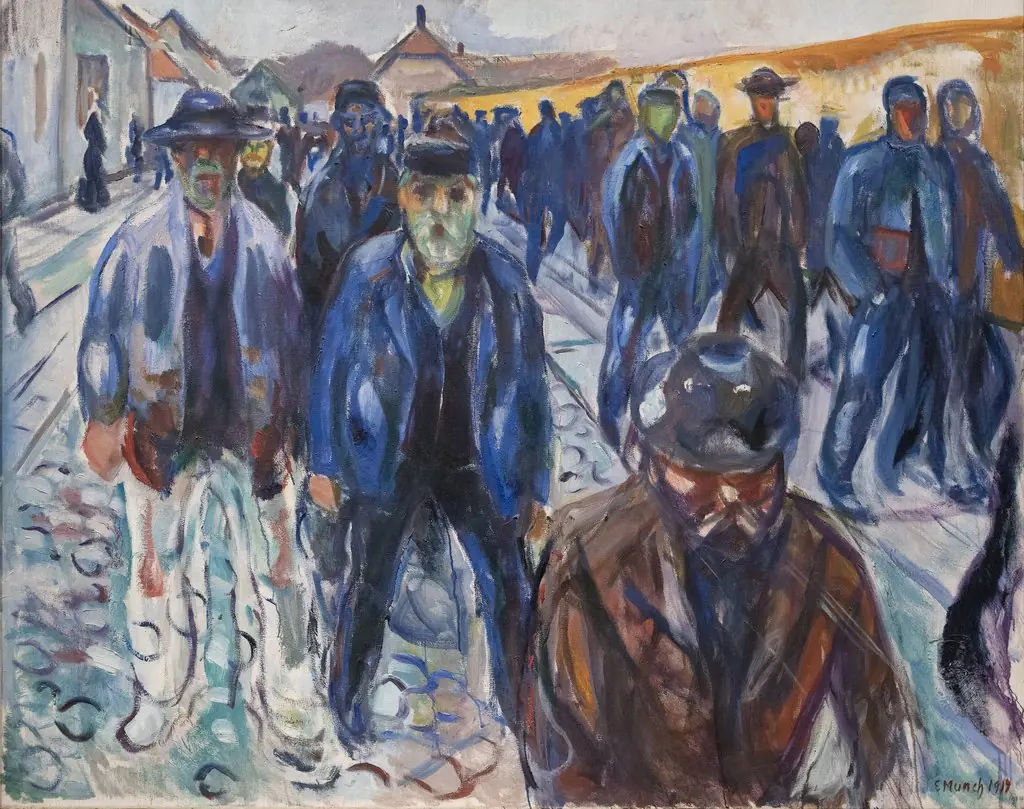
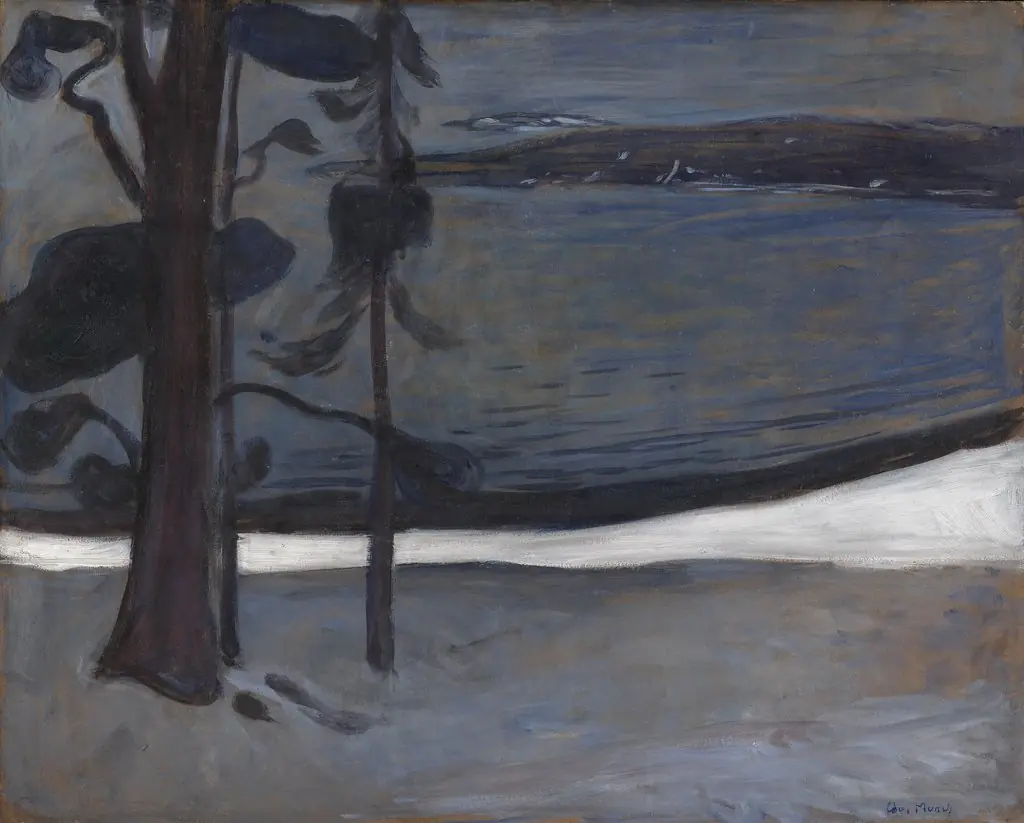
You're looking at a painting titled Meeting on the Beach. It's an oil painting from 1921. The scene is set on a beach, with a group of people gathered together. They're all wearing long robes, and some of them are holding their heads in their hands. The atmosphere is somber and reflective.
In the foreground, you can see a few figures standing at the water's edge. They seem to be lost in thought, gazing out at the sea. The colors used are muted and subdued, which adds to the overall sense of calmness and contemplation.
If you're interested in learning more about this style of painting, you might want to look up the technique of chiaroscuro.
Overview
Painted in 1921, *Meeting on the Beach* is an oil work by Norwegian artist Edvard Munch. It reflects his sustained interest in human emotion and existential solitude, themes that permeated his career. The painting is part of the Munch Museum’s permanent collection, where it remains as a quiet example of his later period, distinct from the more widely known expressions of anxiety in his earlier works.
Subject & Meaning
The painting portrays a group of figures in long robes gathered along a shoreline, their postures suggesting introspection or grief. Some hold their heads, others gaze silently toward the sea. The absence of narrative detail invites interpretation as a meditation on isolation, memory, or communal mourning. The figures appear detached from one another despite their proximity, reinforcing a sense of inner solitude within a shared space.
Technique & Style
Munch employed muted tones and soft, blended brushwork to create a hushed atmosphere. Forms are simplified, with little emphasis on anatomical precision, favoring emotional resonance over realism. The composition avoids dramatic contrasts, instead relying on subtle shifts in light and color to suggest mood. The handling of paint is restrained, aligning with his mature style that prioritized psychological weight over expressive brushstrokes.
History & Provenance
Created in 1921, the painting entered the collection of the Munch Museum shortly after its completion. Munch had begun donating his works to the museum in the 1900s, ensuring their preservation under his direct supervision. *Meeting on the Beach* remained in his possession until his death in 1944, after which it was formally transferred to the museum as part of his bequest.
Context
By the 1920s, Munch had moved away from the intense symbolism of his youth, turning toward quieter, more reflective subjects. His earlier associations with philosophical circles in Oslo, including the radical Hans Jæger, had shaped his worldview, but by this time his focus had shifted to personal contemplation and the rhythms of nature. The beach setting reflects his recurring engagement with coastal landscapes near his home in Norway.
Legacy
Though less discussed than his earlier works, *Meeting on the Beach* exemplifies Munch’s enduring preoccupation with human vulnerability. It contributes to the understanding of his artistic evolution, revealing how his emotional language matured into subtler forms. The painting continues to be studied for its restrained expression and its quiet commentary on solitude in modern life.
Artist & collection
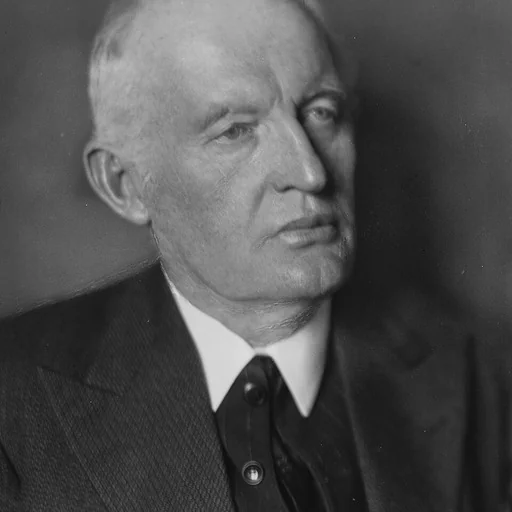
Artist
Edvard Munch ( MUUNK; Norwegian: ; 12 December 1863 – 23 January 1944) was a Norwegian painter.