Artwork
The Human Mountain
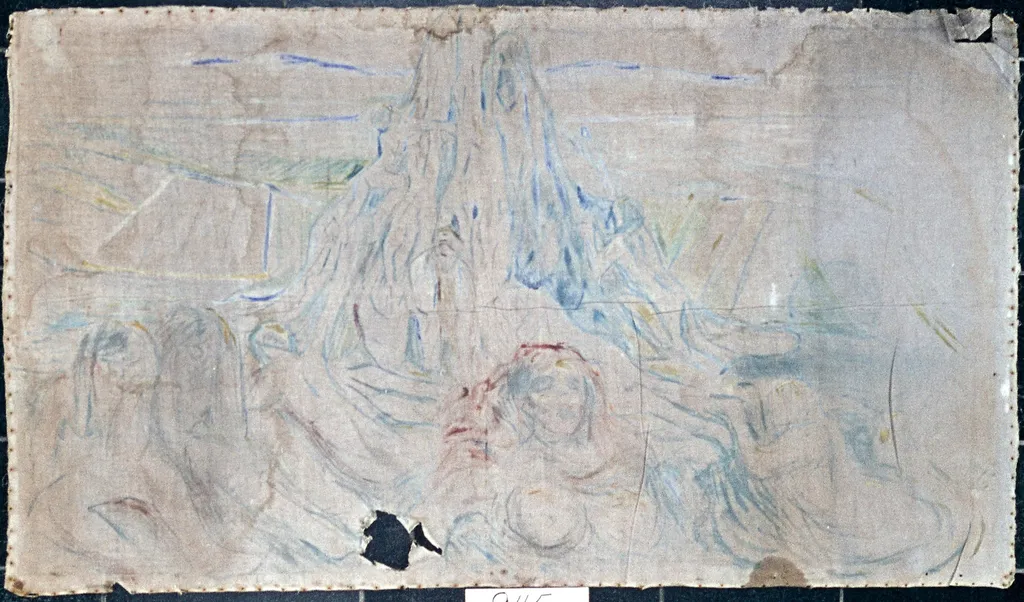
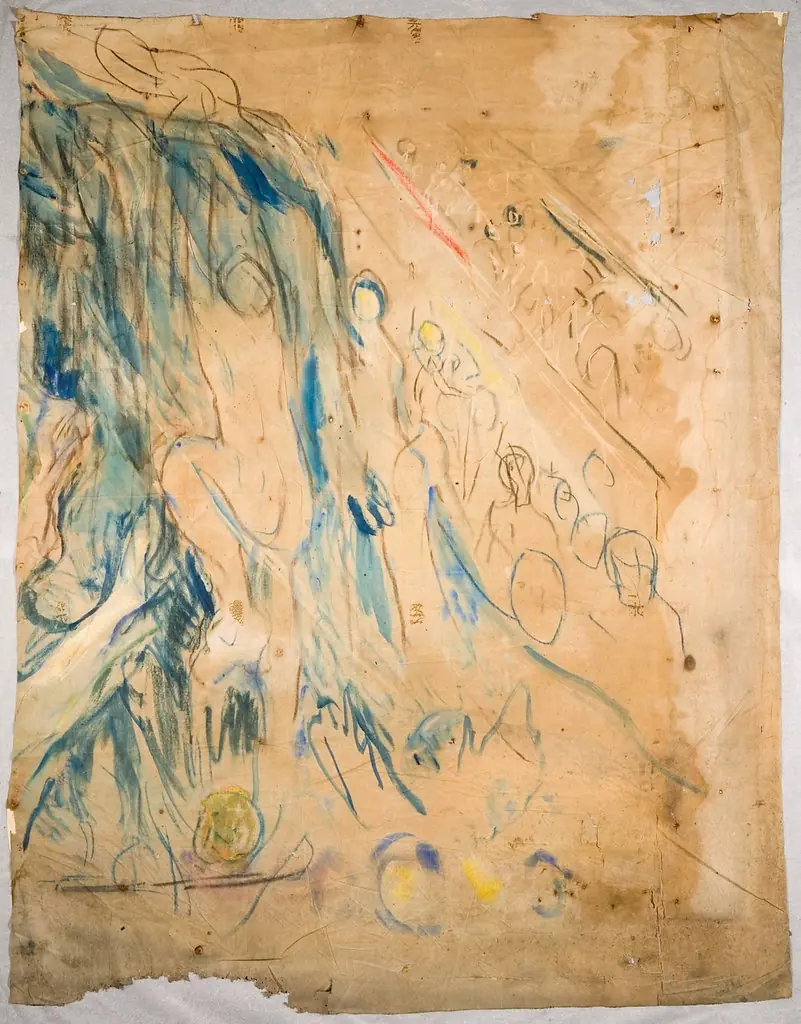
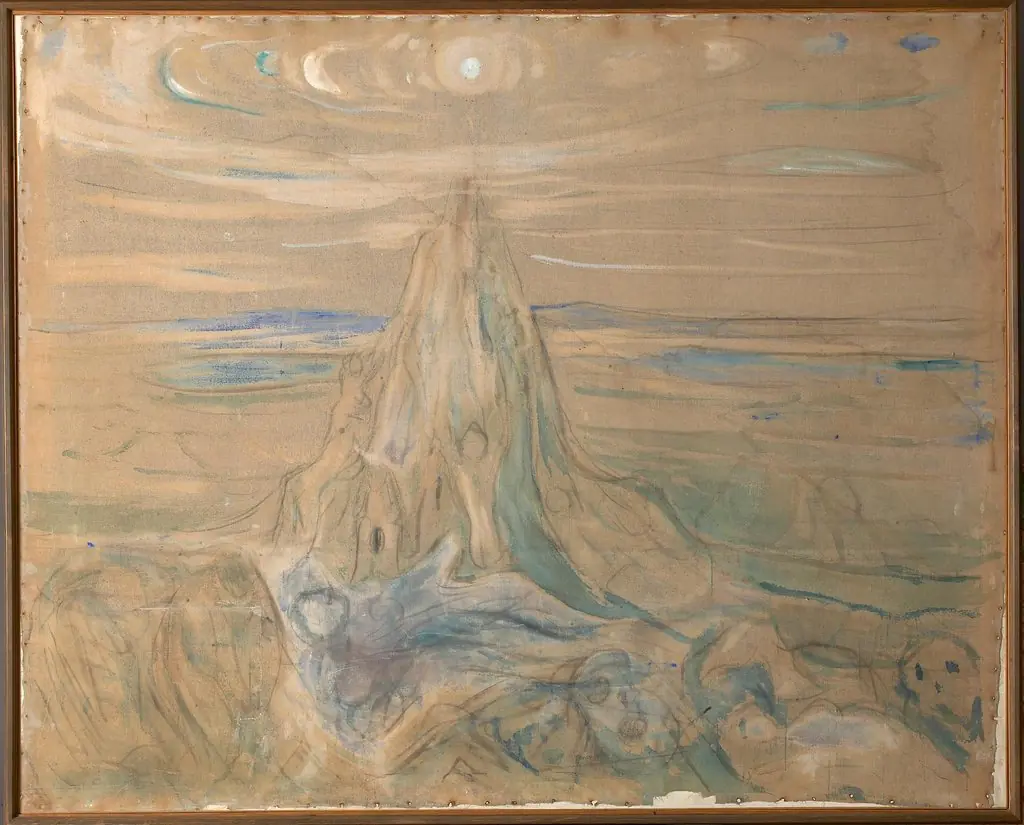
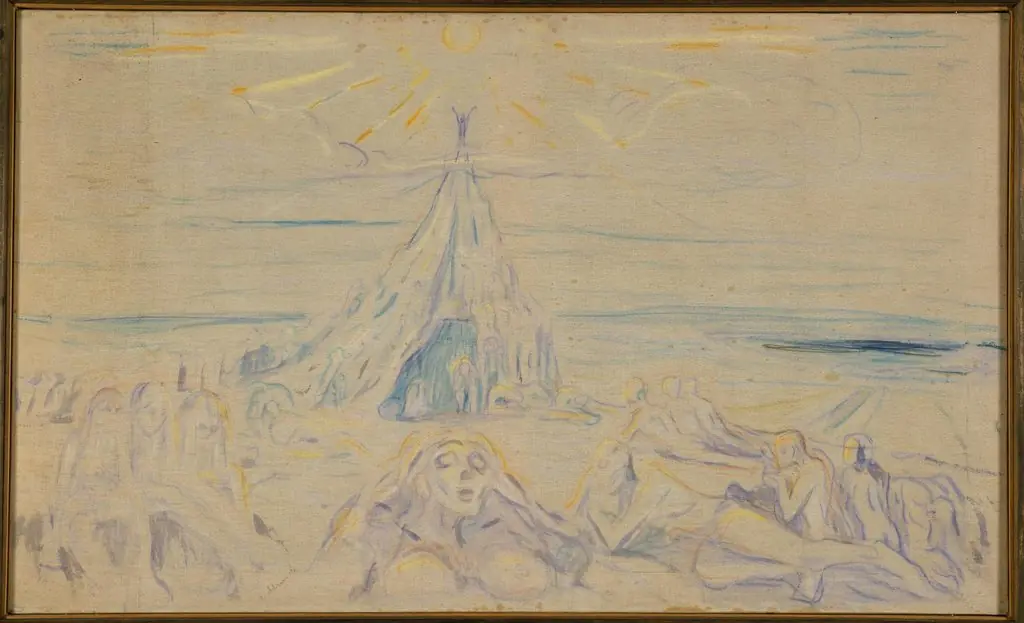
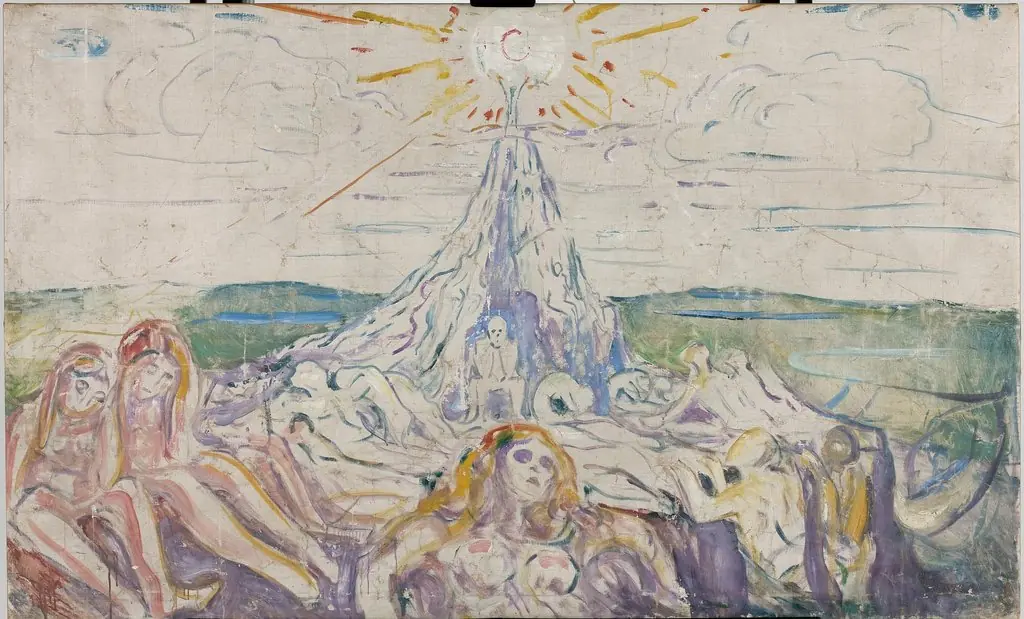
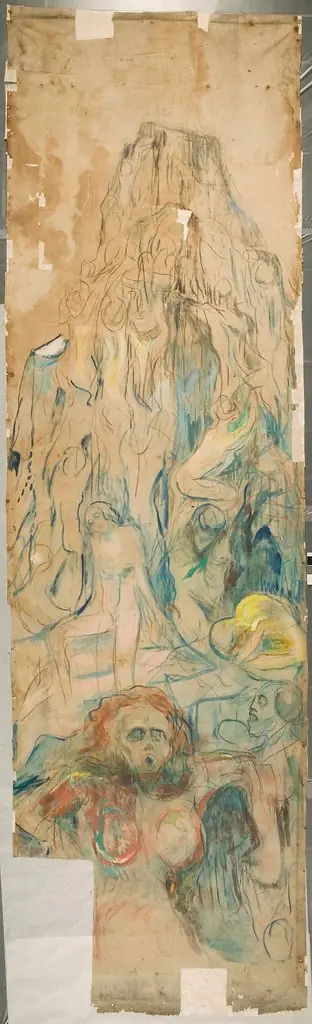
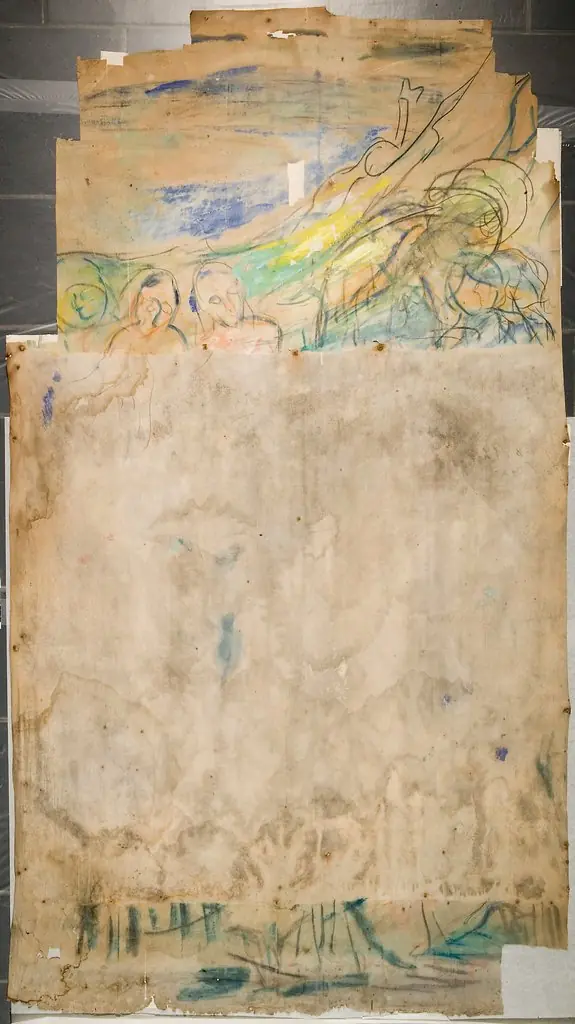
The Human Mountain is an oil painting by the Post-Impressionist artist Edvard Munch. It dates from 1909 and is held in the collection of the Munch Museum.
About this work
Check out the technique of impasto to learn more about how paintings like this are made.
The Human Mountain is a painting by Edvard Munch.
It's from 1909 and made with oil paint.
The Munch Museum holds this work, and it's a nude painting.
Edvard Munch was a Norwegian artist.
He created many works, but I don't know much about this one.
The painting is held at the Munch Museum, which might have more information about it.
Check out the technique of impasto to learn more about how paintings like this are made.
Overview
Painted in 1909, *The Human Mountain* is an oil work by Norwegian artist Edvard Munch. It belongs to a body of art shaped by personal trauma and psychological inquiry, reflecting his lifelong engagement with themes of vulnerability and existential weight. The piece is part of the permanent collection at the Munch Museum in Oslo, where it remains accessible for study and public viewing.
Subject & Meaning
The painting depicts a nude figure, rendered in a form that suggests both physical presence and emotional burden. Rather than idealizing the body, Munch emphasizes its weight and isolation, evoking a sense of inner turmoil. The title implies a metaphorical landscape of human suffering, aligning with his broader interest in the psyche as a terrain of unspoken anguish.
Technique & Style
Munch employed oil paint with deliberate texture, using thick applications and expressive brushwork to convey tension. His approach, rooted in post-impressionism, prioritizes emotional resonance over naturalism. The figure’s form is simplified yet charged, with contours that seem to merge with the surrounding space, reinforcing a sense of psychological immersion rather than physical realism.
History & Provenance
Created during a period of intense personal reflection, the painting entered the Munch Museum’s collection following the artist’s death, as part of his bequest of nearly 1,100 paintings and 18,000 prints. Its provenance is well-documented through Munch’s own records, ensuring its authenticity and contextual continuity within his oeuvre.
Context
Munch’s work in this era was shaped by his early exposure to radical thinkers like Hans Jæger, whose nihilist philosophy influenced his view of human existence. His training at the Royal School of Art and Design in Kristiania provided technical grounding, but his artistic direction remained driven by inner experience rather than academic convention.
Legacy
*The Human Mountain* contributes to Munch’s enduring exploration of the human condition through visual metaphor. While less widely known than *The Scream*, it exemplifies his consistent focus on psychological depth, influencing later artists who sought to express inner states through form and texture rather than narrative clarity.
Artist & collection
Artist
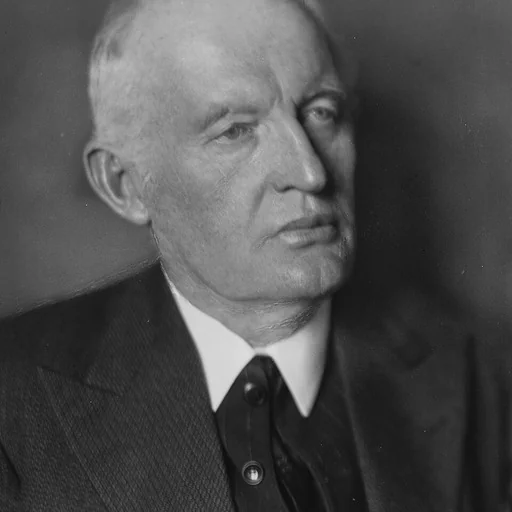
Edvard Munch ( MUUNK; Norwegian: ; 12 December 1863 – 23 January 1944) was a Norwegian painter.