Artwork
The Human Mountain
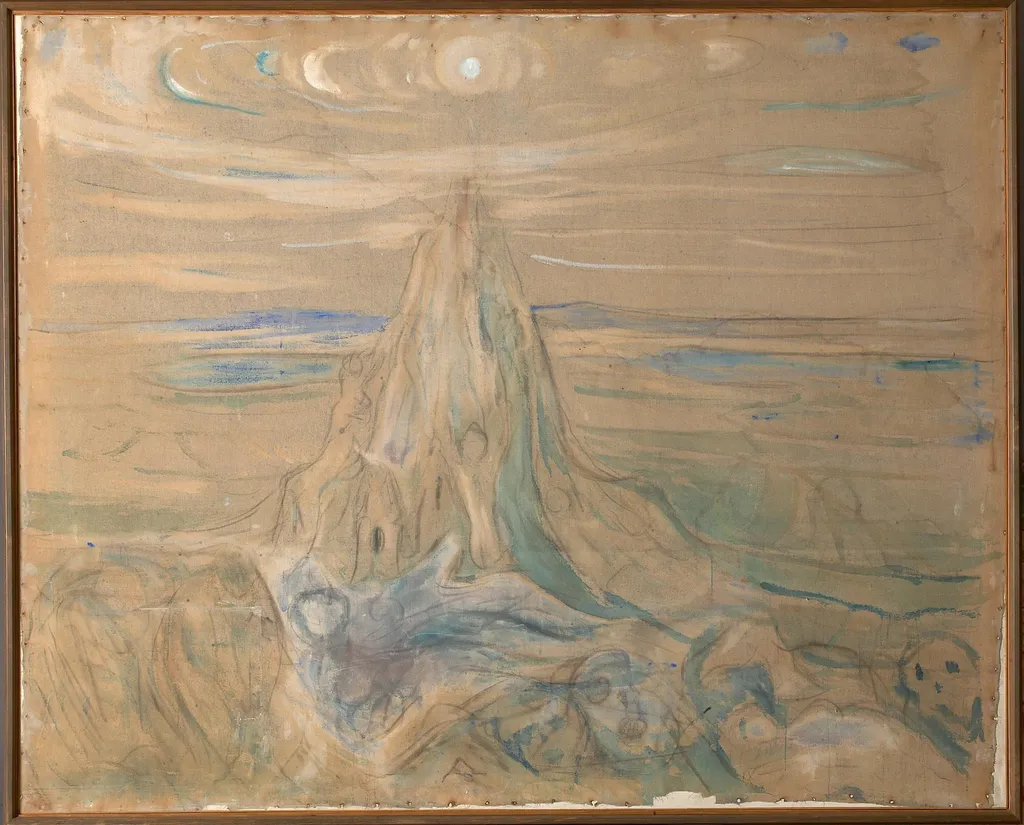
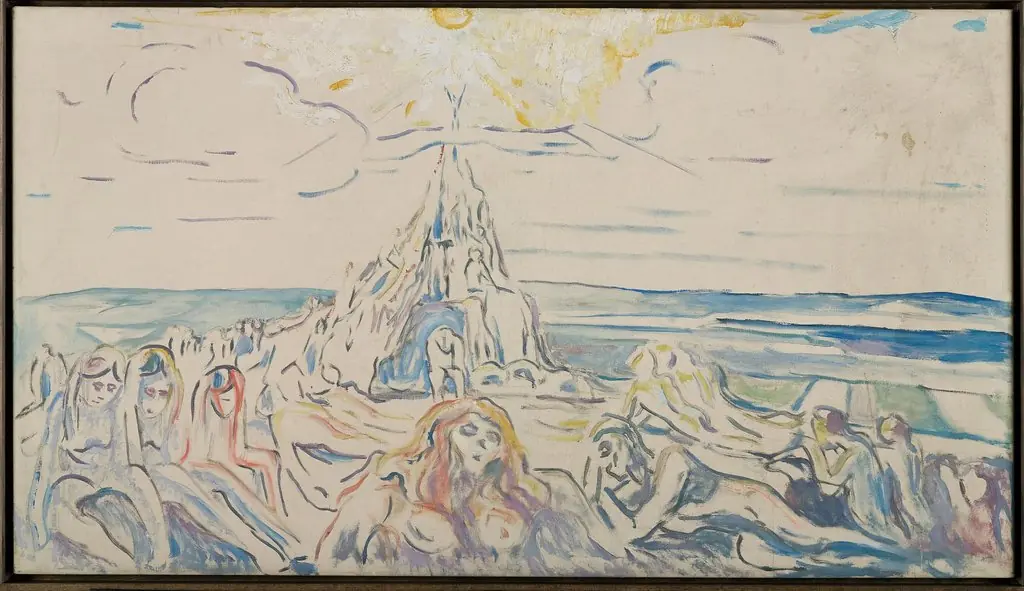
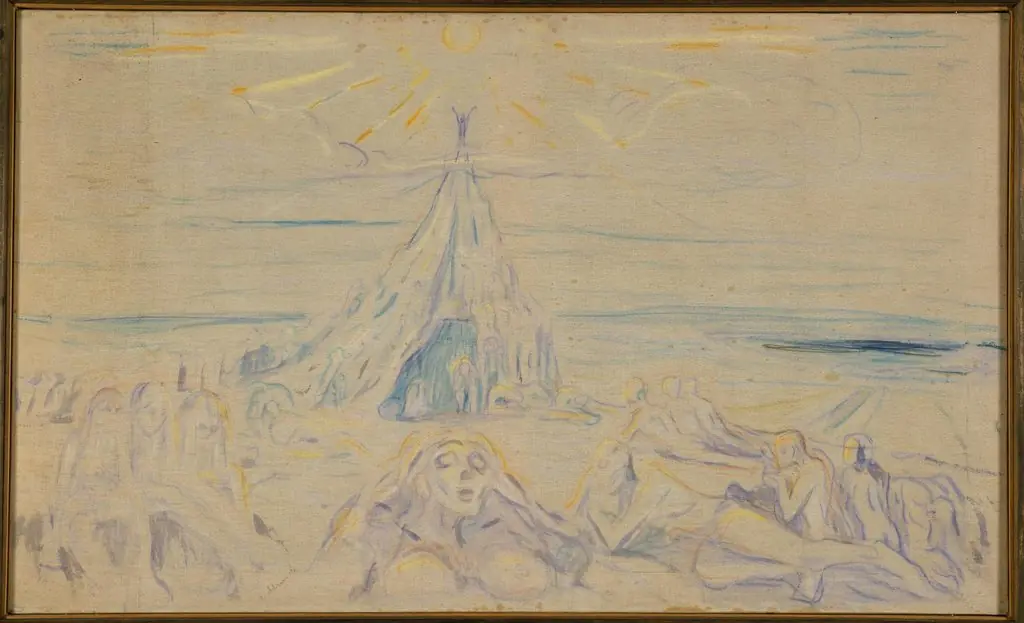
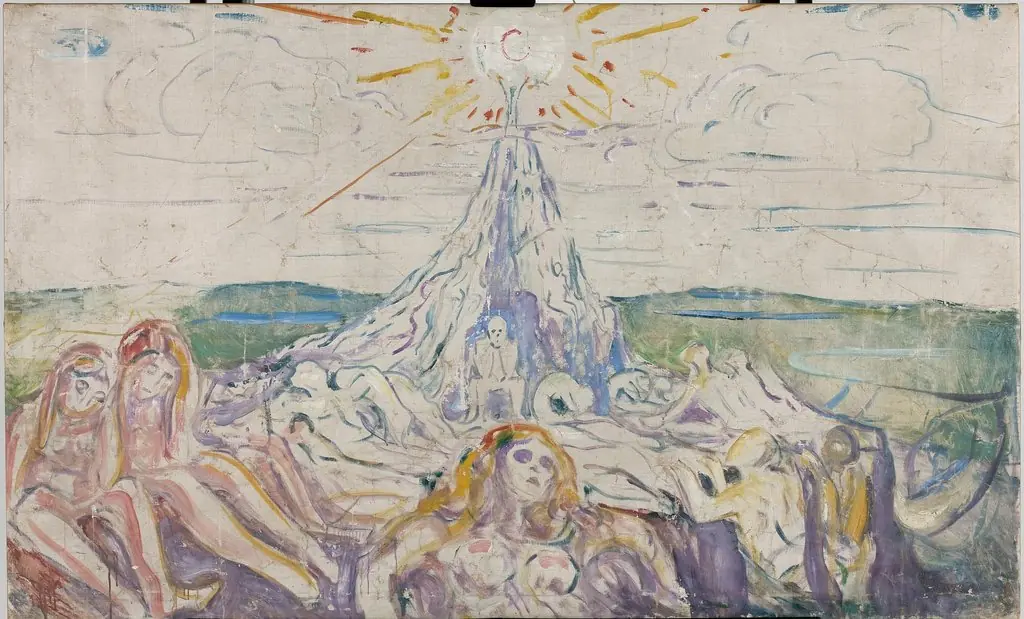
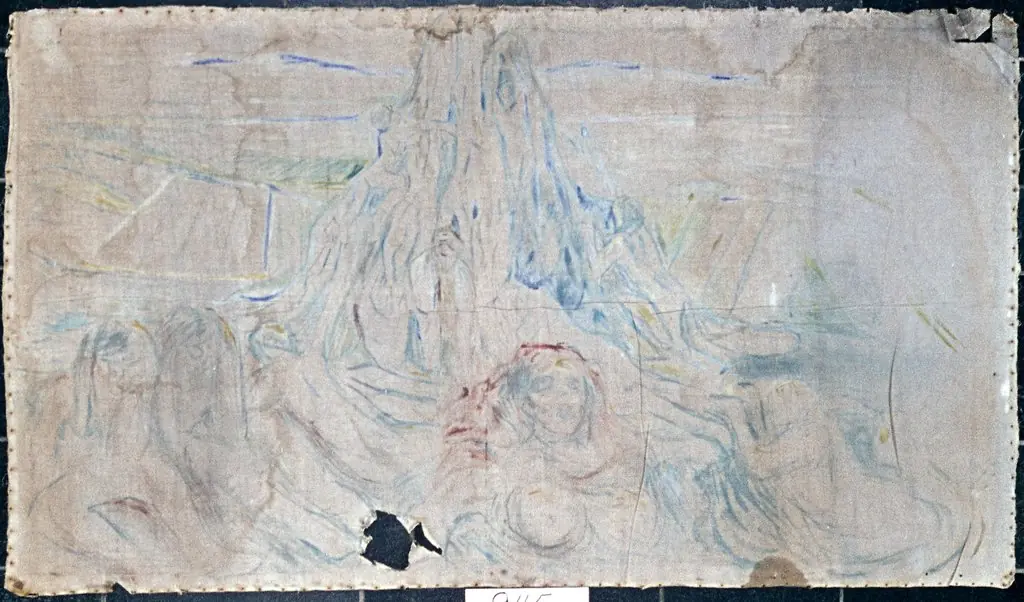
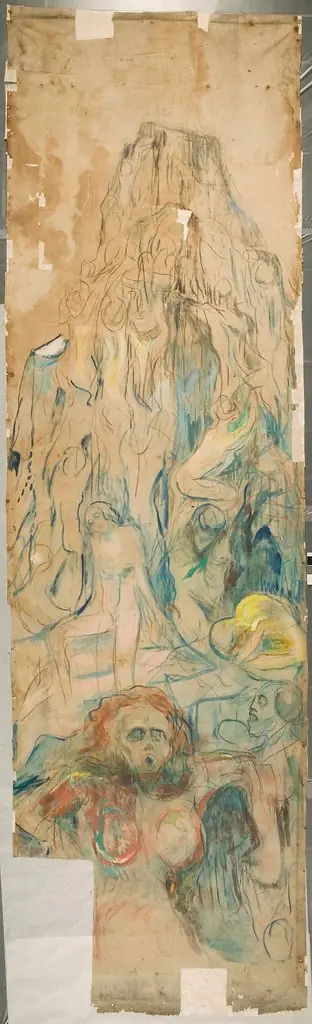
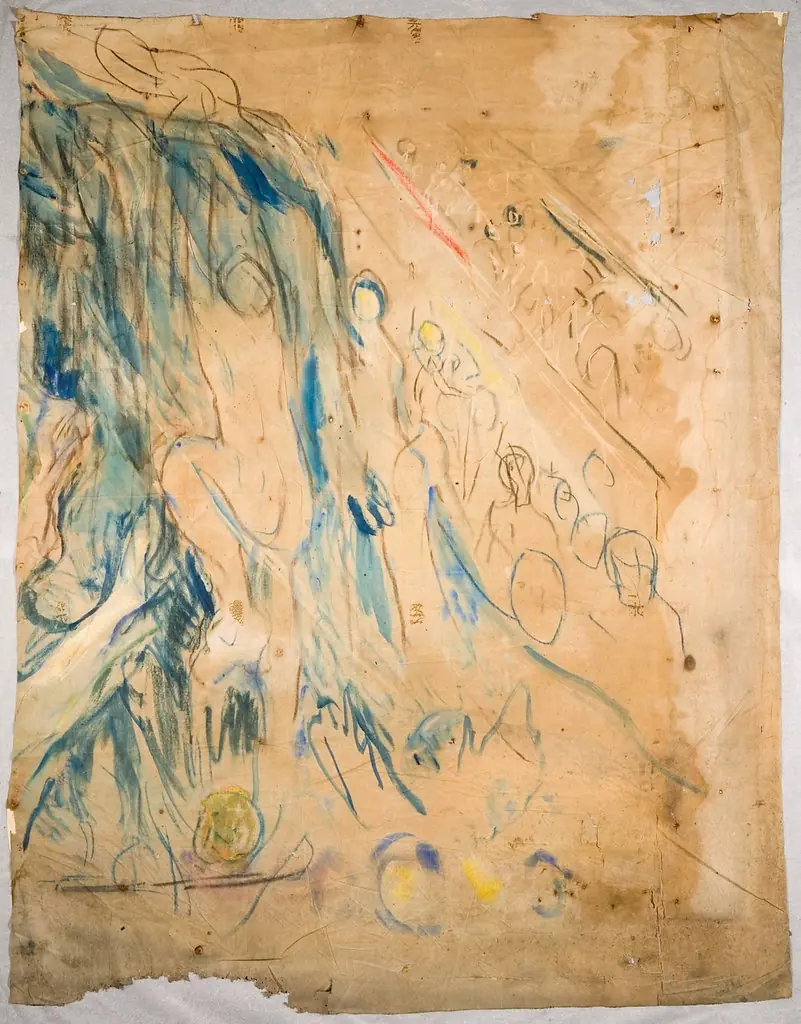
The Human Mountain is a charcoal painting by the Post-Impressionist artist Edvard Munch. It dates from 1909 and is held in the collection of the Munch Museum.
About this work
Overview
Created in 1909, *The Human Mountain* is a tempera painting by Norwegian artist Edvard Munch. The work presents a solitary, mountain‑shaped figure whose distorted face and outstretched arms dominate a dark, atmospheric background. Its stark composition and intense coloration convey a mood of inner turmoil and psychological tension.
Subject & Meaning
The central figure resembles a human form merged with a mountain, its contorted expression suggesting a blend of anguish, fear, and existential dread. By isolating this singular, monumental presence, Munch visualizes the weight of personal suffering and the feeling of being overwhelmed by inner forces.
Technique & Style
Munch employed tempera, allowing for layered brushwork that creates subtle texture and depth. The visible strokes and the contrast between the dark backdrop and the illuminated figure enhance the dramatic impact, aligning the piece with post‑impressionist concerns for emotional expression over realistic representation.
History & Provenance
The painting entered the collection of the Munch Museum in Oslo, where it remains on display. It was produced after Munch’s formative years at the Royal School of Art and Design in Kristiania and reflects the influence of contemporary nihilist thought, particularly the writings of Hans Jæger.
Context
*The Human Mountain* belongs to the later phase of Munch’s career, when he turned increasingly toward symbolic depictions of mental states. While best known for *The Scream*, this work demonstrates his ongoing exploration of how personal trauma and existential anxiety can be rendered through bold, simplified forms.
Artist & collection
Artist
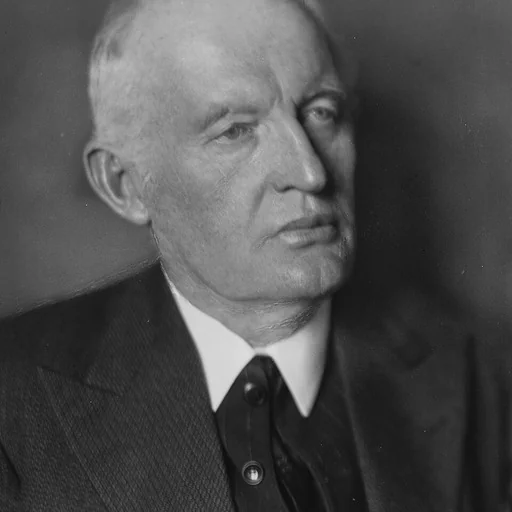
Edvard Munch ( MUUNK; Norwegian: ; 12 December 1863 – 23 January 1944) was a Norwegian painter.