Artwork
Portfolio I, Plate 38: Sunset in Navaho-Land
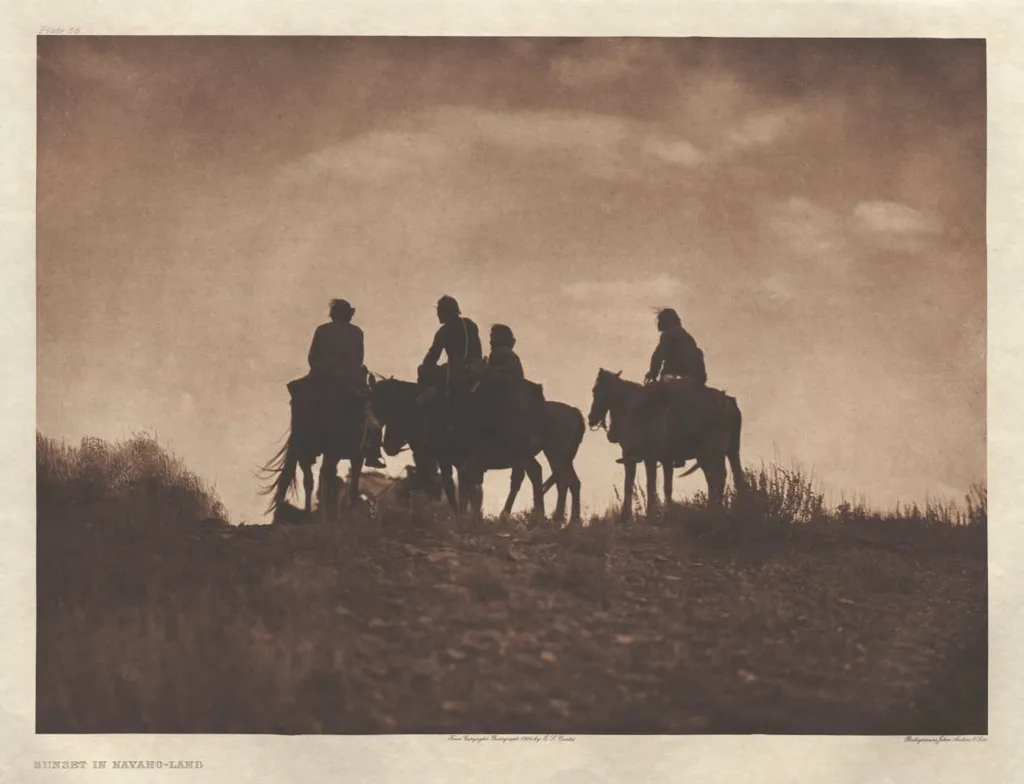
Portfolio I, Plate 38: Sunset in Navaho-Land is a work on paper by Edward S. Curtis. It dates from 1904 and is held in the collection of the Cleveland Museum of Art. Created in 1904, Plate 38 from Edward S.
About this work
If you're interested in learning more about photography techniques, you might want to look up chiaroscuro.
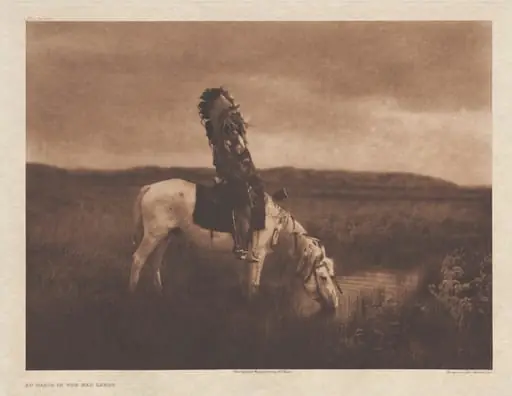
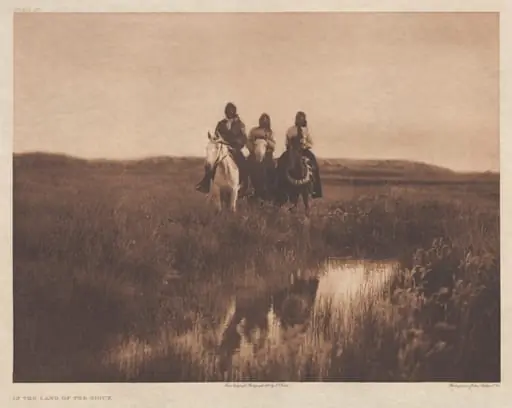
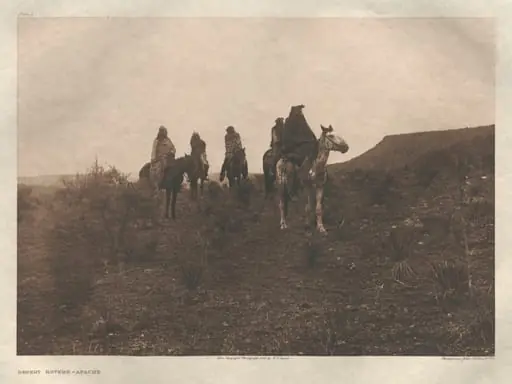
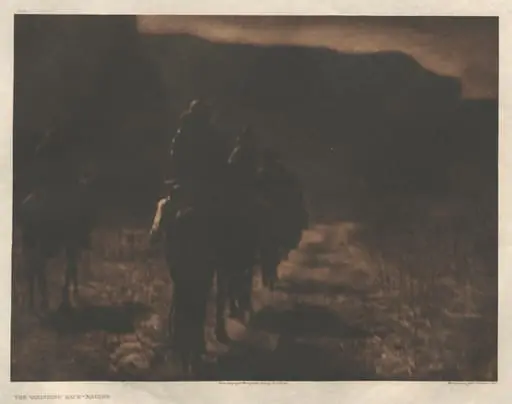
This image shows four people on horseback, riding along a ridge. The horses are in silhouette, and the people are wearing traditional clothing. The sky is cloudy and gray.
In the foreground, there are some bushes and grasses. The overall mood of the image is one of quiet contemplation.
The image is a photograph by Edward S. Curtis, taken in 1904. It is held at The Cleveland Museum of Art. If you're interested in learning more about photography techniques, you might want to look up chiaroscuro.
Overview
Created in 1904, Plate 38 from Edward S. Curtis’s Portfolio I captures a quiet moment in the American Southwest. The photograph depicts four riders on horseback traversing a high ridge at dusk. Rendered in soft tonal gradations, the scene avoids dramatic contrast, instead emphasizing stillness and the fading light. It is part of Curtis’s broader documentation of Indigenous life, now held in the collection of The Cleveland Museum of Art.
Subject & Meaning
The four figures, dressed in traditional attire, move slowly across the landscape, their forms merging with the silhouette of their horses. The composition suggests a journey or return, not a staged event. The muted sky and sparse vegetation reinforce a sense of solitude and endurance. Curtis presents the subjects not as exotic figures but as integral to the land, their presence harmonizing with the natural environment.
Technique & Style
Curtis employed large-format plate photography and long exposures to capture the subtle shifts of light at twilight. The image relies on natural chiaroscuro, with figures emerging from shadow against a pale, overcast sky. Fine detail in the brush and grasses contrasts with the blurred motion of the riders, enhancing the contemplative mood. The tonal range is restrained, avoiding sharp highlights to preserve atmospheric quiet.
History & Provenance
This photograph was produced during Curtis’s decade-long expedition to document Native American cultures, funded privately and later published in his monumental The North American Indian. Plate 38 was included in the first portfolio series issued in 1907. The Cleveland Museum of Art acquired it as part of its growing collection of early 20th-century photographic works, recognizing its historical and aesthetic significance.
Context
Curtis worked amid shifting federal policies and cultural erasure, aiming to record lifeways he believed were vanishing. His images, while often romanticized, preserved visual records of dress, movement, and landscape that few other photographers had attempted with such consistency. This photograph reflects his method of waiting for natural moments, avoiding overt staging, even as his broader project carried the weight of its era’s assumptions.
Legacy
Though later critiqued for its idealized framing, Curtis’s work remains a critical archive of Indigenous presence in the American West. Plate 38 endures for its restraint and sensitivity to light and place. Contemporary scholars and Indigenous communities engage with it not as a definitive representation, but as a complex artifact of early ethnographic photography and its enduring visual language.
Artist & collection

 Portfolio XVI, Plate 573: Acoma Water Girls
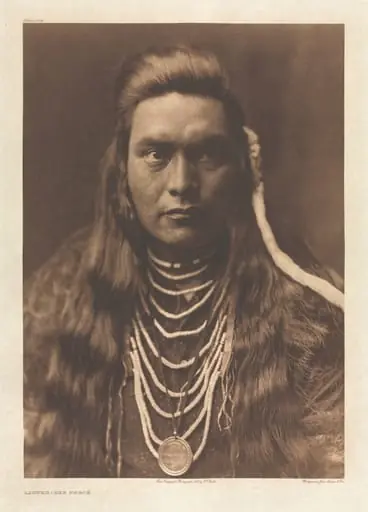 Portfolio VIII, Plate 264: Lawyer - Nez Percé
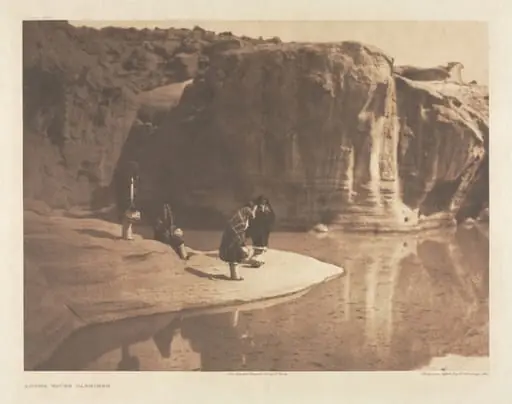 Portfolio XVI, Plate 568: Acoma Water Carriers
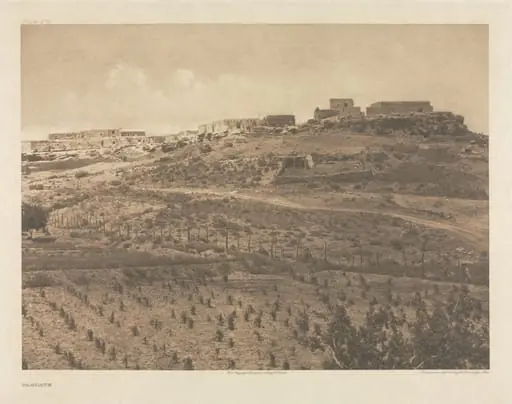 Portfolio XVI, Plate 574: Paguate
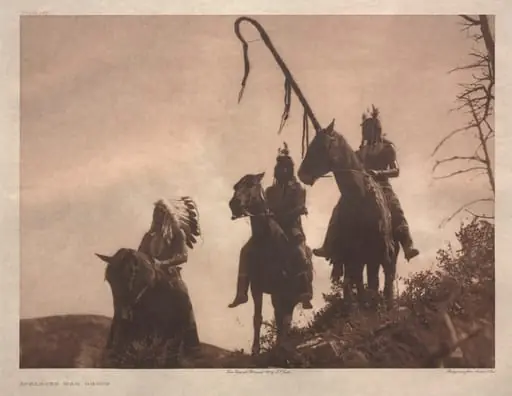 Portfolio IV, Plate 147: Apsaroke War Group
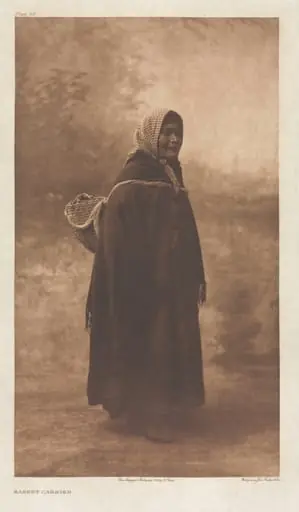 Portfolio IX, Plate 311: Basket Carrier
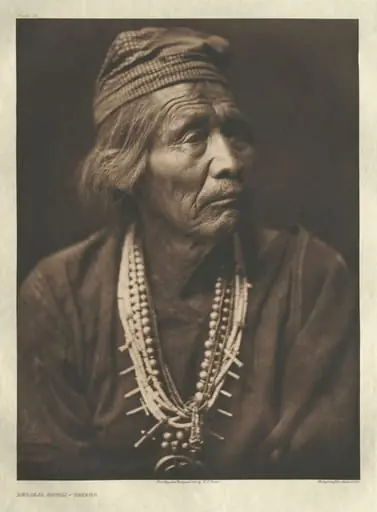 Portfolio I, Plate 31: Nesjája Hatáli-Navaho
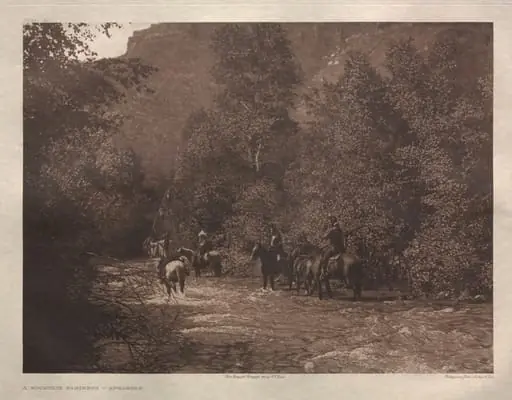 Portfolio IV, Plate 140: A Mountain Fastness--Apsaroke