Artwork
Portfolio XVI, Plate 564: Acoma Belfry
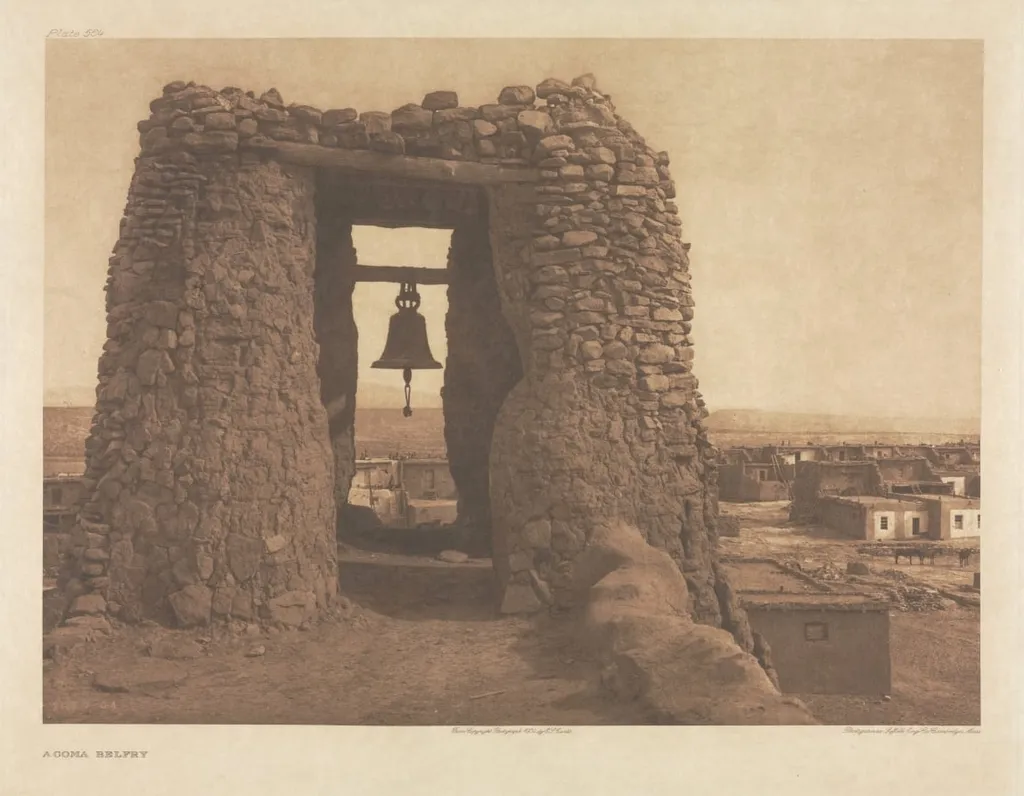
Portfolio XVI, Plate 564: Acoma Belfry is a work on paper by Edward S. Curtis. It dates from 1904 and is held in the collection of the Cleveland Museum of Art.
About this work
Overview
Created in 1904, it is one of many images in his ethnographic series, capturing architectural and cultural details with deliberate composition.
Portfolio XVI, Plate 564: Acoma Belfry is a photographic print from Edward S. Curtis’s larger project documenting Indigenous communities of the American West. Created in 1904, it is one of many images in his ethnographic series, capturing architectural and cultural details with deliberate composition. The work is part of the collection at The Cleveland Museum of Art, where it is preserved as a historical record rather than a decorative piece.
Subject & Meaning
The image centers on a stone bell tower at Acoma Pueblo, a Native community in New Mexico. The bell, suspended within the doorway, is the sole focal point against a muted landscape. Its presence suggests the integration of Spanish colonial religious elements into Pueblo life, while the empty space beyond the tower evokes isolation and endurance. The composition invites contemplation of cultural synthesis and quiet resilience.
Technique & Style
Curtis employed large-format film and long exposures to capture fine detail and tonal range. The stone structure is rendered with sharp clarity, its rough texture emphasized by natural light. The background is softened into a hazy expanse of desert, drawing attention to the bell. The image avoids dramatic staging, favoring a restrained, documentary approach that aligns with Curtis’s broader ethnographic aims.
History & Provenance
The photograph was taken during Curtis’s fieldwork in the early 20th century as part of his monumental effort to record Native American life before it was irrevocably altered. It entered The Cleveland Museum of Art’s collection through acquisition or donation, likely as part of a larger set of prints from his published volumes. Its preservation reflects institutional interest in early photographic ethnography.
Context
Curtis’s work emerged amid growing anthropological interest in Indigenous cultures and the pressures of assimilation policies. His images, including this one, were intended as archival records, though later critiques note their romanticized framing. The Acoma Belfry reflects the layered history of Spanish mission influence on Pueblo architecture, a subtle but significant cultural convergence.
Legacy
Though Curtis’s methods and motivations are now subject to scholarly reevaluation, his photographs remain vital historical documents. This image contributes to the visual record of Acoma Pueblo’s material culture and the persistence of colonial-era structures within Indigenous communities. It continues to be studied for its formal qualities and its role in shaping early 20th-century perceptions of Native America.
Artist & collection

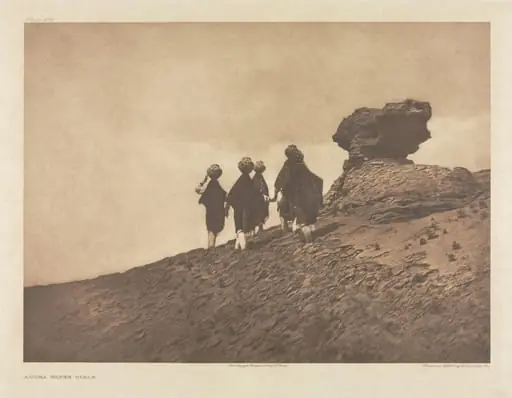 Portfolio XVI, Plate 573: Acoma Water Girls
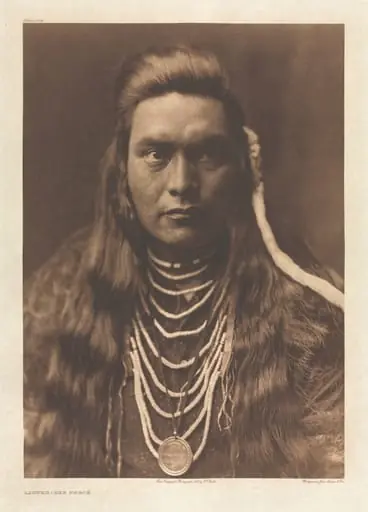 Portfolio VIII, Plate 264: Lawyer - Nez Percé
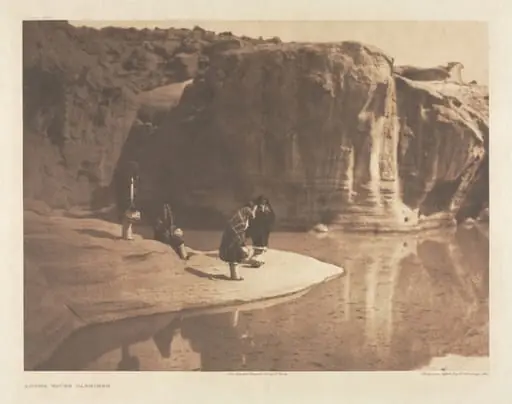 Portfolio XVI, Plate 568: Acoma Water Carriers
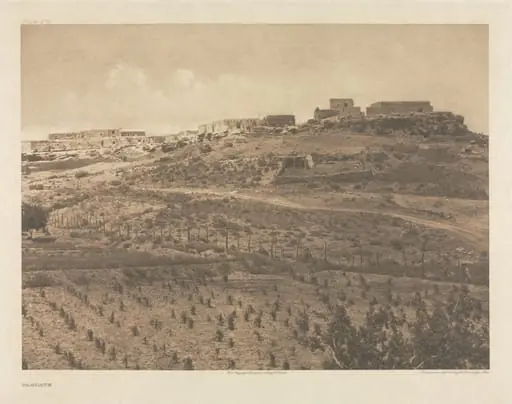 Portfolio XVI, Plate 574: Paguate
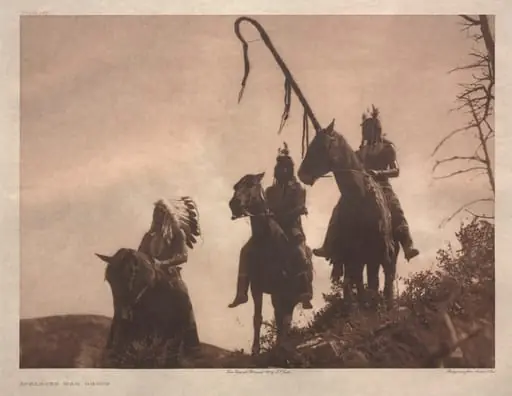 Portfolio IV, Plate 147: Apsaroke War Group
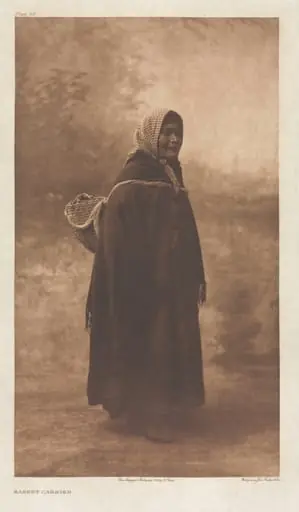 Portfolio IX, Plate 311: Basket Carrier
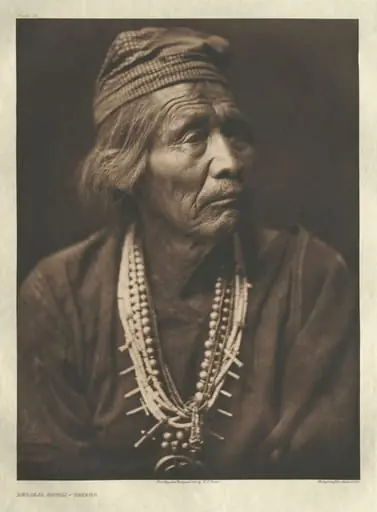 Portfolio I, Plate 31: Nesjája Hatáli-Navaho
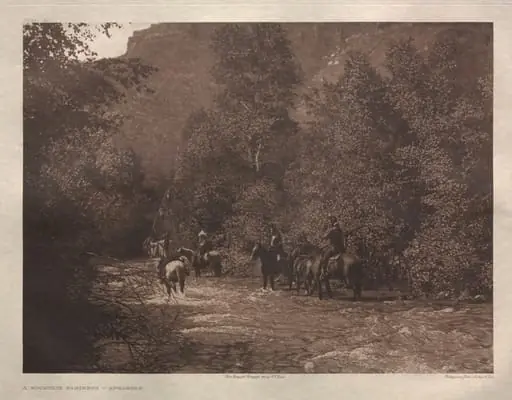 Portfolio IV, Plate 140: A Mountain Fastness--Apsaroke
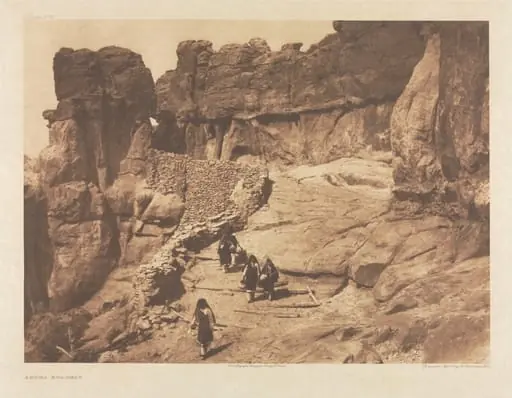 Portfolio XVI, Plate 570: Acoma Roadway
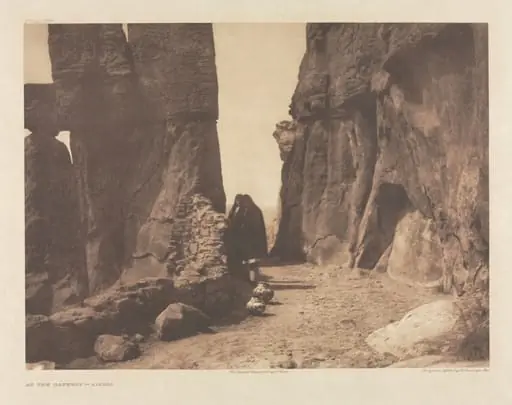 Portfolio XVI, Plate 569: At the Gateway - Acoma
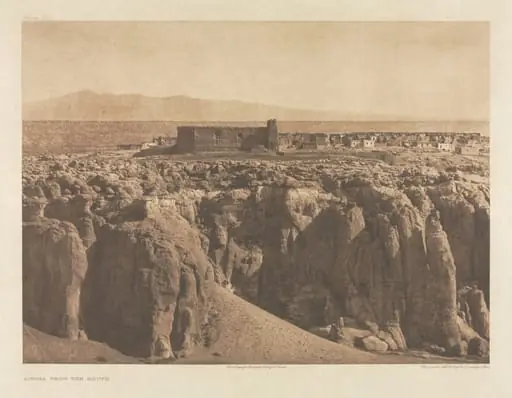 Portfolio XVI, Plate 566: Acoma from the South
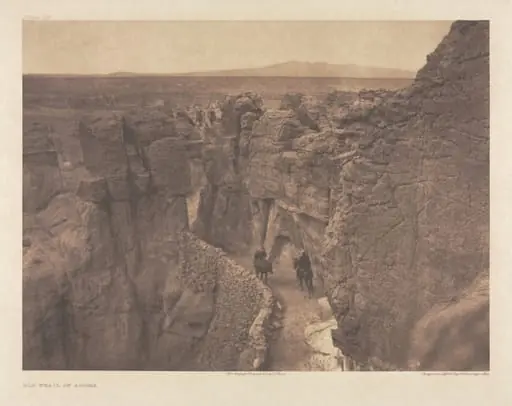 Portfolio XVI, Plate 567: Old Trail at Acoma
 Portfolio XVII, Plates 580- 615
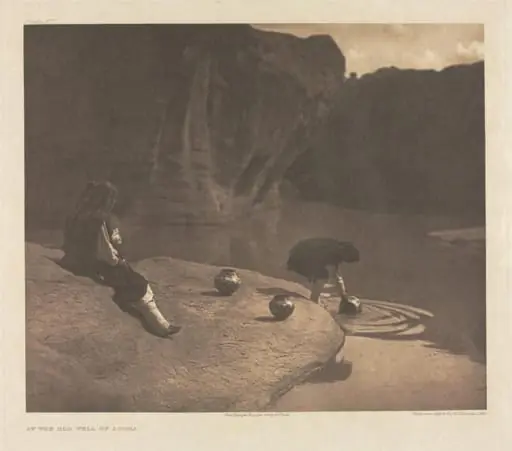 Portfolio XVI, Plate 571: At the Old Well of Acoma
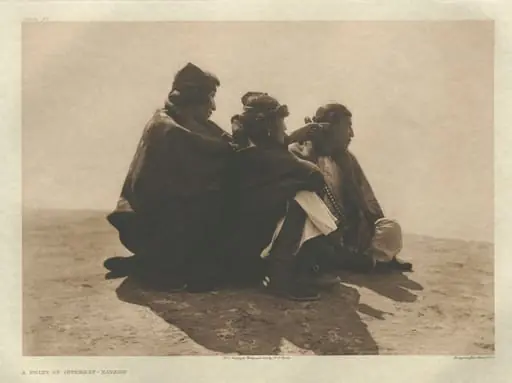 Portfolio I, Plate 36: A Point of Interest-Navaho