Artwork
Portfolio XVI, Plate 572: An Acoma Woman
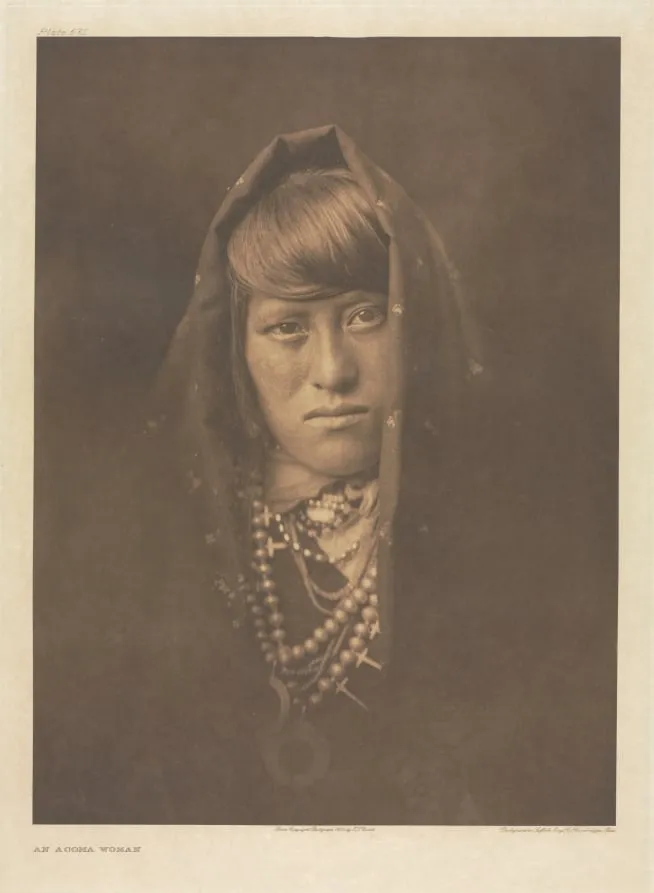
Portfolio XVI, Plate 572: An Acoma Woman is a work on paper by Edward S. Curtis. It dates from 1904 and is held in the collection of the Cleveland Museum of Art. Created in 1904 as part of Edward S.
About this work
The photo looks like it was taken a long time ago, with a soft, slightly faded quality.
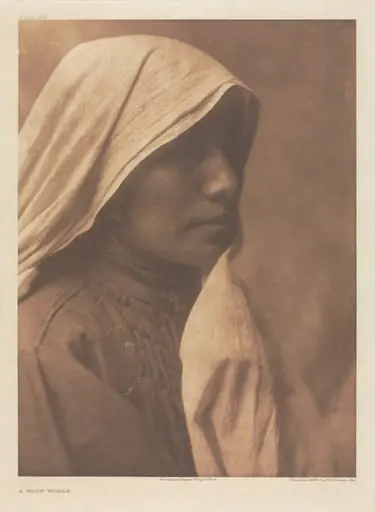
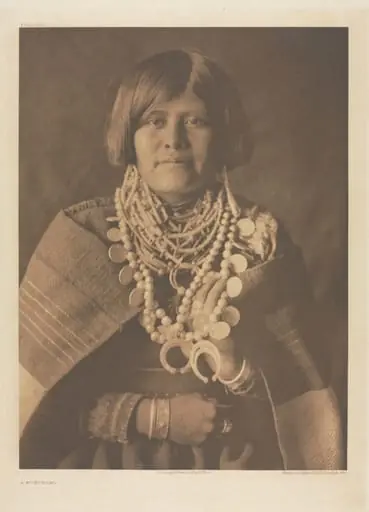
This is a black-and-white portrait of a woman with a serious expression. She’s wearing a dark shawl draped over her head, leaving her face mostly visible. Around her neck, she has several layers of beaded necklaces that catch the light.
The photo looks like it was taken a long time ago, with a soft, slightly faded quality. The title even says it’s from a 1904 portfolio.
If you like this style, check out *The Cleveland Museum of Art*.
Overview
Created in 1904 as part of Edward S. Curtis’s larger ethnographic project, this image is Plate 572 from Portfolio XVI. It is a gelatin silver print, one of hundreds produced to document Indigenous peoples of North America. The work resides in the collection of The Cleveland Museum of Art, where it is preserved as a historical record rather than a standalone artistic piece.
Subject & Meaning
The portrait depicts a woman from Acoma Pueblo, identified by her traditional attire and dignified bearing. Her expression is composed, avoiding direct engagement with the viewer, which reflects Curtis’s tendency to frame subjects with a sense of solemnity. The layered beadwork around her neck suggests cultural significance, possibly denoting status or ceremonial use, though the specific meaning remains unrecorded.
Technique & Style
Curtis employed soft-focus lighting and long exposure to achieve a muted, atmospheric quality. The image’s tonal gradations and slight fading are characteristic of early 20th-century photographic processes. The composition isolates the subject against a neutral background, emphasizing texture in fabric and beadwork while minimizing contextual detail.
History & Provenance
The photograph was produced during Curtis’s extensive fieldwork across the American Southwest. It was originally published in his multi-volume series The North American Indian, released in installments between 1907 and 1930. The Cleveland Museum of Art acquired the print as part of its broader collection of Curtis’s photographic work, likely in the mid-20th century.
Context
Curtis’s project emerged during a period of rapid cultural change for Native communities, driven by federal assimilation policies and displacement. While his images are valued for their detail, they also reflect a romanticized, often static view of Indigenous life. This portrait, like others in the series, was made without extensive documentation of the subject’s name or personal history.
Legacy
The image continues to be studied for its technical execution and its role in shaping public perceptions of Native Americans. Contemporary scholars critique its lack of agency given to subjects, while acknowledging its archival importance. It remains a touchstone in discussions about representation, ethics, and the intersection of photography and anthropology.
Artist & collection

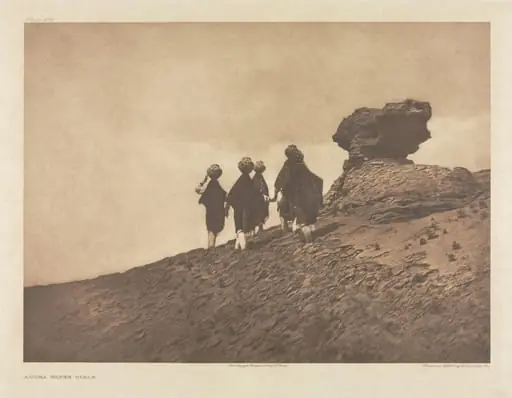 Portfolio XVI, Plate 573: Acoma Water Girls
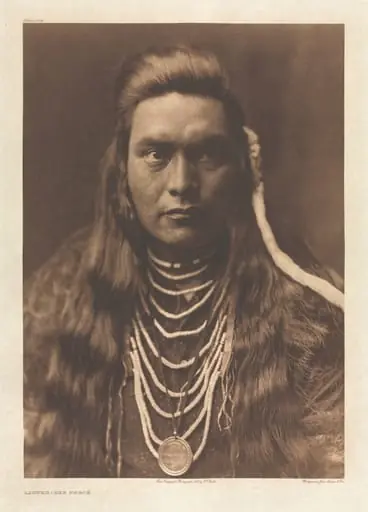 Portfolio VIII, Plate 264: Lawyer - Nez Percé
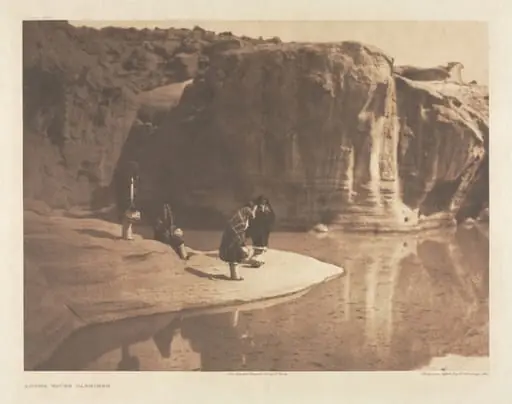 Portfolio XVI, Plate 568: Acoma Water Carriers
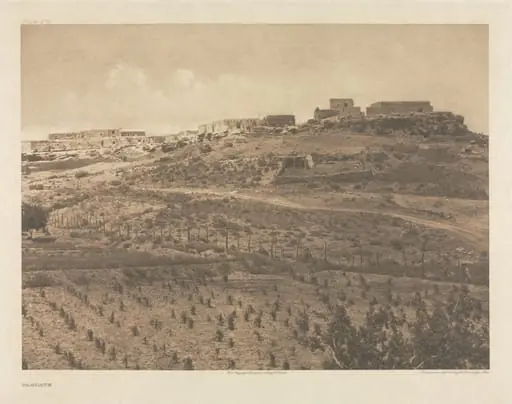 Portfolio XVI, Plate 574: Paguate
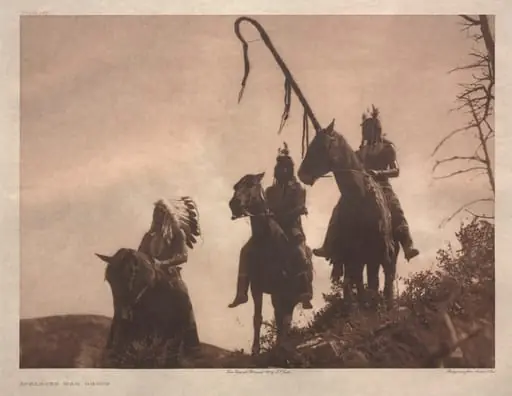 Portfolio IV, Plate 147: Apsaroke War Group
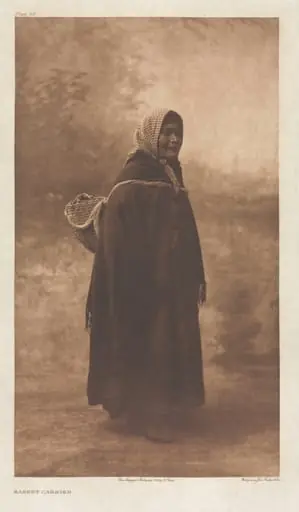 Portfolio IX, Plate 311: Basket Carrier
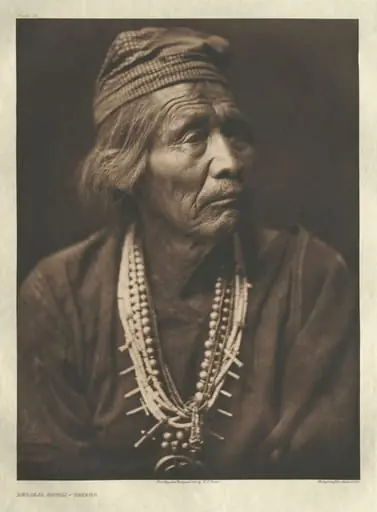 Portfolio I, Plate 31: Nesjája Hatáli-Navaho
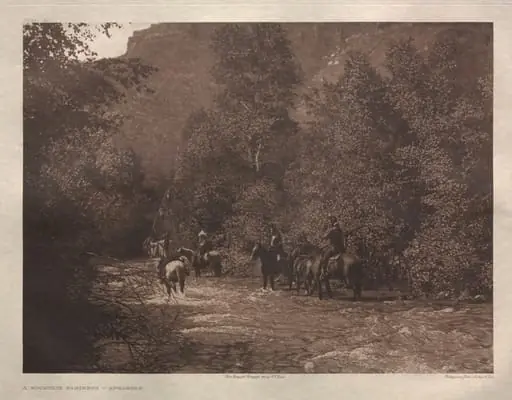 Portfolio IV, Plate 140: A Mountain Fastness--Apsaroke