Artwork
Portrait of a Gentleman from the Casa de Leiva
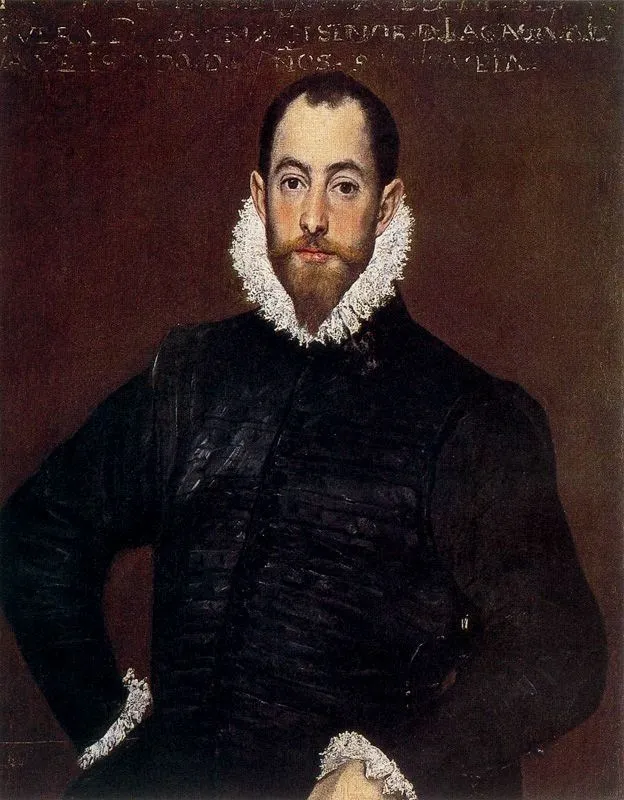
Portrait of a Gentleman from the Casa de Leiva is an oil painting by the Mannerist artist El Greco. It dates from 1590 and is held in the collection of the Montreal Museum of Fine Arts.
About this work
Overview
Painted around 1590, this oil portrait by El Greco portrays an unidentified gentleman from the Casa de Leiva family. The work is part of the collection at the Montreal Museum of Fine Arts. Rendered with deliberate restraint, the composition emphasizes the sitter’s presence through controlled lighting and a muted palette, reflecting the artist’s mature style during his time in Toledo.
Subject & Meaning
The subject is a man of apparent social standing, depicted in formal black attire with a crisp white ruff and cuffs.
The subject is a man of apparent social standing, depicted in formal black attire with a crisp white ruff and cuffs. His posture—hands resting on his hips—conveys quiet authority rather than ostentation. The absence of symbolic objects or elaborate setting suggests an emphasis on personal dignity and inner character, consistent with Spanish portraiture of the period that valued introspection over display.
Technique & Style
El Greco employs chiaroscuro to model the figure with subtle gradations of light and shadow, particularly along the jawline and folds of fabric. The dark brown background isolates the subject, enhancing the three-dimensionality of his form. Brushwork is precise yet fluid, with thin glazes building depth in the clothing and a slight elongation in the figure’s proportions that hints at the artist’s distinctive Mannerist tendencies.
History & Provenance
The portrait originates from the Casa de Leiva, a noble Spanish family associated with Toledo. It remained in private Spanish collections until the 20th century, when it entered the Montreal Museum of Fine Arts. Its documented lineage supports its attribution to El Greco and reflects the circulation of aristocratic portraiture within Iberian elite circles during the late Renaissance.
Context
Created during El Greco’s decades in Toledo, the portrait aligns with a broader trend among Spanish clergy and nobility to commission restrained, psychologically nuanced likenesses. Unlike Italian Renaissance portraits emphasizing wealth, these works prioritized spiritual gravity and personal solemnity. The painting’s somber tones and minimal background reflect the Counter-Reformation’s influence on visual culture in Spain.
Legacy
This portrait exemplifies El Greco’s ability to merge spiritual intensity with psychological realism. Though less flamboyant than his religious works, it reveals his mastery in conveying character through light and form. It remains a key reference in studies of late 16th-century Spanish portraiture, illustrating how personal identity was rendered with quiet dignity amid religious and cultural transformation.
Artist & collection
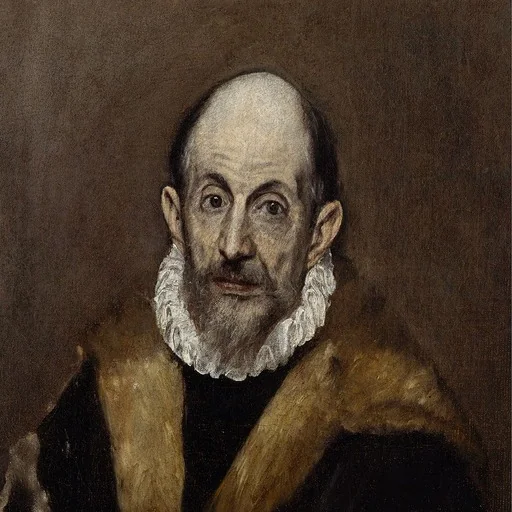
Artist
Doménikos Theotokópoulos was born in 1541 in Candia (modern Heraklion), the capital of Venetian-ruled Crete, where he was trained in the post-Byzantine tradition of icon painting.

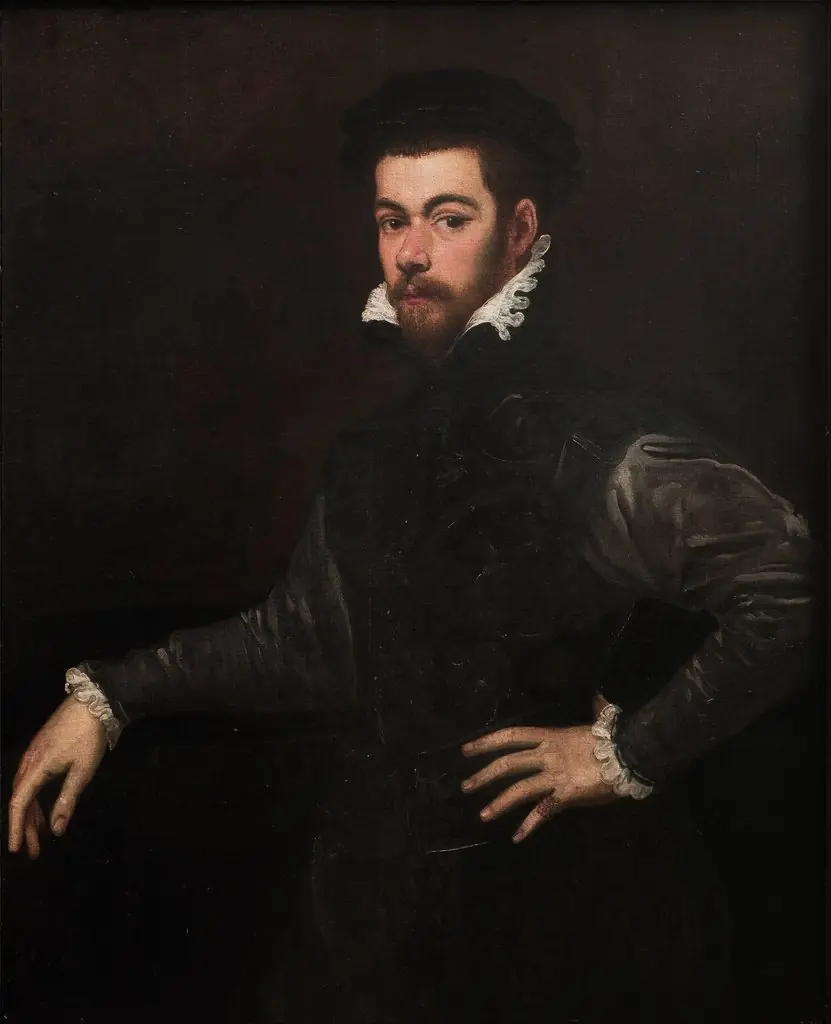 Portrait of a Gentleman
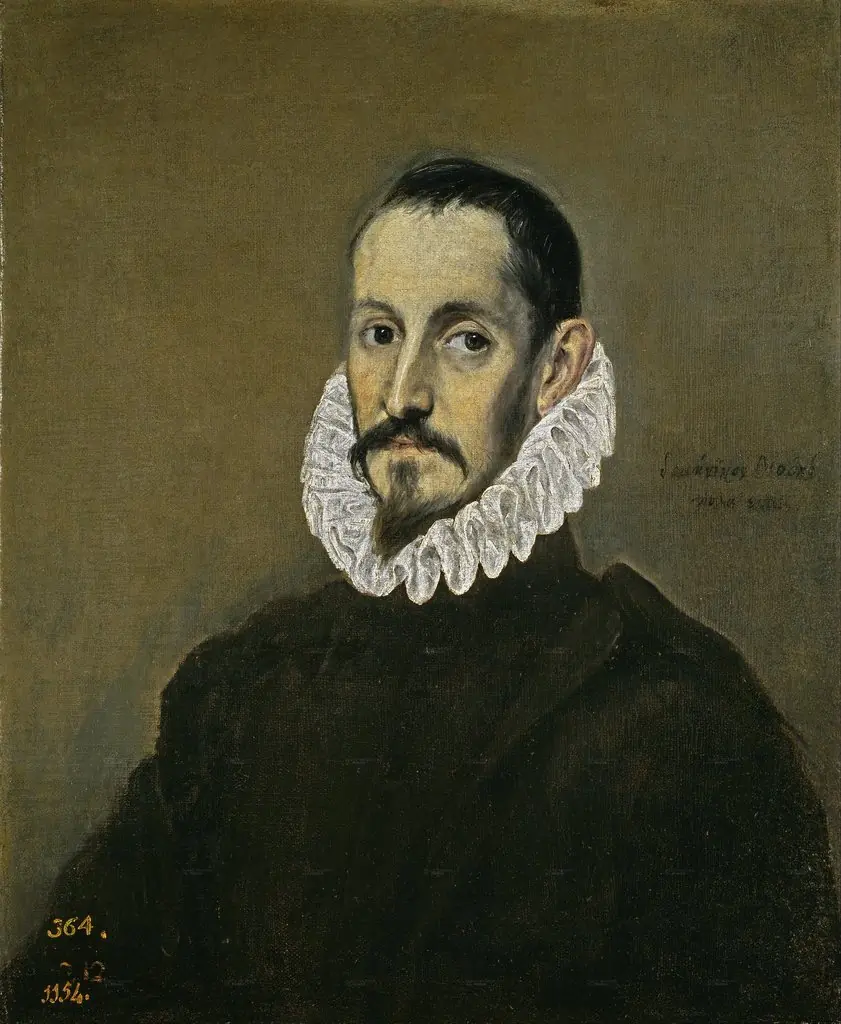 Portrait of a gentleman
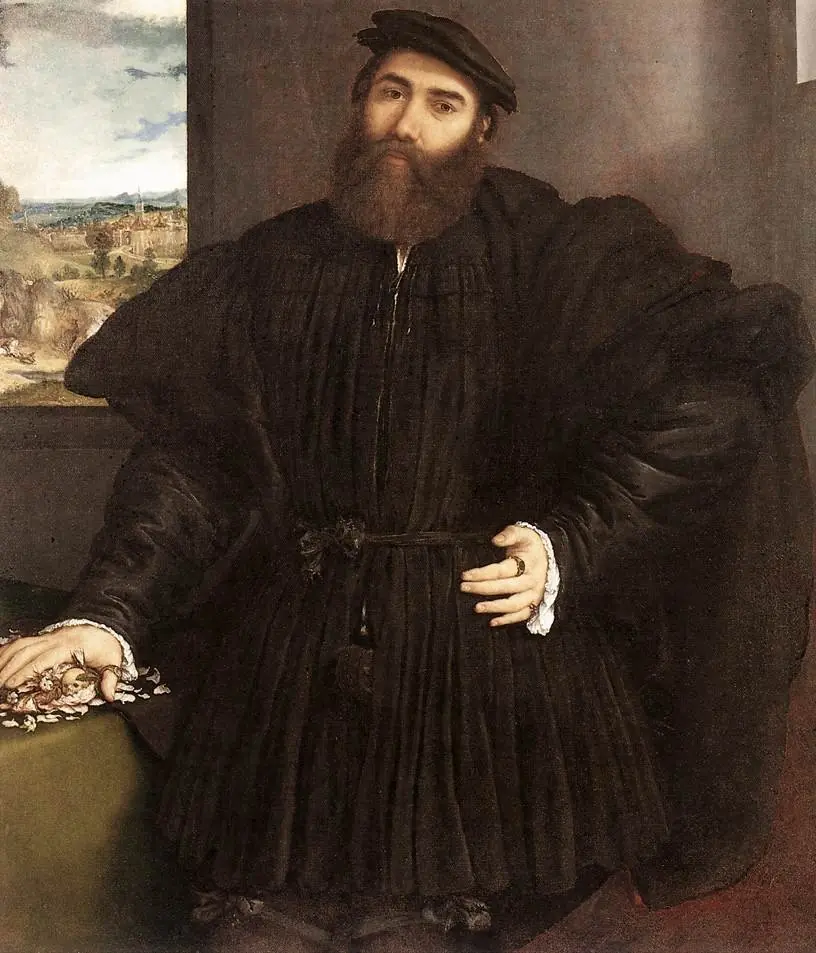 Portrait of a Gentleman
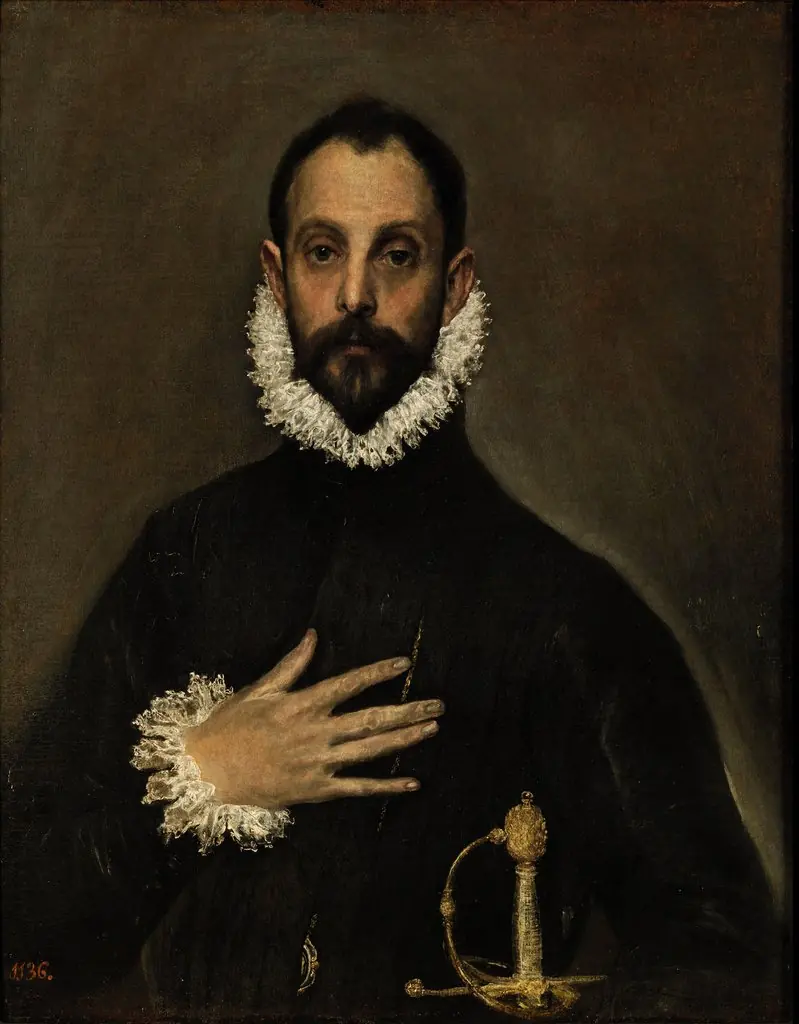 The Nobleman with his Hand on his Chest
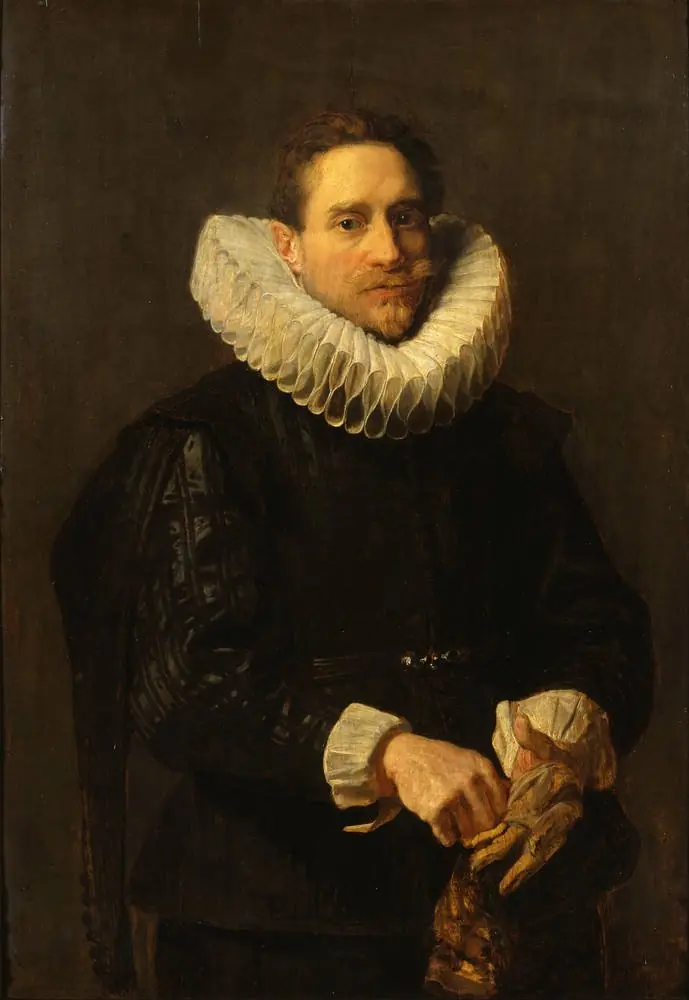 Portrait of a Man
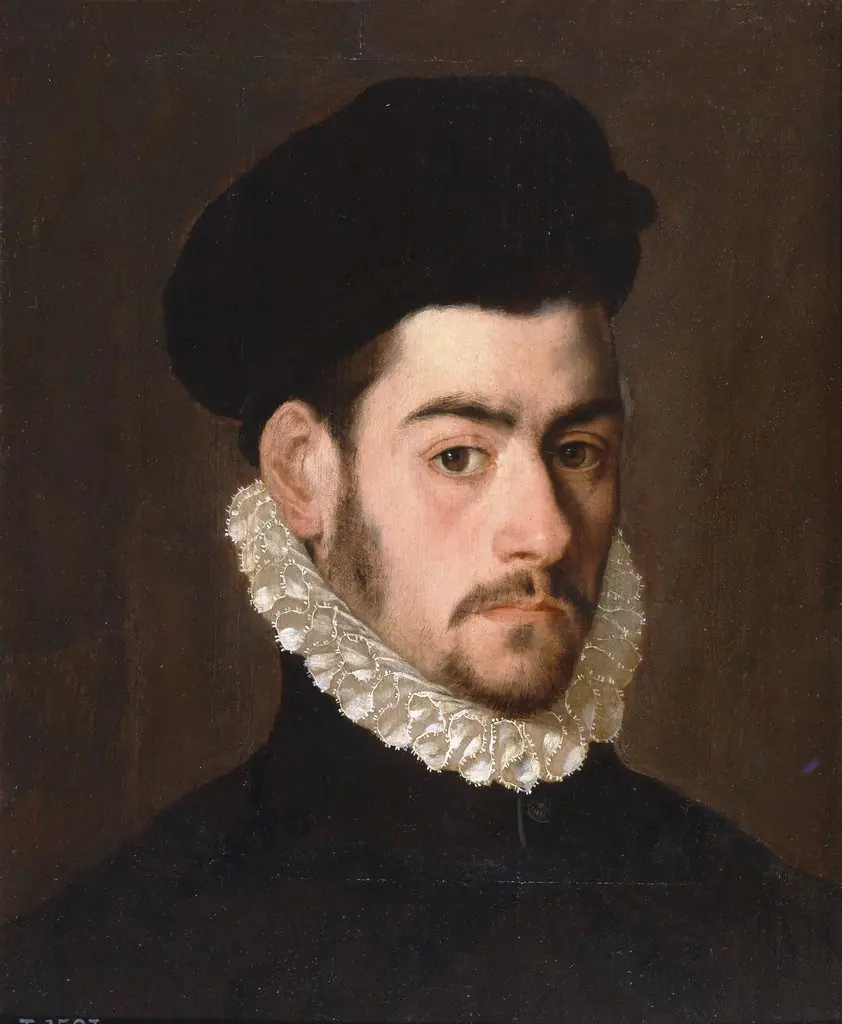 Self-portrait (?)
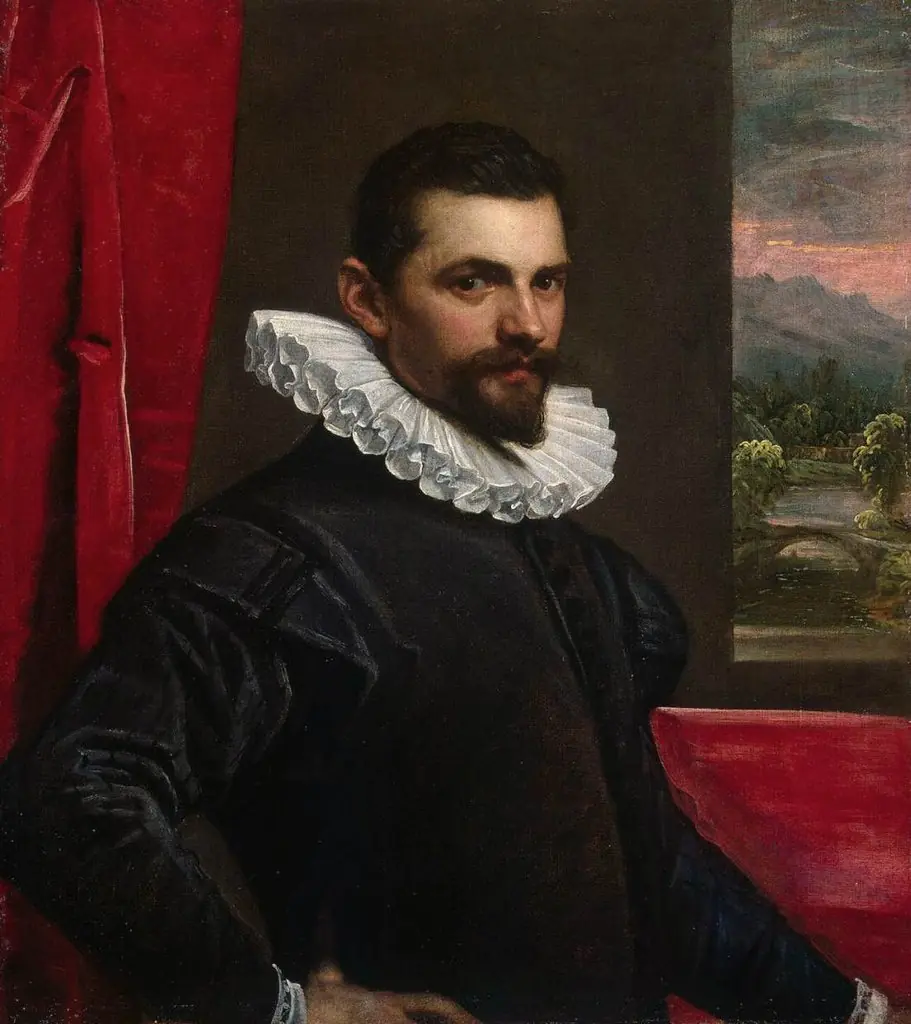 Portrait of a Man (Francesco Bassano?)
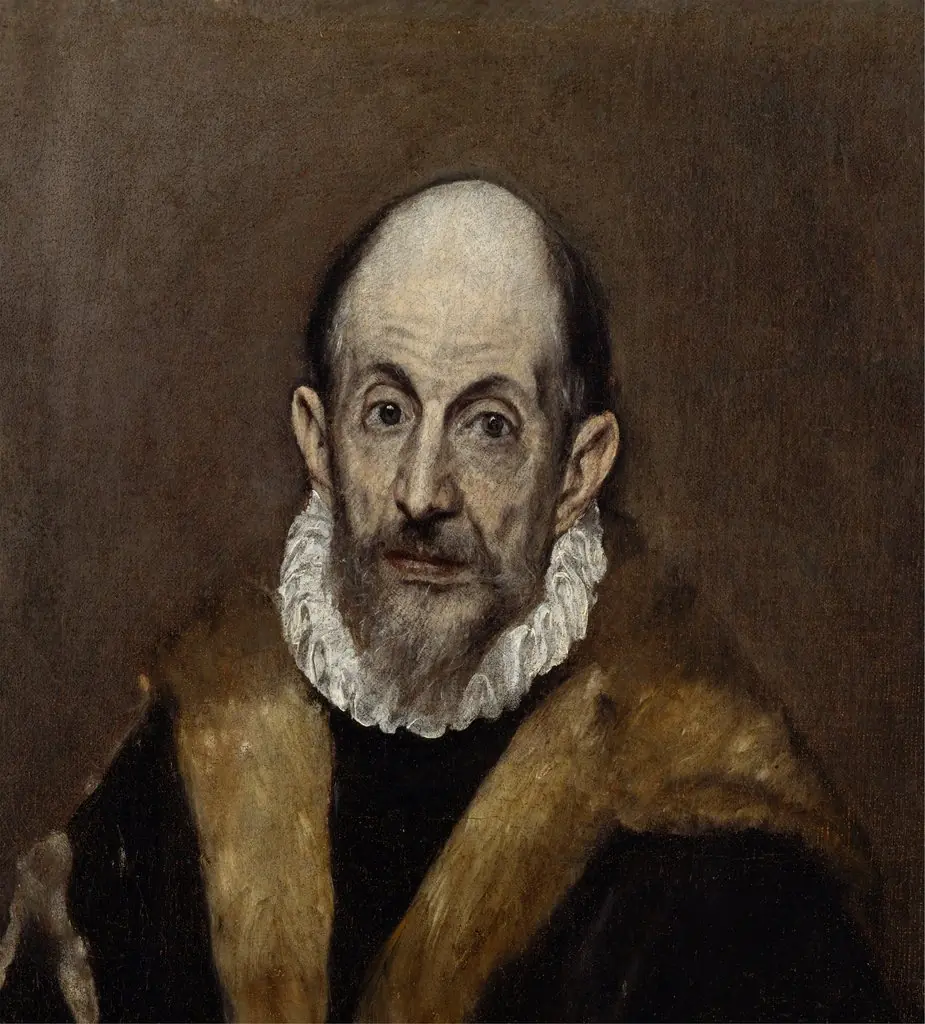 Self-Portrait (?)
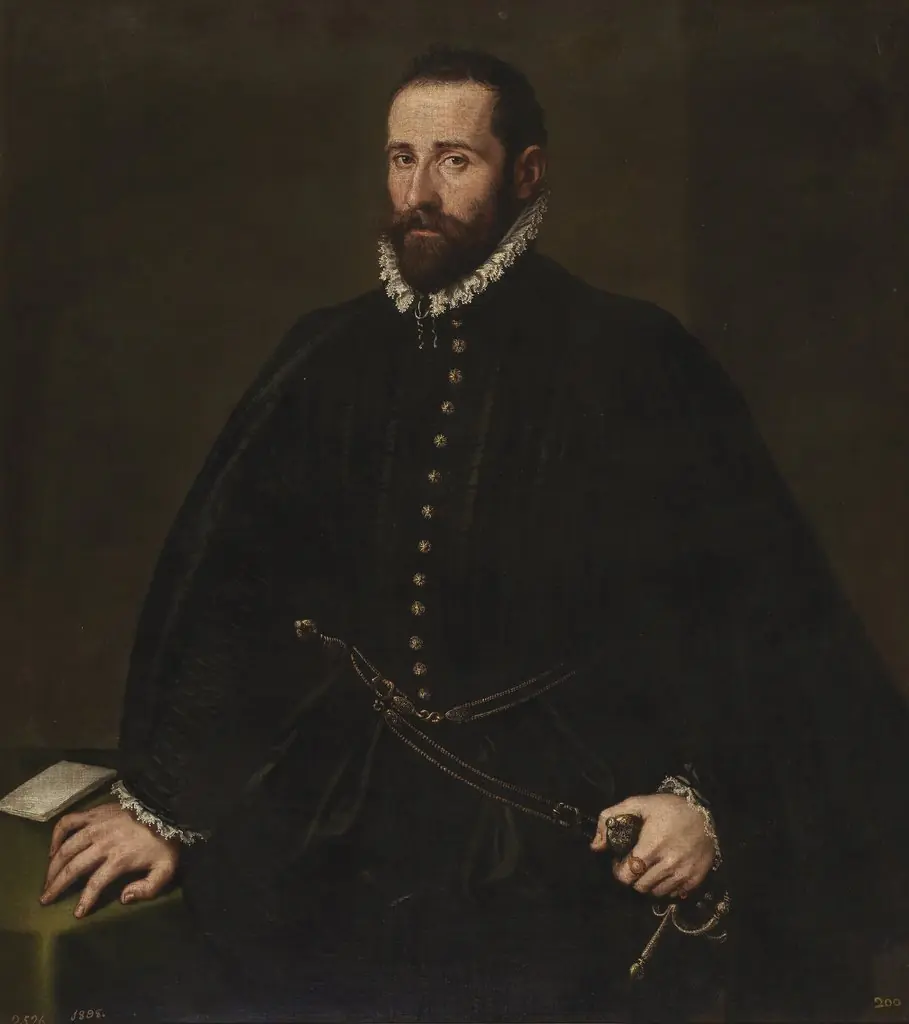 Portrait of a Gentleman
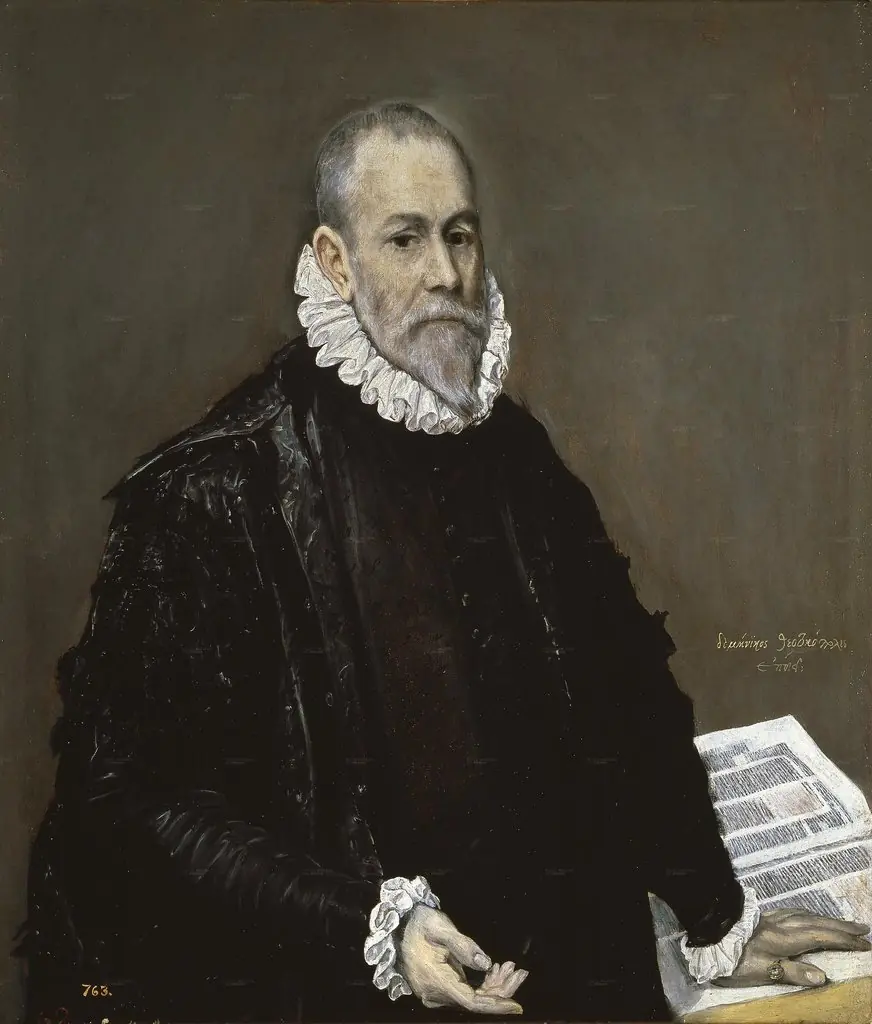 Portrait of Rodrigo de la Fuente
 Portrait d'un membre de la famille Foscari
 Portrait of a man