Artwork
Portrait of a Young Gentleman
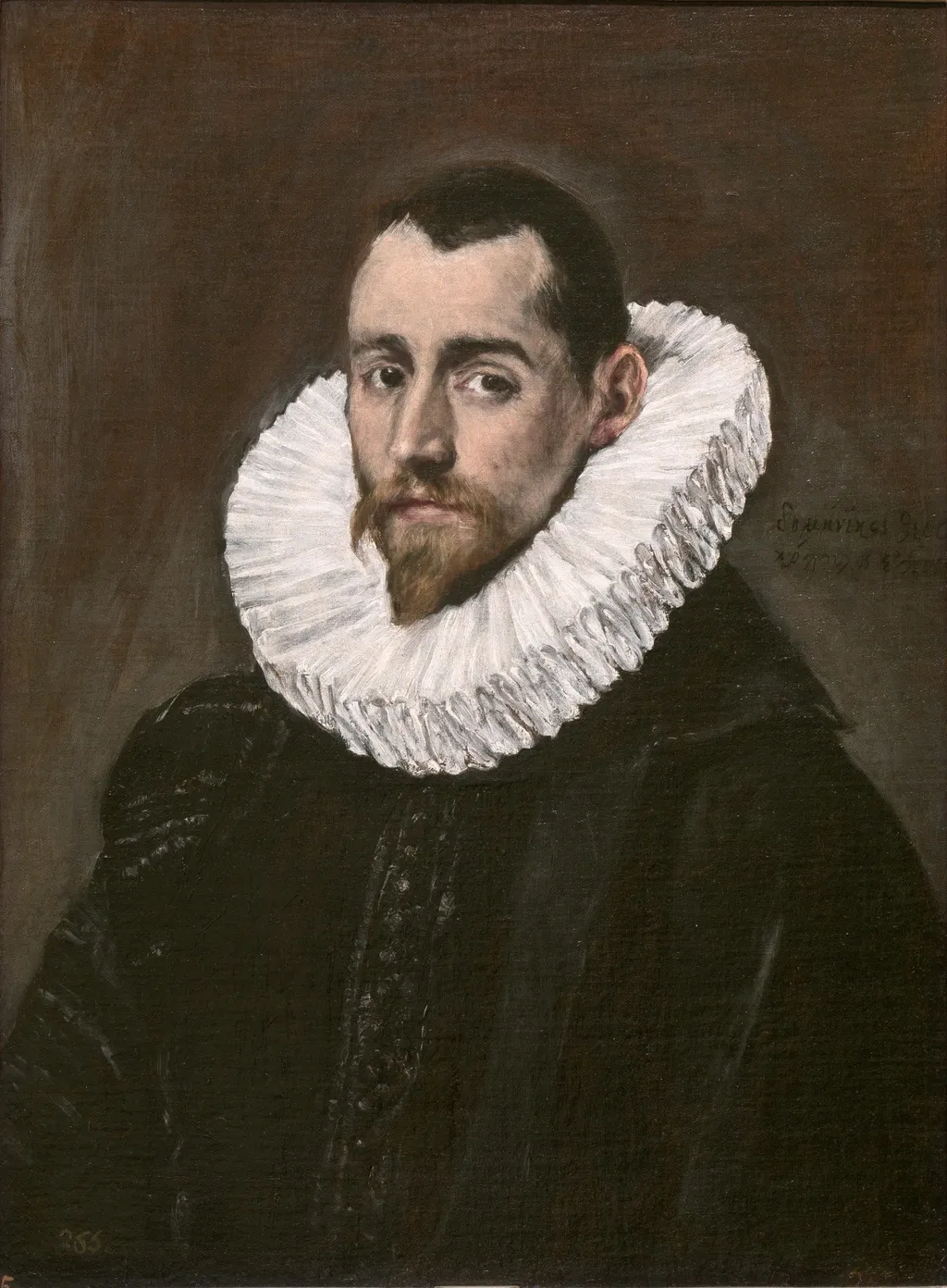
Portrait of a Young Gentleman is an oil painting by the Mannerist artist El Greco. It dates from 1600 and is held in the collection of the Museo del Prado. Created between 1600 and 1605, this oil on canvas portrait depicts an unnamed young nobleman.
About this work
Overview
Created between 1600 and 1605, this oil on canvas portrait depicts an unnamed young nobleman. The work, originally housed in the Quinta del Duque del Arco of the Royal Palace of El Pardo, now belongs to the collection of the Museo del Prado in Madrid. Its composition centers on a solemn male figure rendered against a muted brown backdrop, emphasizing the subject’s facial features.
Subject & Meaning
The sitter’s identity remains uncertain; earlier attributions to the poet Baltasar Elisio de Medinilla have been dismissed by recent scholarship. The portrait’s restrained expression, dark beard, and elaborate white ruff suggest a status of wealth and education, while the lack of overt symbolism leaves the viewer to infer the young gentleman’s social standing from his attire alone.
Technique & Style
El Greco employs a pronounced impasto, especially in the ruff and facial hair, giving the surface a tactile, almost sculptural quality. The brushwork combines the Venetian influence of Titian and Tintoretto—learned during the artist’s time in Venice—with his own elongated forms, resulting in a textured yet controlled rendering that highlights light on the white collar against the dark tones.
History & Provenance
After its creation, the painting entered the collection of the Duke of Arco at El Pardo, where it remained for centuries. In the 20th century it was transferred to the national museum system and is now displayed at the Prado. The work’s provenance traces a clear line from private aristocratic ownership to public exhibition, reflecting its valued status within Spanish collections.
Context
The portrait belongs to the early phase of El Greco’s Spanish period, a time when he assimilated Venetian coloristic techniques while adapting to the tastes of the Castilian court. The emphasis on luxurious fabrics and the solemn demeanor align with contemporary portrait conventions intended to convey dignity and lineage among the Spanish nobility.
Own this work as a print
Artist & collection
Artist
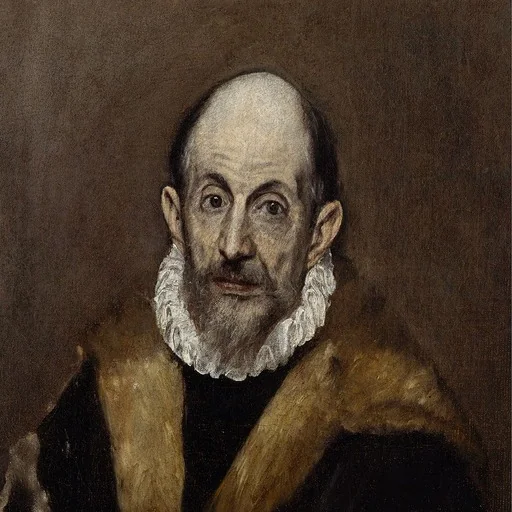
Doménikos Theotokópoulos was born in 1541 in Candia (modern Heraklion), the capital of Venetian-ruled Crete, where he was trained in the post-Byzantine tradition of icon painting.

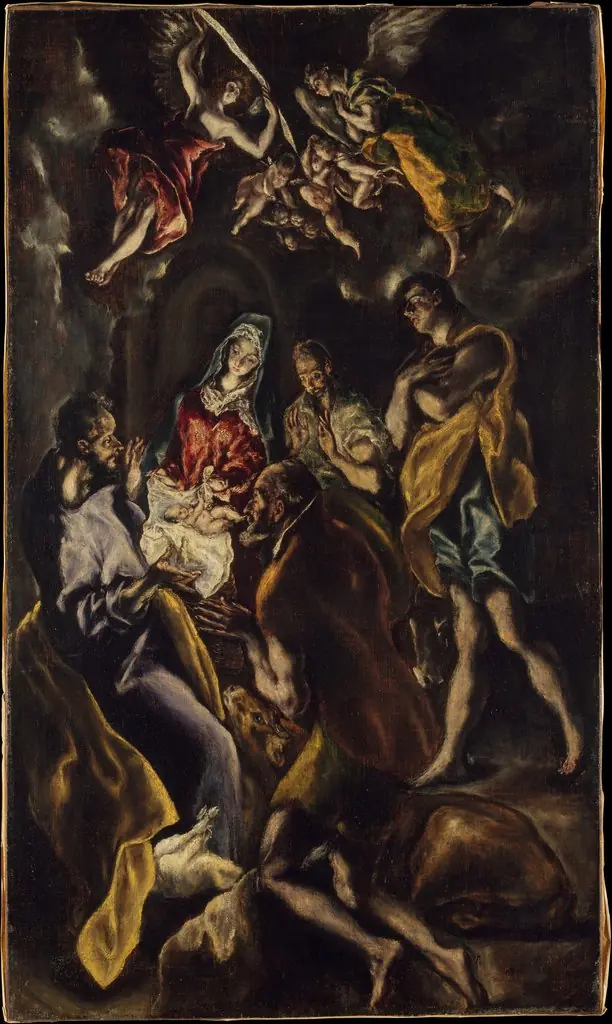
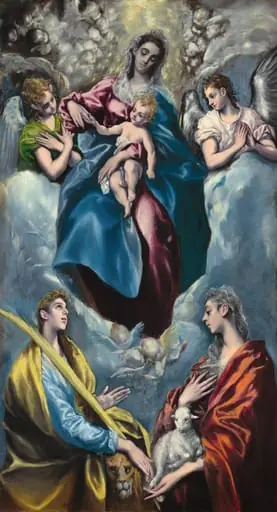
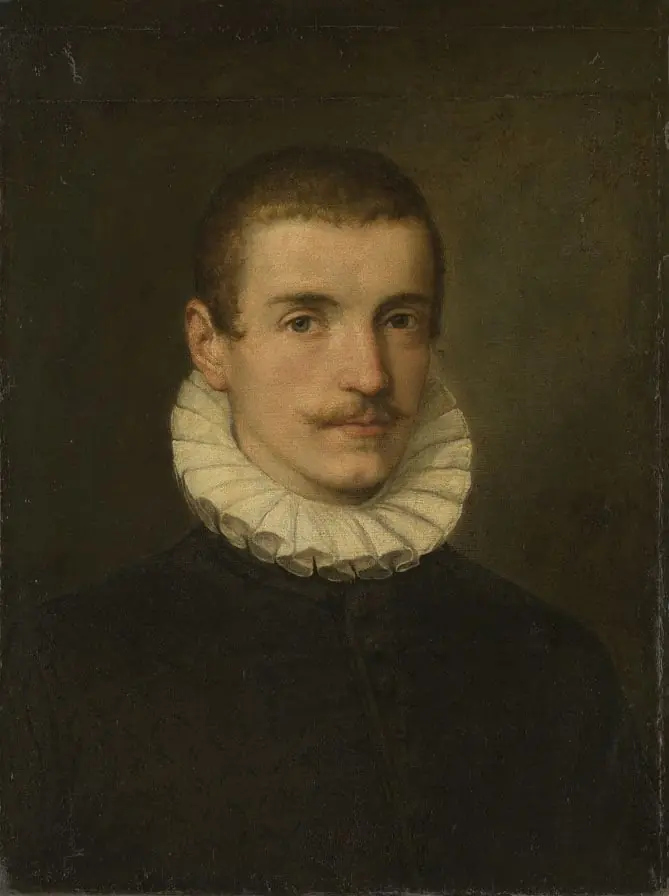 Portrait of a Young Man
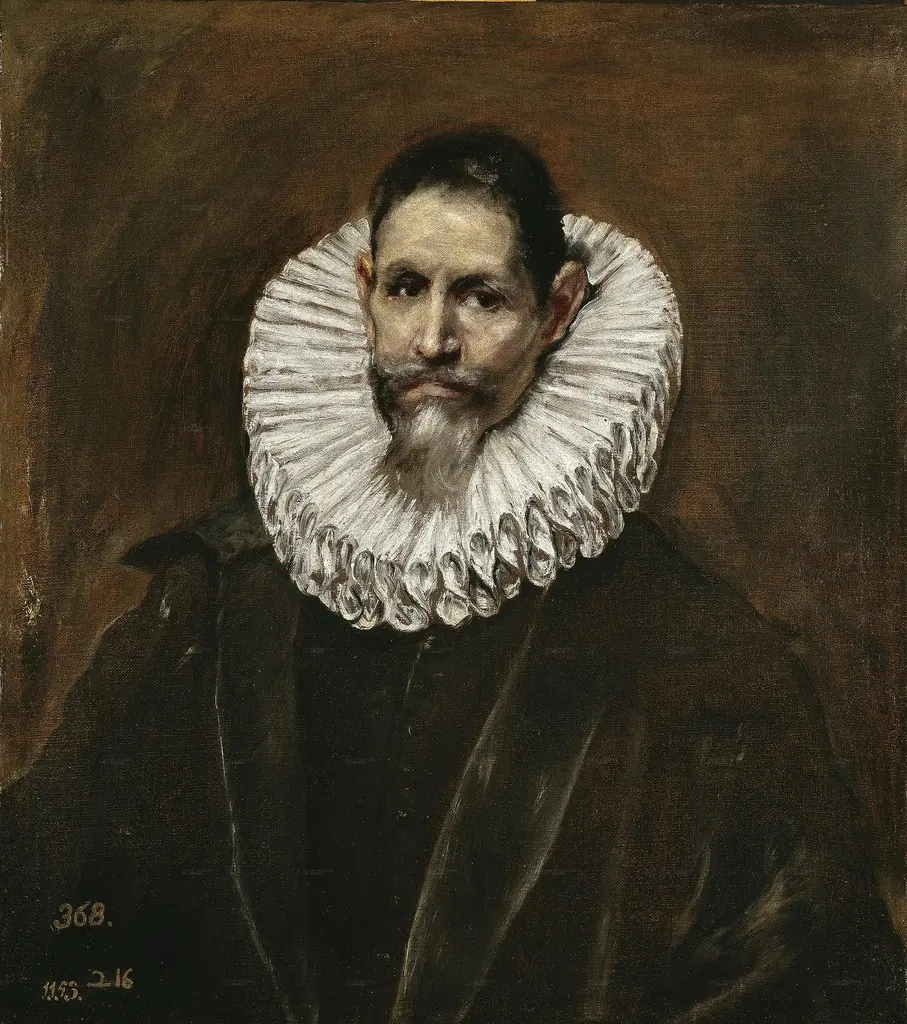 Portrait of Jerónimo de Cevallos
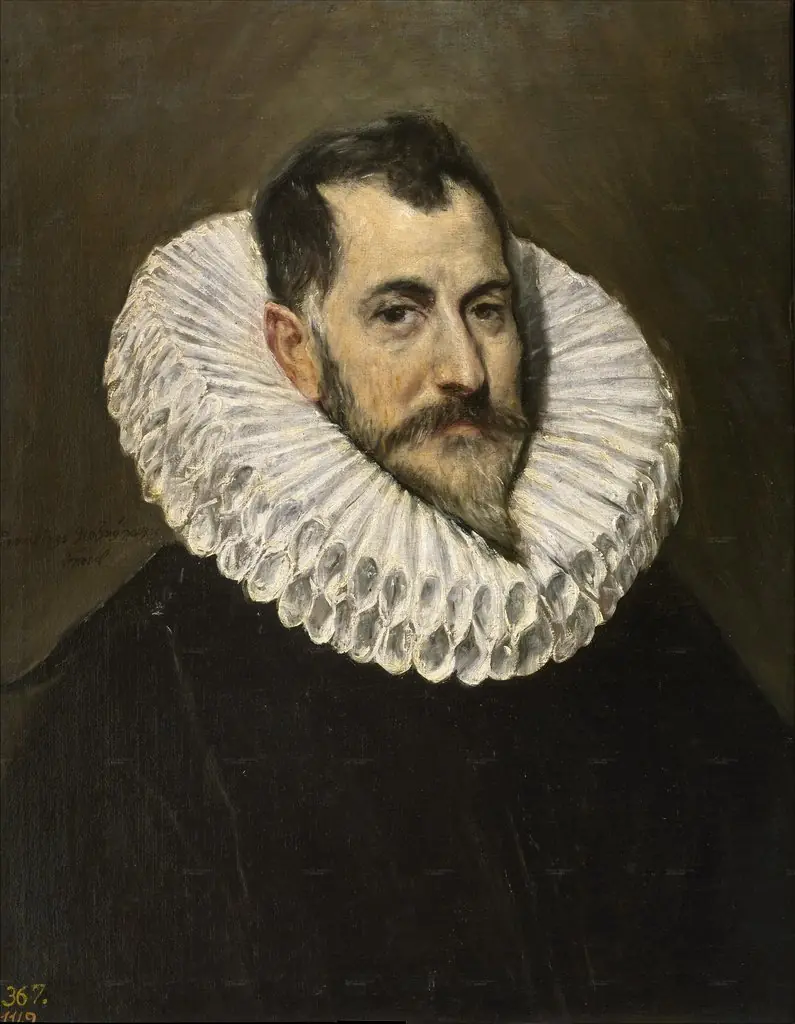 Retrato de un caballero desconocido
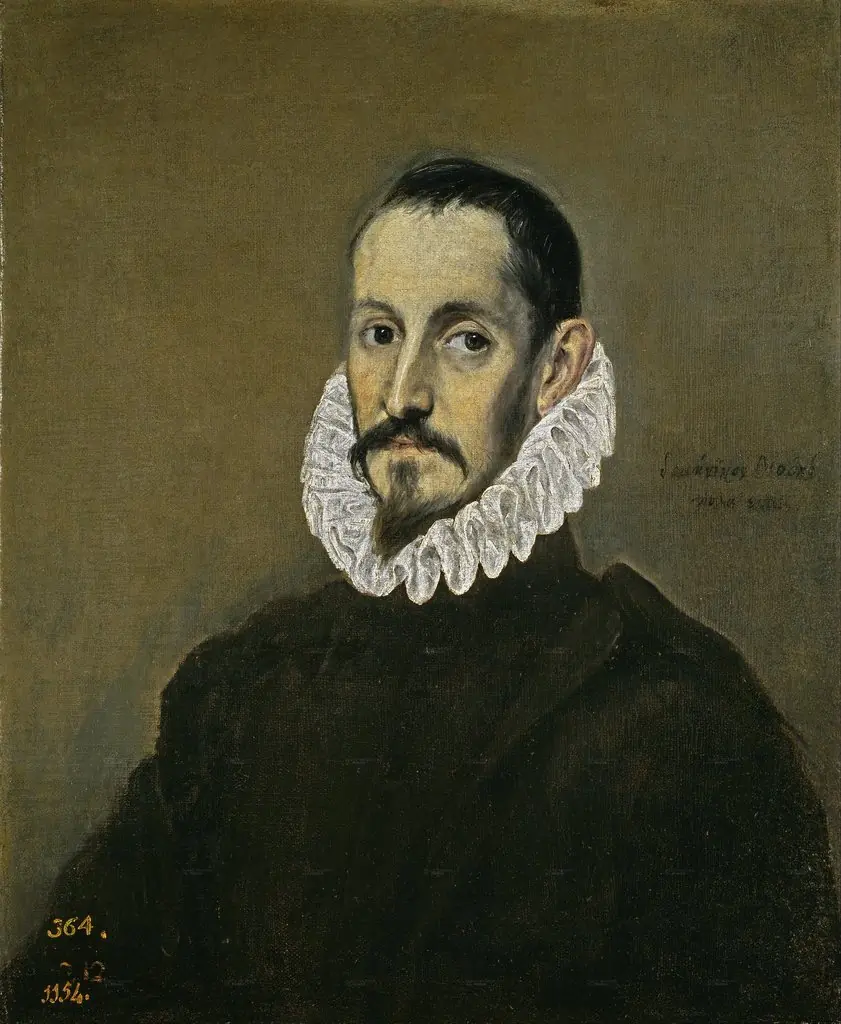 Portrait of a gentleman
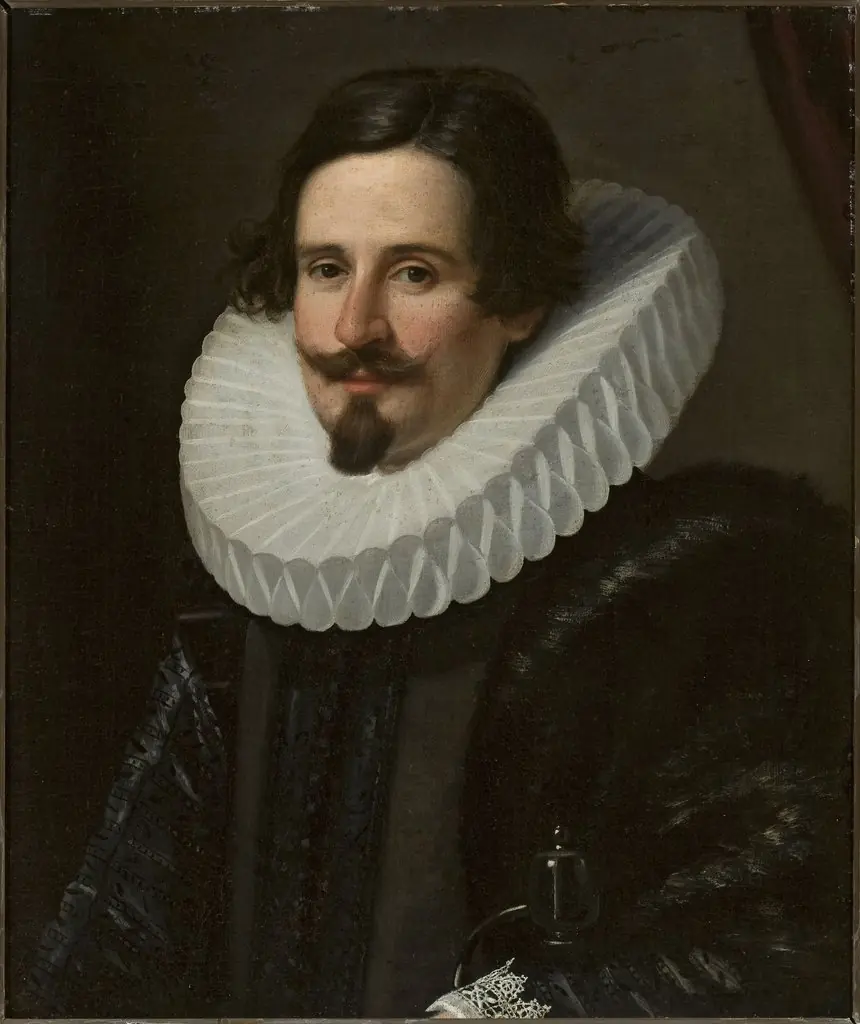 Portrait of a man in a frill
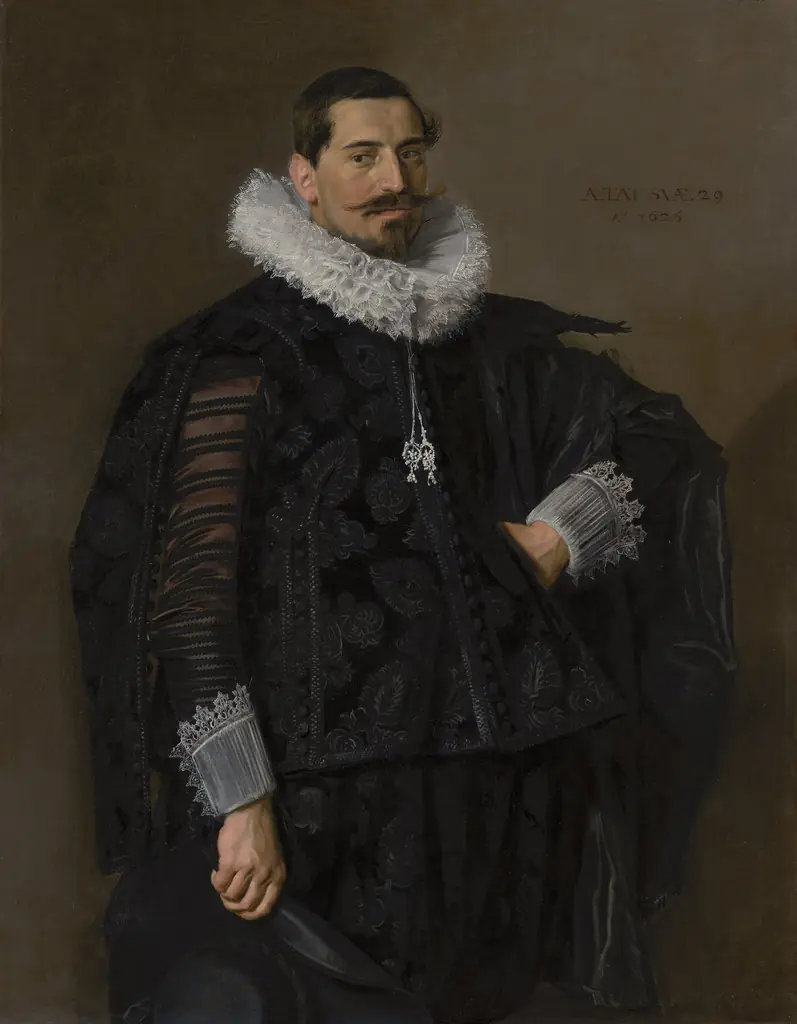 Portrait of Jacob Pietersz Olycan (1596-1638)
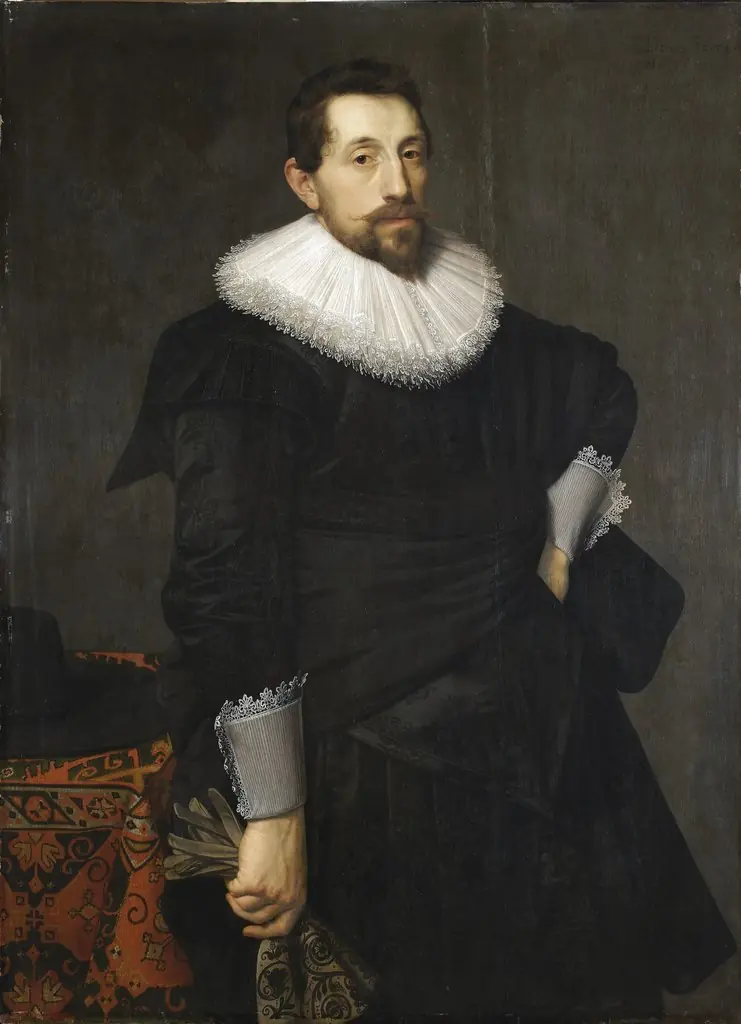 Portrait of a Man with Gloves
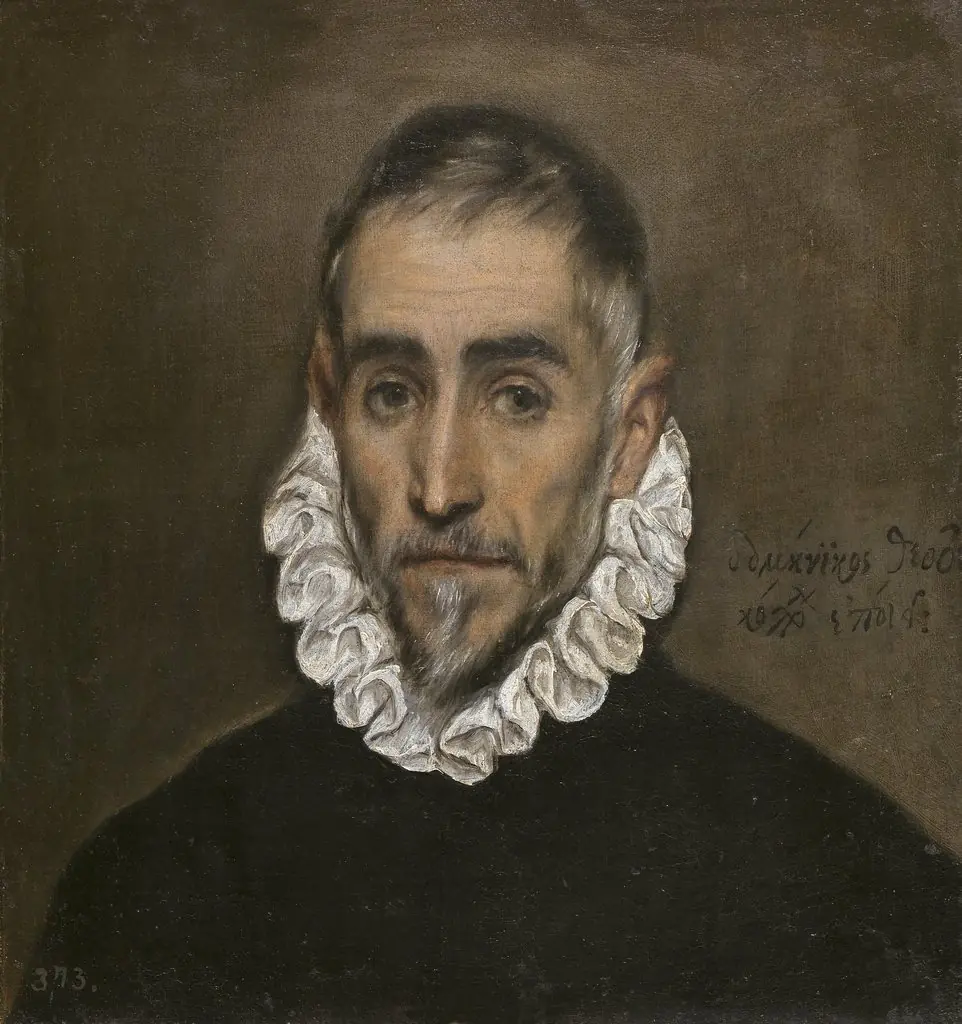 Portrait of an Elderly Man
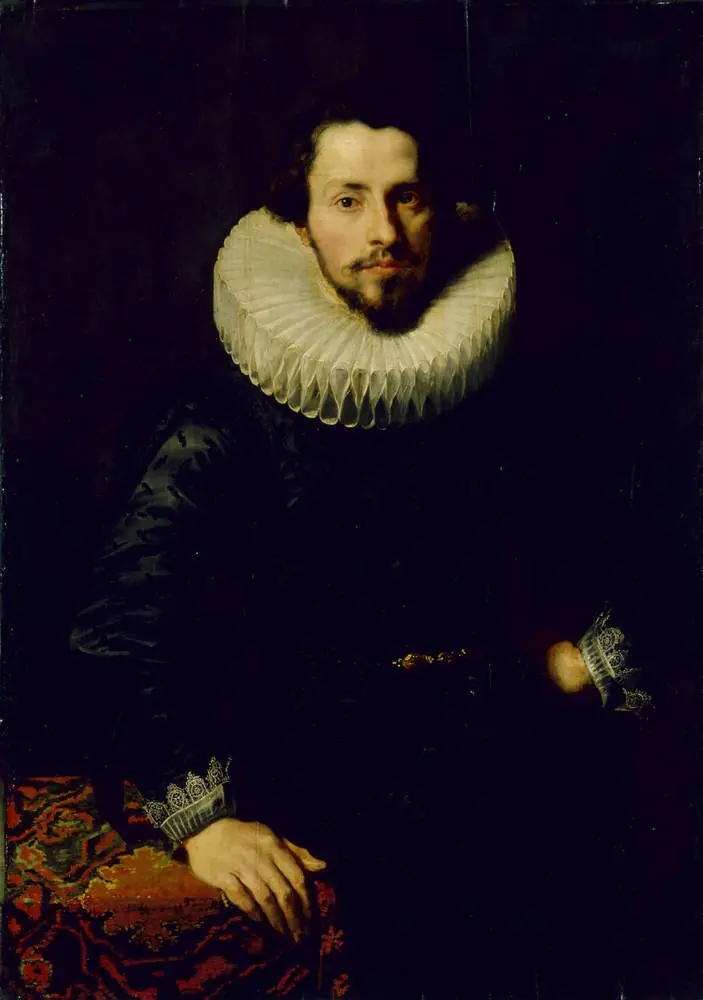 Portrait of a Man at a Table
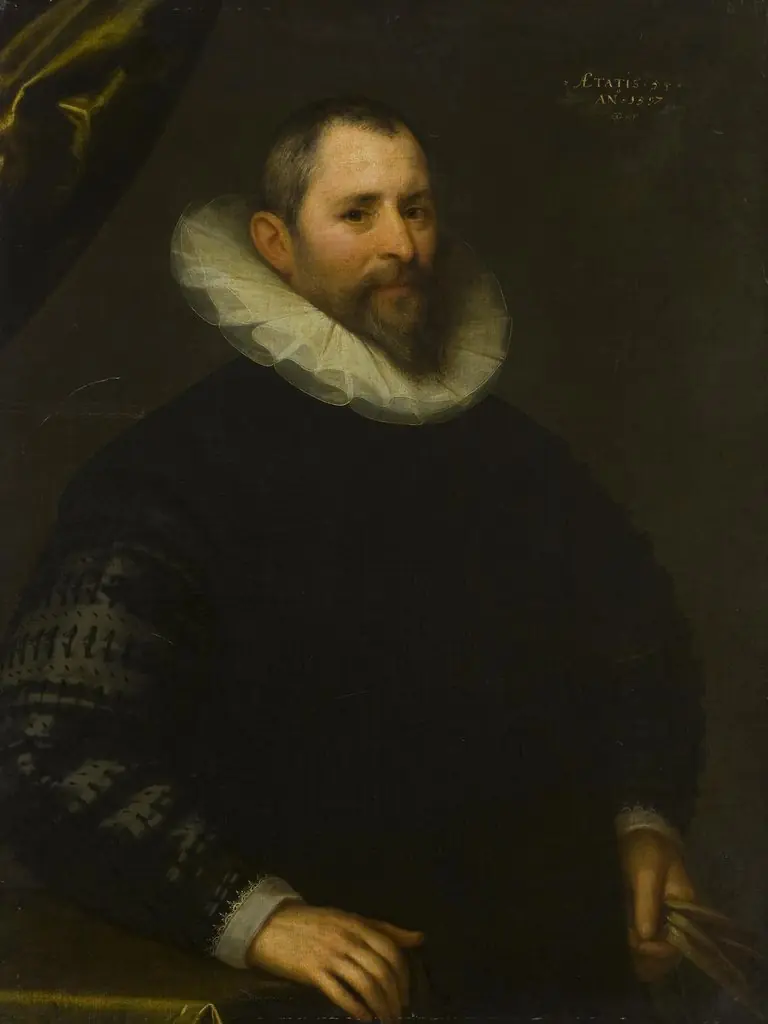 Portrait of Gottfried Hautappel
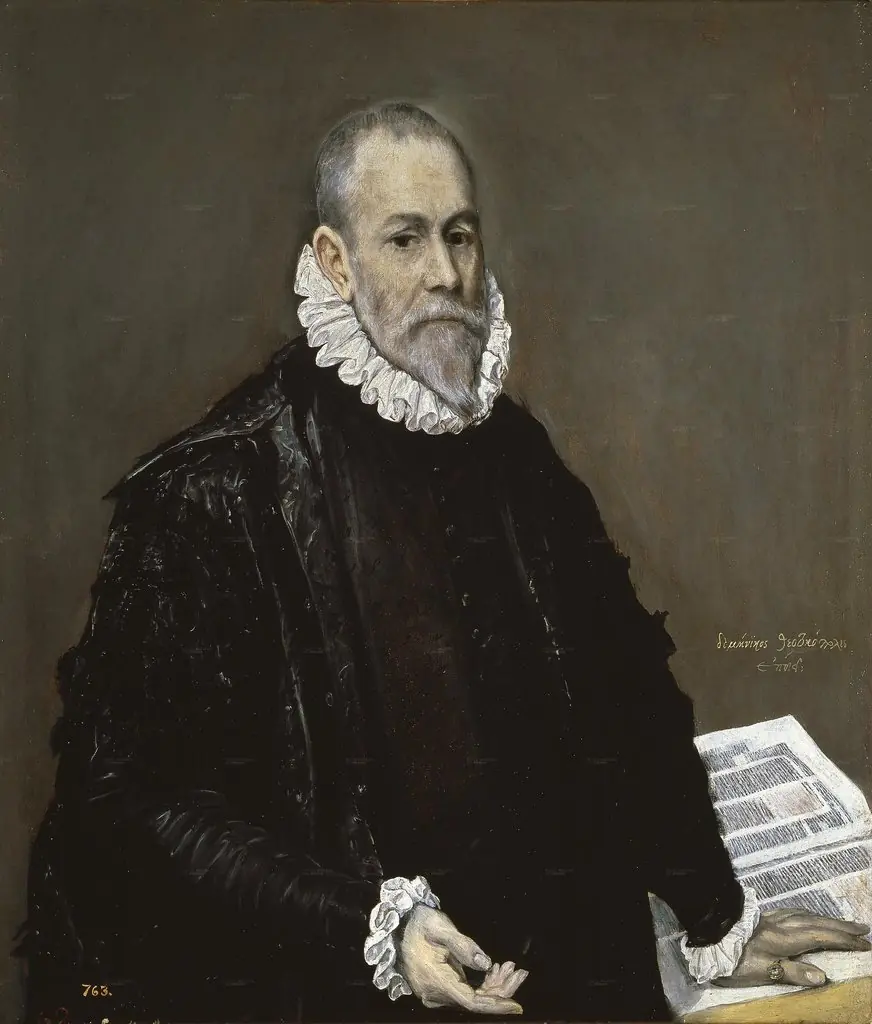 Portrait of Rodrigo de la Fuente
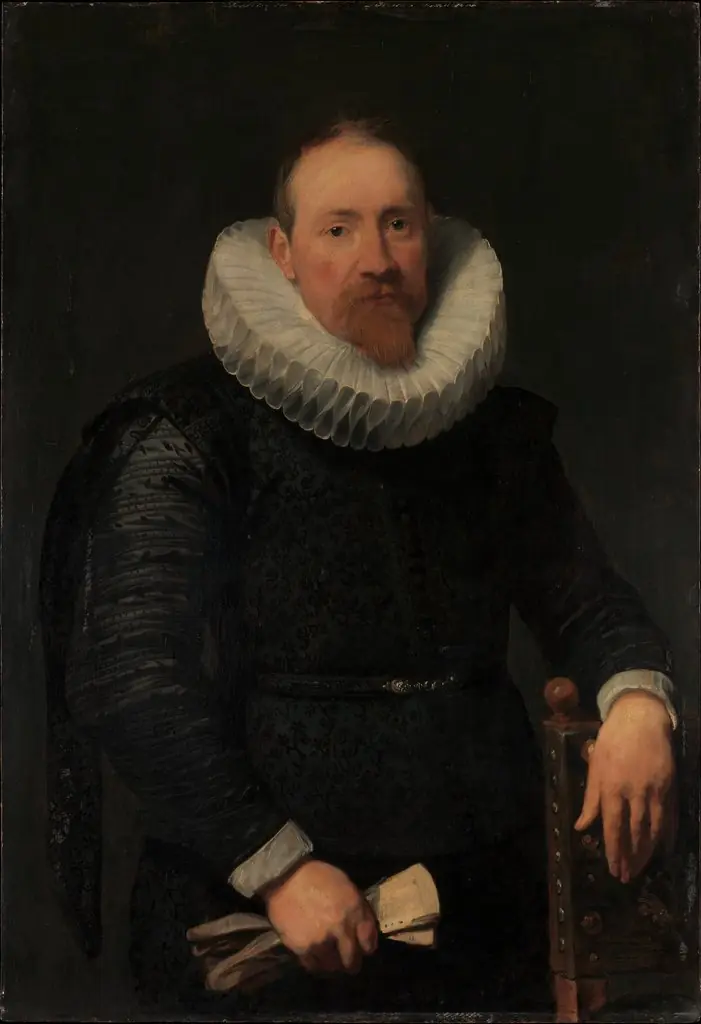 Portrait of a Man