Artwork
Saint Peter and Saint Paul
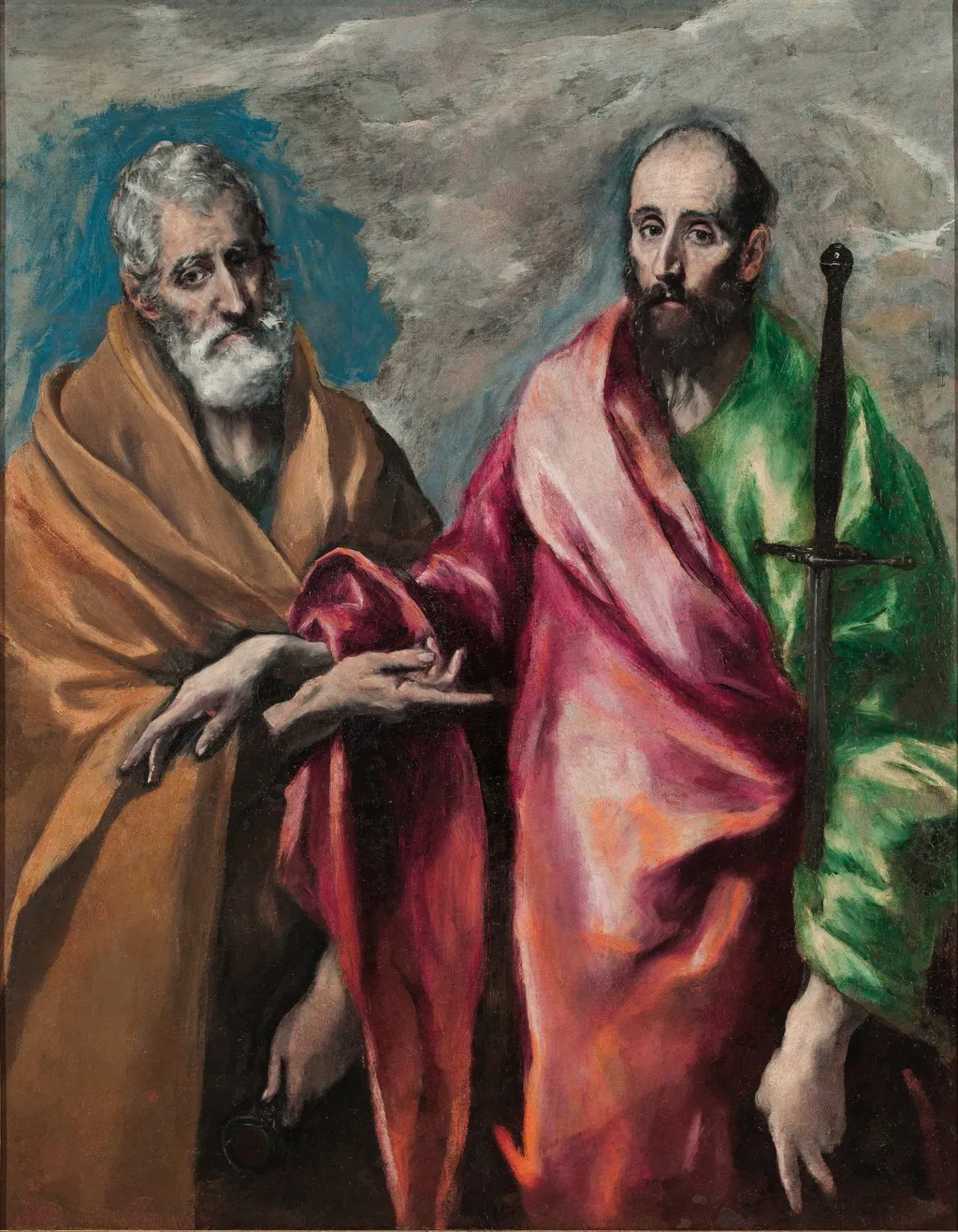
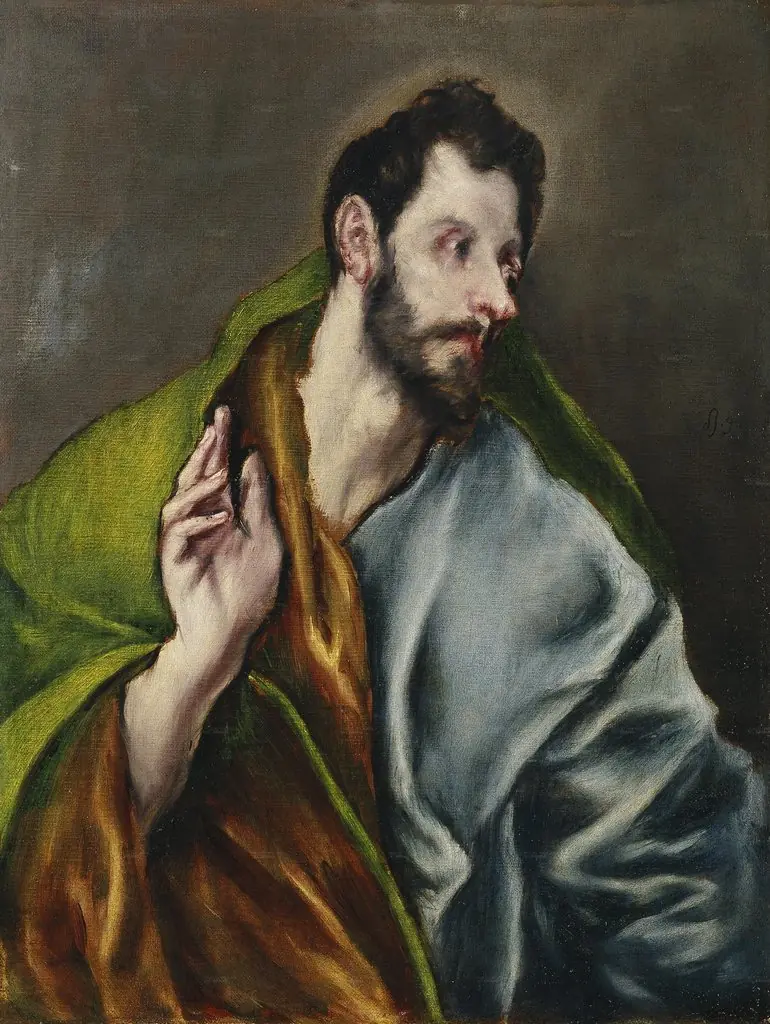
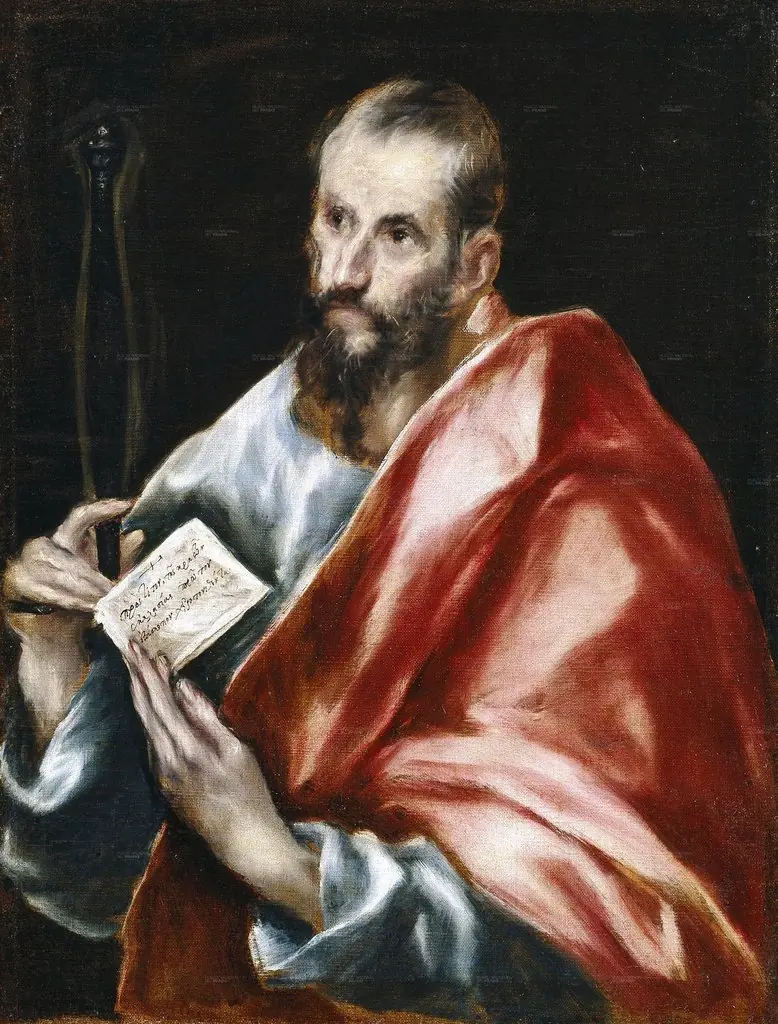
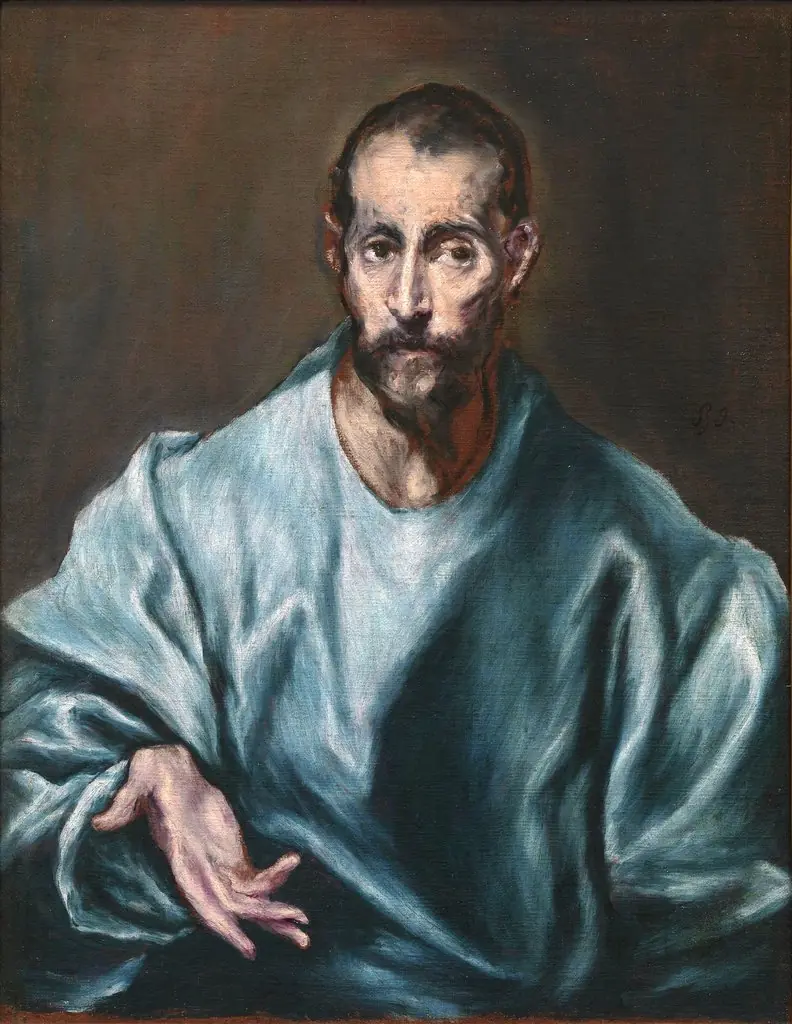
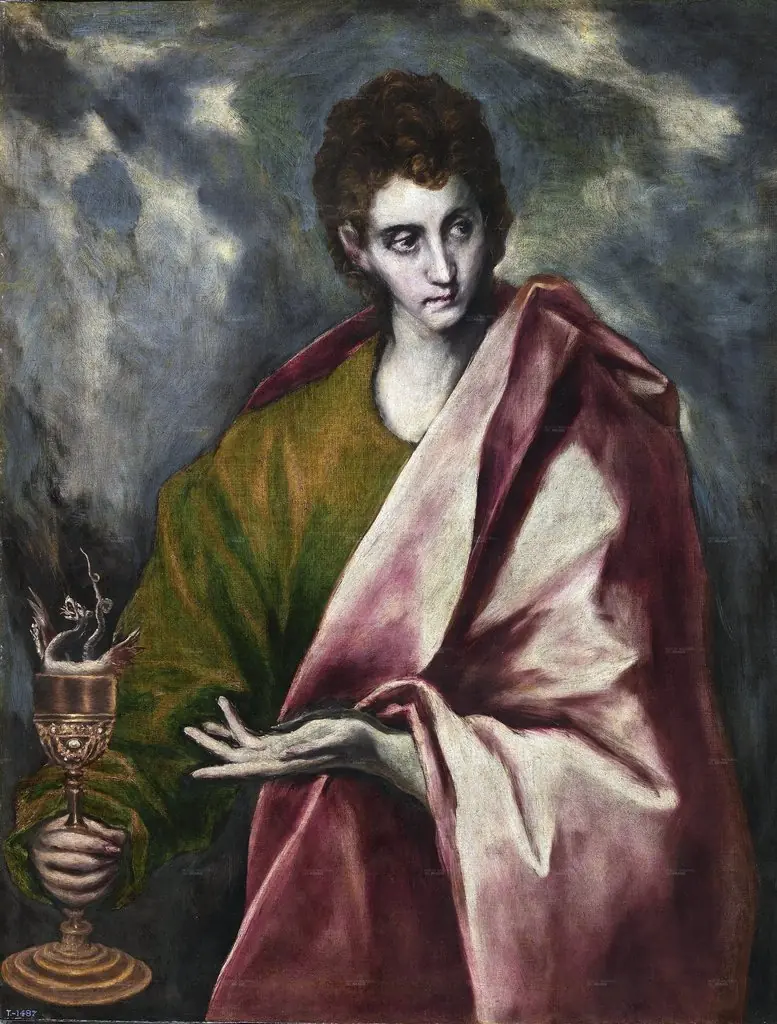
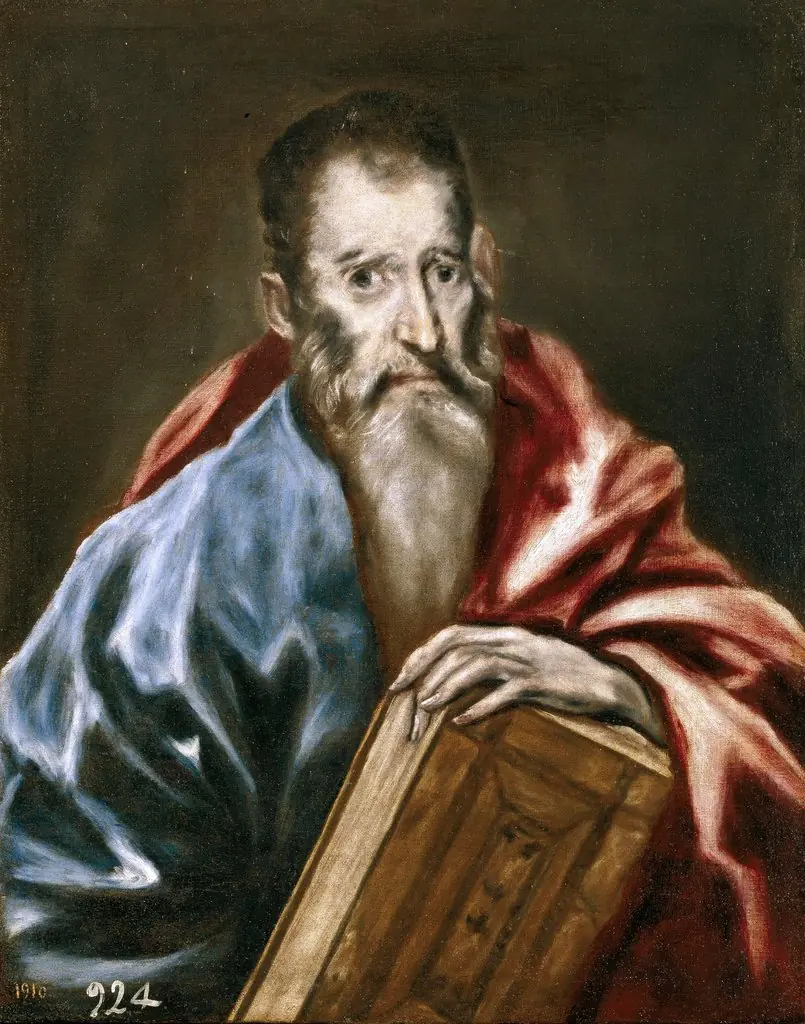
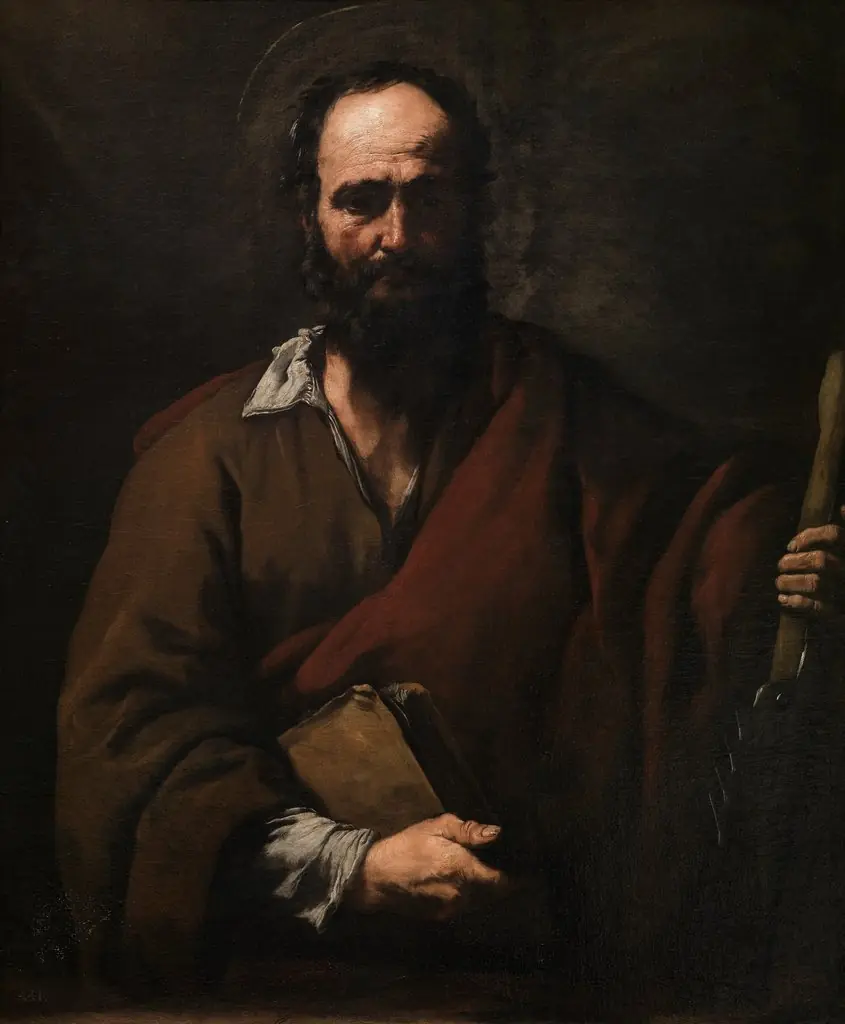
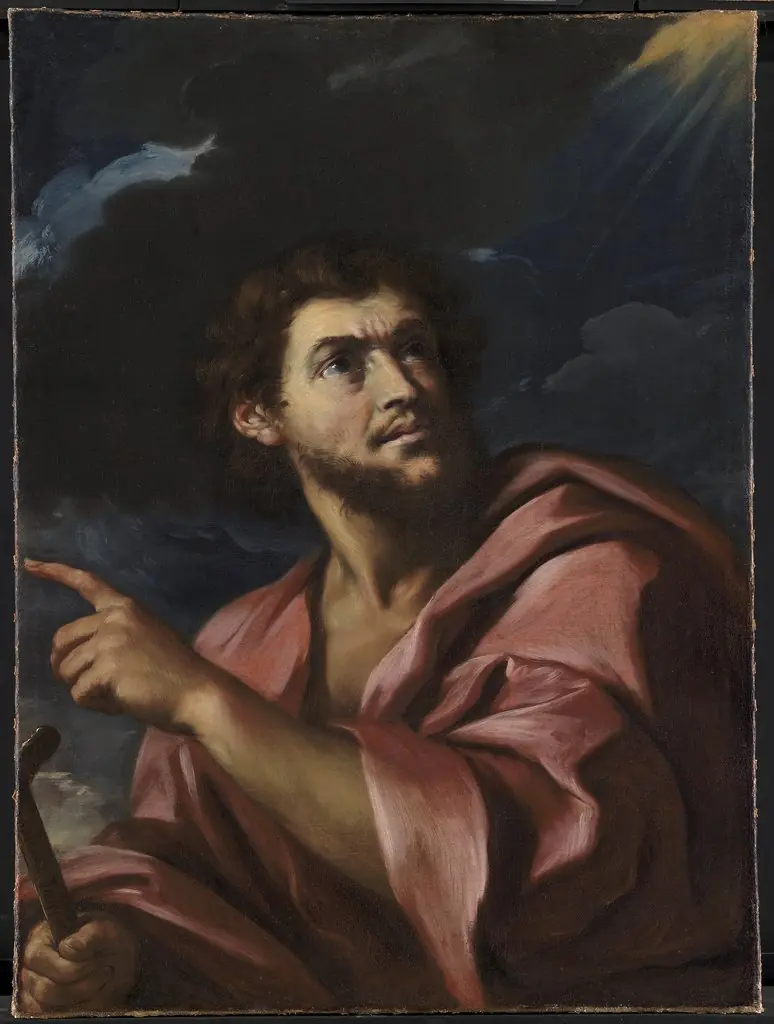
Saint Peter and Saint Paul is an oil painting by the Mannerist artist El Greco. It dates from 1598 and is held in the collection of the Museu Nacional d'Art de Catalunya.
About this work
Overview
The composition is austere, focusing on the figures’ presence rather than narrative action, with a muted, atmospheric background that enhances their solemnity.
Painted between 1590 and 1600 by the Cretan-Spanish artist El Greco, this oil-on-canvas work depicts the apostles Peter and Paul standing side by side. It entered the collection of the Museu Nacional d'Art de Catalunya in 1932 and remains on public display there. The composition is austere, focusing on the figures’ presence rather than narrative action, with a muted, atmospheric background that enhances their solemnity.
Subject & Meaning
The two apostles are identified by traditional attributes: Peter holds a key, implied by the red cloth draped across his lap, symbolizing the keys to heaven; Paul, with his staff and beard, represents the apostle to the Gentiles. Their aged, weathered faces convey spiritual authority and inner resolve. The pairing reflects their joint veneration in Christian tradition, emphasizing unity in doctrine despite differing roles in the early Church.
Technique & Style
El Greco employs thick, expressive brushwork to model the figures’ drapery and skin, creating a tactile sense of texture. The palette is restrained—earthy browns, deep greens, and muted grays—accented by the vivid red cloth. Chiaroscuro is used subtly to define form, with light falling unevenly to heighten emotional gravity. The swirling, indeterminate background dissolves spatial boundaries, directing focus to the figures’ psychological intensity.
History & Provenance
The painting was acquired by the Museu Nacional d'Art de Catalunya in 1932 from a private collection in Spain. Its earlier history is undocumented, but its style aligns with El Greco’s mature period in Toledo, where he produced numerous religious works for local churches and convents. It likely originated as part of a devotional ensemble, though its original context remains uncertain.
Context
Created during Spain’s Counter-Reformation, the painting reflects the Church’s emphasis on apostolic authority and doctrinal clarity. El Greco’s elongated forms and intense spirituality diverged from classical norms, resonating with the era’s mystical currents. While not commissioned for a specific altar, the work fits within a broader trend of devotional portraiture meant to inspire contemplation among the faithful.
Legacy
Though not widely exhibited in its time, the painting now stands as a representative example of El Greco’s late style—marked by emotional depth and formal innovation. Its quiet intensity influenced later modern artists drawn to expressive distortion and psychological realism. It remains a key work in understanding how religious imagery evolved beyond Renaissance idealism in early modern Spain.
Own this work as a print
Artist & collection
Artist
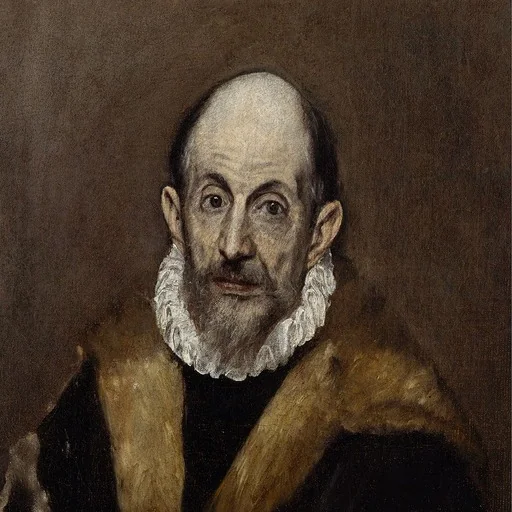
Doménikos Theotokópoulos was born in 1541 in Candia (modern Heraklion), the capital of Venetian-ruled Crete, where he was trained in the post-Byzantine tradition of icon painting.