Artwork
Copy after the painting Marriage of the Virgin by Perugino in S. Girolamo, Spello.
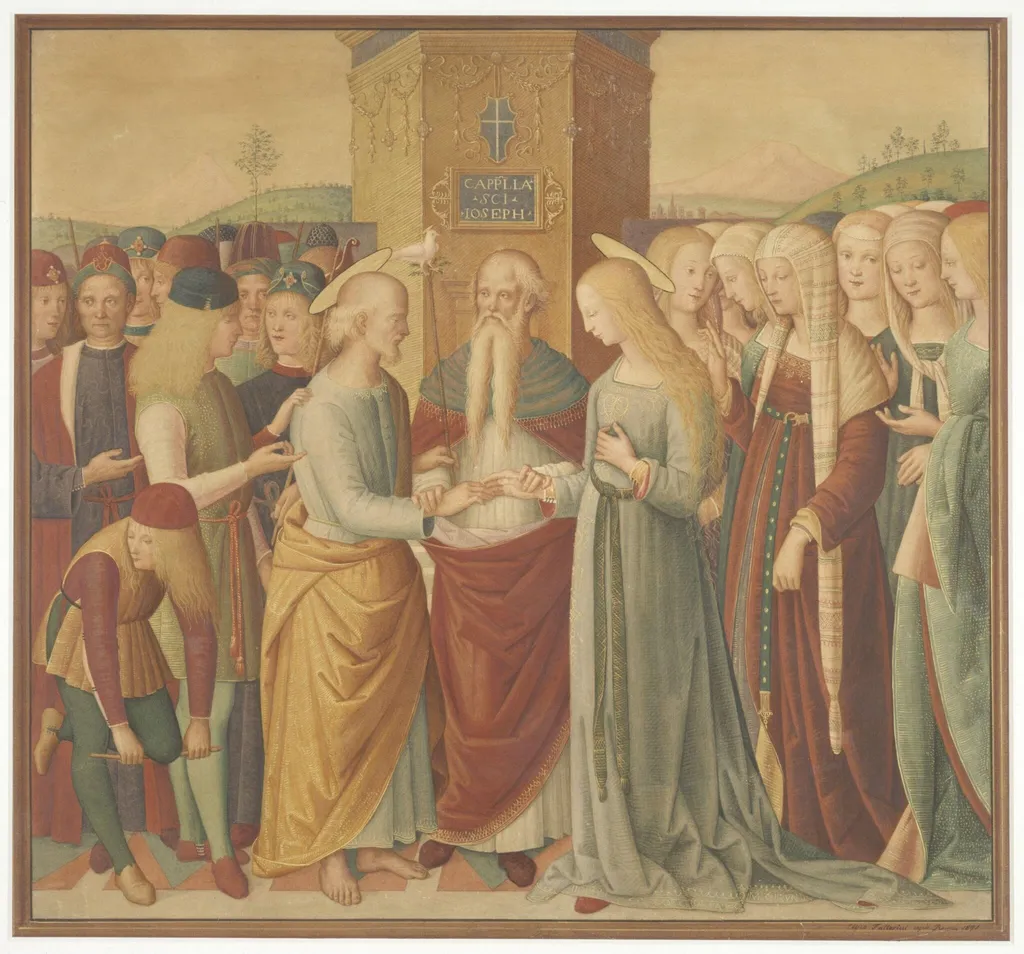
Copy after the painting Marriage of the Virgin by Perugino in S. Girolamo, Spello. is a watercolor work on paper by the Impressionist artist Eliseo Fattorini. It dates from 1871 and is held in the collection of the Victoria and Albert Museum.
About this work
Overview
This watercolour, created in 1871 by Eliseo Fattorini, is a faithful reproduction of Perugino’s altarpiece originally located in the church of S.
This watercolour, created in 1871 by Eliseo Fattorini, is a faithful reproduction of Perugino’s altarpiece originally located in the church of S. Girolamo in Spello. Commissioned by the Arundel Society, it was intended as a study for wider dissemination. Later, the image was reproduced as a chromolithograph by Lemercier et Cie. The work entered the National Gallery’s collection in 1995 and is now held in a dedicated archive for graphic arts.
Subject & Meaning
The scene depicts the marriage of the Virgin Mary to Joseph, a traditional subject in Christian iconography. Figures are arranged symmetrically, with Joseph, an older man with a beard, placing a ring on Mary’s finger as witnesses stand in orderly rows. The presence of the chapel inscription 'CAPPELLA S. IOSEPH' anchors the event in a sacred space, emphasizing the solemnity and divine sanction of the union.
Technique & Style
Fattorini employed soft watercolour washes to replicate the muted palette of Perugino’s original, favoring earthy browns, greens, and subdued reds. The blending of tones creates a gentle luminosity, while the precise, calm rendering of faces and drapery reflects a commitment to documentary accuracy. The composition avoids dramatic flair, prioritizing clarity and spatial harmony.
History & Provenance
Commissioned by the Arundel Society to document Italian Renaissance art, this watercolour was part of a broader 19th-century effort to preserve visual records of artworks inaccessible to the public. After its initial publication as a chromolithograph, it passed through private and institutional collections before being transferred to the National Gallery in 1995, where it now resides in the Prints and Drawings department.
Context
In the 19th century, societies like the Arundel Society sought to make high art accessible through accurate reproductions. Fattorini’s work reflects this mission, aligning with scholarly interests in Renaissance painting rather than artistic innovation. The choice of watercolour—delicate and precise—suited the goal of faithful transcription over expressive interpretation.
Legacy
Fattorini’s watercolour remains a valuable record of Perugino’s altarpiece, which has since undergone restoration and possible repositioning. As a document of 19th-century art conservation practices, it illustrates how visual scholarship was conducted before photography became widespread. It continues to serve researchers studying the transmission and reception of Renaissance imagery.
Artist & collection

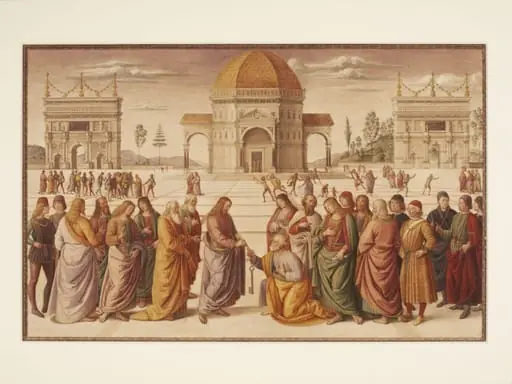 The Delivery of Keys to St Peter
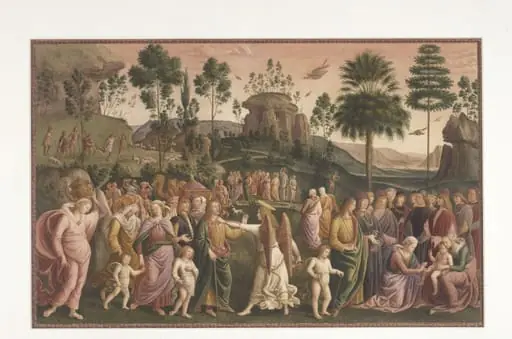 Copy after the painting Moses and the Angel by Perugino in the Collegio del Cambio, Perugia.
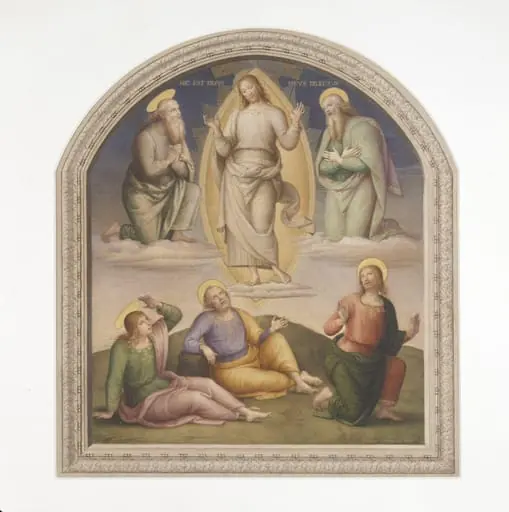 Copy after the painting The Transfiguration by Perugino in the Collegio del Cambio, Perugia.
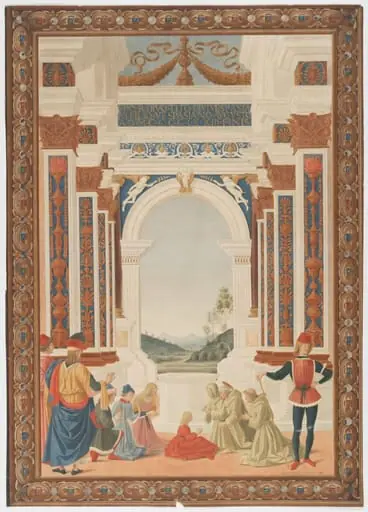 Copy after the painting St Bernard healing a man by Fiorenzo di Lorenzo in the Galleria Nazionale, Perugia.
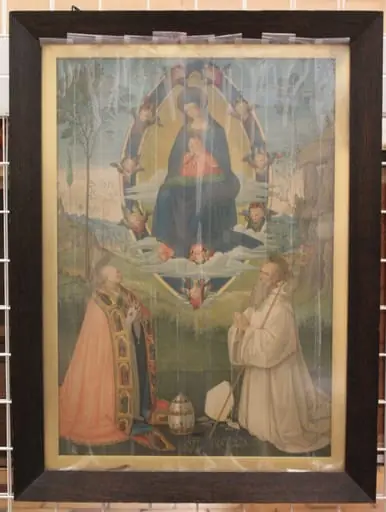 The Virgin in Glory
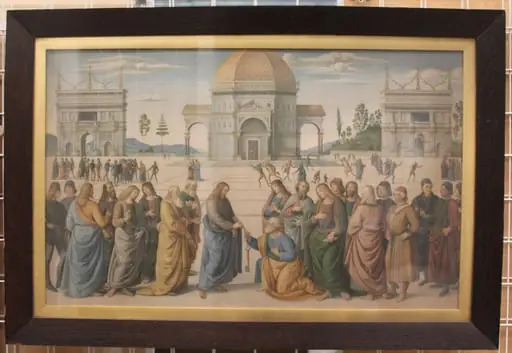 Christ's Charge to St Peter
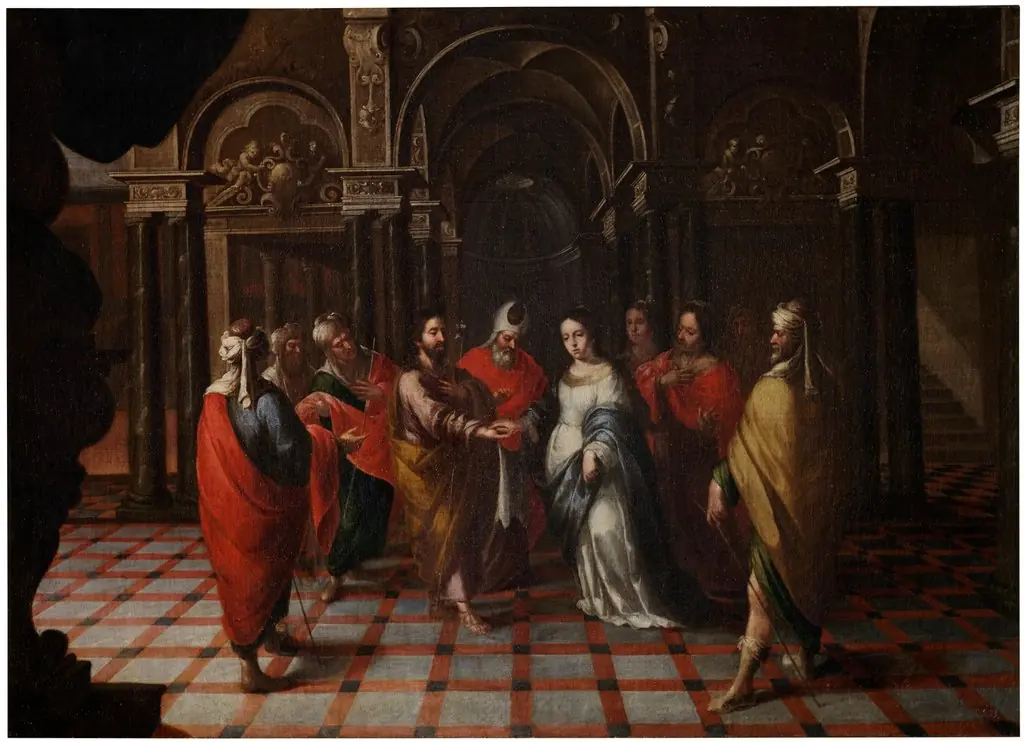 The Betrothal of the Virgin
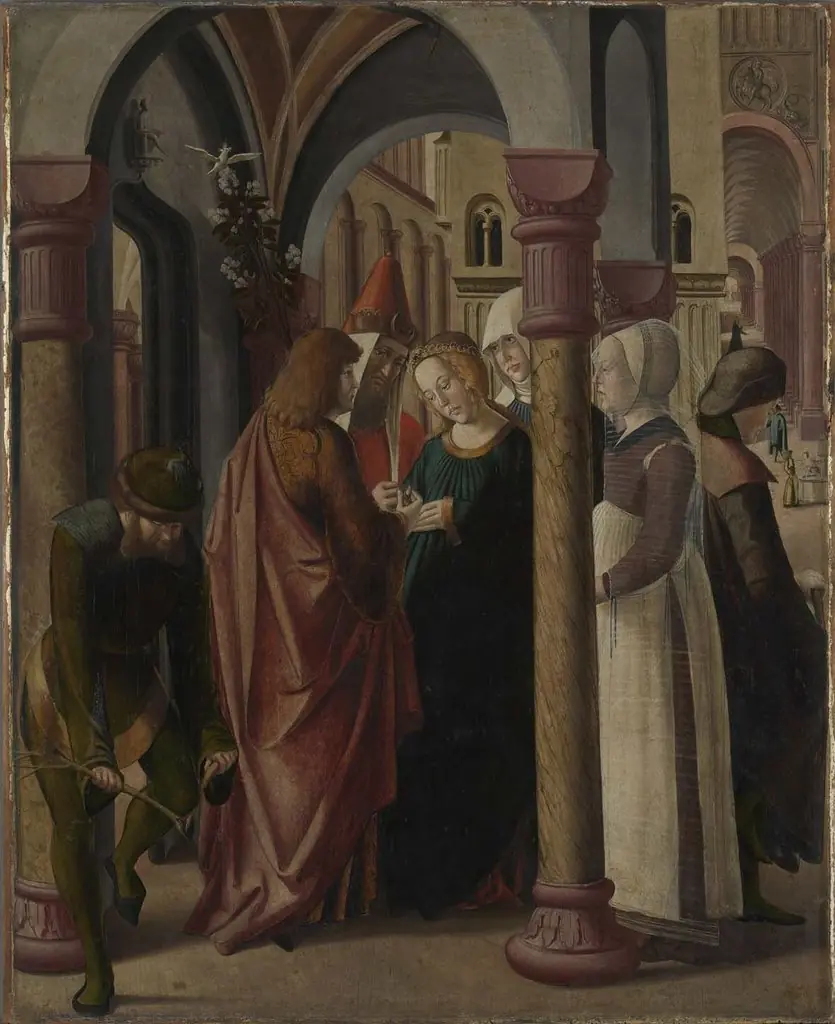 Marienaltar: Vermählung Mariae
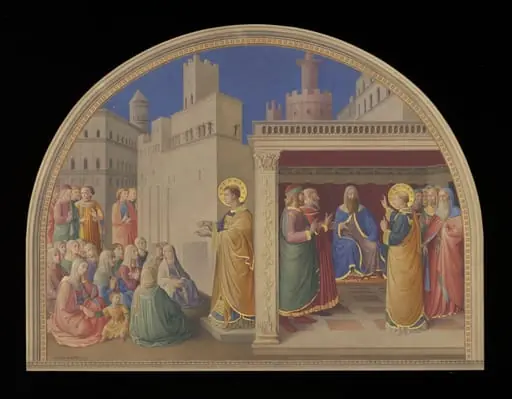 Copy after St Stephen preaching and St Stephen before the Council, Fra Angelico in the Niccoline Chapel (Vatican, Rome)
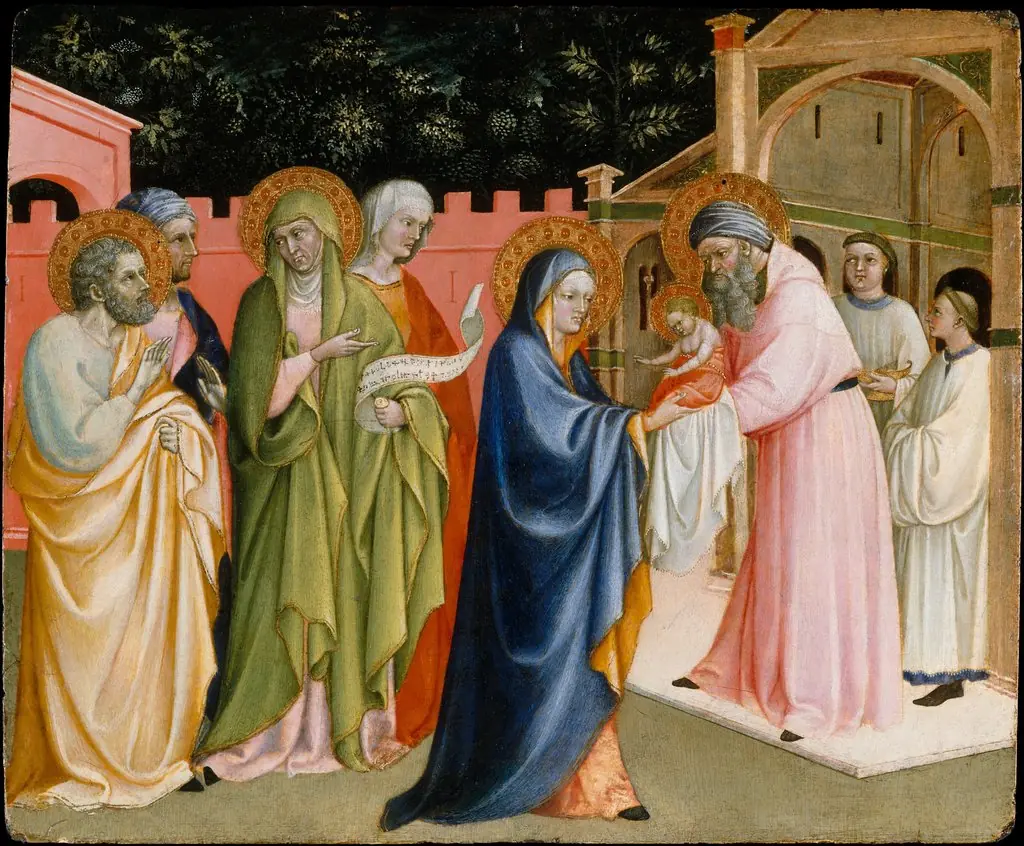 The Presentation in the Temple
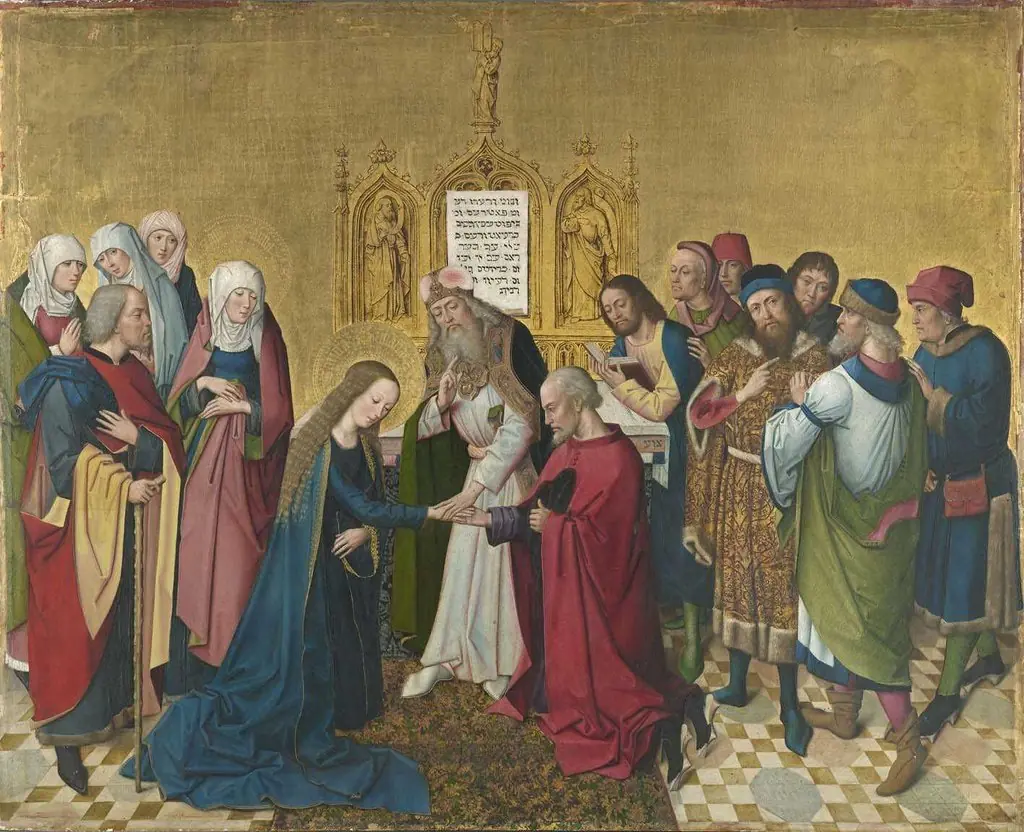 The Engagement of Mary (verso: upper half of the Coronation of Mary)
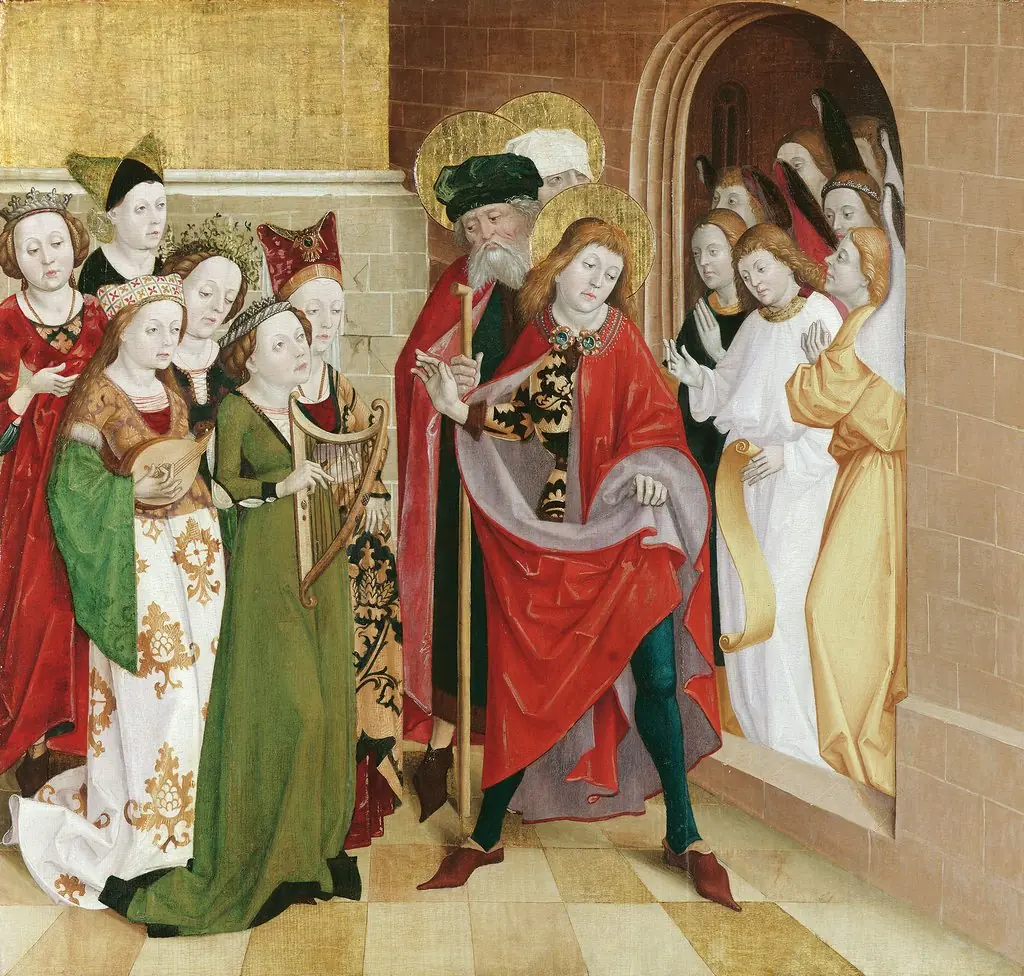 Der hl. Veit entsagt den Freuden der Welt
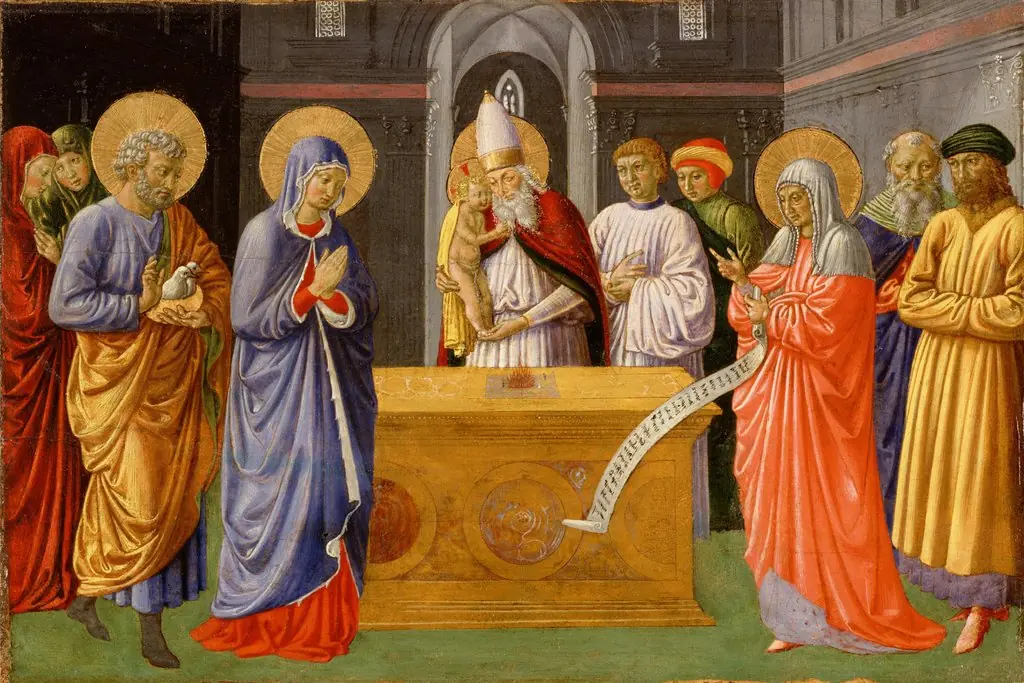 Purification of the Virgin