Artwork
King Henry VII
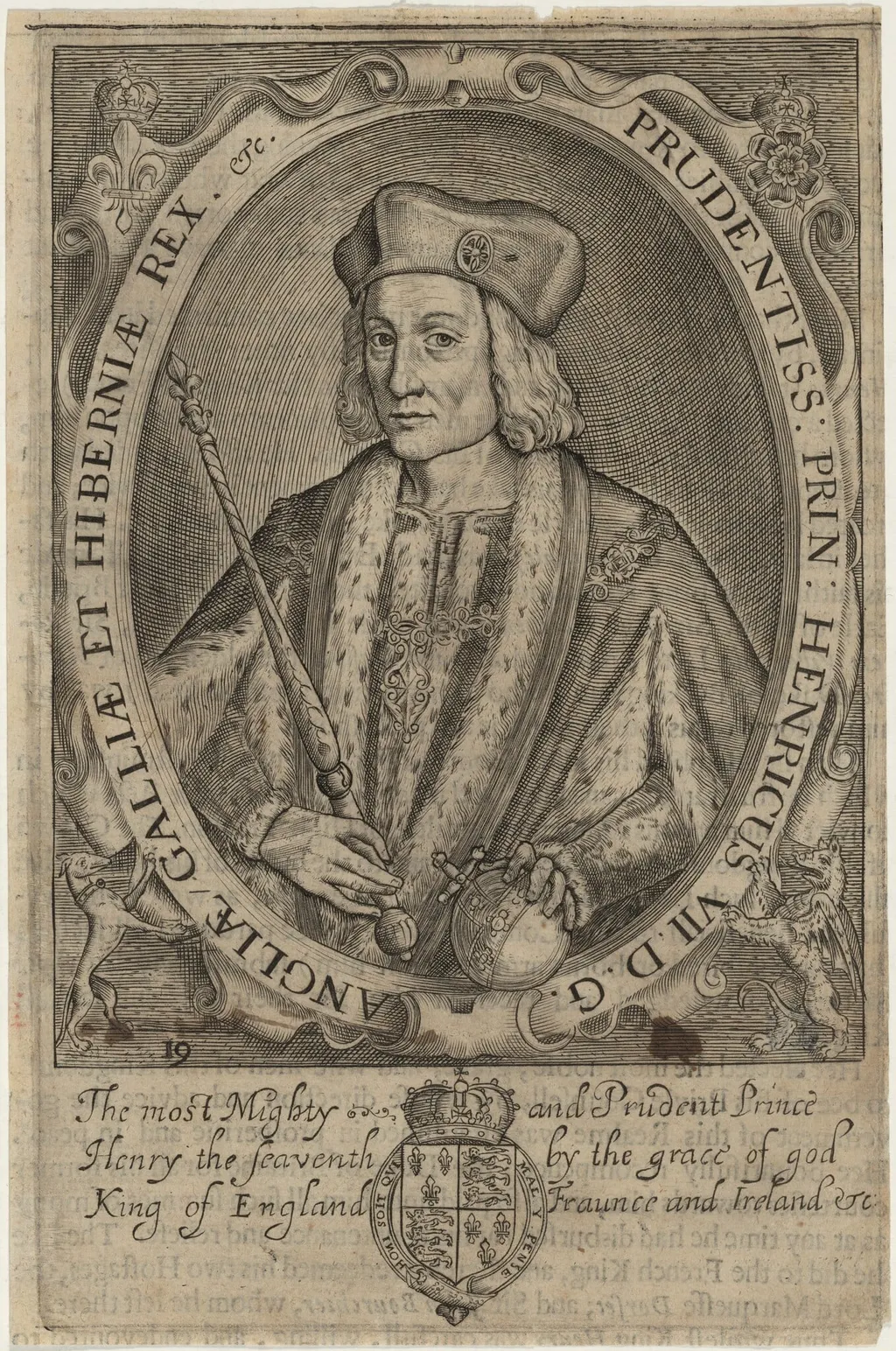
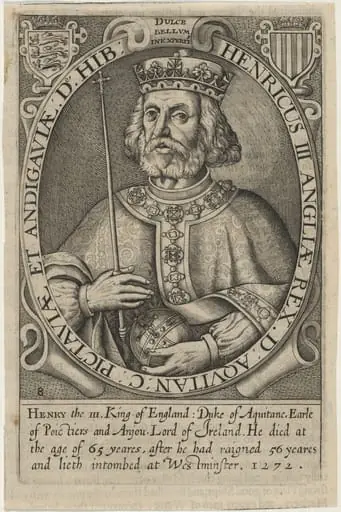
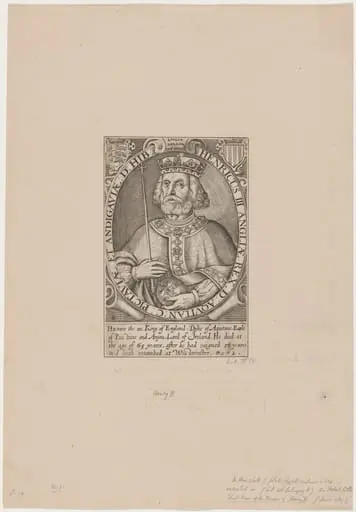
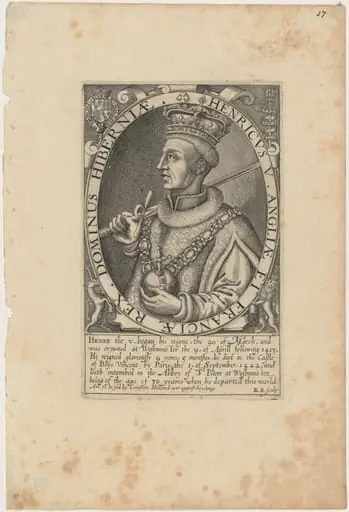
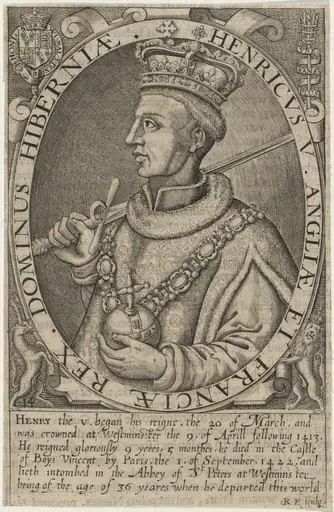
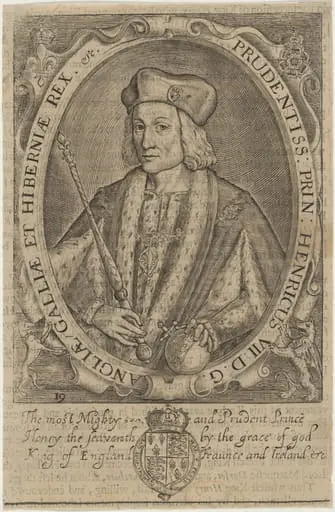
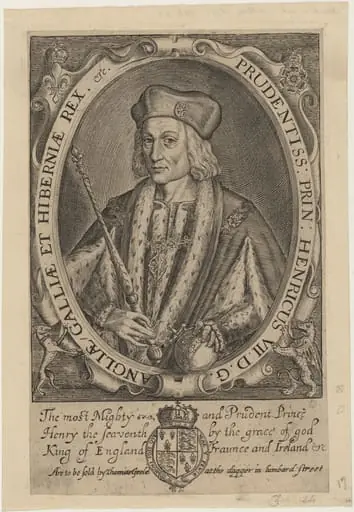
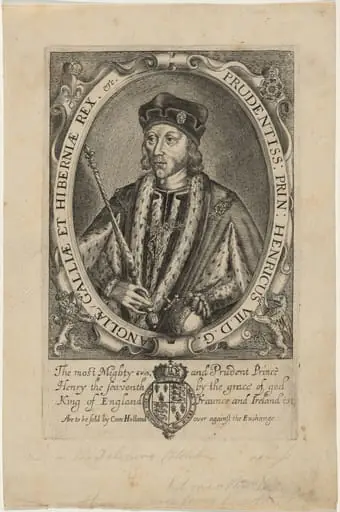
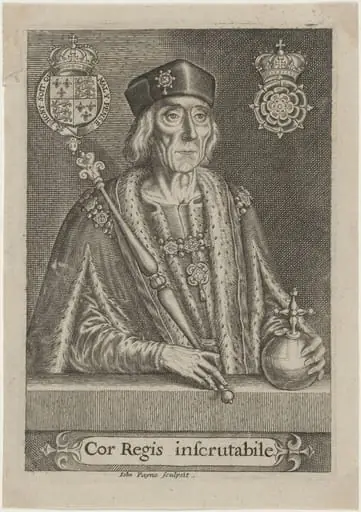
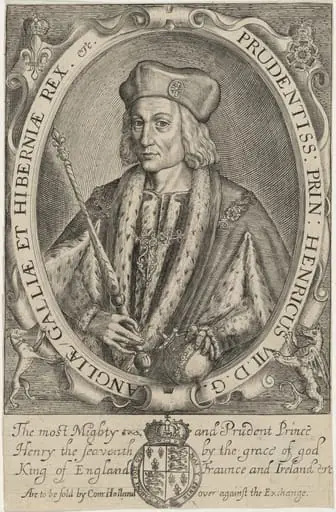
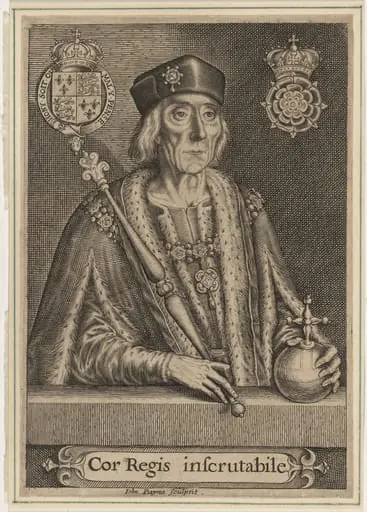
King Henry VII is an ink print by the Renaissance artist Renold Elstrack. It dates from 1598 and is held in the collection of the National Gallery of Art.
About this work
Overview
Renold Elstrack’s 1598 engraving presents King Henry VII of England in a dignified stance. Rendered in fine line work, the image captures the monarch’s solemn expression and elaborate attire, emphasizing his regal bearing. The composition reflects the conventions of late‑sixteenth‑century portrait prints, intended to convey authority and lineage.
Subject & Meaning
The portrait focuses on Henry VII, the founder of the Tudor dynasty, portraying him as a stable and respectable ruler. The serious facial expression and meticulous rendering of his garments underscore his political legitimacy and the continuity of royal power during a period of dynastic consolidation.
Technique & Style
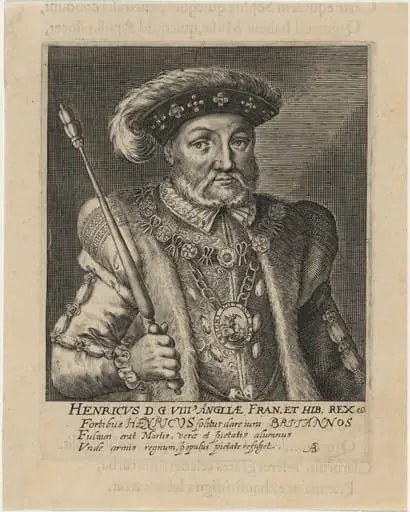
Elstrack employed copperplate engraving, a method that allowed for precise incisions and delicate shading. The fine hatching delineates the textures of fabric and facial features, while the controlled line work creates a sense of depth and three‑dimensionality uncommon in earlier woodcuts. The style aligns with the emerging English portrait tradition of the late 1500s.
History & Provenance
Created in 1598, the print was likely produced for a courtly or aristocratic audience seeking visual representations of the Tudor lineage. Copies circulated among collectors and may have been included in contemporary portrait collections, contributing to the visual memory of Henry VII long after his reign.
Artist & collection