Artwork
Henry V of England
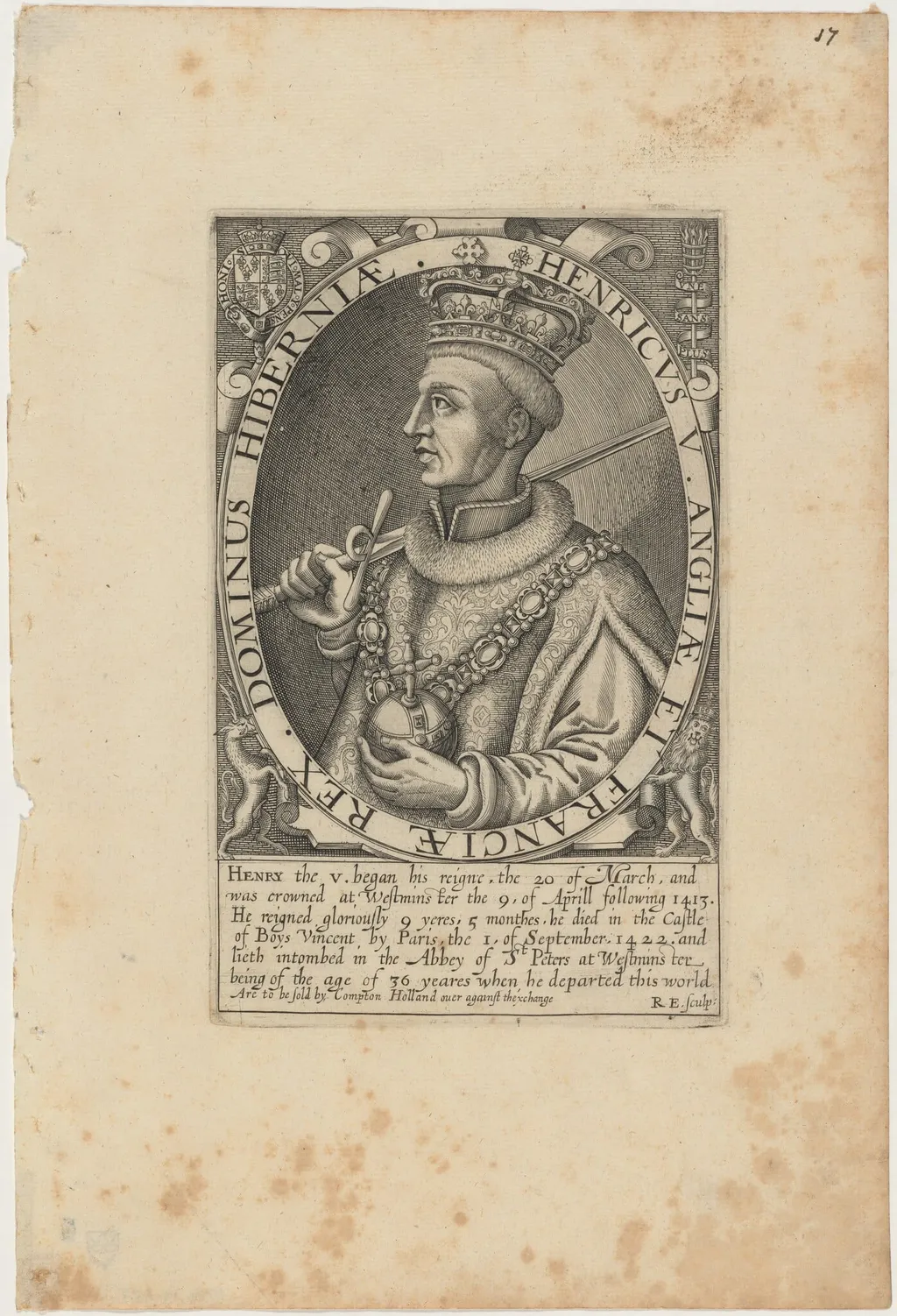
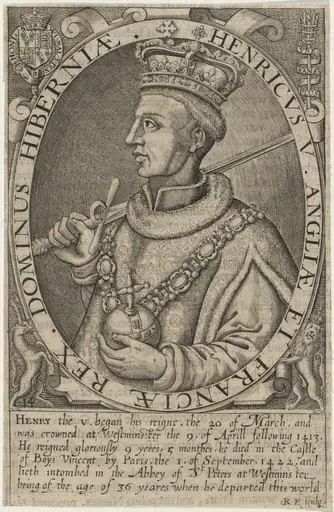
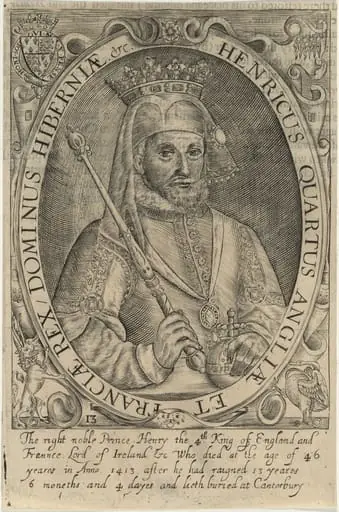
Henry V of England is an ink print by the Renaissance artist Renold Elstrack. It dates from 1598 and is held in the collection of the National Gallery of Art.
About this work
Overview
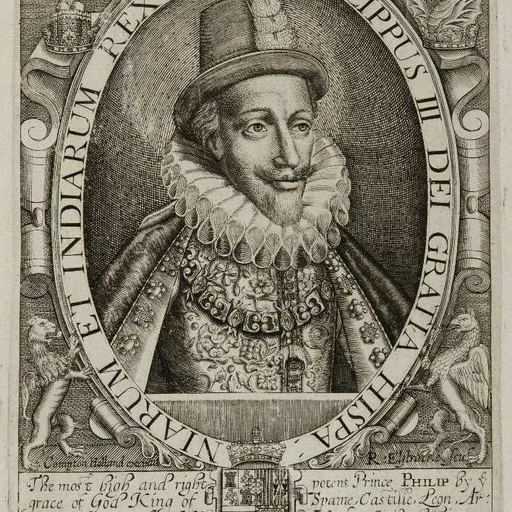
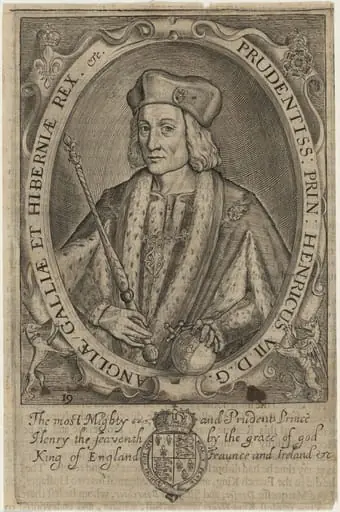
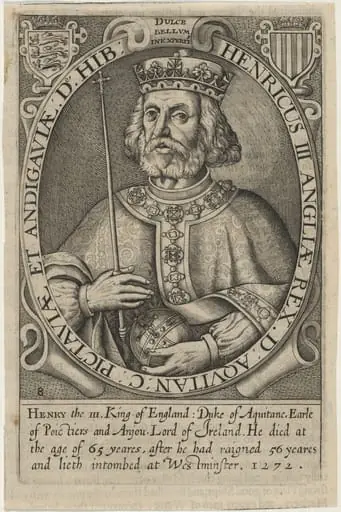
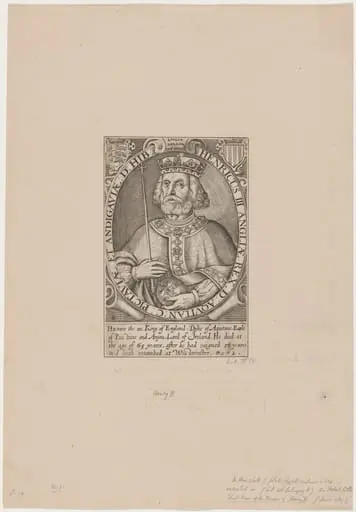
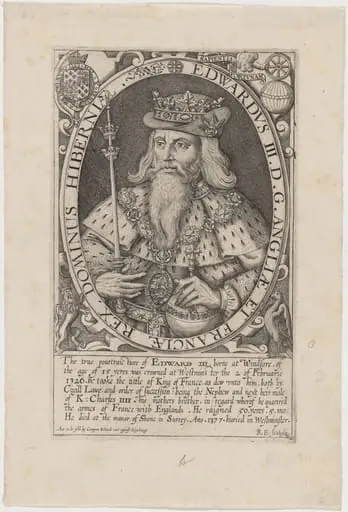
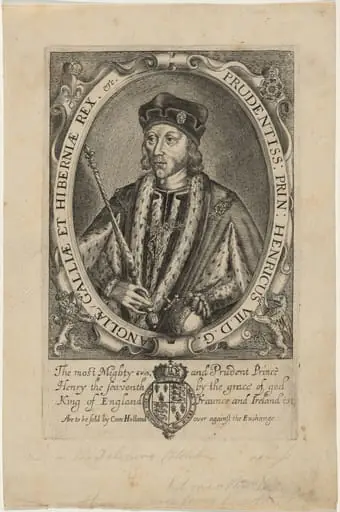
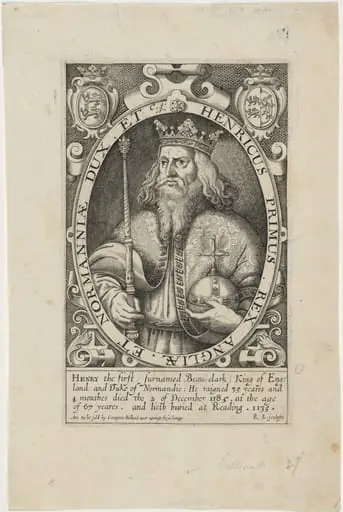
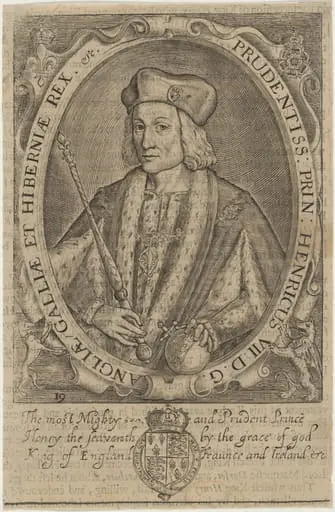
This 1598 engraving by Renold Elstrack depicts Henry V of England in regal attire, rendered in fine linear detail typical of late Renaissance printmaking. The image was produced using engraved metal plates, allowing for multiple impressions. It functions as a formal portrait meant to convey authority and legitimacy, aligning with the era’s interest in historical and royal iconography.
Subject & Meaning
The surrounding text anchors his identity with birth and death dates, reinforcing the image as a historical record rather than a fictionalized likeness.
Henry V is portrayed with royal insignia: a crown, scepter, and globe, symbols of sovereignty and divine right. The Latin inscription 'FRANCIAE DOMINVS'—Lord of France—references his military claims to the French throne following the Battle of Agincourt. The surrounding text anchors his identity with birth and death dates, reinforcing the image as a historical record rather than a fictionalized likeness.
Technique & Style
Elstrack employed precise engraving techniques, using a burin to incise lines into a copper plate, then inked and pressed the plate onto paper. The shading and texture are achieved through controlled hatching and cross-hatching, reflecting Renaissance ideals of clarity and order. The circular border and formal composition echo classical medallion designs, emphasizing permanence and dignity.
History & Provenance
Created in 1598 during the reign of Elizabeth I, the print likely served to reinforce English national identity amid ongoing tensions with Spain and France. Elstrack, a Flemish-born engraver active in London, was known for producing portraits of English monarchs. The work was probably circulated among the educated elite, functioning as both political statement and historical artifact.
Context
In late 16th-century England, printed portraits of past monarchs were used to legitimize current rule by linking it to a lineage of strength and piety. Henry V’s reputation as a warrior-king made him a potent symbol during a time of religious and political uncertainty. Elstrack’s engraving aligns with a broader trend of using print to shape public memory of historical figures.
Legacy
The engraving remains one of the earliest printed images of Henry V, contributing to the visual canon of English royalty. Though not a lifelike portrait, it established a standardized iconography that influenced later depictions. Its survival in institutional collections underscores its role as a document of early modern print culture and royal representation.
Artist & collection