Artwork
Edward II of England
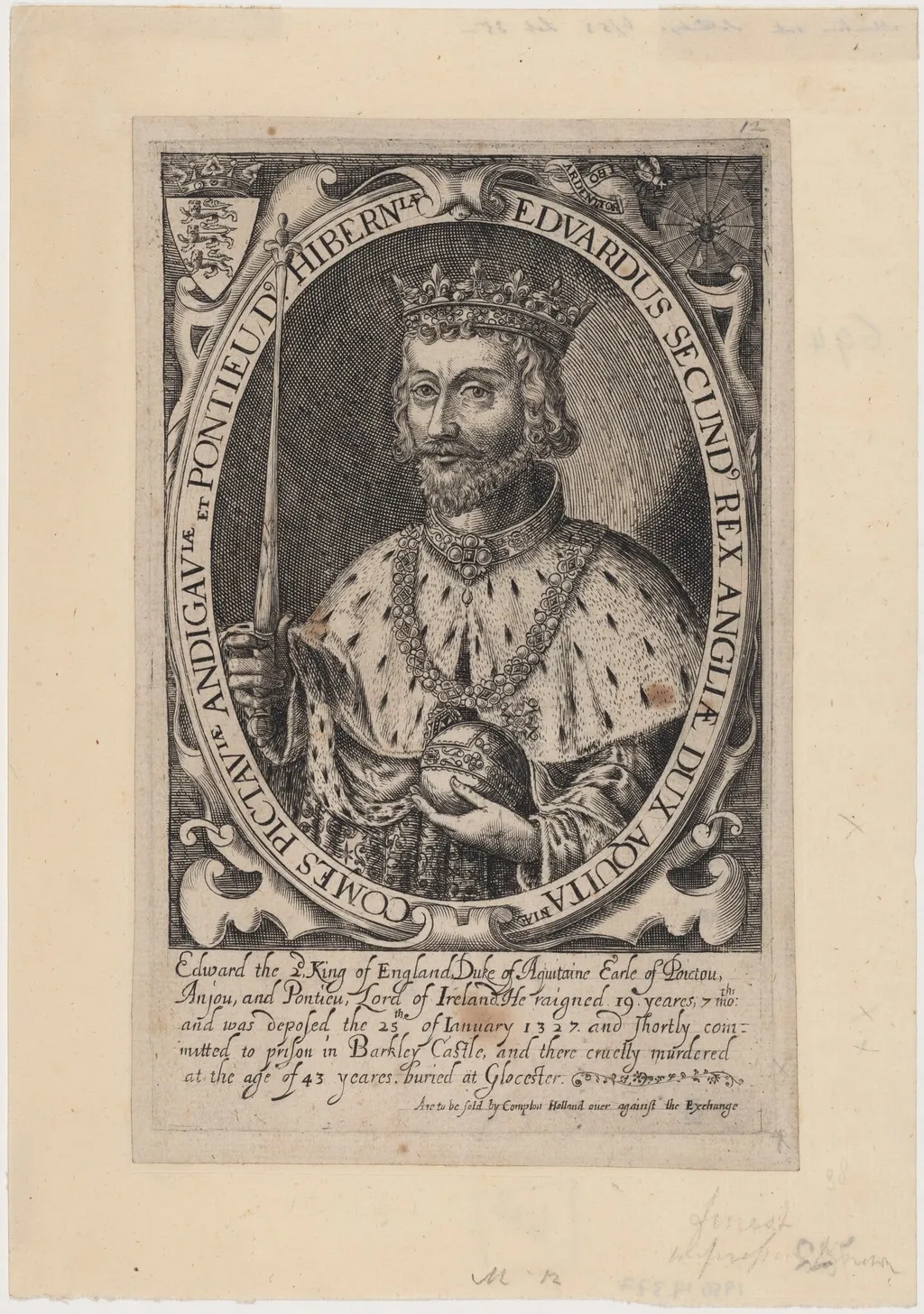
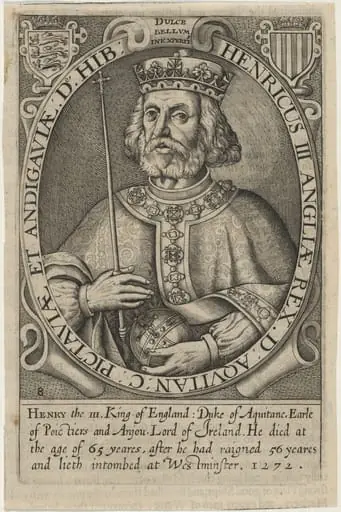
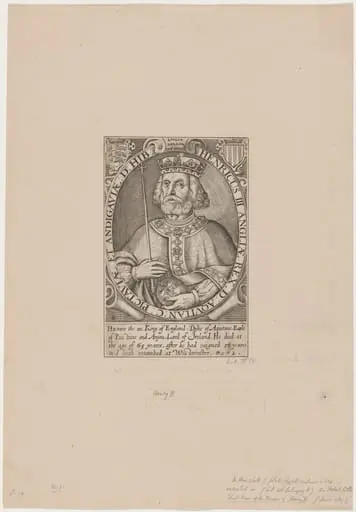
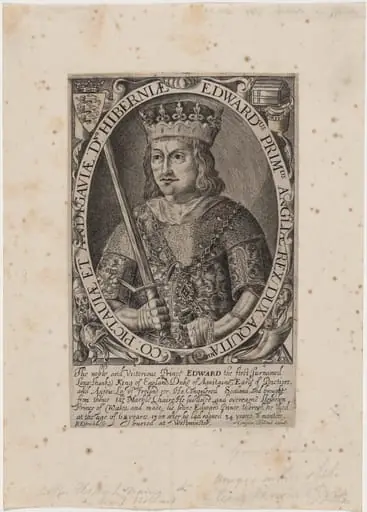
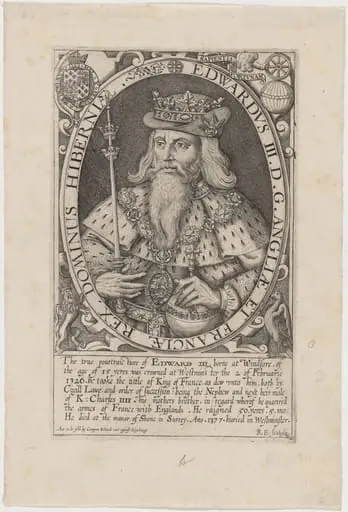
Edward II of England is an ink print by the Renaissance artist Renold Elstrack. It dates from 1598 and is held in the collection of the National Gallery of Art.
About this work
Overview
The image serves as a formal representation rather than a lifelike likeness, reflecting the conventions of royal portraiture in post-Reformation England.
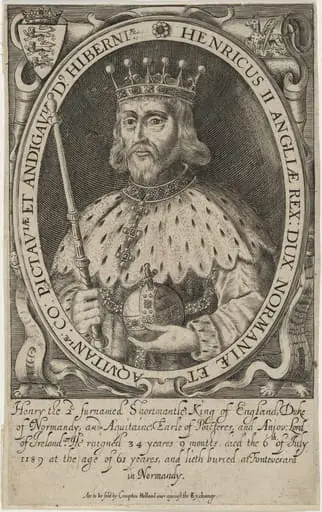
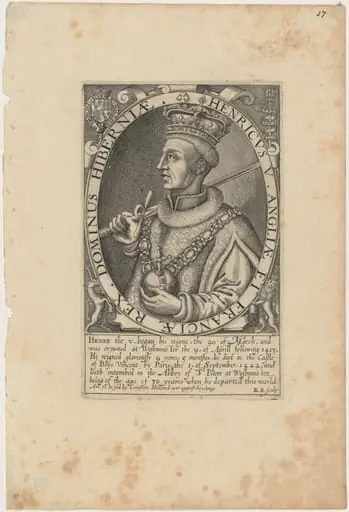
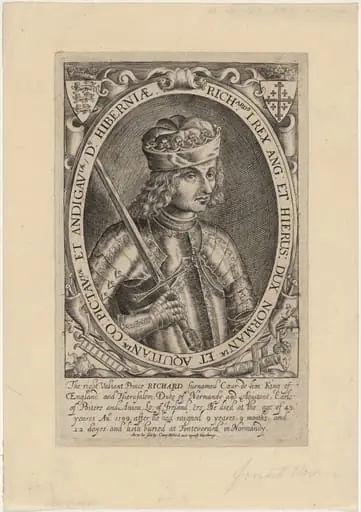
This 1598 engraving by Renold Elstrack depicts Edward II, king of England from 1307 to 1327. Executed in fine line work typical of late 16th-century printmaking, the portrait presents the monarch in ceremonial attire against a dark, unmodeled background. The image serves as a formal representation rather than a lifelike likeness, reflecting the conventions of royal portraiture in post-Reformation England.
Subject & Meaning
Edward II is shown wearing a crown, a heavy collar, and a necklace, symbols of royal authority. He holds a sword, signifying his role as military leader and protector of the realm. His solemn expression and direct gaze convey gravity and introspection, aligning with contemporary ideals of kingship that emphasized duty and solemn responsibility over charisma or vigor.
Technique & Style
Elstrack employed precise engraving techniques to render textures of fabric, metal, and hair through fine, controlled lines. The high contrast between the illuminated figure and the dark background enhances the subject’s presence. The style reflects Northern European print traditions, emphasizing detail and clarity over atmospheric depth, characteristic of Elizabethan and Jacobean portraiture.
History & Provenance
Created in 1598, the engraving was likely produced for distribution among the English gentry or as part of a series of royal portraits. Elstrack, one of England’s earliest professional engravers, often worked for publishers and the Crown. The print’s survival in multiple institutional collections suggests its use as a reference or decorative image in elite households during the early Stuart period.
Context
In late 16th-century England, images of past monarchs were circulated to reinforce dynastic continuity amid political uncertainty. Edward II, though historically controversial, was reimagined here as a dignified sovereign. The engraving aligns with a broader trend of reviving medieval royal imagery to legitimize Tudor and early Stuart rule through visual lineage.
Legacy
Elstrack’s engraving of Edward II remains one of the earliest printed portraits of the king, preserving a visual interpretation that influenced later depictions. While not historically accurate in detail, it contributed to the standardization of royal iconography in print media. The work is now studied as an example of how historical figures were visually reconstructed for contemporary political purposes.
Artist & collection