Artwork
King Edward V
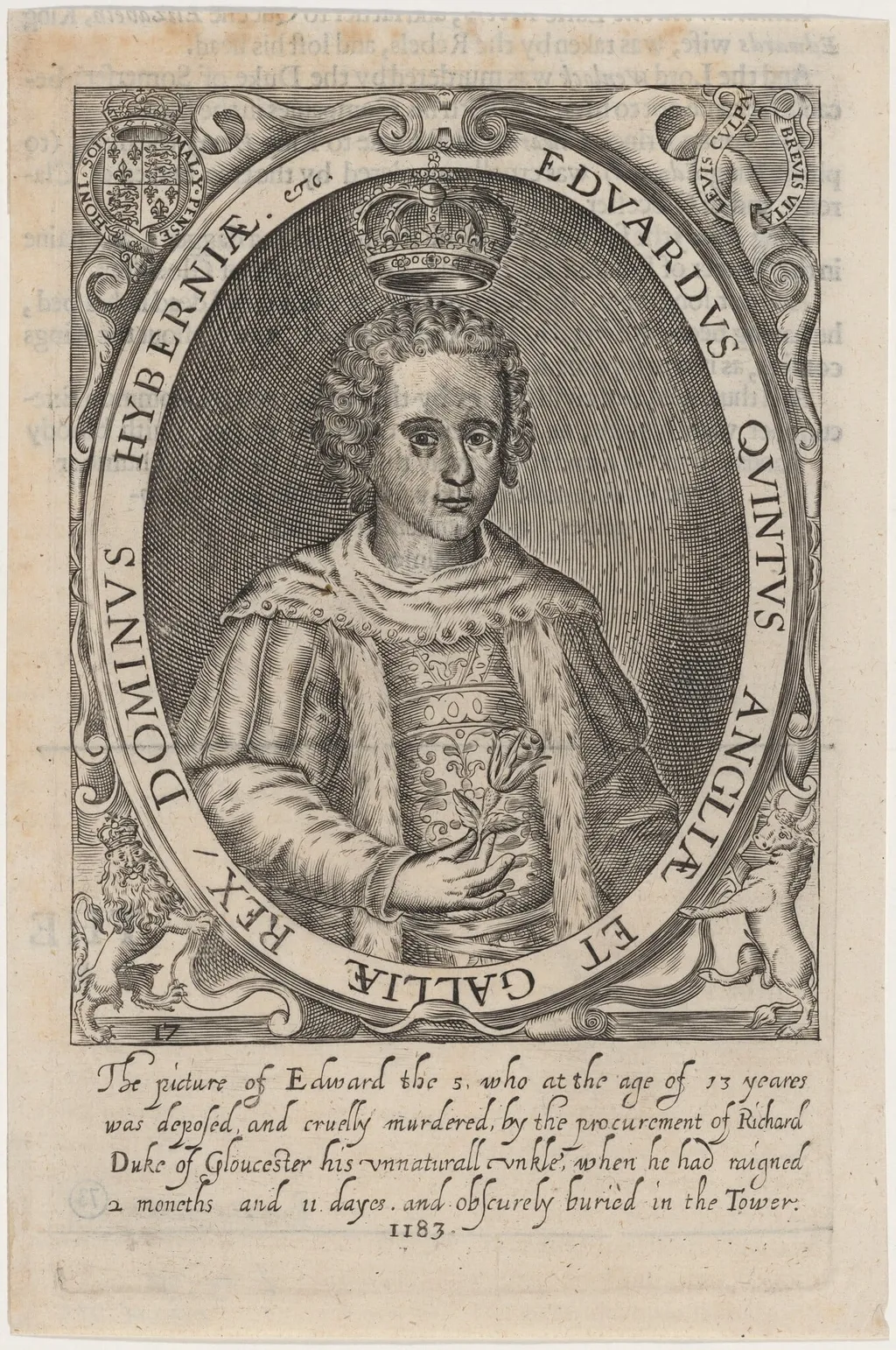
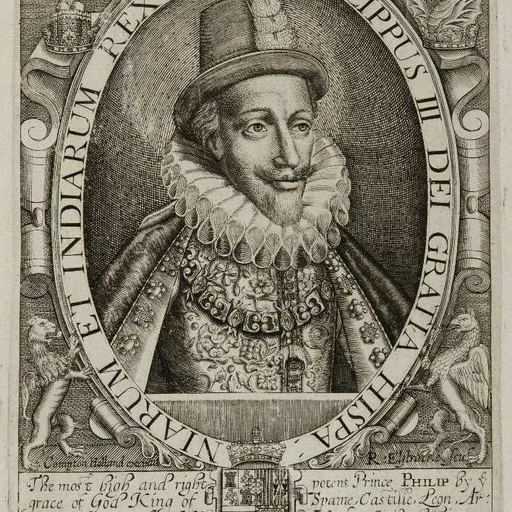
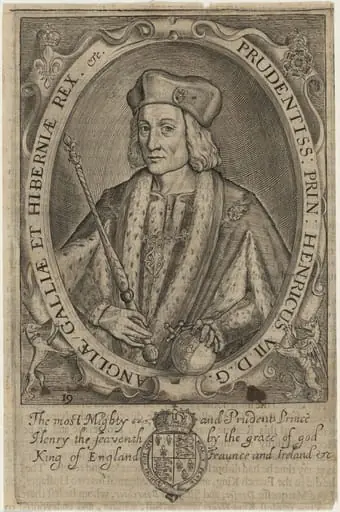
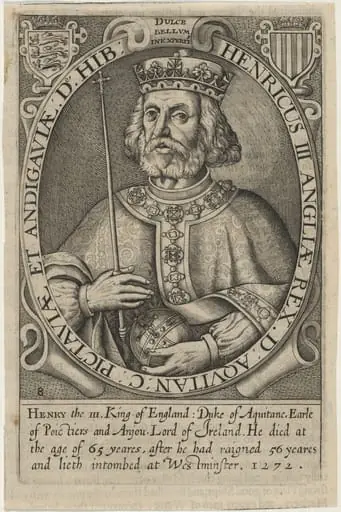
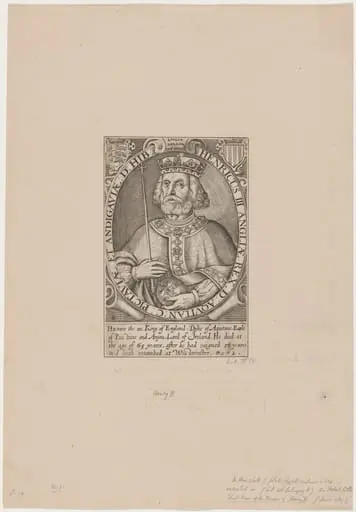
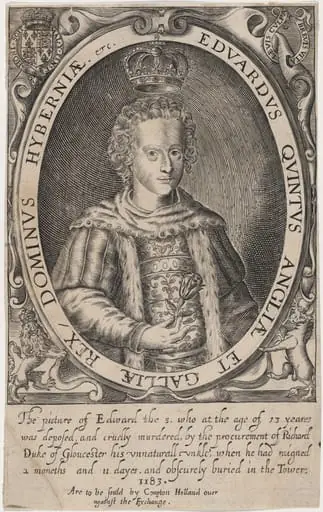
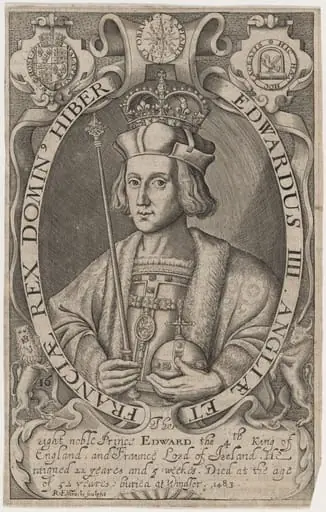
King Edward V is an ink print by the Renaissance artist Renold Elstrack. It dates from 1598 and is held in the collection of the National Gallery of Art.
About this work
Overview
Created in 1598 by English engraver Renold Elstrack, this portrait of King Edward V is a copperplate engraving produced during the late Renaissance.
Created in 1598 by English engraver Renold Elstrack, this portrait of King Edward V is a copperplate engraving produced during the late Renaissance. It presents a formal, frontal depiction of the young monarch, rendered with precision typical of early modern printmaking. The work was likely intended for dissemination among educated audiences, serving as a visual record rather than a devotional image.
Subject & Meaning
King Edward V, who reigned briefly in 1483 before disappearing under mysterious circumstances, is portrayed here with regal bearing: crowned and cloaked, hands clasped in solemn repose. The image avoids overt narrative, instead emphasizing dignity and authority. Its creation over a century after his death reflects a continued interest in the Tudor narrative of lost legitimacy and royal tragedy.
Technique & Style
Elstrack employed fine cross-hatching and parallel lines to model form and texture, particularly in the folds of the king’s cloak and the intricate details of the crown. The dark, unmodulated background isolates the figure, enhancing its sculptural presence. The engraving’s clarity and controlled line work reflect the precision expected in portraiture meant for reproduction and public circulation.
History & Provenance
The engraving was made during the reign of Elizabeth I, a period when historical portraiture gained renewed interest as a tool for reinforcing dynastic continuity. It entered the collection of the National Gallery of Art in Washington, D.C., in the 20th century, likely through acquisition from a private or institutional European collection with ties to early modern English prints.
Context
In late 16th-century England, engraved portraits of past monarchs were used to anchor contemporary political identity. Edward V, though never crowned, was a potent symbol of the Yorkist line’s disruption. Elstrack’s image aligns with a broader trend of reviving historical figures to legitimize Tudor rule through visual continuity and remembered tragedy.
Legacy
As one of the few surviving engravings of Edward V from the period, it remains a key reference for understanding how Tudor-era artists visualized contested royal figures. Its technical discipline influenced later British printmakers, and it continues to be cited in studies of early modern portraiture and the politics of historical memory.
Artist & collection