Artwork
James I Enthroned
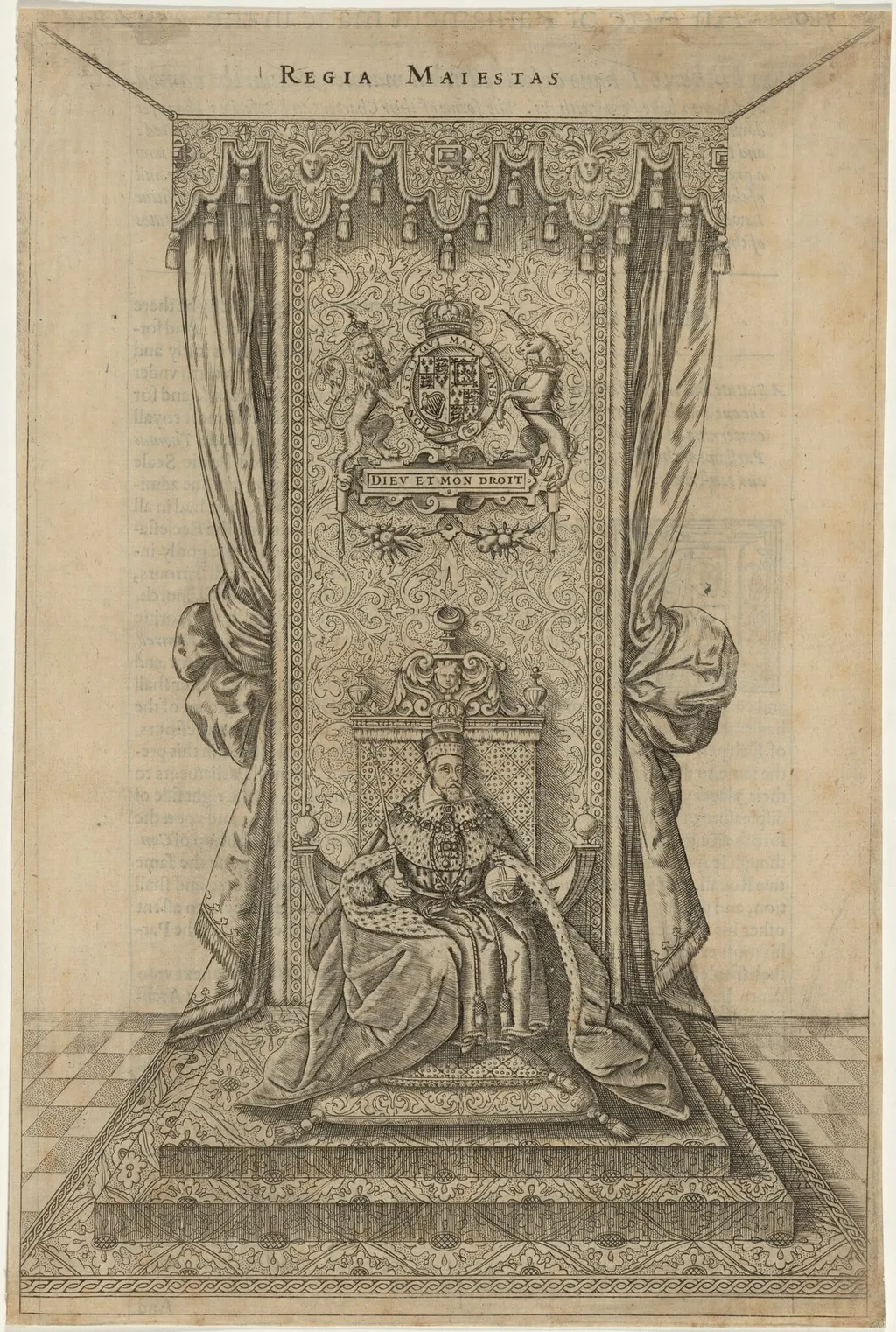
James I Enthroned is an ink print by the Baroque artist Renold Elstrack. It dates from 1610 and is held in the collection of the National Gallery of Art.
About this work
Overview
James I Enthroned is a 1610 engraving by Renold Elstrack, produced as a formal portrait of the English monarch. Created shortly after James’s accession, the print served to circulate his image across the realm, reinforcing royal presence through the emerging medium of printmaking. The work reflects the political need to visually assert authority during a period of dynastic transition.
Subject & Meaning
The engraving depicts King James I seated on a richly detailed throne, dressed in elaborate regalia including a feathered cap and ornate robes. His upright posture and direct gaze convey solemn authority, aligning with contemporary ideals of monarchical dignity. The composition avoids narrative action, focusing instead on symbolic permanence and divine right, common in early Stuart portraiture.
Technique & Style
Elstrack employed fine-line engraving to render intricate textures in fabric, metalwork, and architectural elements of the throne. The precision of cross-hatching and stippling captures the weight and sheen of velvet, lace, and gold embroidery. The style is methodical and restrained, prioritizing clarity and detail over emotional expression, typical of English engraving at the time.
History & Provenance
Commissioned soon after James I’s coronation, the engraving was likely intended for distribution among nobility and civic institutions. It survives in several institutional collections, including the British Museum, with early impressions bearing the artist’s signature and date. Its production coincided with efforts to standardize royal imagery amid growing public interest in printed portraiture.
Context
The emphasis on ceremonial dress and static posture reflects the fusion of Tudor tradition with emerging Stuart claims to absolute rule.
In early 17th-century England, engraved portraits of monarchs functioned as tools of political communication, especially where painting was inaccessible to most. Elstrack’s work aligns with a broader European trend of using print to disseminate royal iconography. The emphasis on ceremonial dress and static posture reflects the fusion of Tudor tradition with emerging Stuart claims to absolute rule.
Legacy
Elstrack’s engraving established a visual template for subsequent royal portraits in print, influencing how monarchy was represented in the decades before the Civil War. While not widely reproduced in later centuries, it remains a key example of early Jacobean print culture and the role of engraving in shaping public perception of sovereignty.
Artist & collection

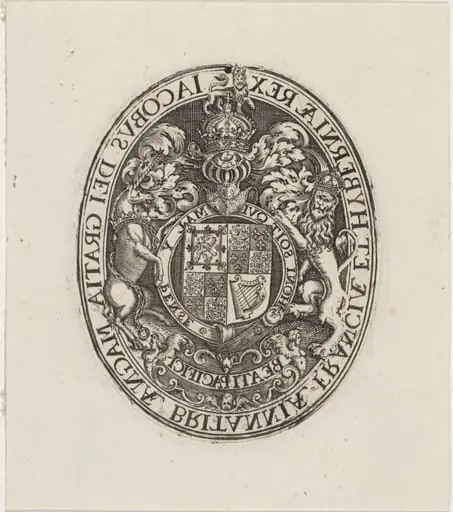 Shield of James I
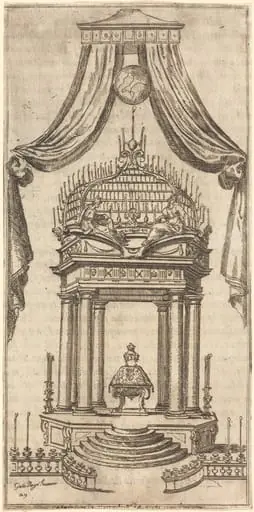 The Catafalque
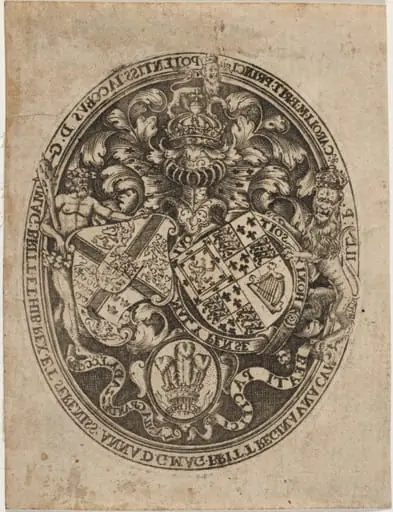 Shield of James I, Anne of Denmark, and Prince Charles
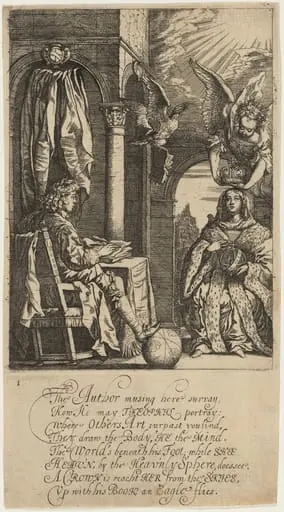 Illustration for Edward Benlowes, Theophila
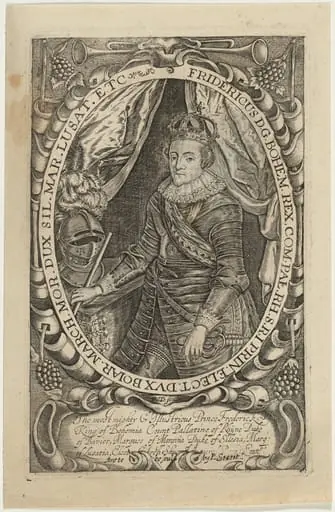 Fredericus D.G. Bohem. Rex (Frederick V, Kingof Bohemia)
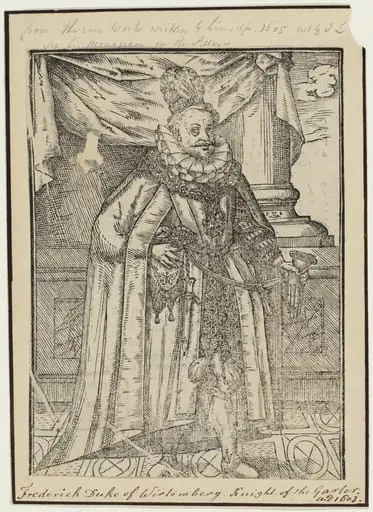 Frederick I, Duke of Wurtemberg
![Shield of James I [bottom half], by Simon van de Passe](https://artifactworldgallery.com/img/simon-van-de-passe--shield-of-james-i-bottom-half--1018ac0722c9b8d5-w320.webp) Shield of James I [bottom half]
Shield of James I [bottom half]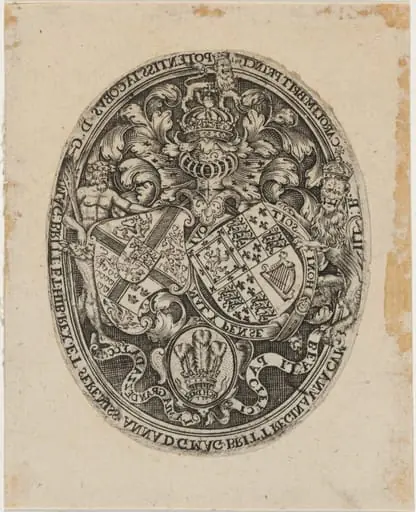 Shield of James I, Anne of Denmark, and Prince Charles
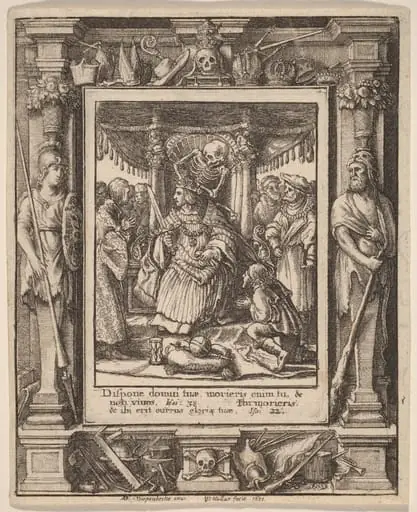 Emperor
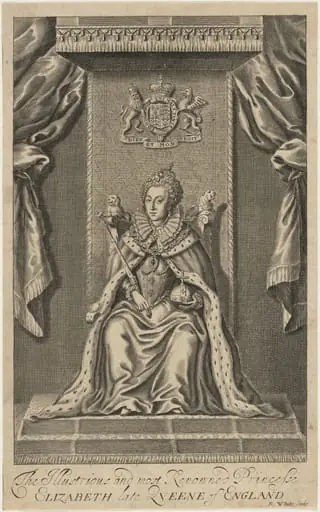 Queen Elizabeth Enthroned
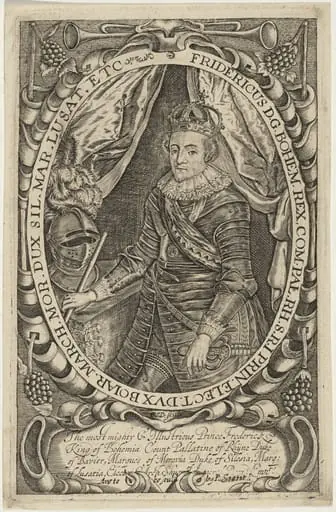 Frederick V, King of Bohemia
 Architectural Motif with a Drape with Fruit