Artwork
Frederick I, Duke of Wurtemberg
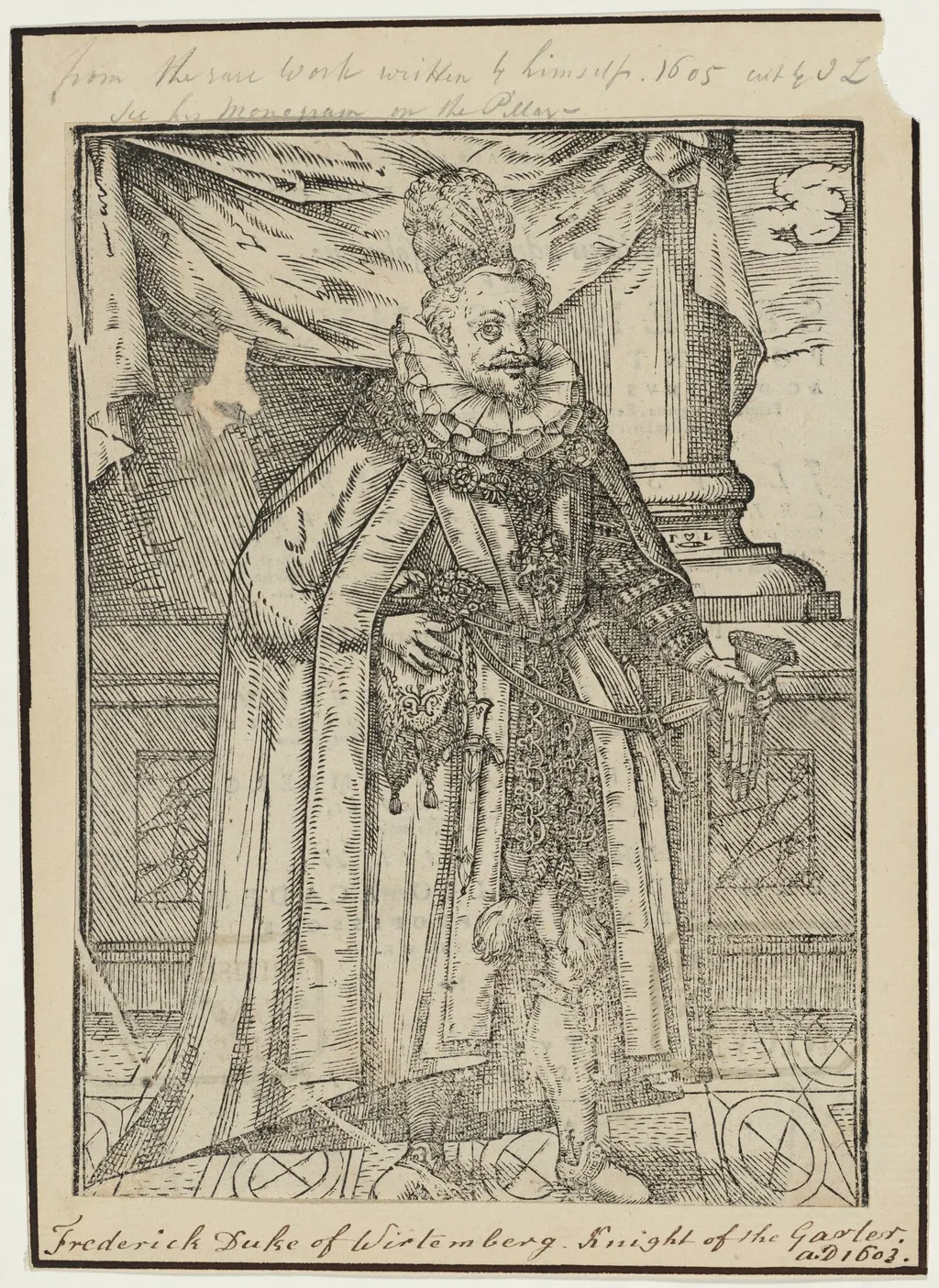
Frederick I, Duke of Wurtemberg is an ink print by the Romanticist artist Unknown 19th Century. It dates from 1850 and is held in the collection of the National Gallery of Art.
About this work
Overview
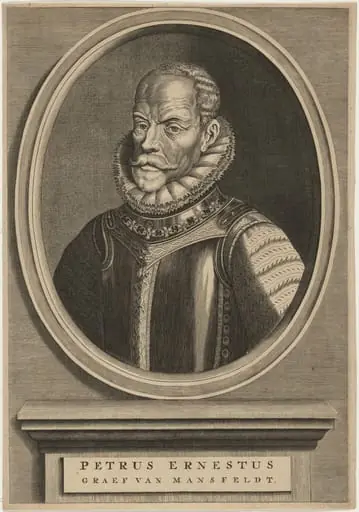
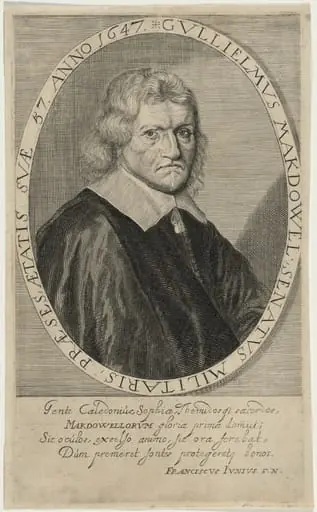
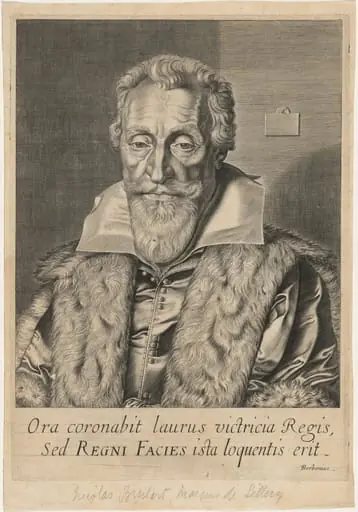
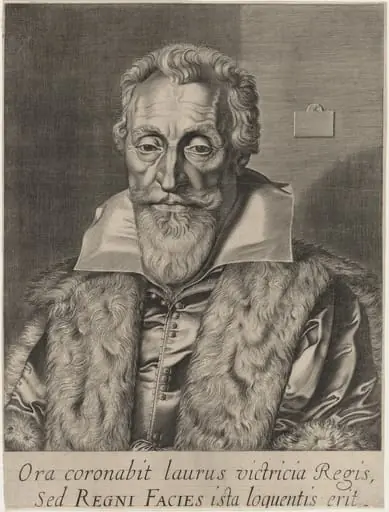
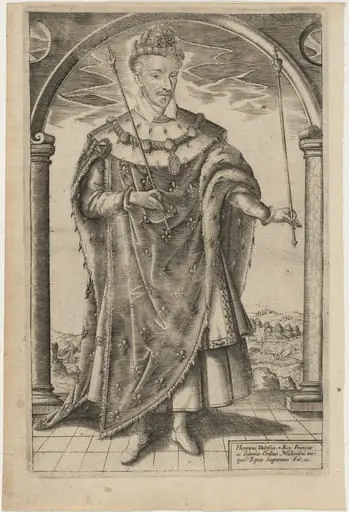
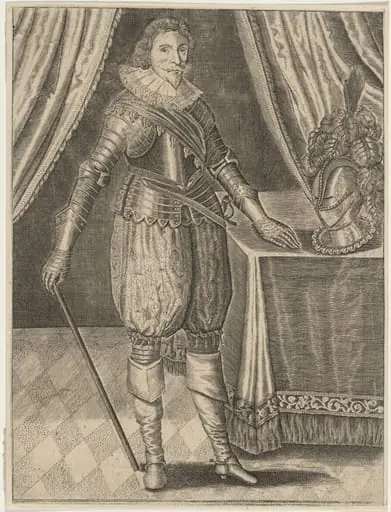
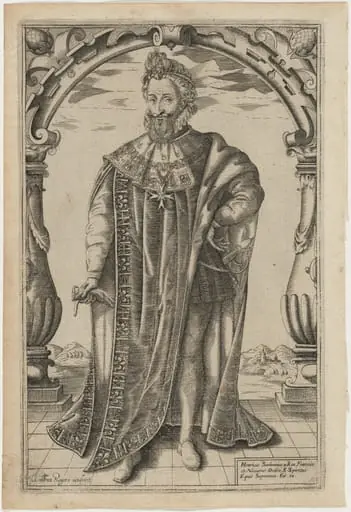
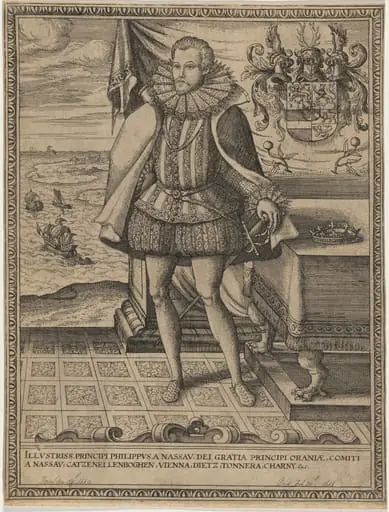
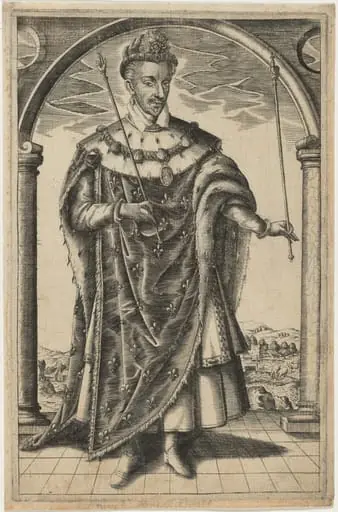
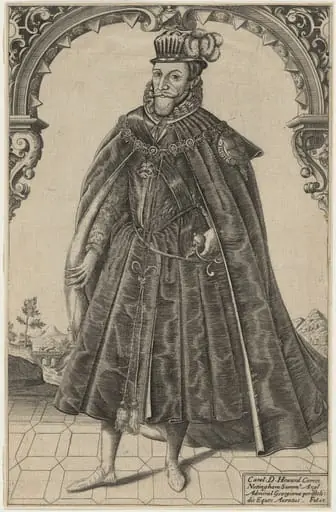
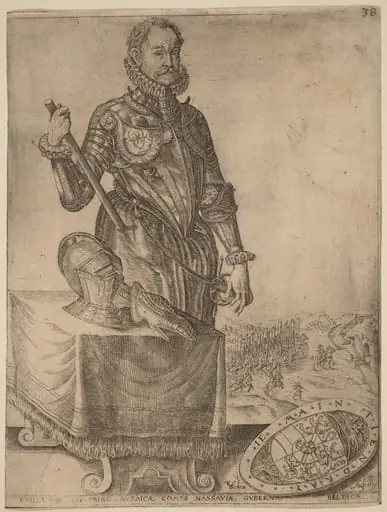
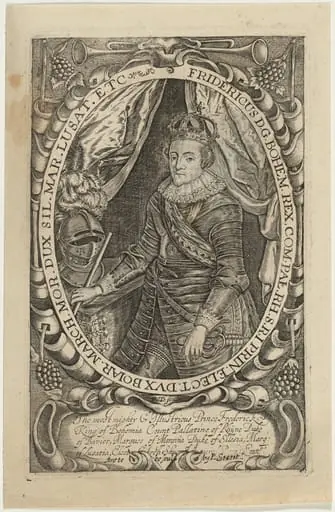
Frederick I, Duke of Wurtemberg is depicted in an engraving, showcasing the duke in a formal, ornate setting, conveying nobility and grandeur through meticulous attire and composition.
Subject & Meaning
The subject, Frederick I, is portrayed with symbols of power and status: a sword in his left hand, a draped curtain, and a stone pedestal under his right. These elements emphasize his ducal authority and refined taste.
Technique & Style
The engraving utilizes cross-hatching to achieve depth and texture, characteristic of detailed, high-contrast printmaking techniques prevalent during the period, though the specific stylistic affiliation mentioned (Romanticism) seems anachronistic given the subject's 16th-century reign.
Context
Given the duke's historical period (reigned 1587-1610), the work's style and subject matter align more closely with Late Renaissance or early Baroque artistic sensibilities rather than the later Romantic movement.
History & Provenance
Unfortunately, specific details regarding the engraving's creation date, artist, or ownership history are not provided in the available information.
Legacy
The engraving serves as a visual record of the duke's image and the artistic representation of nobility during his era, though its broader impact or influence on subsequent art is not detailed in the provided context.
Artist & collection

Artist