Artwork
Edward VI
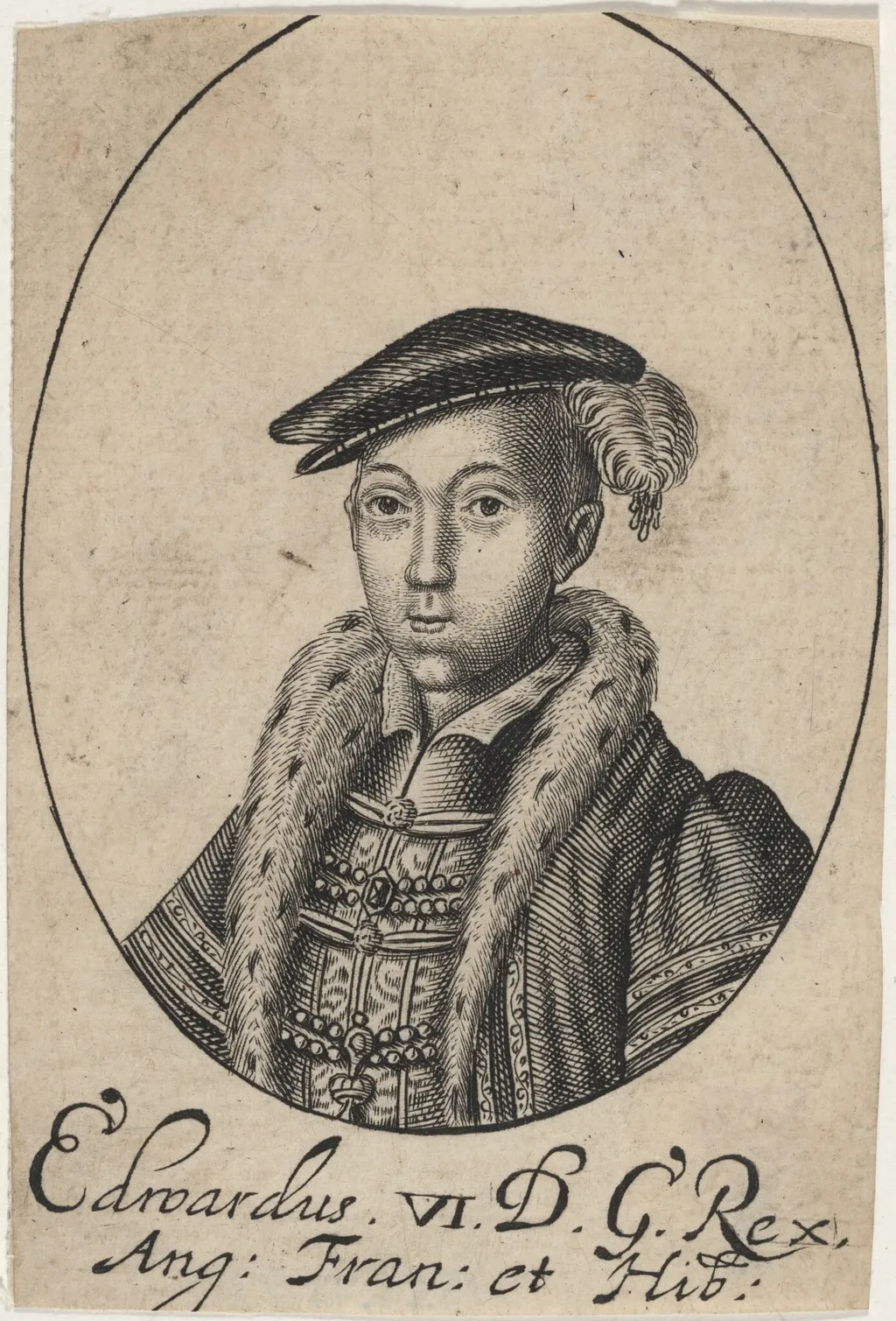
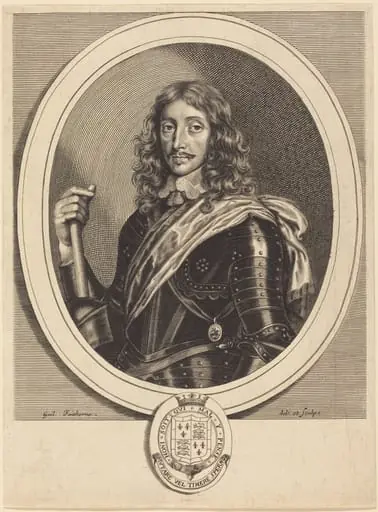
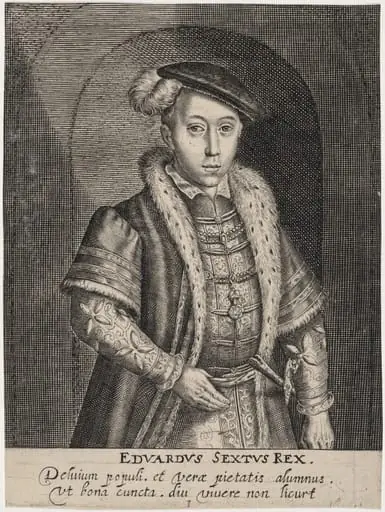
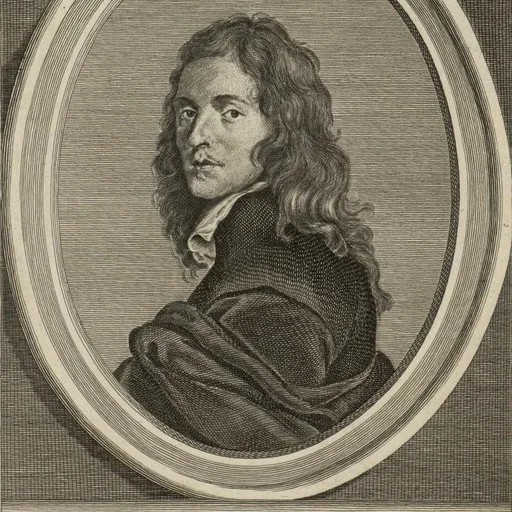
Edward VI is an ink print by the Renaissance artist William Faithorne. It dates from 1633 and is held in the collection of the National Gallery of Art.
About this work
Overview
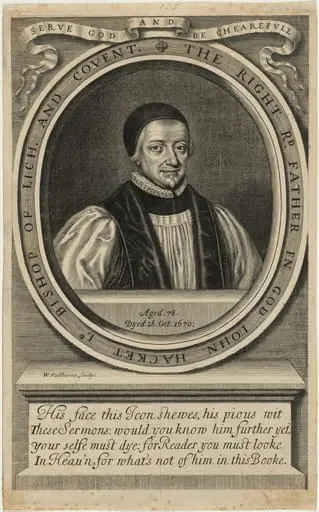
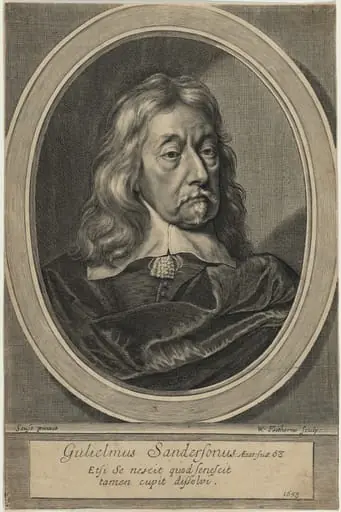
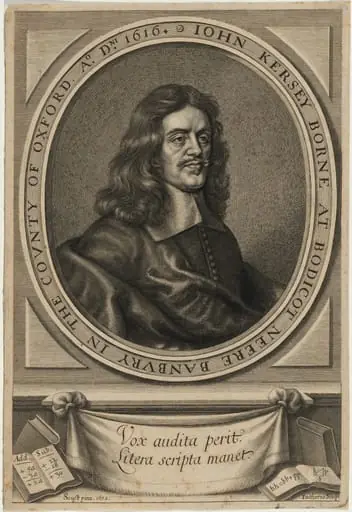
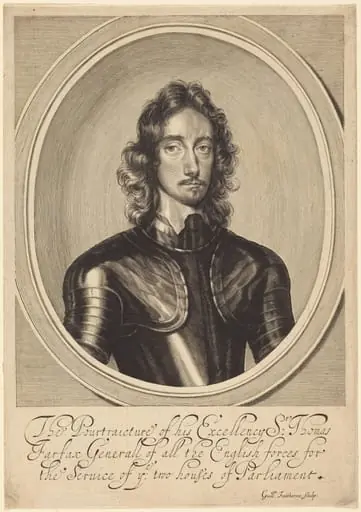
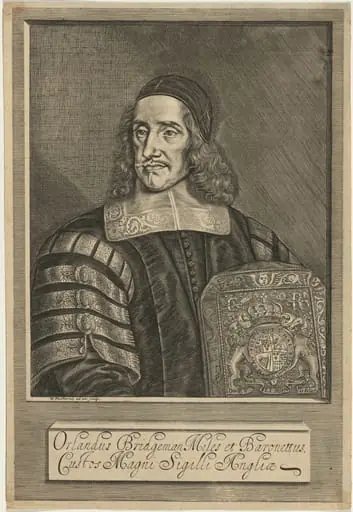
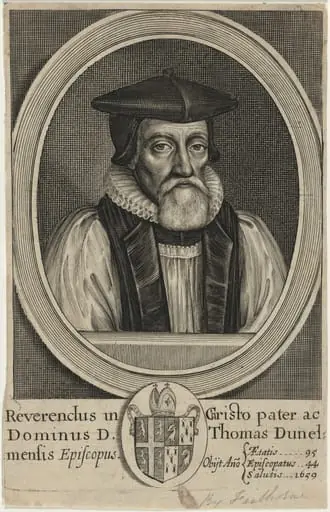
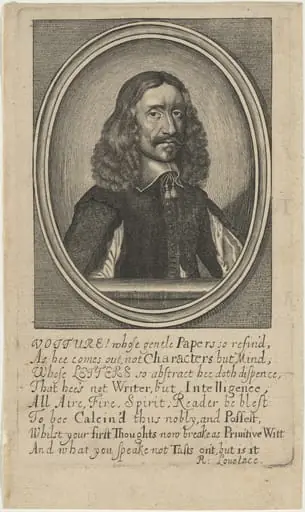
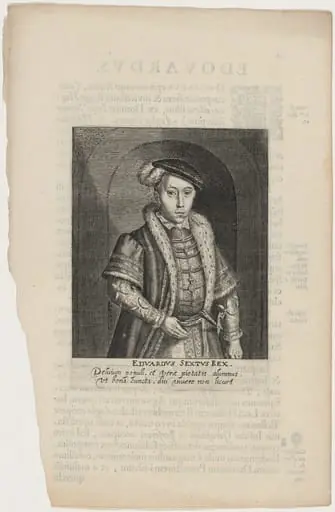
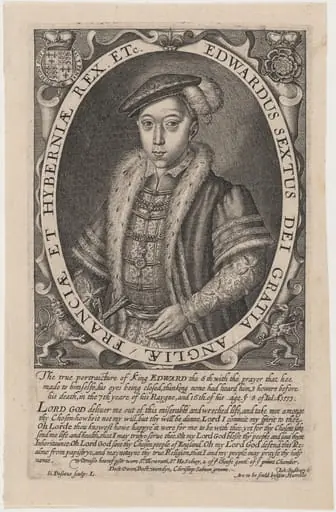
William Faithorne’s 1633 engraving presents a solitary figure of a young man, rendered in fine line work. The portrait is set against an unadorned background, drawing attention to the sitter’s attire and facial features. The work exemplifies the meticulous printmaking practices of early seventeenth‑century England.
Subject & Meaning
The figure appears to be a youthful gentleman, identifiable by his hat and a coat trimmed with fur, complete with a turned‑down collar and visible buttons. While the sitter’s identity is not specified, the dignified pose and careful rendering suggest a formal portrait intended to convey status and refinement.
Technique & Style
Faithorne employs cross‑hatching to model light and shadow across the face, clothing, and fur trim, achieving a nuanced sense of texture. The linear density varies to suggest depth, while the plain backdrop eliminates visual distraction, a common approach in portrait engravings of the period.
History & Provenance
Created in 1633, the engraving belongs to Faithorne’s mature output after his apprenticeship with John Payne. As a product of the English Renaissance print tradition, it would have been circulated among collectors and possibly used as a reference for painted portraits, though specific ownership records are not documented.
Artist & collection
Artist
William Faithorne (1616–1691) was a British artist, born in Greater London.