Artwork
King John of England
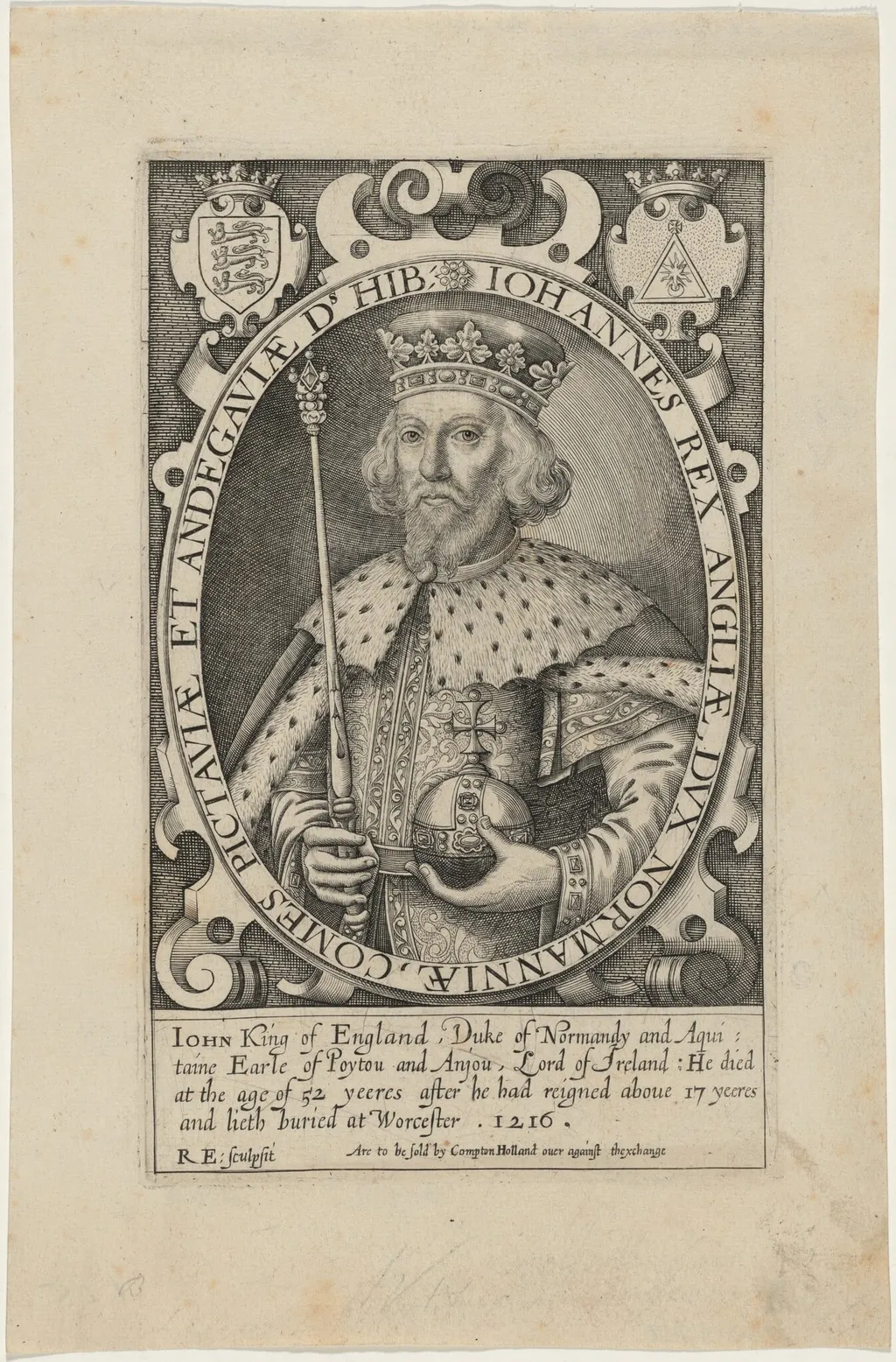
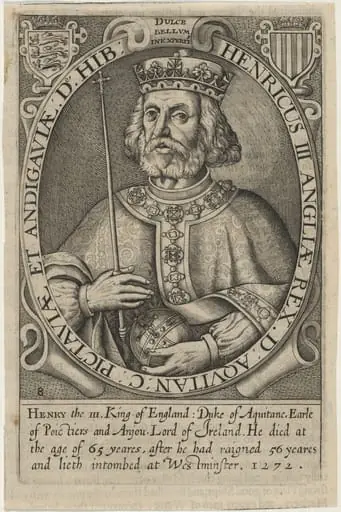
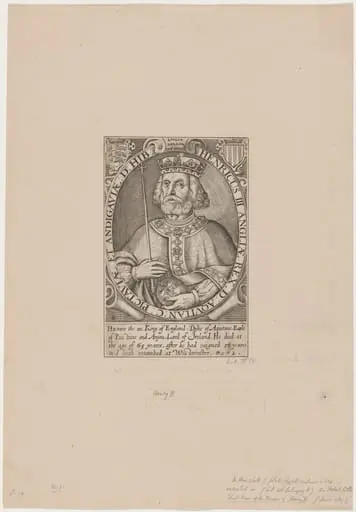
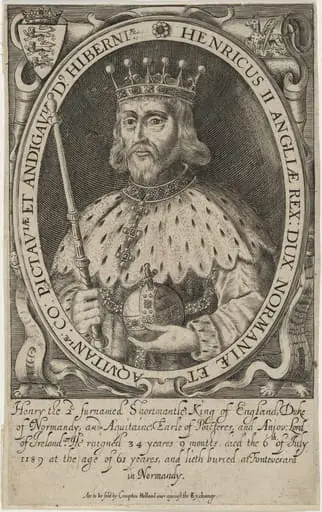
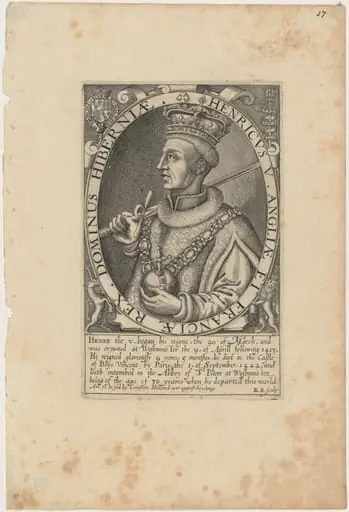
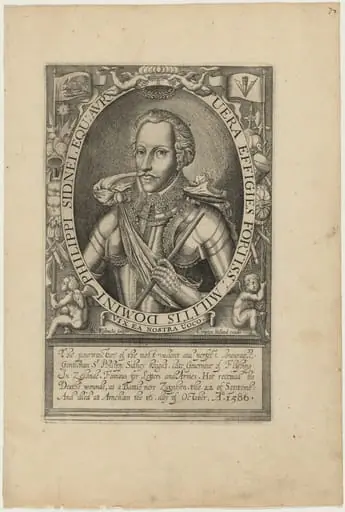
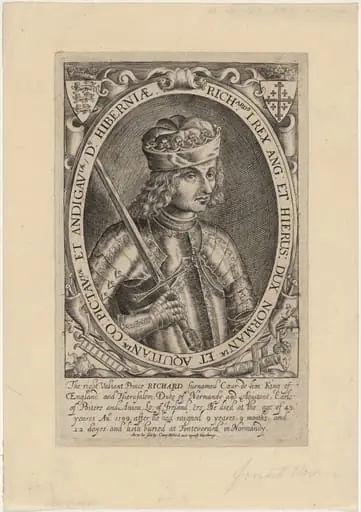
King John of England is an ink print by the Renaissance artist Renold Elstrack. It dates from 1598 and is held in the collection of the National Gallery of Art.
About this work
Overview
Executed in fine line work on paper, it belongs to a tradition of royal portraiture intended for dissemination among the educated elite.
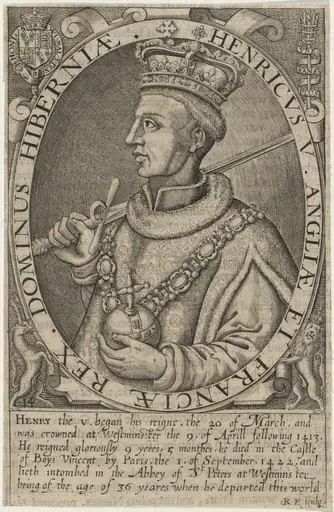
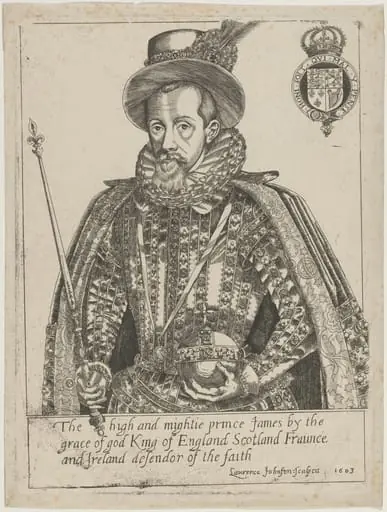
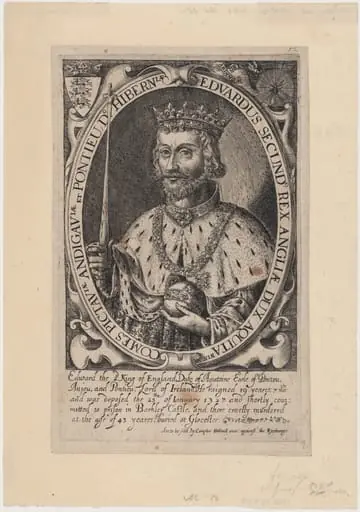
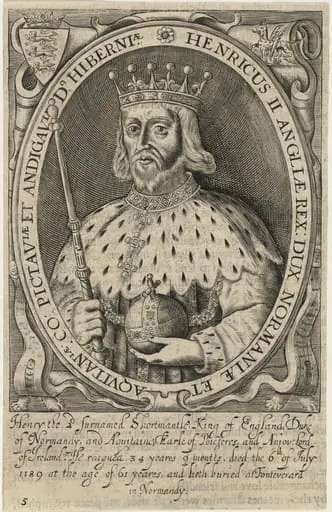
This 1598 engraving by Renold Elstrack portrays King John of England, produced during the late Elizabethan era. Executed in fine line work on paper, it belongs to a tradition of royal portraiture intended for dissemination among the educated elite. The image is not a life portrait but a constructed likeness, aligning with contemporary conventions of monarchical representation rather than historical accuracy.
Subject & Meaning
The figure is depicted with regalia—crown, scepter, fur-trimmed robe, and ornate collar—to assert authority and legitimacy. His direct gaze and solemn expression convey gravitas, reinforcing the ideal of sovereign dignity. Though John’s historical reputation was contentious, this portrayal avoids narrative or moral judgment, instead presenting him as a timeless emblem of kingship, consistent with the era’s preference for symbolic over biographical representation.
Technique & Style
Elstrack employed precise engraving techniques to render texture and form: fine hatching defines the fur lining, while delicate lines outline the crown and scepter. The dark, unmodeled background isolates the figure, focusing attention on his attire and posture. The style reflects Northern Renaissance portraiture, emphasizing detail and formal composition over emotional expression, typical of printed royal images meant for replication and public circulation.
History & Provenance
Created in 1598, the engraving was likely part of a series of English monarchs commissioned for educational or decorative use. Elstrack, a Flemish-born engraver active in London, specialized in such works for publishers and antiquarians. The print survives in several institutional collections, including the British Museum, suggesting its early circulation among collectors and scholars interested in national history and iconography.
Context
In late 16th-century England, printed portraits of past kings served political and cultural purposes, reinforcing continuity of monarchy amid religious and dynastic uncertainty. Elstrack’s image aligns with efforts to visually codify English royal lineage, drawing on continental print traditions while adapting them for domestic audiences. Such works helped shape public perception of history through standardized, authoritative imagery.
Legacy
Elstrack’s engraving became a reference point for later depictions of King John, influencing how the monarch was visually imagined in the 17th and 18th centuries. Though not based on contemporary likenesses, its formal language endured in historical texts and antiquarian publications. It remains a key example of how print media mediated royal identity before the age of photography.
Artist & collection