Artwork
William II
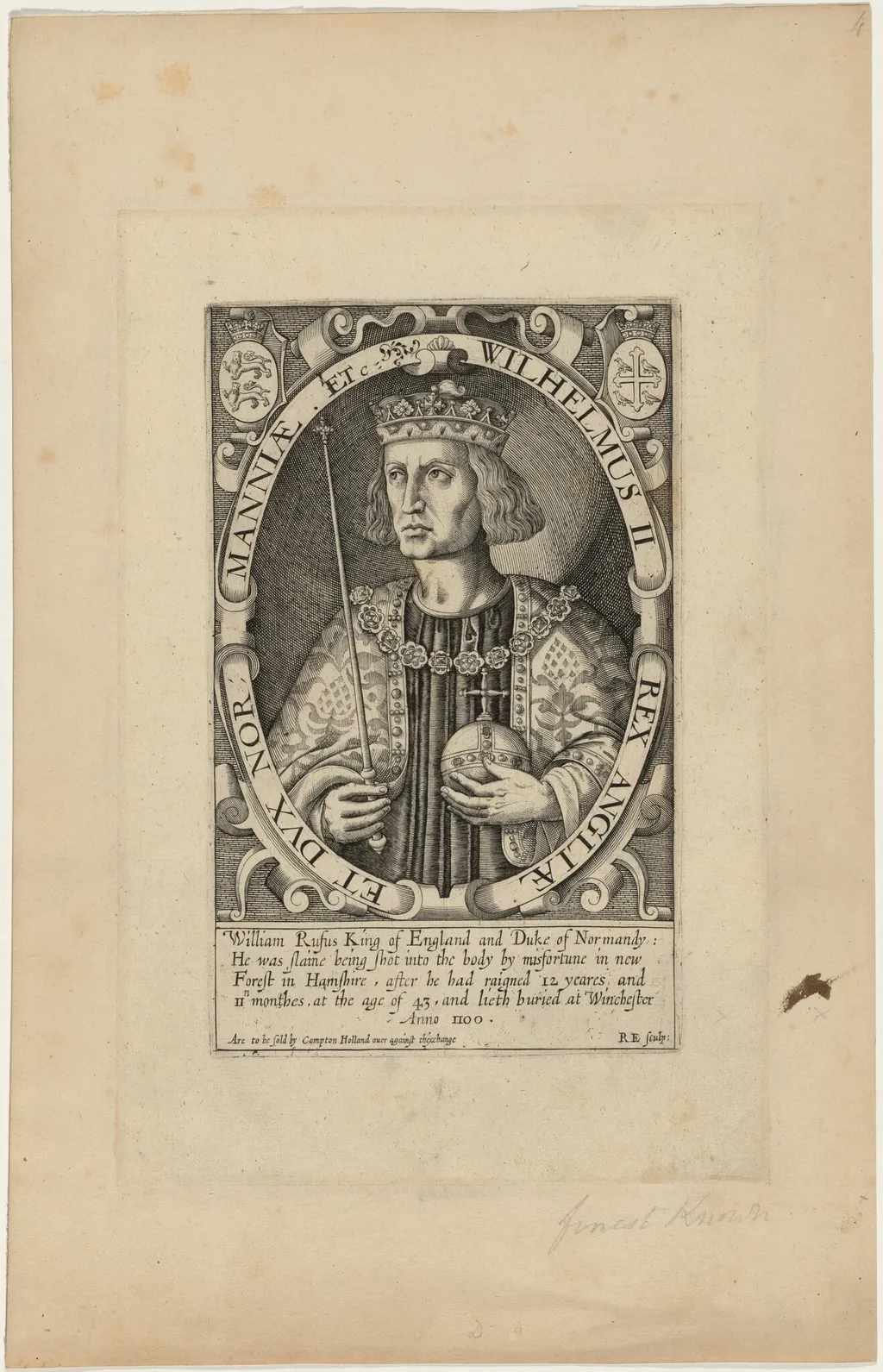
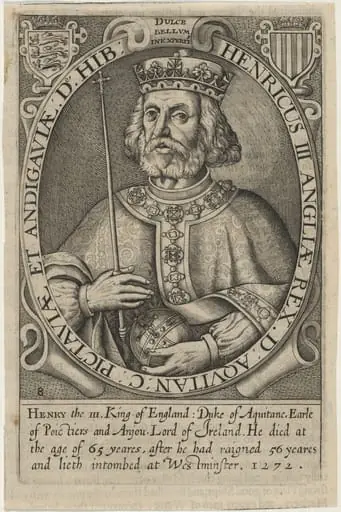
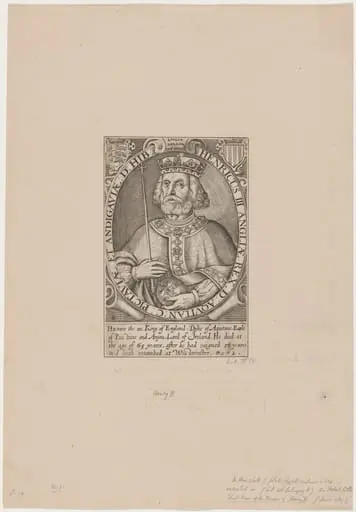
William II is an ink print by the Renaissance artist Renold Elstrack. It dates from 1598 and is held in the collection of the National Gallery of Art.
About this work
Overview
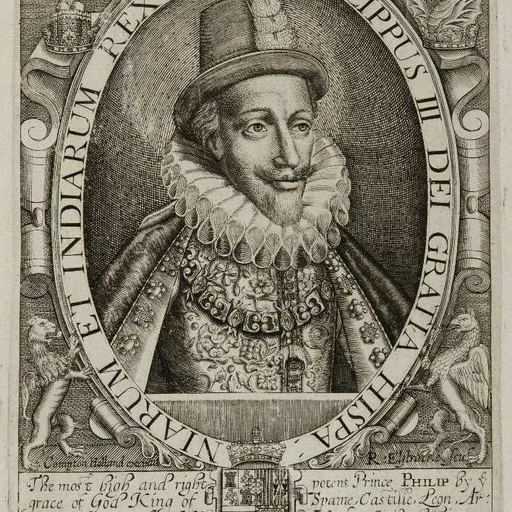
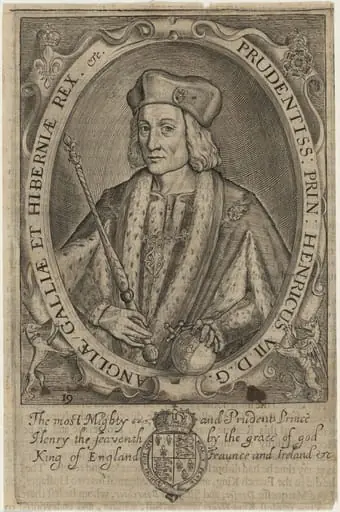
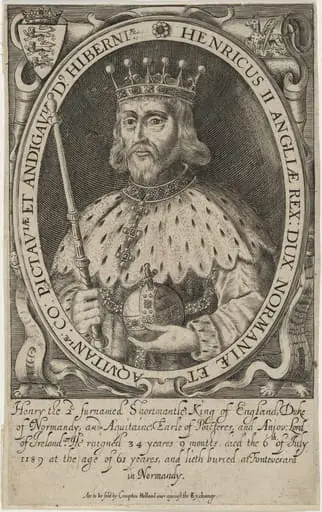
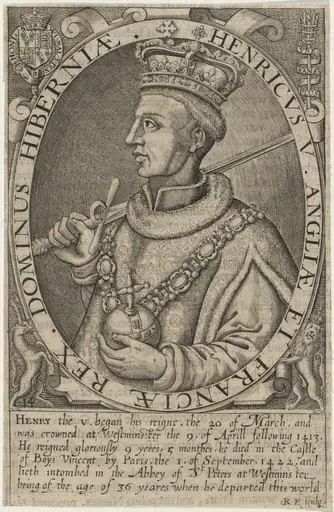
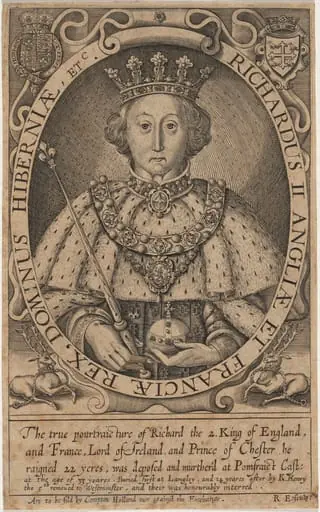
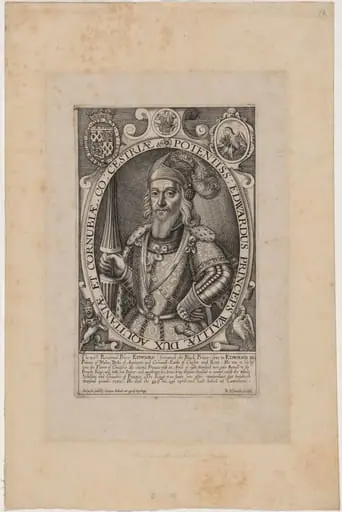
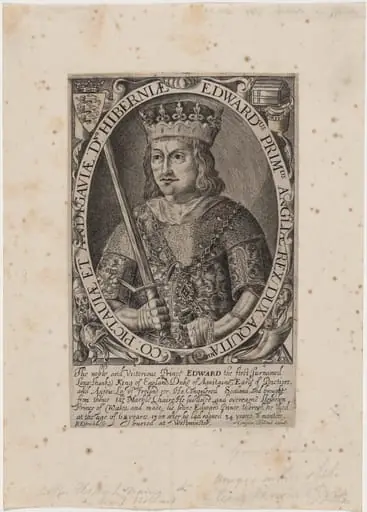
Renold Elstrack’s 1598 engraving presents a dignified male figure, rendered in fine line work that emphasizes his regal bearing. The composition is framed by an elaborate border, reinforcing the sense of authority conveyed by the subject’s attire and accessories.
Subject & Meaning
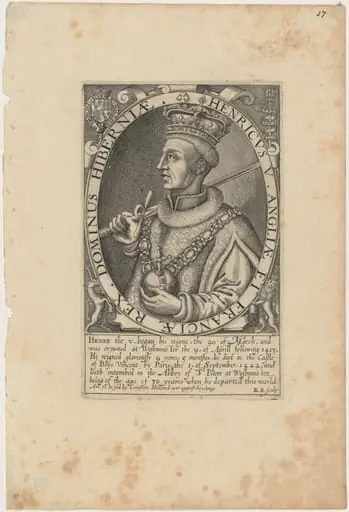
The central figure is depicted wearing a crown and holding a scepter in his right hand, while his left hand rests on a globe, symbols traditionally associated with sovereign power and dominion. His solemn expression and sumptuous costume suggest an intention to portray a monarch or high-ranking ruler.
Technique & Style
Elstrack employs precise, closely spaced lines to achieve intricate detailing on the clothing, crown, and surrounding border. The engraving’s texture and depth arise from varied hatching, a hallmark of Elstrack’s meticulous approach to printmaking in the late sixteenth century.
History & Provenance
Created in 1598, the print belongs to the later phase of Elstrack’s career, during which he produced a series of portrait engravings for the English court. The work has been documented in several early modern collections, indicating its circulation among patrons interested in royal iconography.
Context
The portrait aligns with contemporary trends in English portraiture that emphasized the visual language of monarchy—crown, scepter, and globe—to assert legitimacy. Engravings such as this served both as commemorative images and as means of disseminating the ruler’s image beyond painted portraits.
Artist & collection