Artwork
María Semprún y Pombo
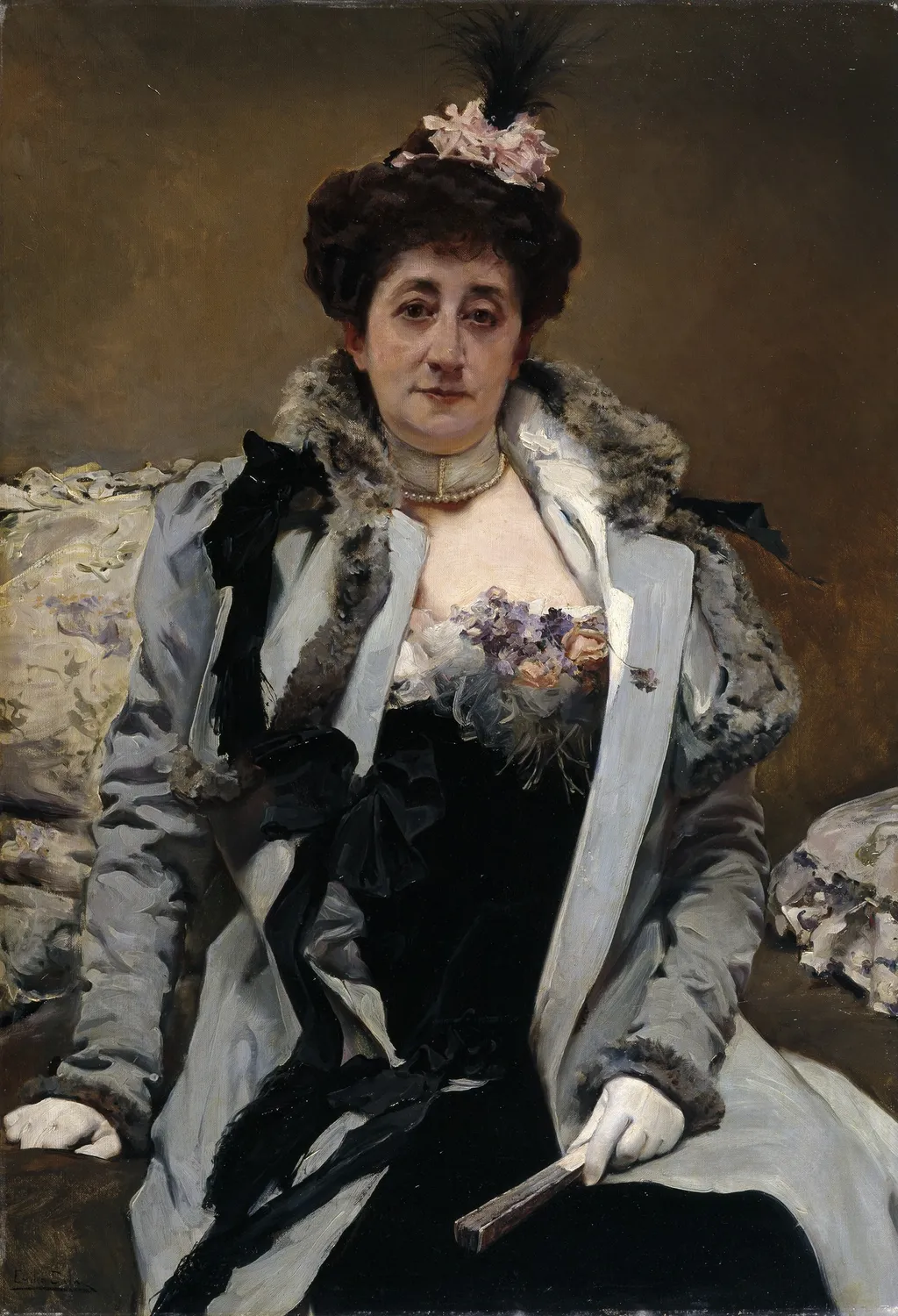
María Semprún y Pombo is an oil painting by the Post-Impressionist artist Emilio Sala. It dates from 1900 and is held in the collection of the Museo del Prado.
About this work
The artist's skillful use of chiaroscuro adds dimension to the subject, making her stand out against the plain background.
The painting depicts a woman seated on a couch, wearing a white coat with fur trim and a black dress. She has a pink flower in her hair and is holding a fan in her right hand. The background is a plain brown wall.
The woman's attire and hairstyle suggest a formal setting, possibly from the early 20th century. Her expression is neutral, and her gaze is directed straight ahead.
The painting's attention to detail and use of color create a sense of depth and texture. The artist's skillful use of chiaroscuro adds dimension to the subject, making her stand out against the plain background. You might want to look up the technique of chiaroscuro next.
Overview
Emilio Sala’s 1900 oil on canvas, titled María Semprún y Pombo, presents a solitary female figure seated on a couch. She is dressed in a white coat edged with fur, a contrasting black dress, and a pink blossom tucked into her hair, while holding a fan in her right hand. The composition rests against an unadorned brown wall, emphasizing the sitter’s presence.
Subject & Meaning
The work captures a moment of poised stillness, the woman’s neutral expression and forward gaze suggesting introspection or a formal portrait setting. Elements such as the fur‑trimmed coat, the fan, and the floral accent hint at early‑20th‑century fashion and social conventions, positioning the sitter within a refined domestic interior.
Technique & Style
Sala employs a restrained palette and careful chiaroscuro to model the figure, allowing light to sculpt the folds of the coat and the texture of the fur. The subtle gradations of tone create depth, while the plain background isolates the subject, reinforcing the painting’s focus on material detail and surface realism.
History & Provenance
Created at the turn of the century, the portrait entered the collection of Spain’s Museo del Prado, where it remains on display. Its acquisition reflects the museum’s broader effort to represent Spanish painters of the fin de siècle period, preserving Sala’s contribution to portraiture during that era.
Own this work as a print
Artist & collection

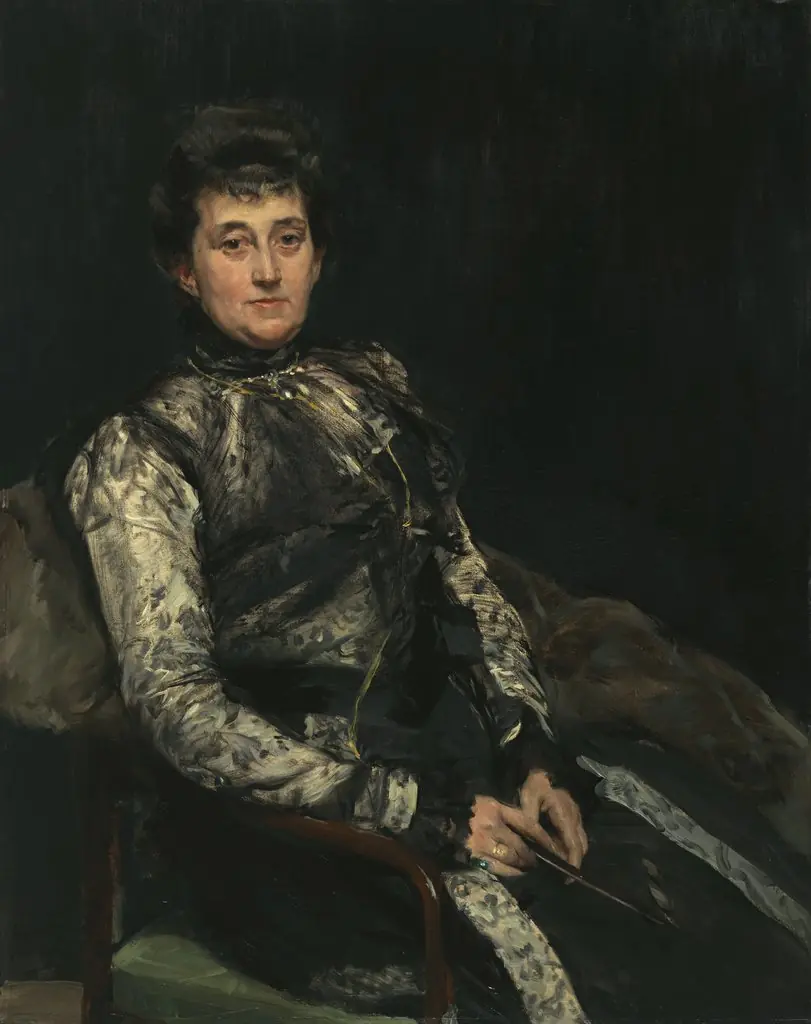 María Teresa Moret
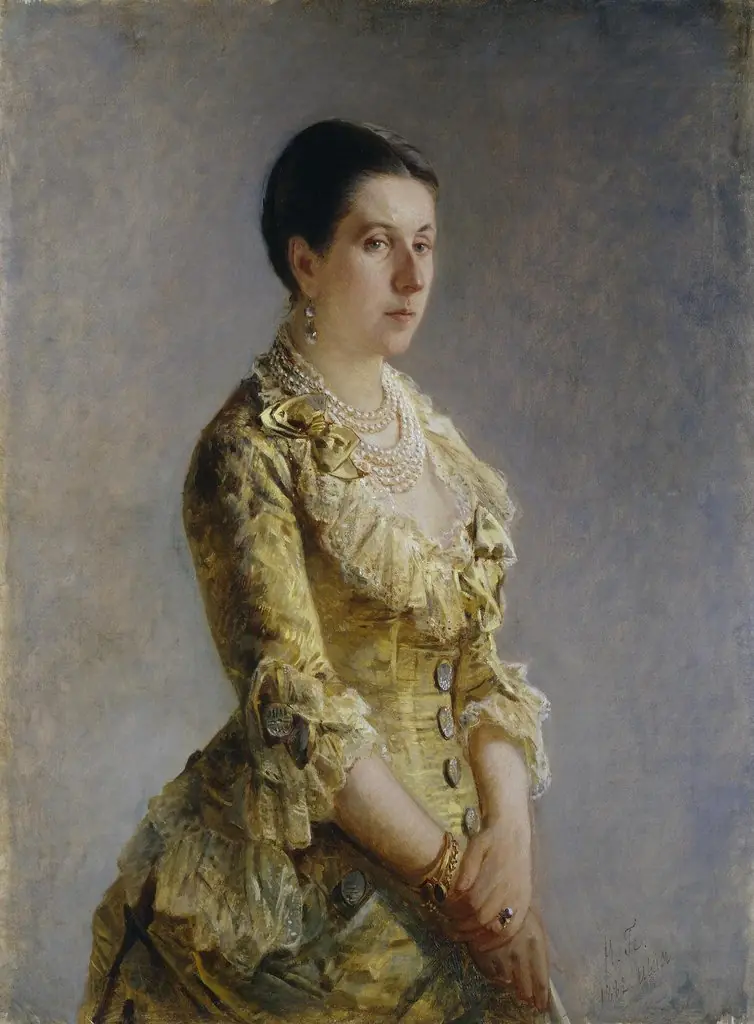 Portrait of Princess Olga Volkonskaya (nee Kleinmichel)
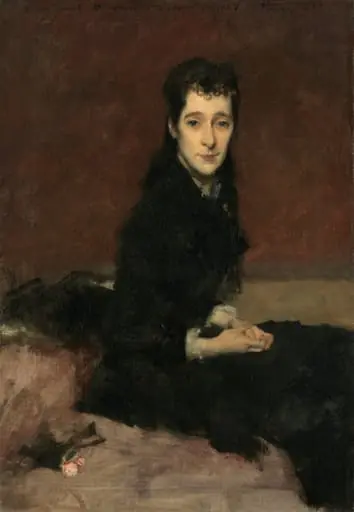 Mrs. Charles Gifford Dyer (Mary Anthony)
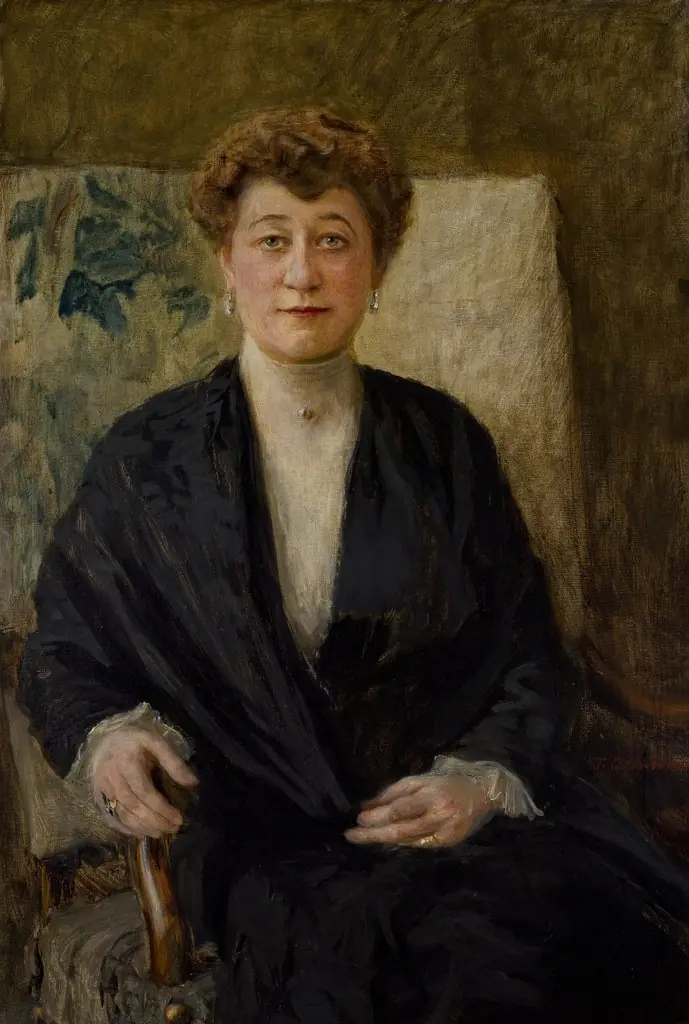 Portrait of Zofia Dolińska née Niesiołowska
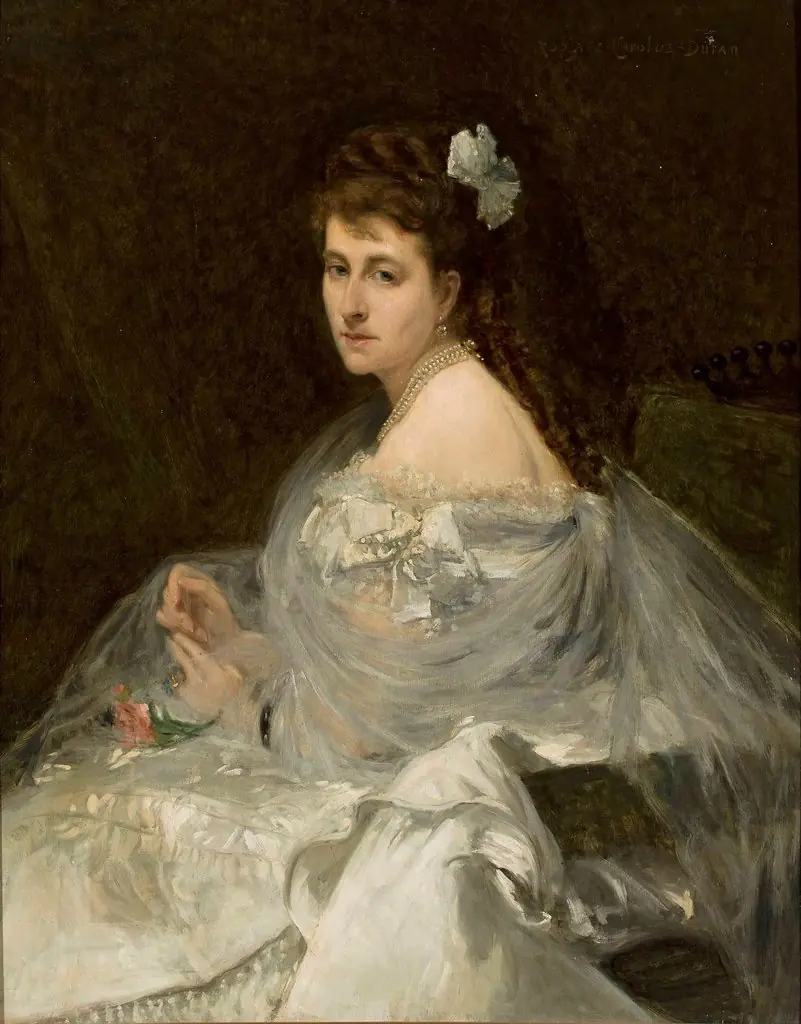 Portrait of Izabela Tyszkiewicz née Tyszkiewicz (1835–1907)
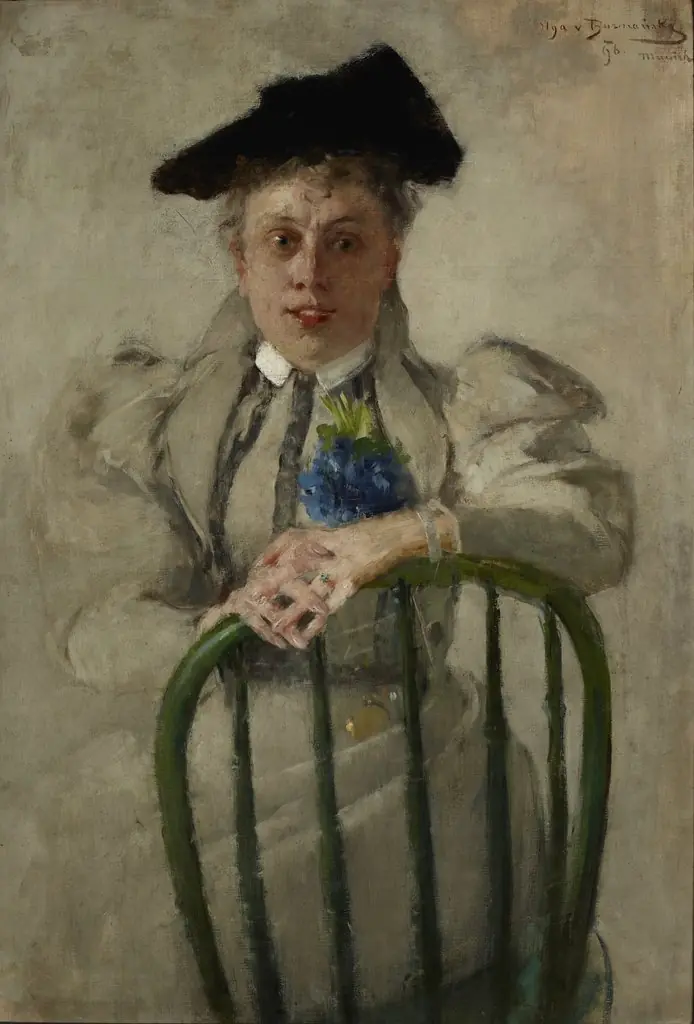 Portrait of Irena Zbigniewicz née Serda
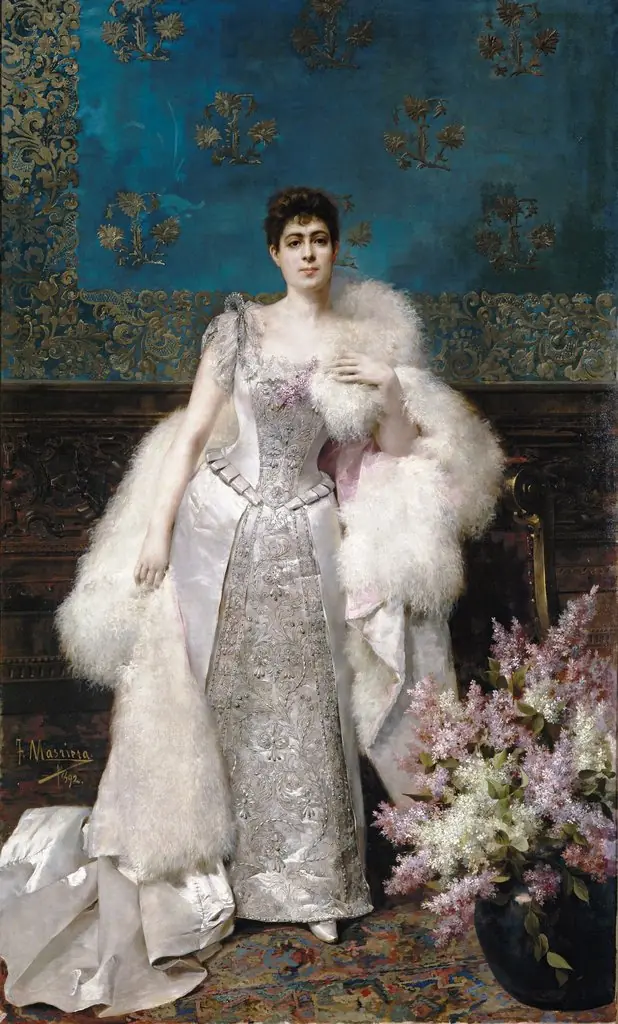 Francisca Aparicio y Mérida marquesa de Vistabella
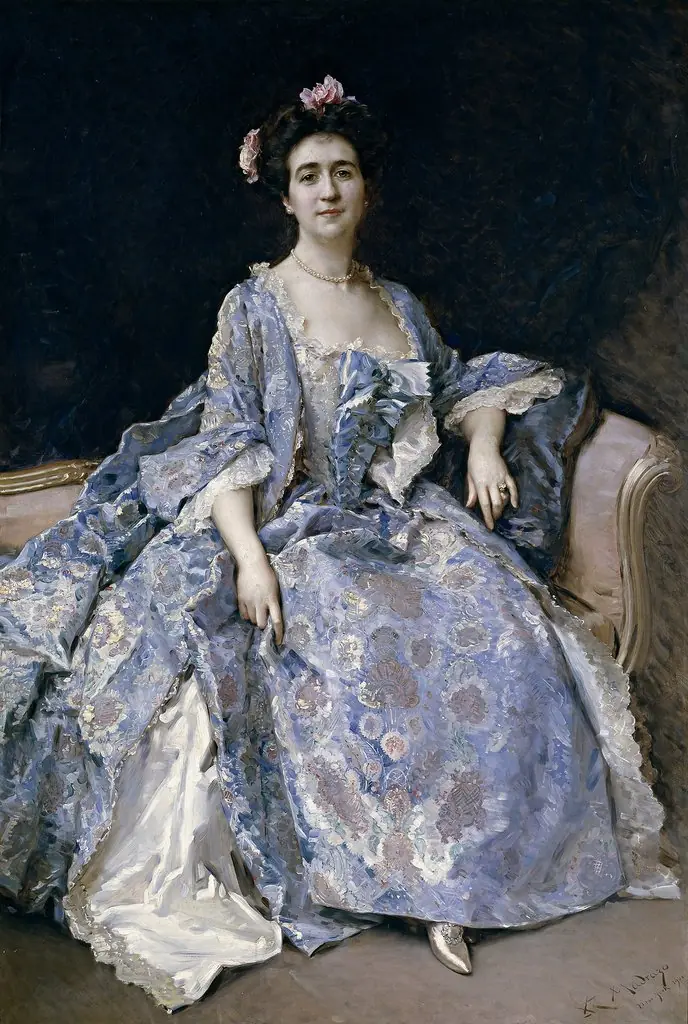 María Hahn esposa del pintor
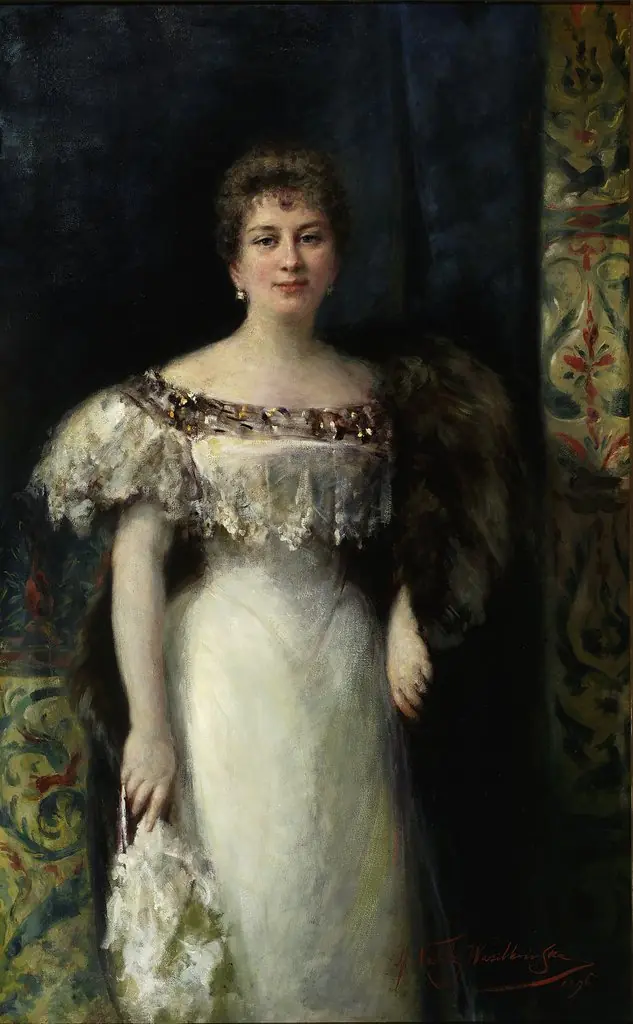 Portrait of Mrs. W.R.
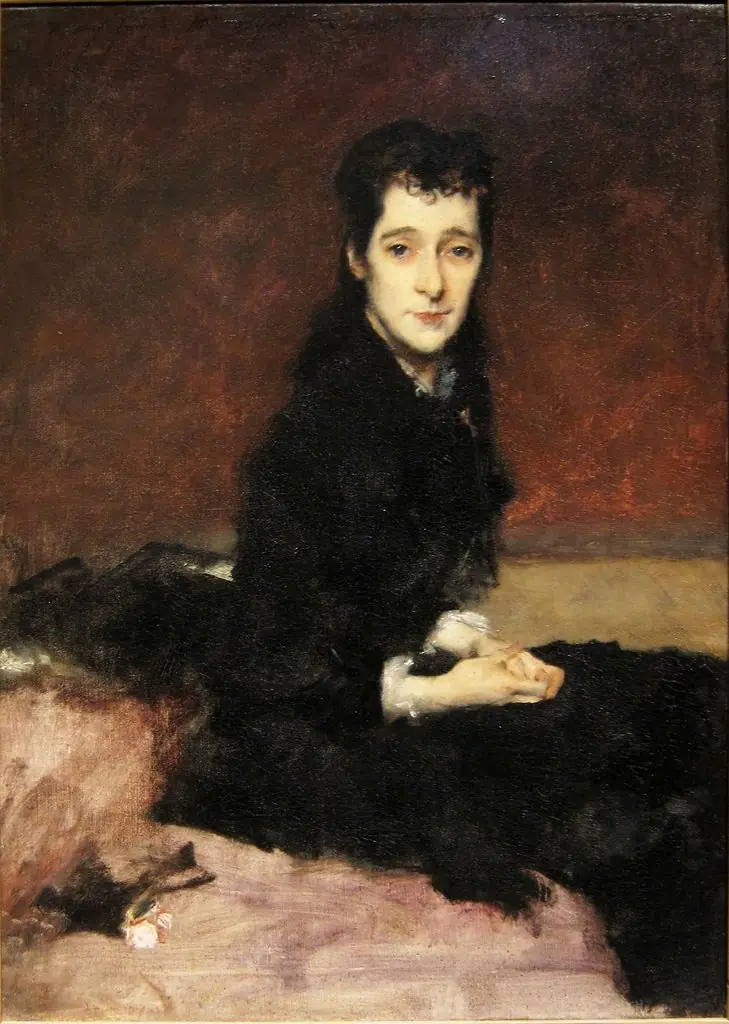 Mrs. Charles Gifford Dyer (Mary Anthony)
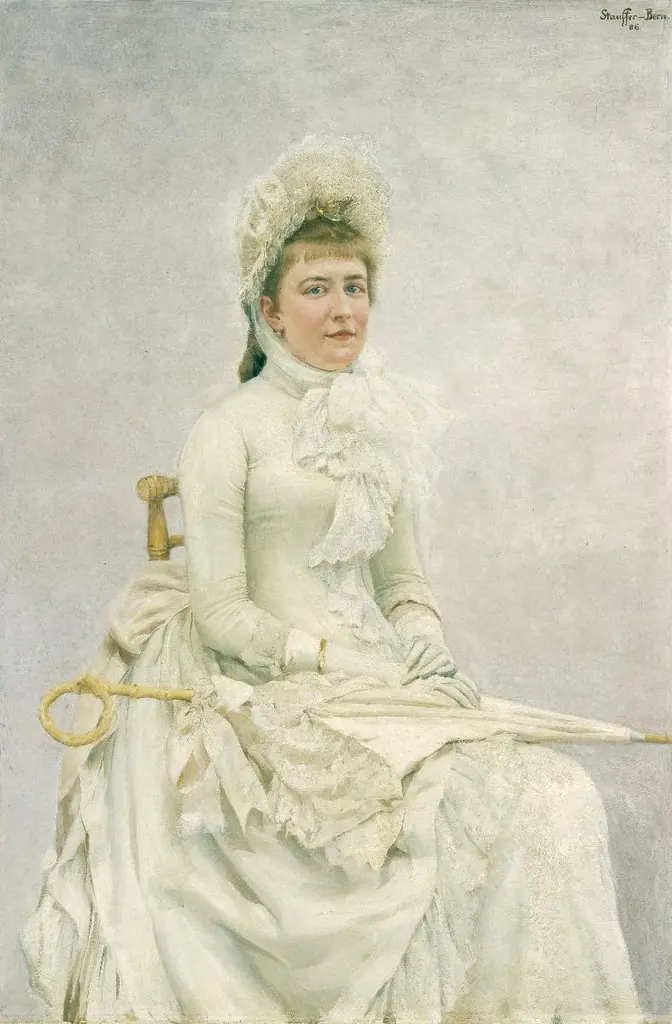 Bildnis Lydia Welti-Escher
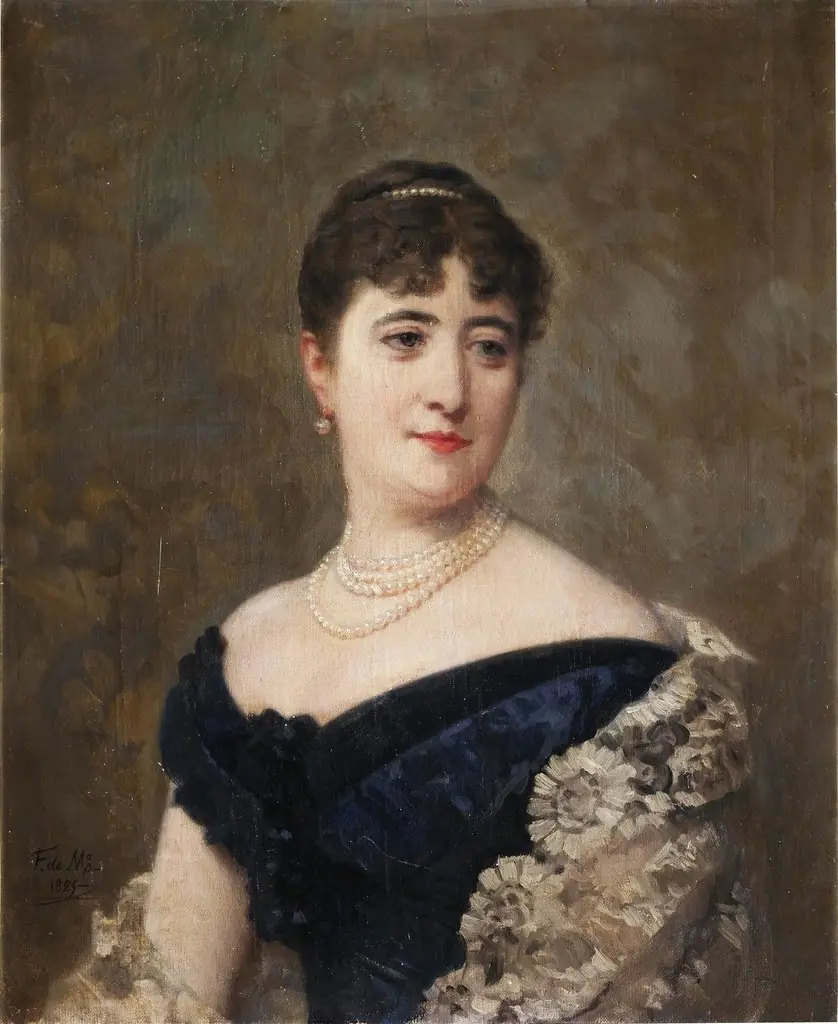 Purificación Fontán, marquesa del Pazo de la Merced