Artwork
La prisión del príncipe de Viana
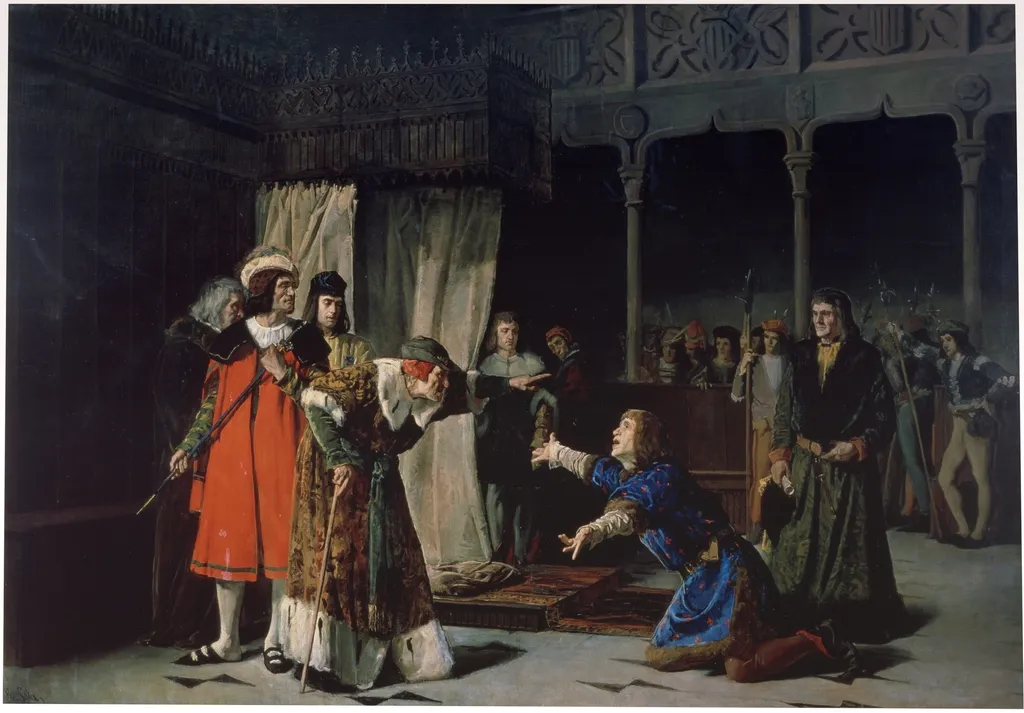
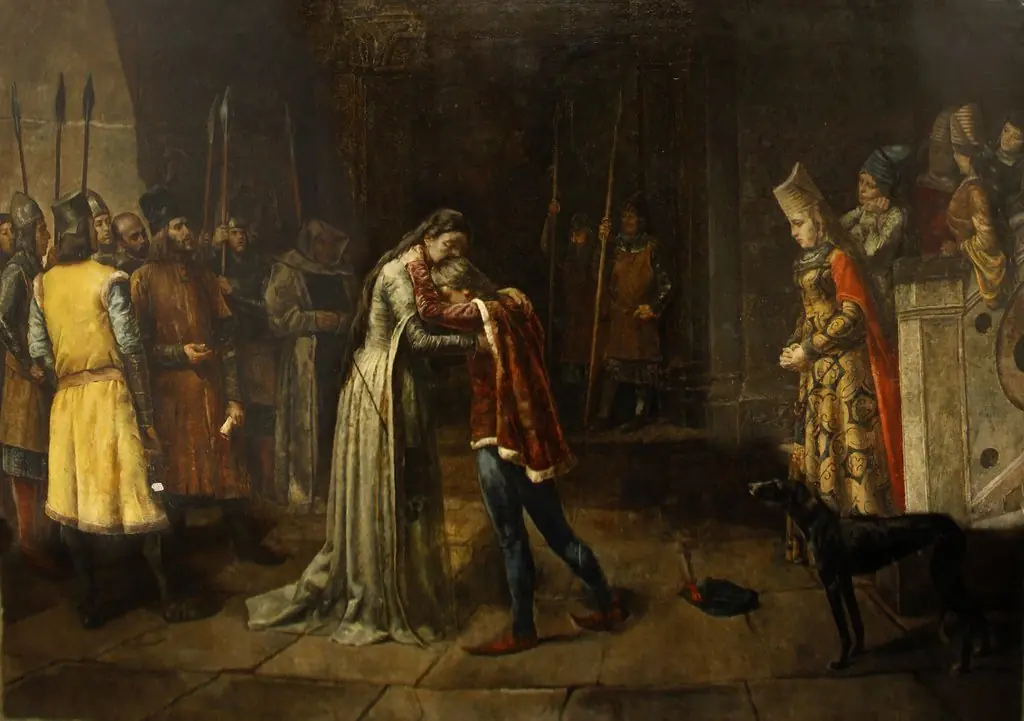
La prisión del príncipe de Viana is an oil painting by the Post-Impressionist artist Emilio Sala. It dates from 1871 and is held in the collection of the Museo del Prado.
About this work
Overview
Its rich detail and vivid coloration reflect the period’s interest in historical storytelling through domestic settings.
Painted in 1871 by Emilio Sala, this oil work depicts a moment of tension within a lavishly appointed interior. The scene captures a group of figures in varied postures, suggesting a narrative of distress or supplication. The painting resides in the Museo del Prado, where it is cataloged as part of 19th-century Spanish academic art. Its rich detail and vivid coloration reflect the period’s interest in historical storytelling through domestic settings.
Subject & Meaning
The painting illustrates a moment from the life of Carlos, Prince of Viana, who was imprisoned by his father, King John II of Navarre. The figure on the bed, clutching a cloth to his face, represents the ailing prince, while the kneeling man, dressed in a blue robe with floral embroidery, appears to plead for his release. The standing figures, in ornate attire, may symbolize courtiers or guards, emphasizing the political isolation of the prince.
Technique & Style
Sala employs a precise, academic style with careful attention to fabric textures, facial expressions, and architectural detail. The lighting is soft yet directional, highlighting the central figures against the richly decorated room. Colors are saturated but controlled, with the kneeling man’s blue and red robes drawing the eye. The composition uses verticality to underscore the room’s grandeur and the emotional weight of the scene.
History & Provenance
Completed in 1871, the painting entered the Museo del Prado’s collection shortly after its creation. It was likely acquired as part of a broader effort to document Spanish historical narratives through contemporary art. No significant changes in ownership are recorded, and it has remained in the museum’s permanent holdings since the late 19th century, consistently displayed as an example of 19th-century historical painting.
Context
Sala painted this work during a period when Spanish artists increasingly turned to national history for subject matter, often under royal or institutional patronage. The imprisonment of Carlos, Prince of Viana, was a well-known episode of dynastic conflict in 15th-century Navarre. By rendering it with theatrical detail, Sala aligned his work with the academic tradition of moral and political storytelling prevalent in European salons of the time.
Legacy
While not widely reproduced outside Spain, the painting remains a key example of 19th-century Spanish academic historiography. It reflects the era’s fascination with reconstructing historical moments through psychological and visual realism. Sala’s approach influenced later painters who sought to humanize political figures, though his broader oeuvre has received limited scholarly attention beyond institutional archives.
Own this work as a print
Artist & collection

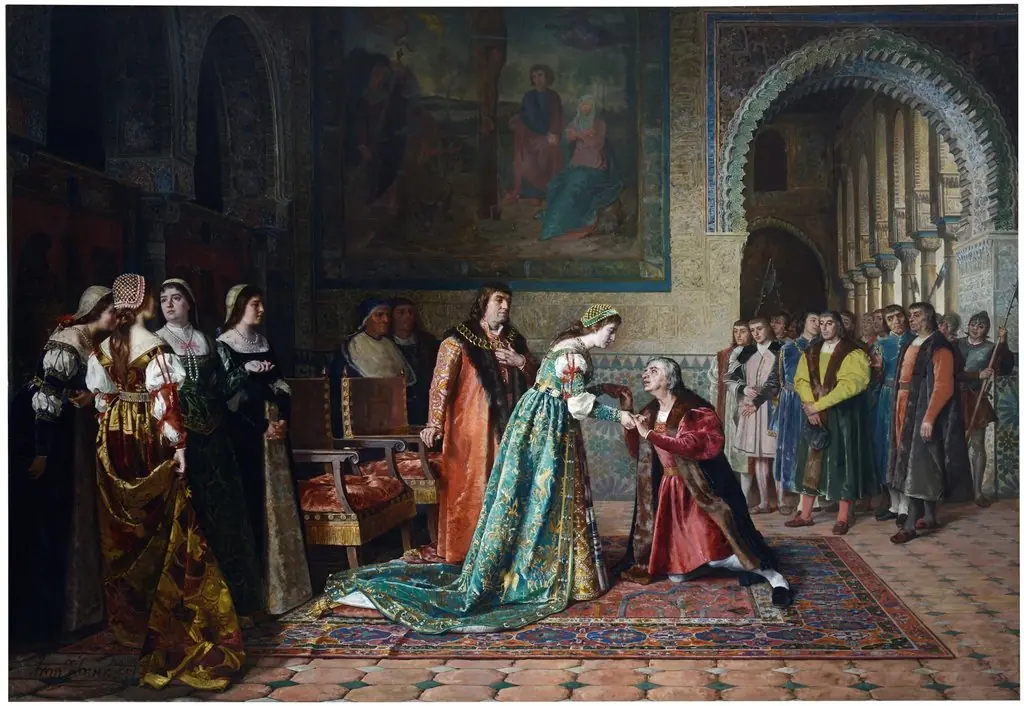 Reposición de Colón
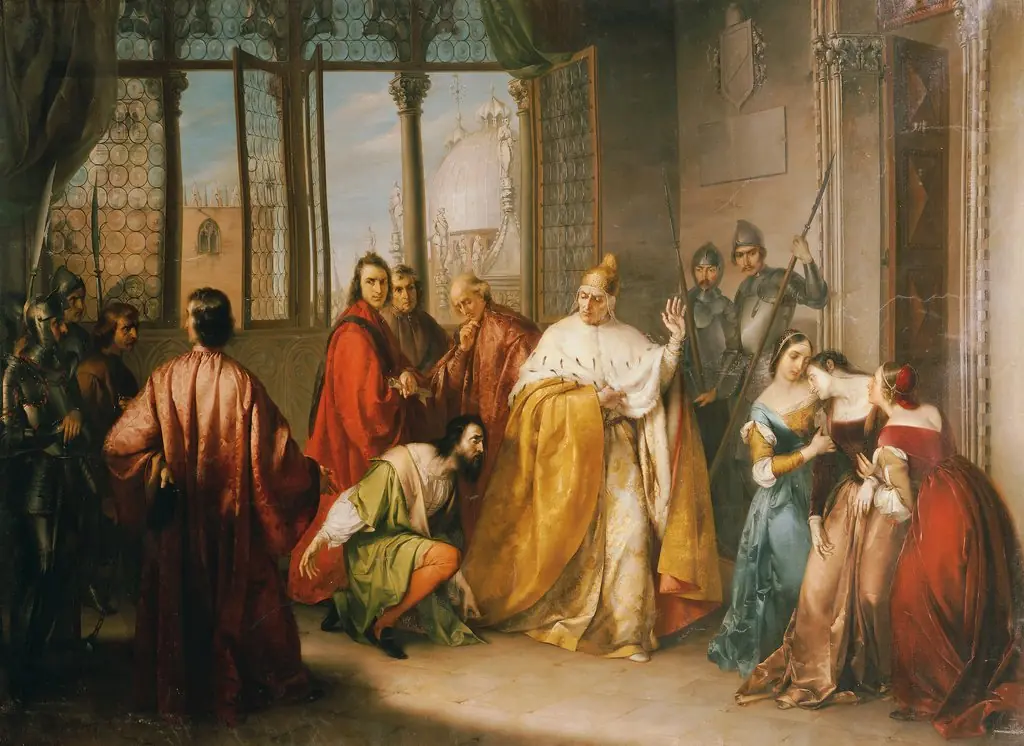 Der Doge Francesco Foscari schickt seinen Sohn Giacomo in die Verbannung ("I due Foscari")
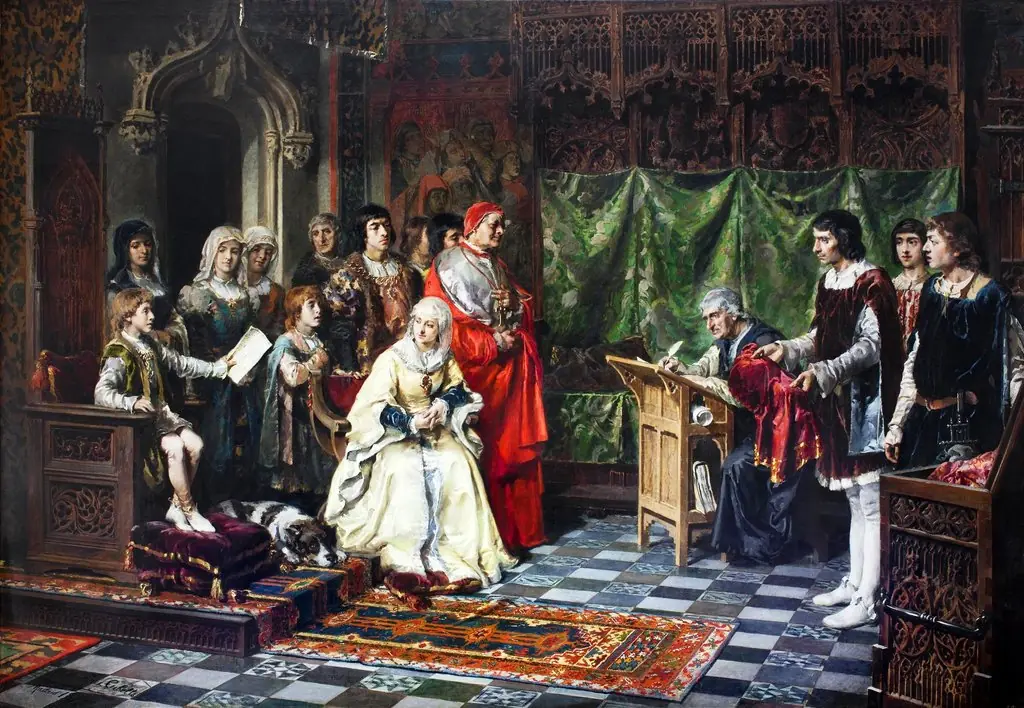 Educación del príncipe don Juan
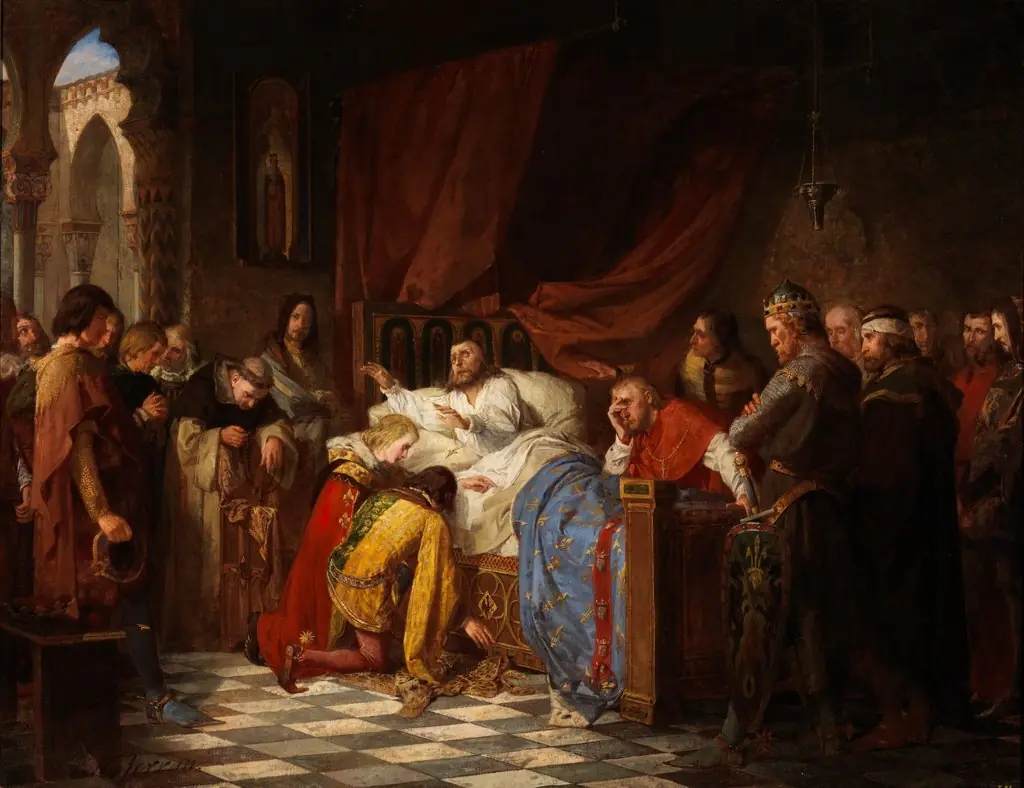 Felipe III de Francia moribundo bendiciendo a sus hijos
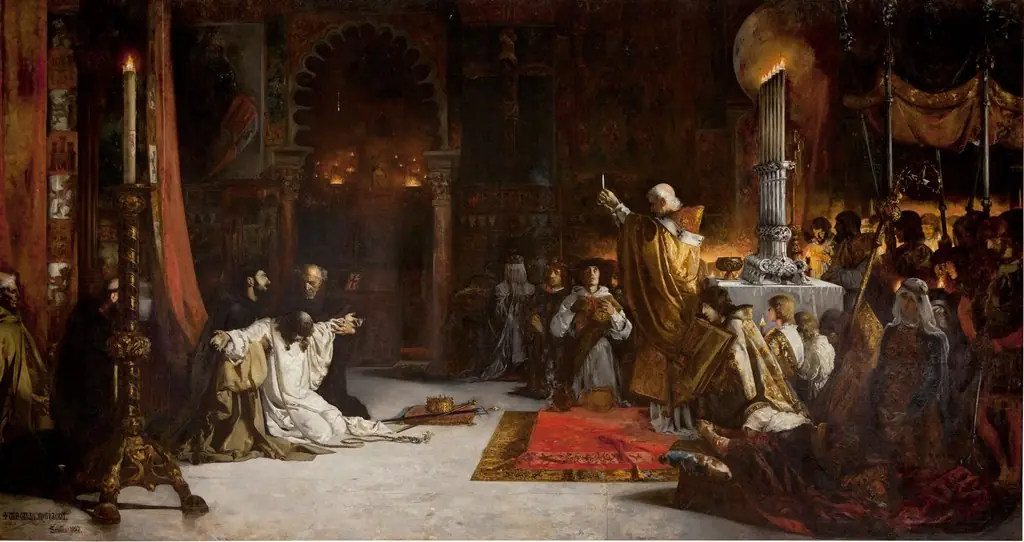 Las postrimerías de Fernando III el Santo
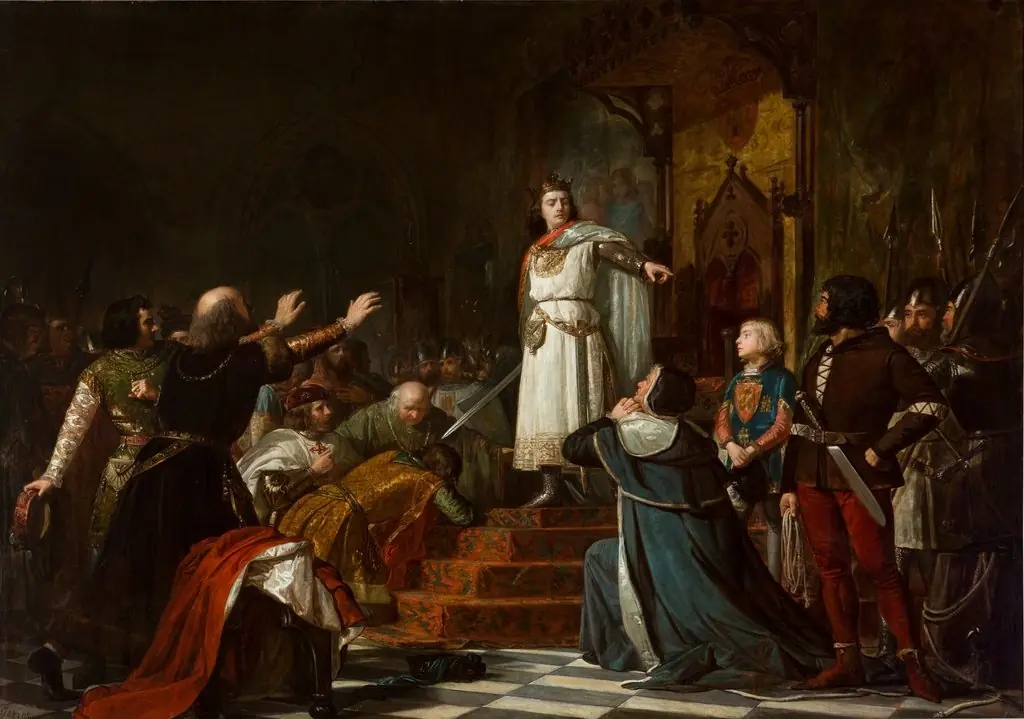 Episodio del reinado de don Enrique III de Castilla llamado el Doliente cuando al día siguiente de haber tenido que empeñar su gabán para comer corrige el orgullo y desmanes de los señores y ricoshomes de Castilla
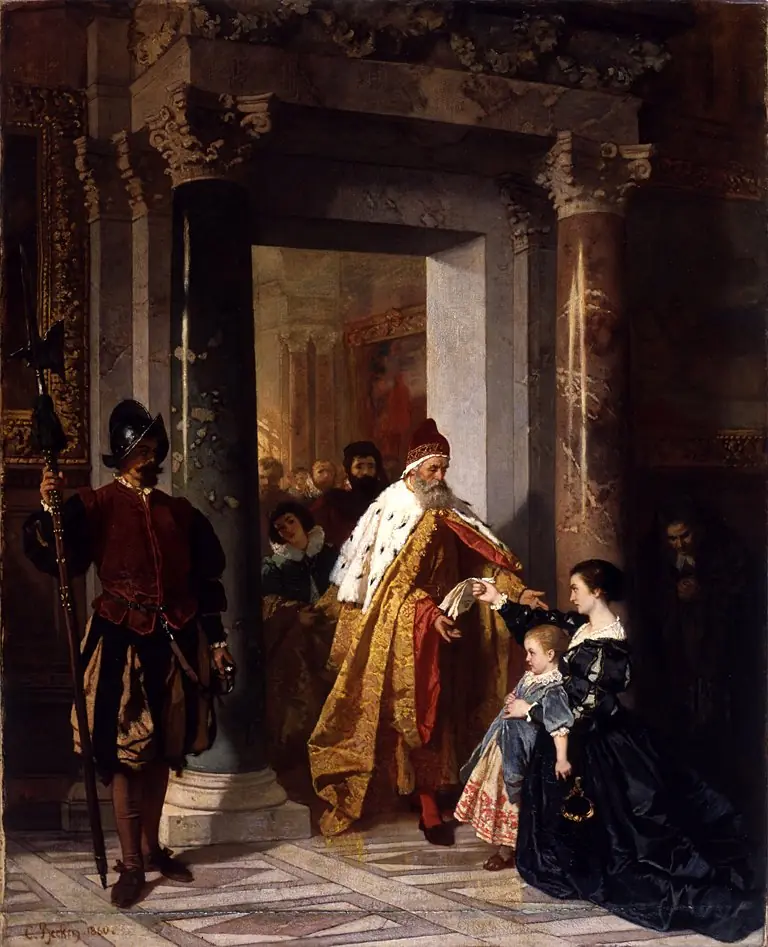 The Petition to the Doge
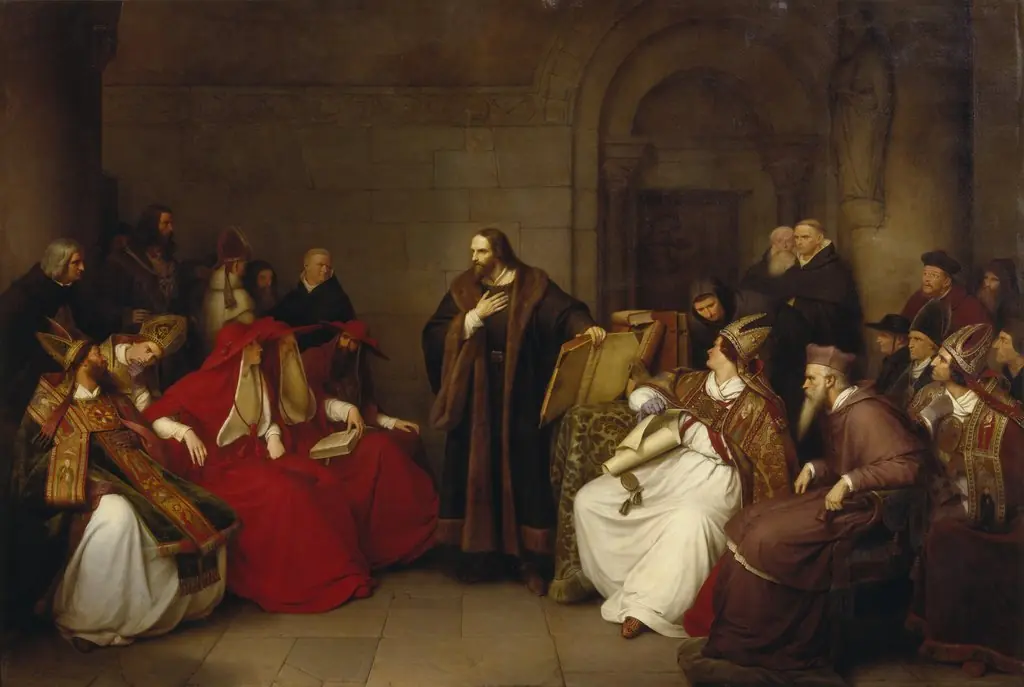 Jan Hus at Constance
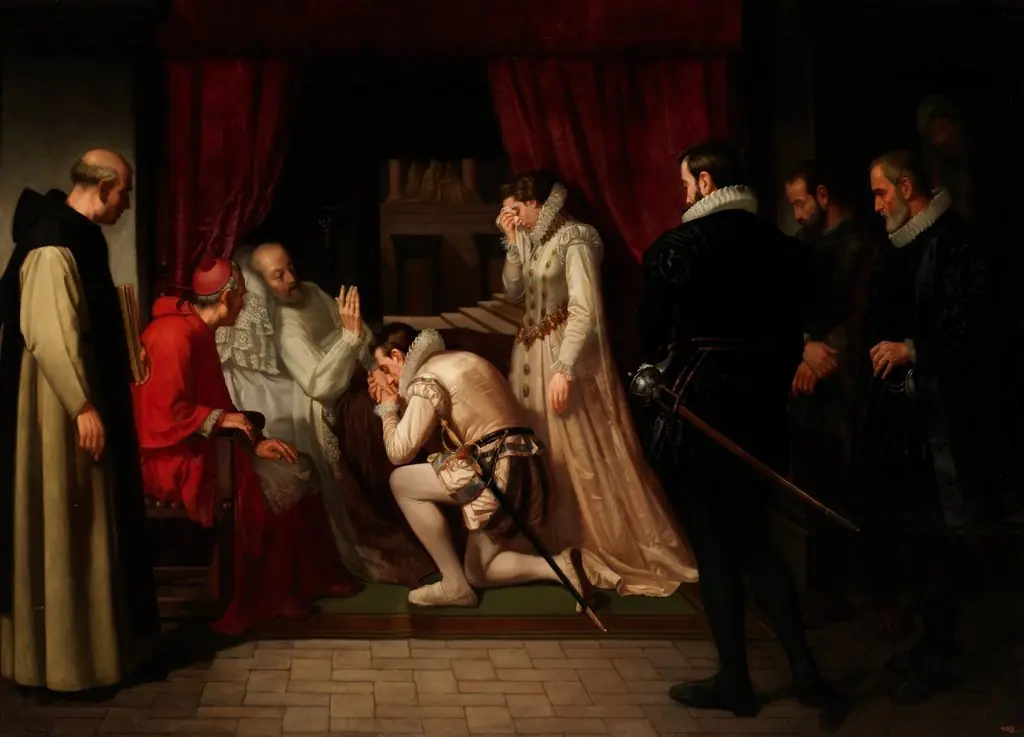 Últimos momentos de Felipe II
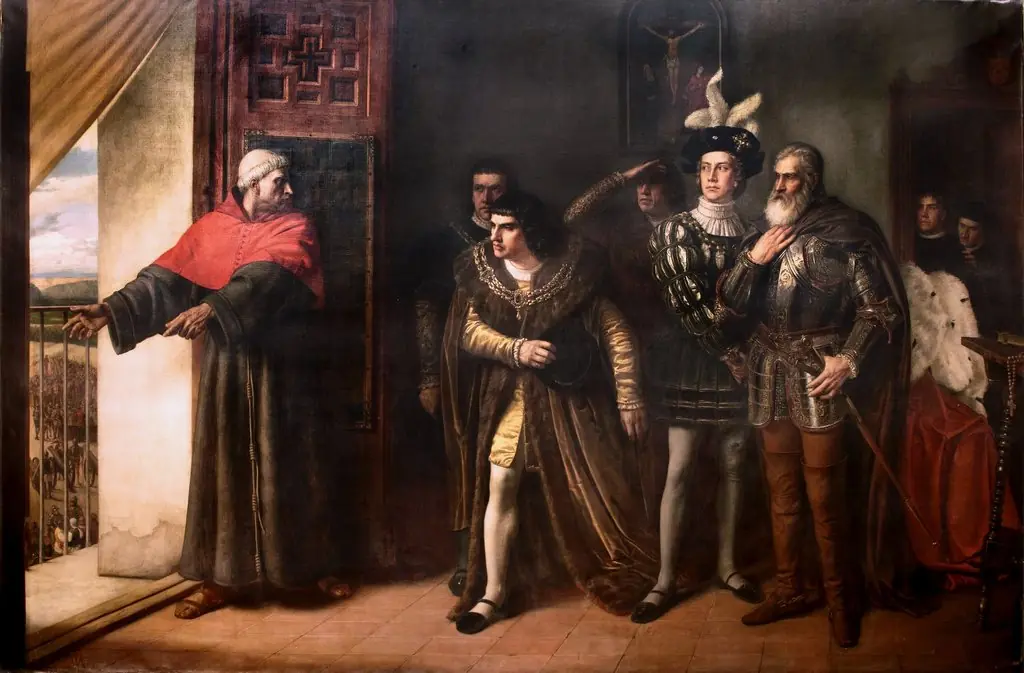 Cisneros y los Grandes
 La última despedida
 Vittore Pisani receives Holy Communion before taking command of an expedition against the Genoese