Artwork
Still Life
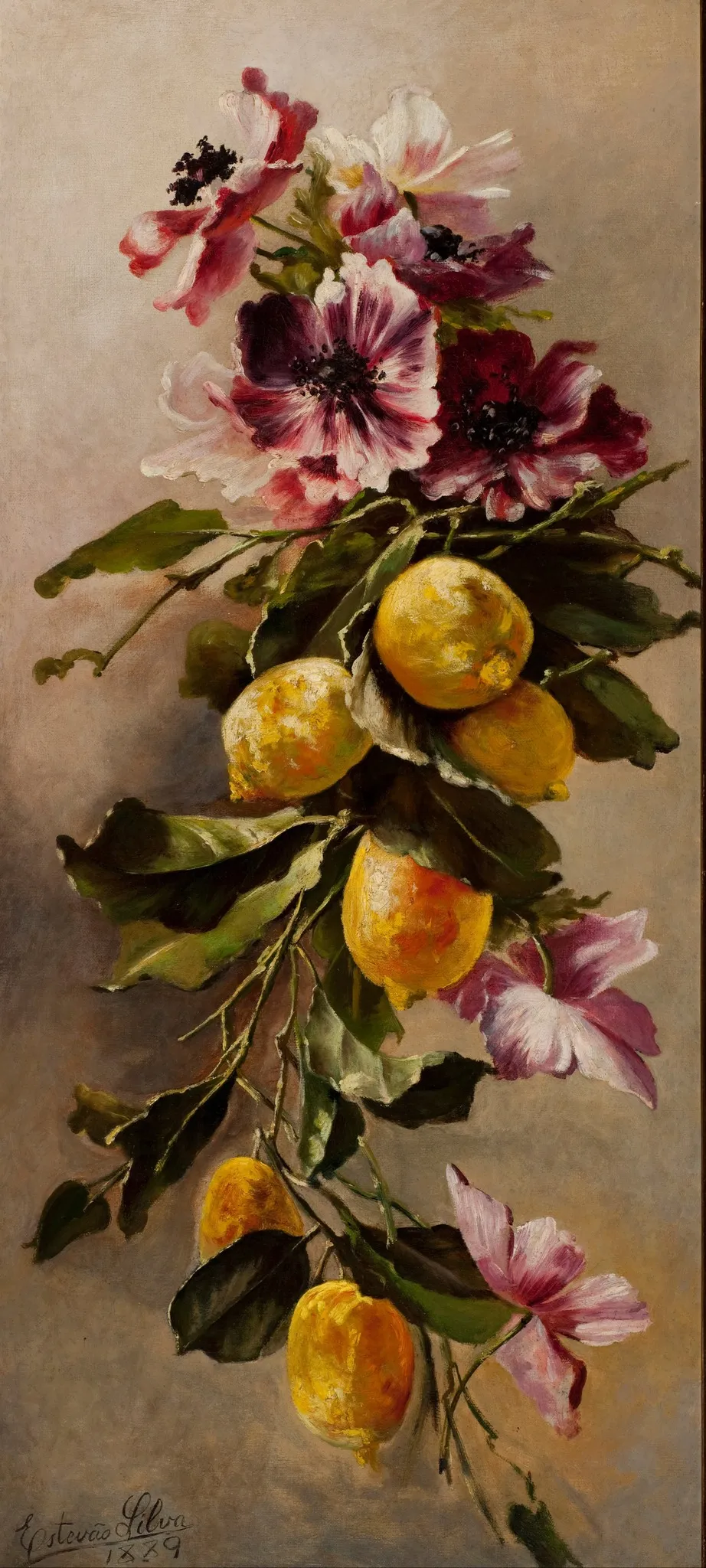
Still Life is an oil painting by the Post-Impressionist artist Estêvão Silva. It is held in the collection of the Pinacoteca de São Paulo.
About this work
Overview
It reflects the artist’s engagement with post-impressionist tendencies, emphasizing form and color over strict realism.
Painted in 1895 by Estêvão Silva, an Afro-Brazilian artist and educator based in Rio de Janeiro, this oil on canvas work is a quiet example of still life painting from the late 19th century. It reflects the artist’s engagement with post-impressionist tendencies, emphasizing form and color over strict realism. The piece is part of the Pinacoteca do Estado de São Paulo’s permanent collection, where it contributes to the representation of Brazilian visual culture beyond dominant European models.
Subject & Meaning
The composition centers on a modest arrangement of fresh flowers and lemons, rendered without symbolic pretense. Pink and white blooms, paired with yellow citrus fruits and dark green foliage, suggest everyday domestic life. The objects are placed loosely, as if gathered naturally, evoking a sense of quiet observation rather than staged display. There is no overt narrative, but the work invites contemplation of transience and the beauty of ordinary things.
Technique & Style
Silva applied oil paint with a restrained brushwork, favoring soft transitions and muted tones over bold contrasts. The background, a warm light brown, recedes gently to allow the fruits and flowers to emerge with subtle definition. Stems and leaves overlap organically, creating depth without perspective tricks. The handling of light is diffuse, avoiding dramatic chiaroscuro, aligning the work with post-impressionist concerns for sensory perception over illusionistic space.
History & Provenance
Created during a period of growing institutional interest in Brazilian art, the painting entered the Pinacoteca do Estado de São Paulo’s collection in the early 20th century. Silva, though less documented than his contemporaries, was active in Rio’s art circles as both practitioner and teacher. The work’s survival and preservation reflect its quiet significance within regional art history, offering insight into the practices of non-elite artists of the era.
Context
In 1895, Brazil was navigating its post-colonial identity, with art institutions beginning to collect works by local artists beyond academic traditions. Silva, as an Afro-Brazilian educator, operated within a cultural landscape shaped by racial hierarchies yet expanding through regional expression. His still life, unadorned and personal, stands as a quiet counterpoint to grand historical or imperial themes favored by official art circles at the time.
Legacy
Though not widely exhibited beyond institutional settings, this painting contributes to a broader recognition of Afro-Brazilian artists in the 19th-century canon. Its presence in a major state collection affirms the value of everyday subjects and non-European artistic approaches. Silva’s work, including this still life, remains a reference point for scholars examining the diversity of Brazilian modernism’s roots.
Artist & collection
Artist
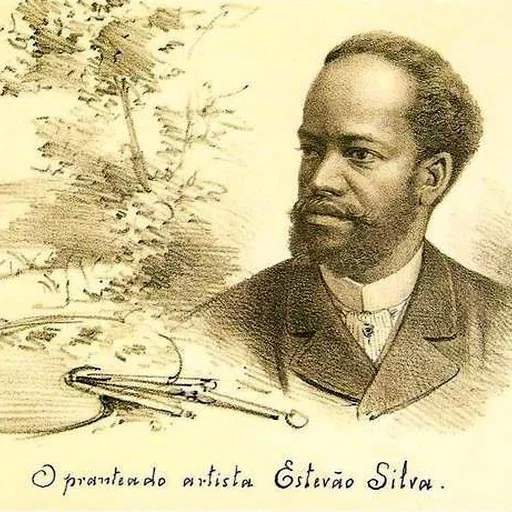
Estêvão Roberto da Silva (1844? in Rio de Janeiro – 9 November 1891, in Rio de Janeiro) was an Afro-Brazilian painter and art teacher.

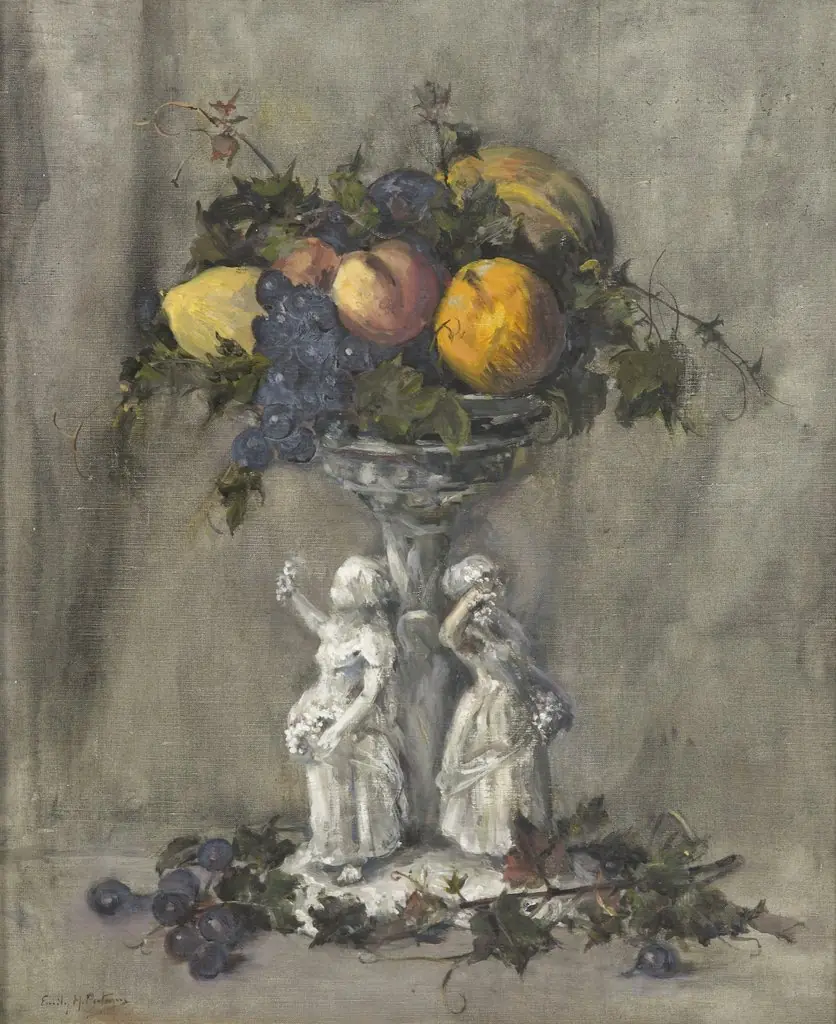 Still Life
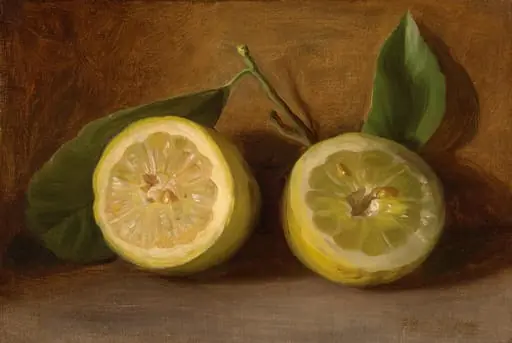 Lemons
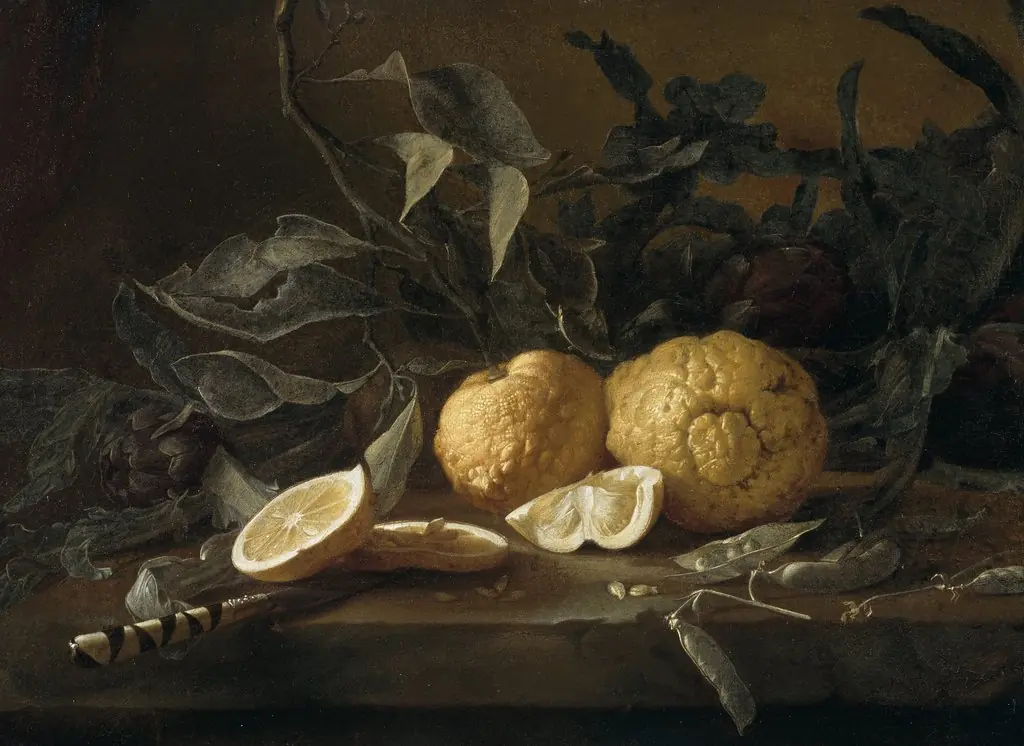 A Still Life with Citrons, a Knife and Peapods on a Stone Ledge
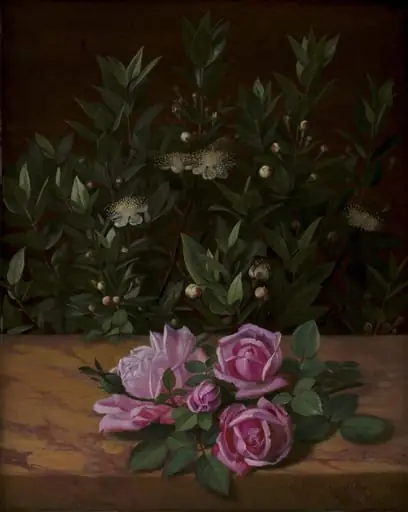 Roses and Myrtles
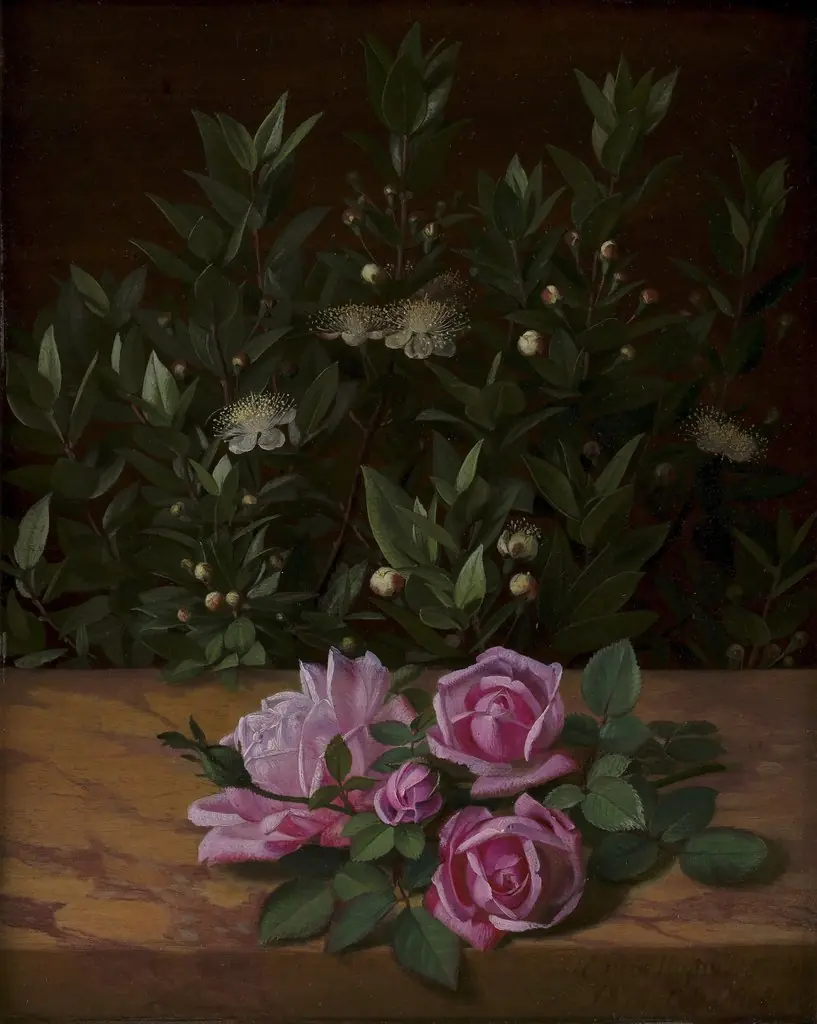 Roses and Myrtles
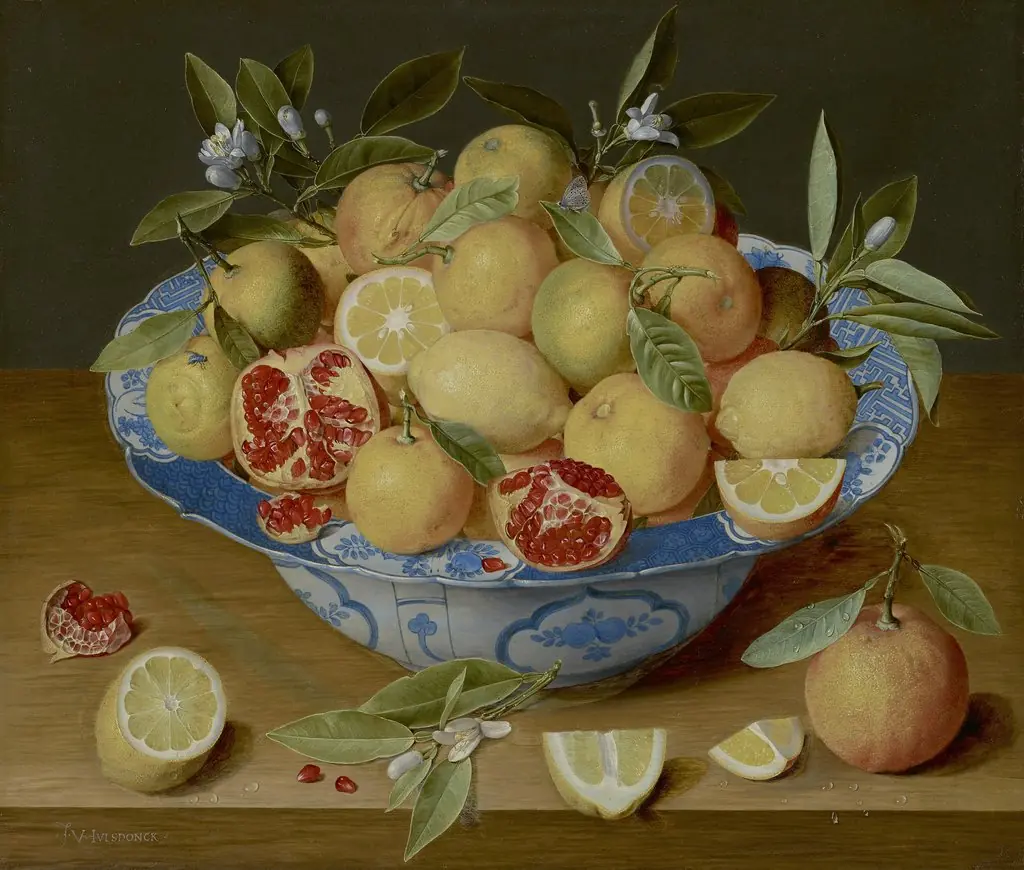 Still Life with Lemons, Oranges and a Pomegranate
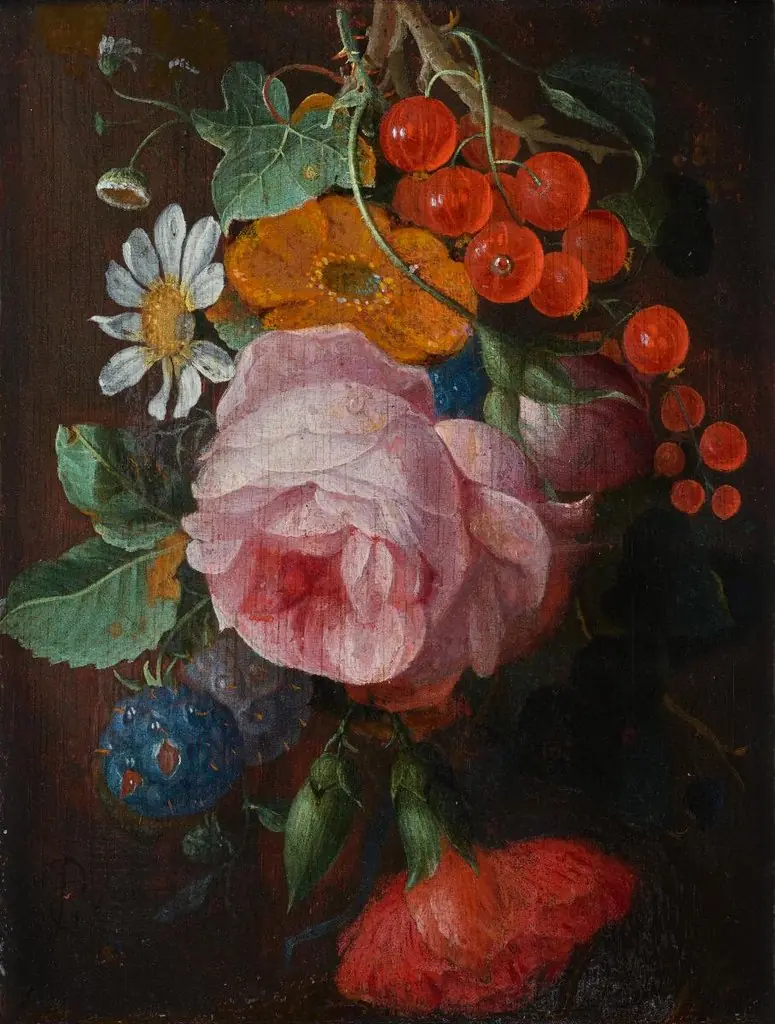 Blumengirlande mit Johannis- und Brombeeren
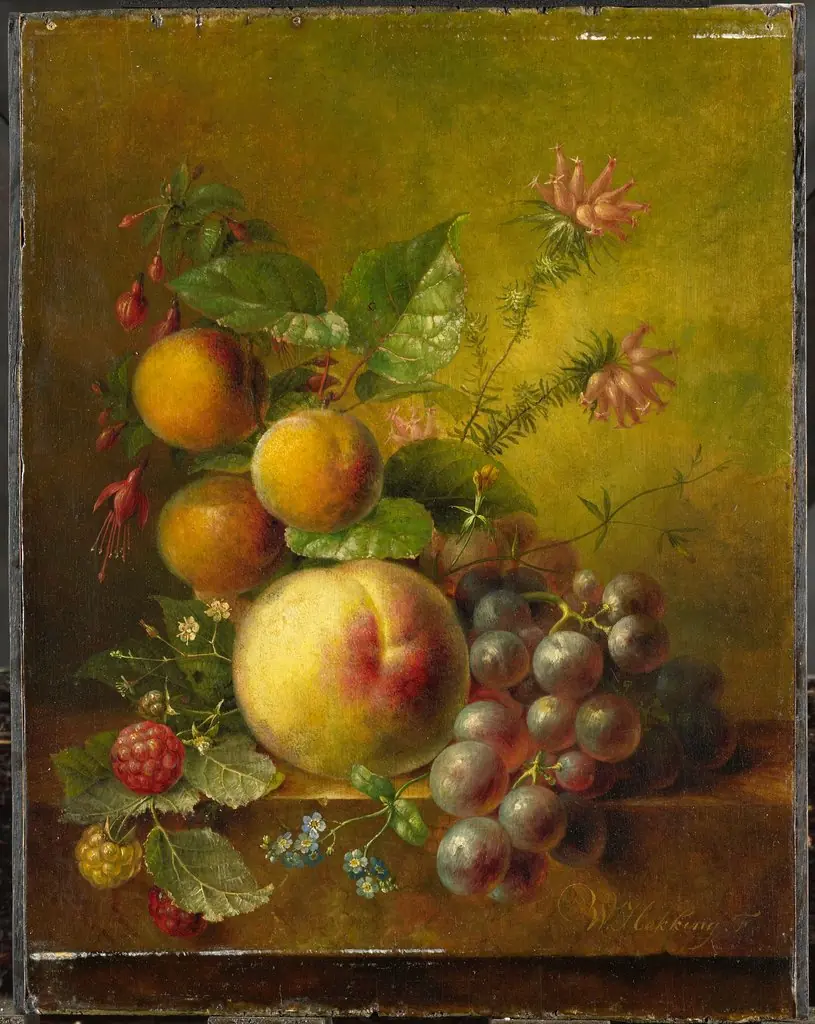 Still Life with Fruit
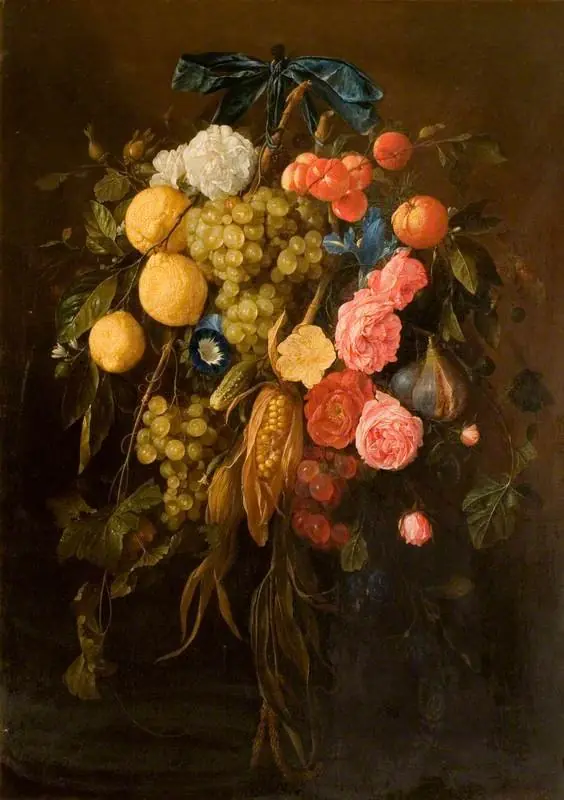 Fruit and Flowers
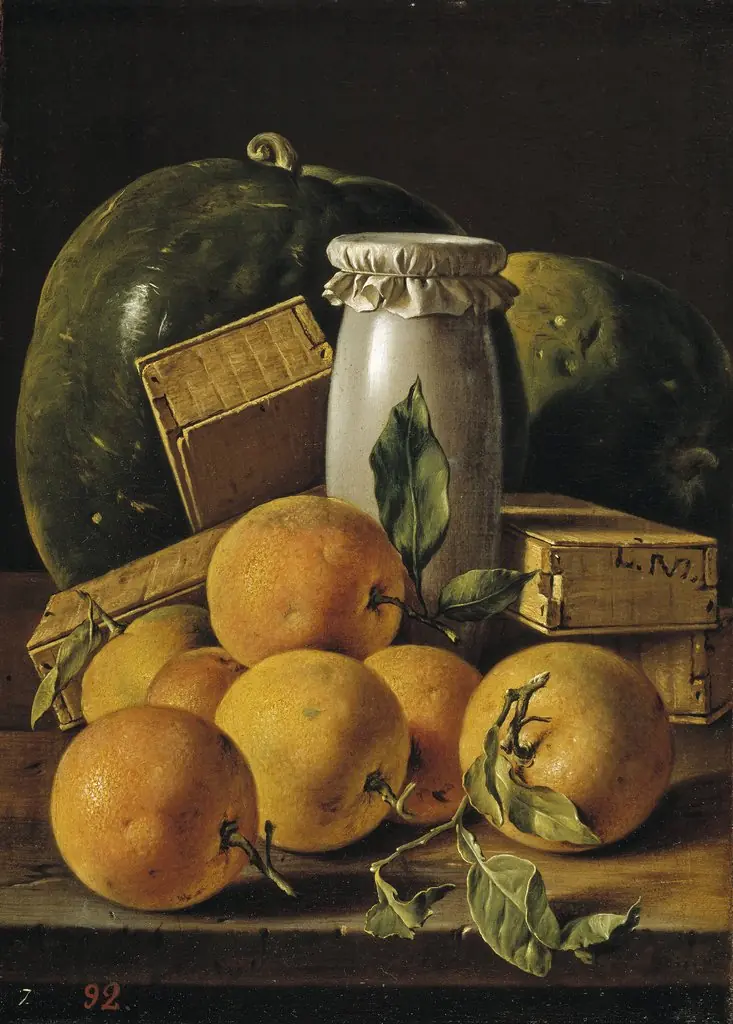 Still Life with Oranges Honey-Jar Boxes of Sweetmeats and Watermelons
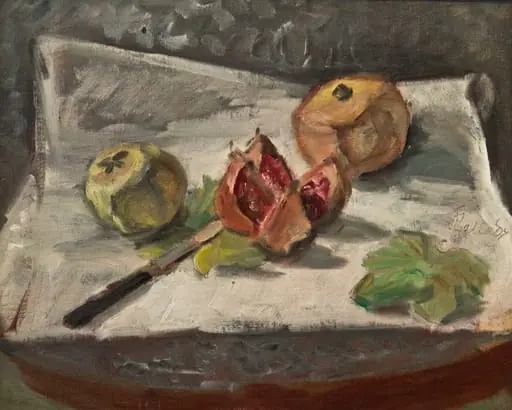 Natură statică cu rodii
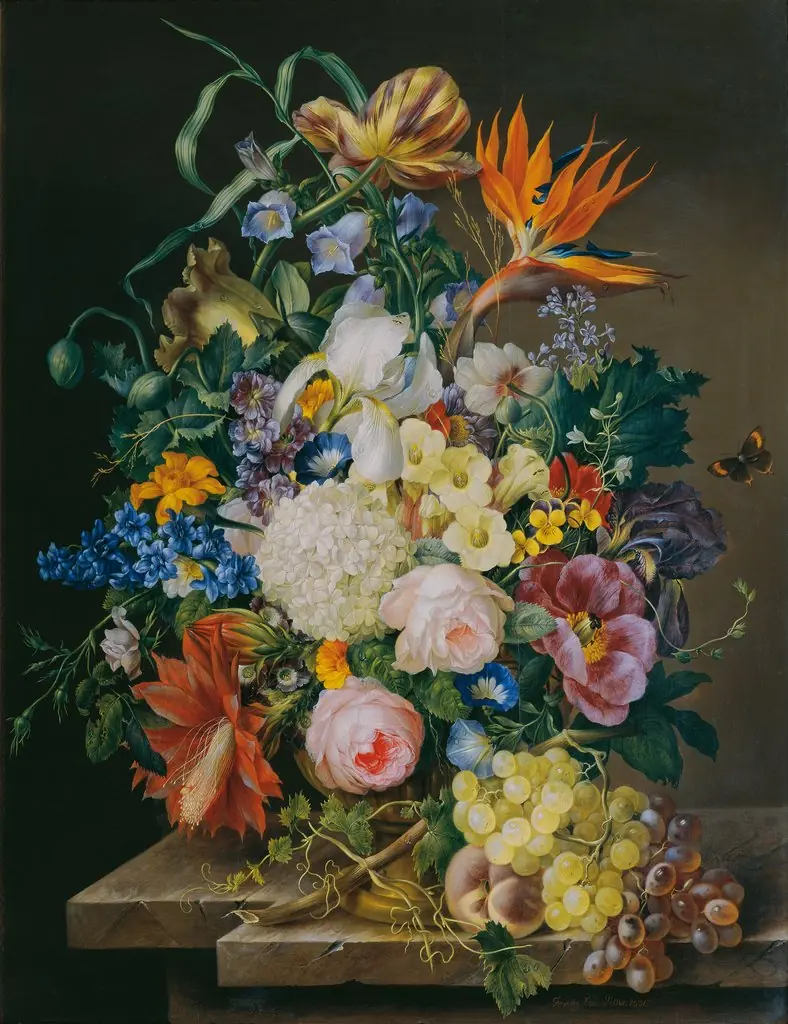 Flower piece