Artwork
Combats and Triumphs
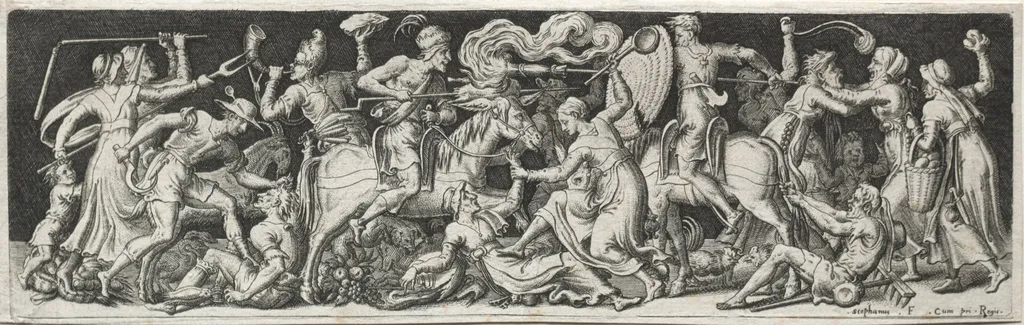
Combats and Triumphs is a print by the Renaissance artist Etienne Delaune. It dates from 1564 and is held in the collection of the Cleveland Museum of Art.
About this work
Overview
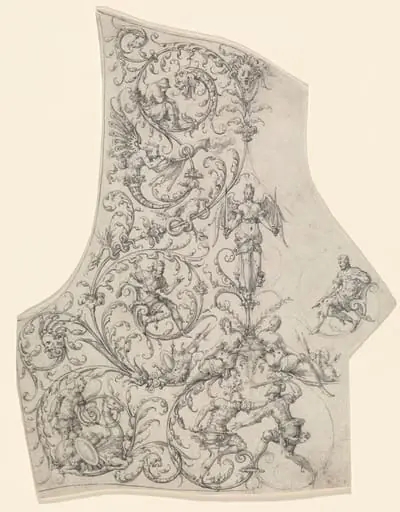
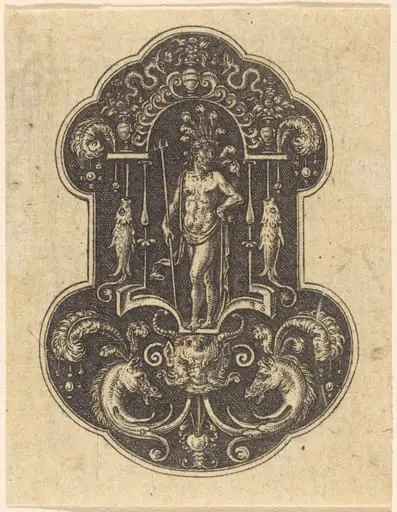
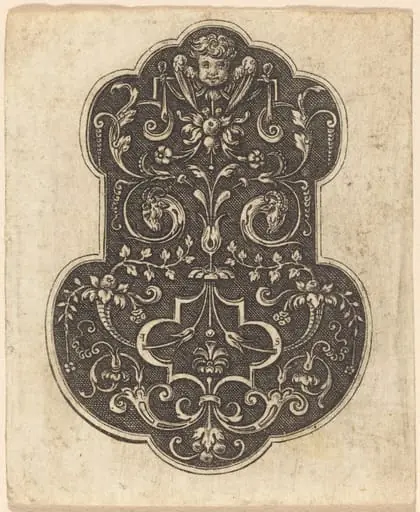
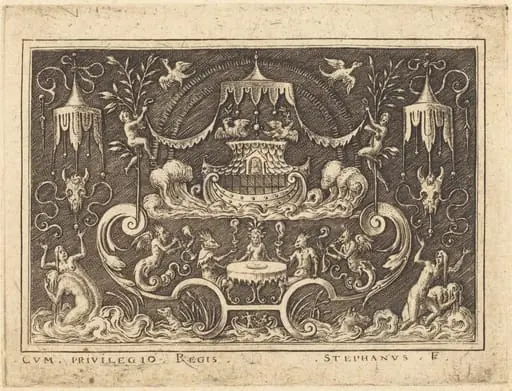
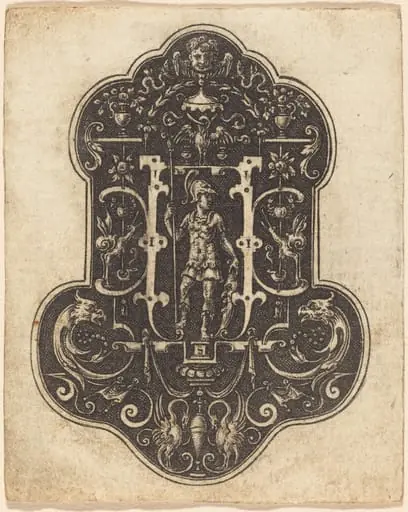
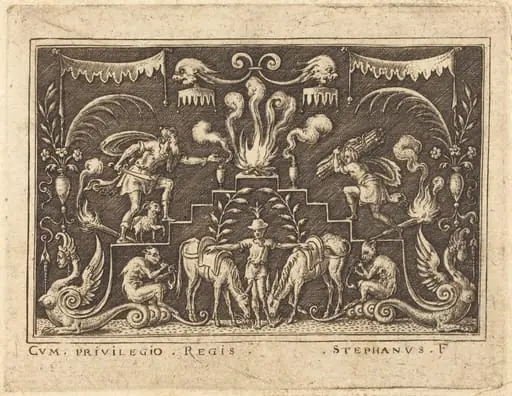
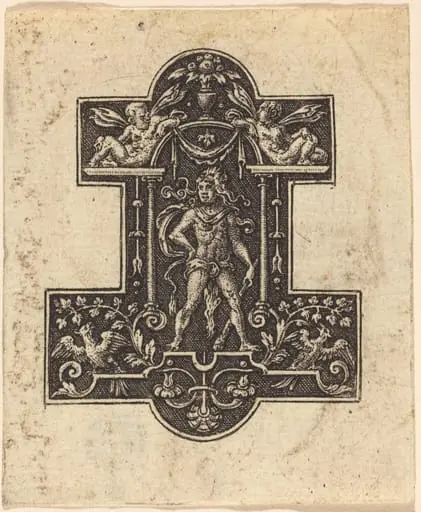
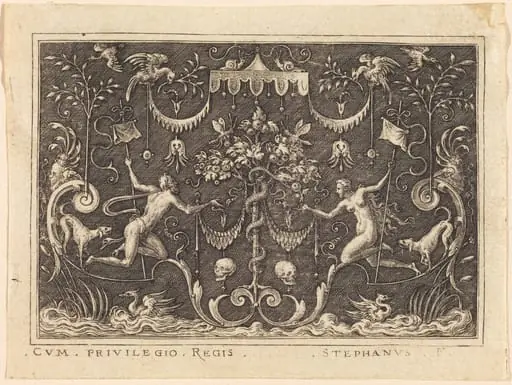
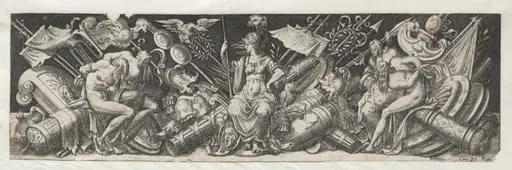
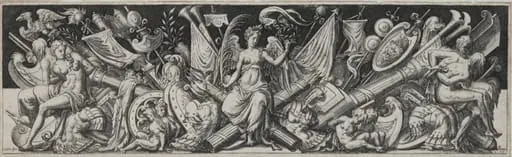
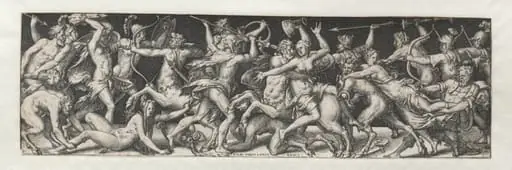
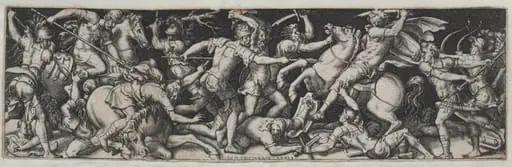
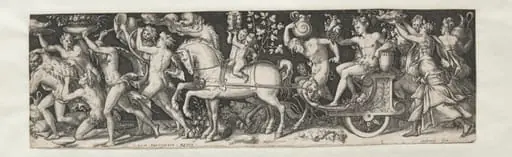
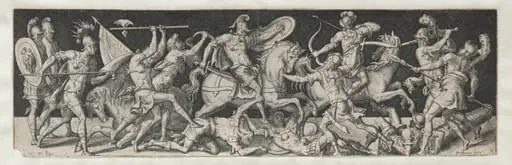
Combats and Triumphs is a set of four small engravings attributed to the French artist Etienne Delaune, dating from the 1560s. The prints—The Triumph of Bacchus, Battle of Men and Animals, Combat of the Naked Men, and Battle of the Centaurs and the Lapiths—form part of a larger series of twelve works that depict mythological combats in a continuous, frieze‑like arrangement.
Subject & Meaning
Each image presents a staged encounter drawn from classical mythology, such as the triumph of Bacchus or the legendary battle between centaurs and Lapiths. The figures are arranged in a balletic, almost theatrical manner, emphasizing the choreography of conflict rather than realistic violence, reflecting a Mannerist interest in stylized movement.
Technique & Style
Executed as fine copper engravings, the prints reveal Delaune’s meticulous metalworking background. The shallow, flat background resembles the unadorned sky of ancient sarcophagus reliefs, while the linear composition and crowded band of figures echo the decorative friezes of Greek and Roman tombs, filtered through a 16th‑century French aesthetic.
History & Provenance
The four prints entered the museum collection as part of the Leonard C. Hanna donation in 1924 (accession numbers 671‑674). Delaune, active in Paris and later Strasbourg, was influenced by the Fontainebleau school, yet his work remained rooted in the precision of his goldsmith and medallist training.
Context
During the mid‑16th century, French artists frequently looked to antiquity for compositional models, especially the relief sculpture of Roman sarcophagi. Delaune’s series translates that sculptural language into print, aligning with the broader Mannerist tendency to reinterpret classical themes in a highly stylized, decorative manner.
Artist & collection