Artwork
James Quin
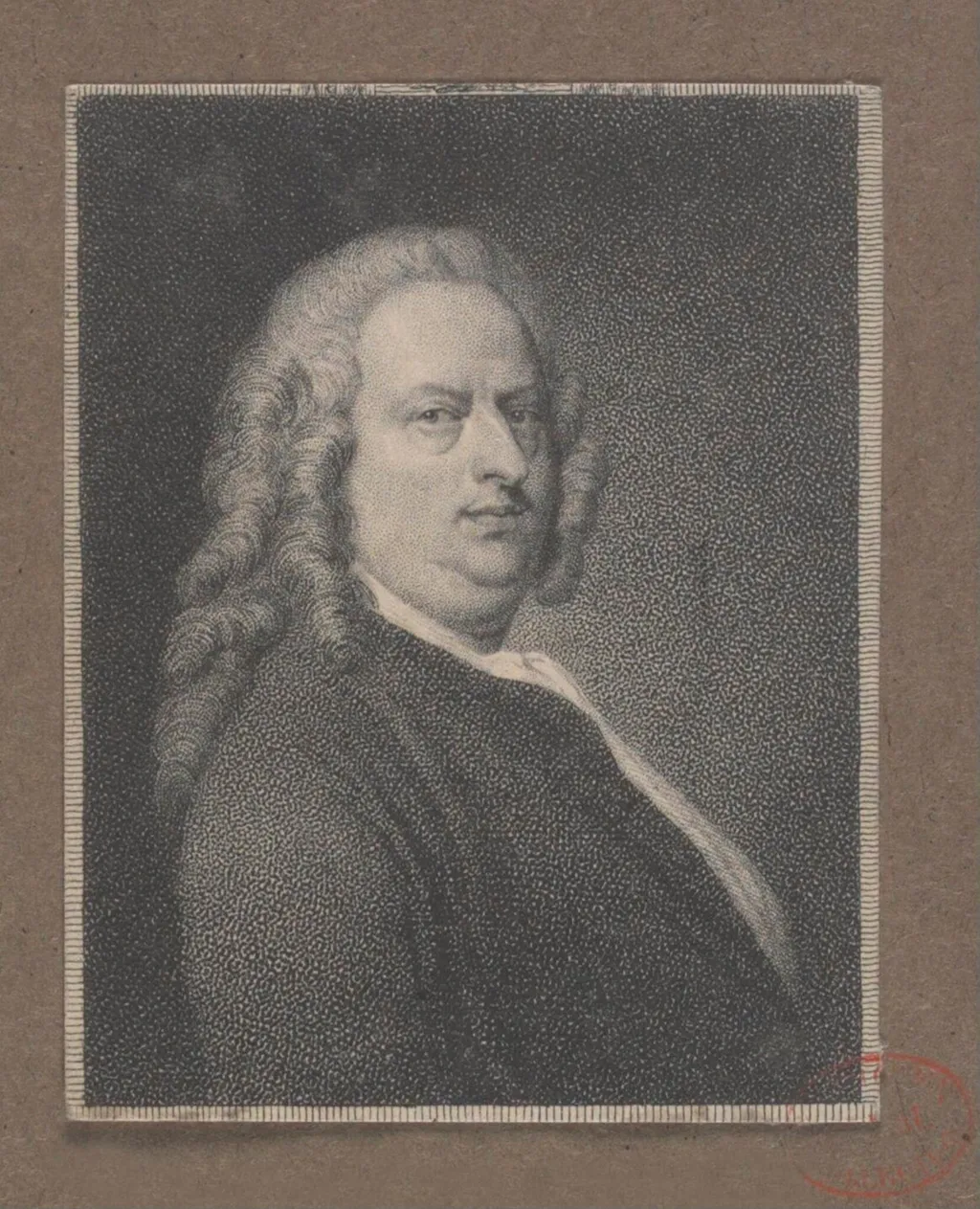
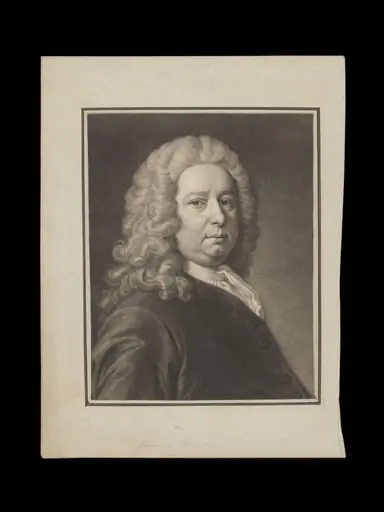
James Quin is a print by W. Evans. It dates from 1750 and is held in the collection of the Victoria and Albert Museum.
About this work
Overview
A printed portrait of the 18th-century English actor James Quin, derived from a painted original by William Hudson. The print reproduces the likeness with precision typical of reproductive engraving practices of the period, intended for wider distribution among theater enthusiasts and collectors.
Subject & Meaning
James Quin was a prominent tragedian of the London stage, known for his commanding presence and classical delivery. This portrait captures his formal bearing and dignified expression, reflecting the cultural reverence for actors who embodied Shakespearean roles with gravitas during the early Enlightenment era.
Technique & Style
The image was produced through engraving, a method allowing detailed replication of Hudson’s painted composition. Lines are carefully rendered to suggest texture in fabric and the subtlety of facial features, adhering to the conventions of portraiture that emphasized clarity and decorum over expressive brushwork.
History & Provenance
The original painting by William Hudson was completed in the 1740s, shortly after Quin’s rise to theatrical prominence. The print likely followed within a decade, circulating in print shops and private collections. No definitive record of the print’s first publisher survives, though similar works were commonly issued by London-based engravers.
Context
During the mid-18th century, printed portraits of celebrated actors served as cultural artifacts, bridging the gap between live performance and domestic admiration. Quin’s image, like those of Garrick and Booth, became symbols of theatrical legitimacy, reinforcing the actor’s status as a figure of public esteem.
Legacy
Though Quin’s fame has diminished in modern memory, this print remains a tangible record of 18th-century theatrical culture. It exemplifies how visual reproduction helped sustain the public image of performers beyond the stage, preserving their presence in the visual record of the era.
Artist & collection
Artist
This guy had a knack for making faces feel alive. He carved James Quin’s portrait in 1795, deep lines around the eyes, a mouth caught mid-thought, like you could hear the actor’s voice across the room. That print isn’t…

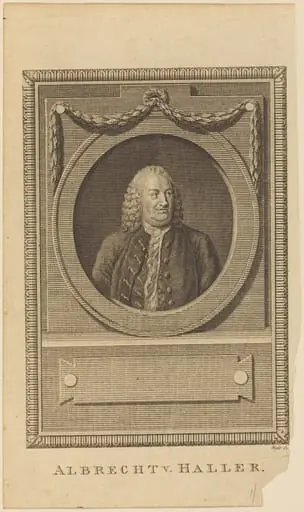 Albrecht V. Haller
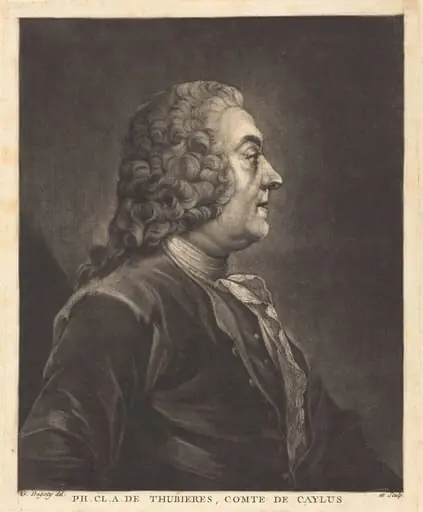 Ph. Cl. A. de Thubières, Comte de Caylus
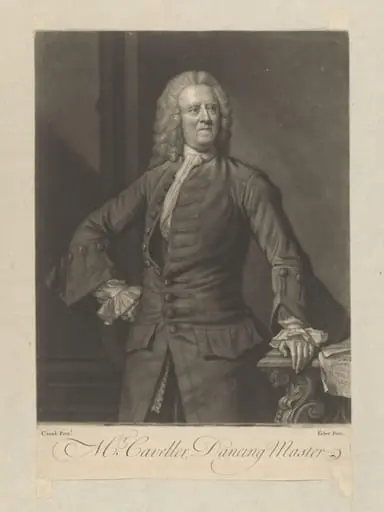 H Beard Print Collection
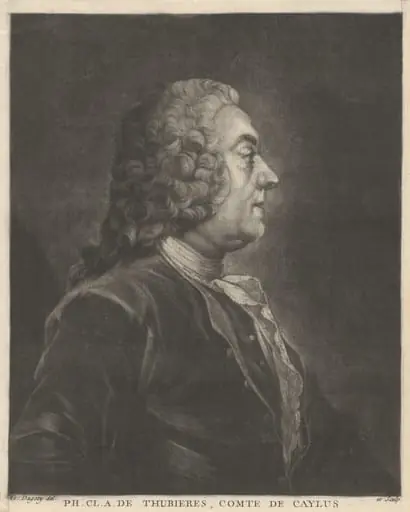 Ph. Cl. A. de Thubières, Comte de Caylus
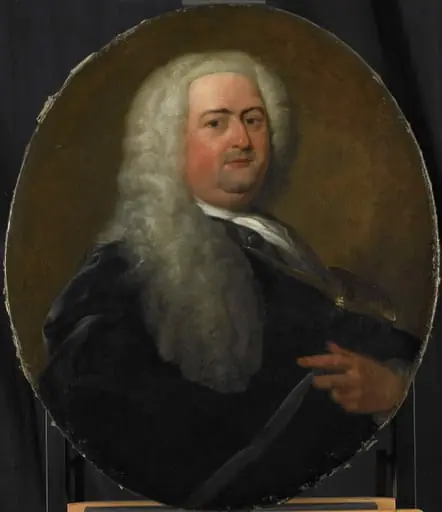 Portrait of Adriaen Paets, Director of the Rotterdam Chamber of the Dutch East India Company, elected 1734
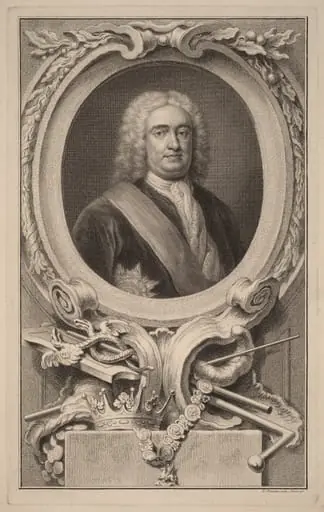 Robert Walpole, 1st Earl of Orford
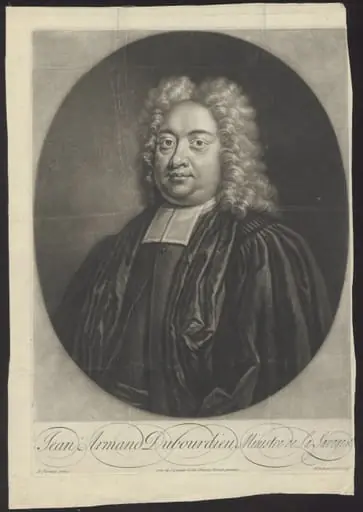 Portrait of Jean Armand Dubourdieu, Ministre de la Savoye
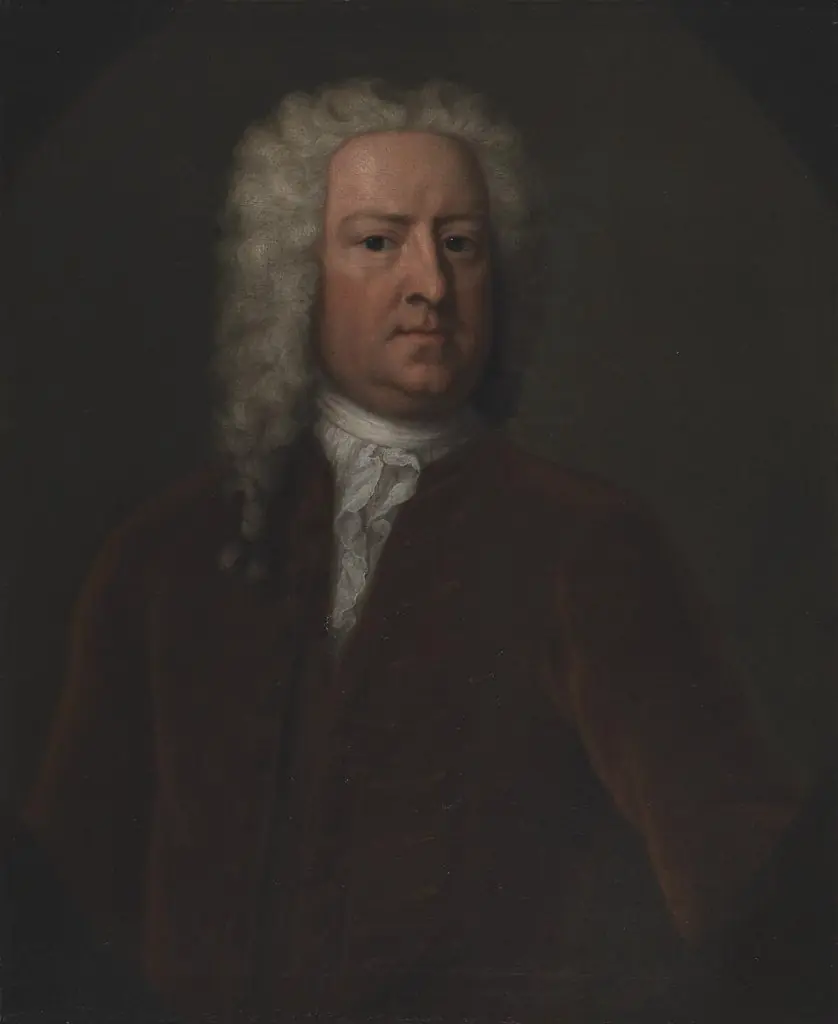 Sir Watkin Williams-Wynn (1692 -1749)
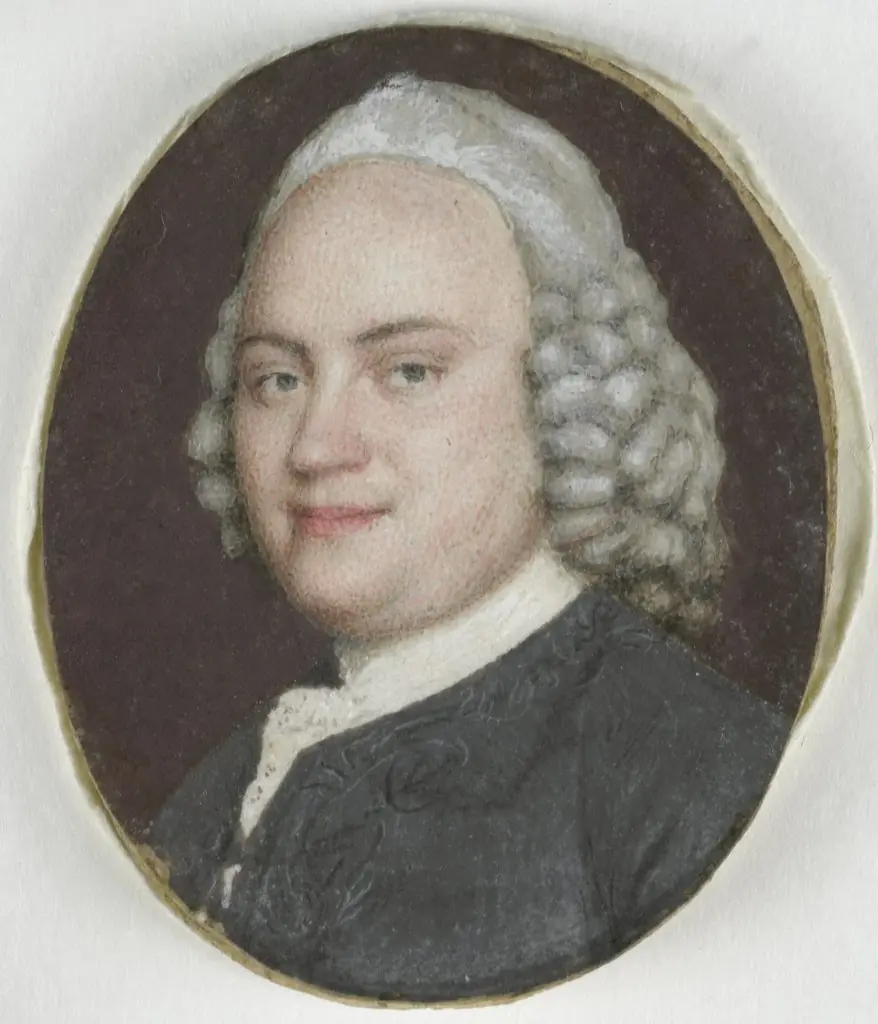 Portret van Pieter van Bleiswijk (1724-90), raadpensionaris van Holland
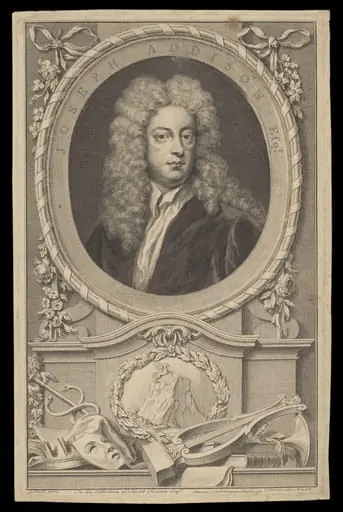 H Beard Print Collection
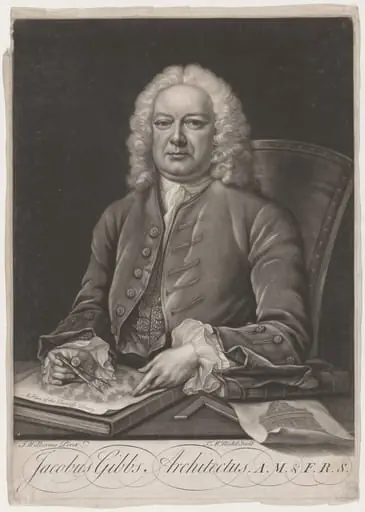 James Gibbs, Architect
 H Beard Print Collection