Artwork
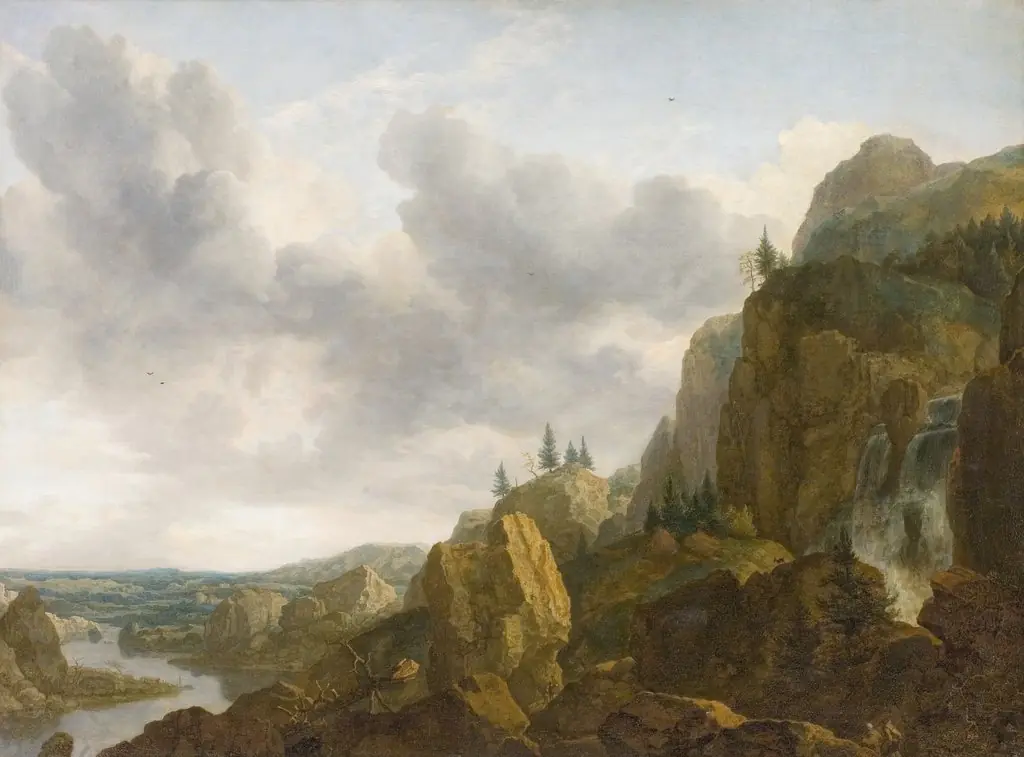
Water Mill at the Foot of a Mountain
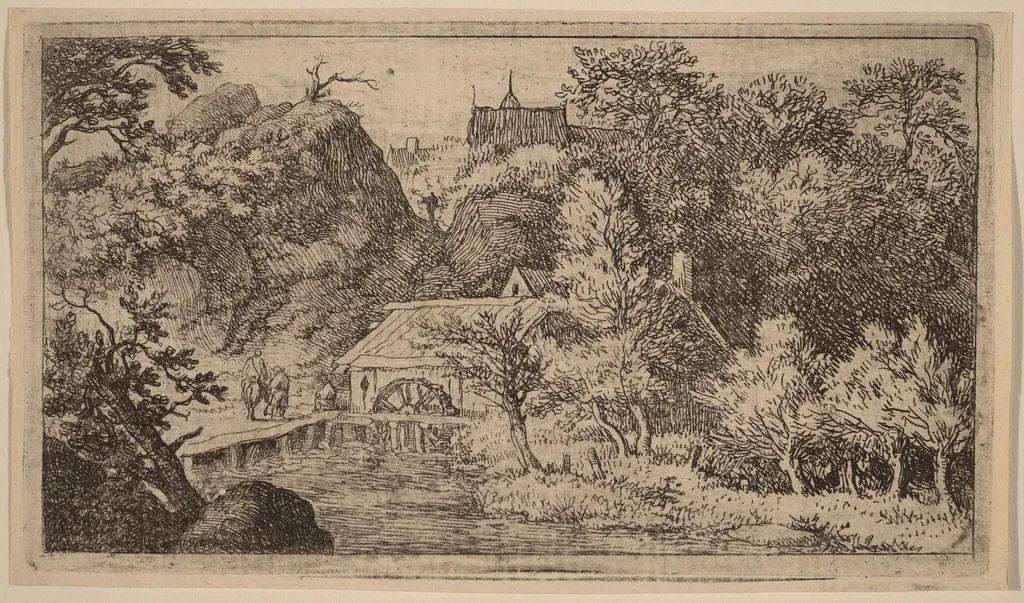
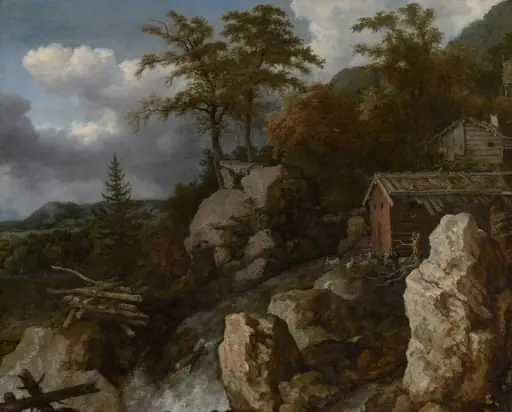
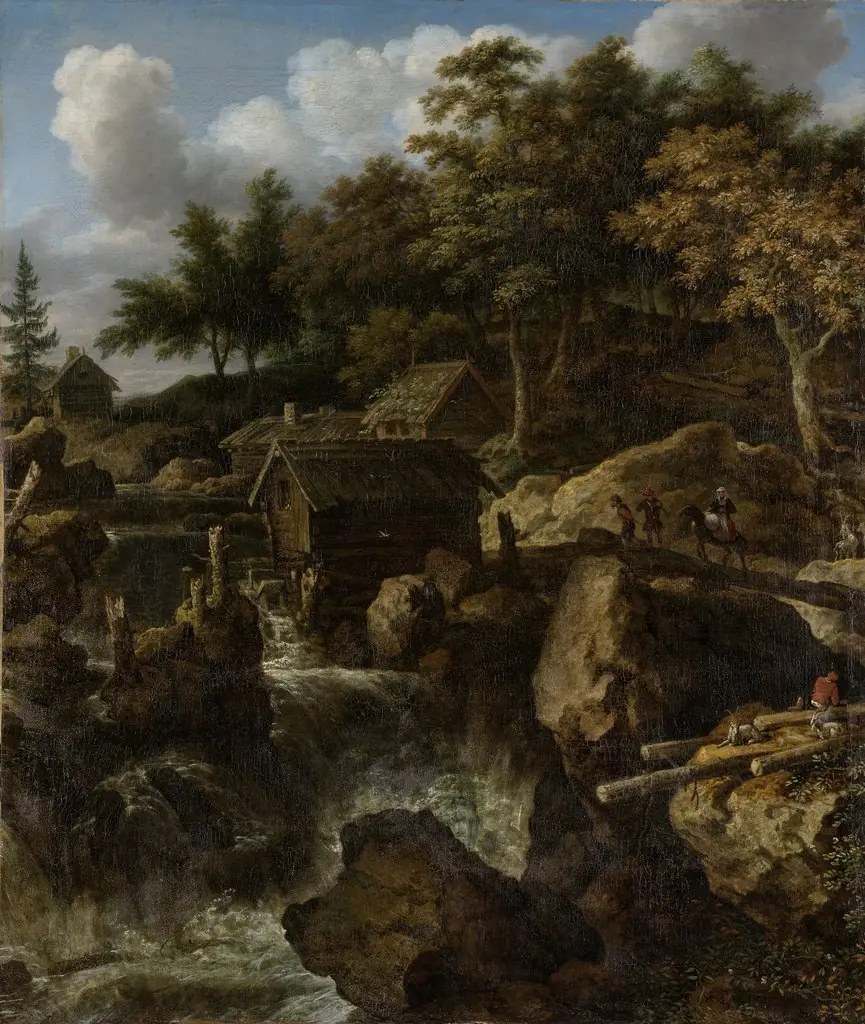
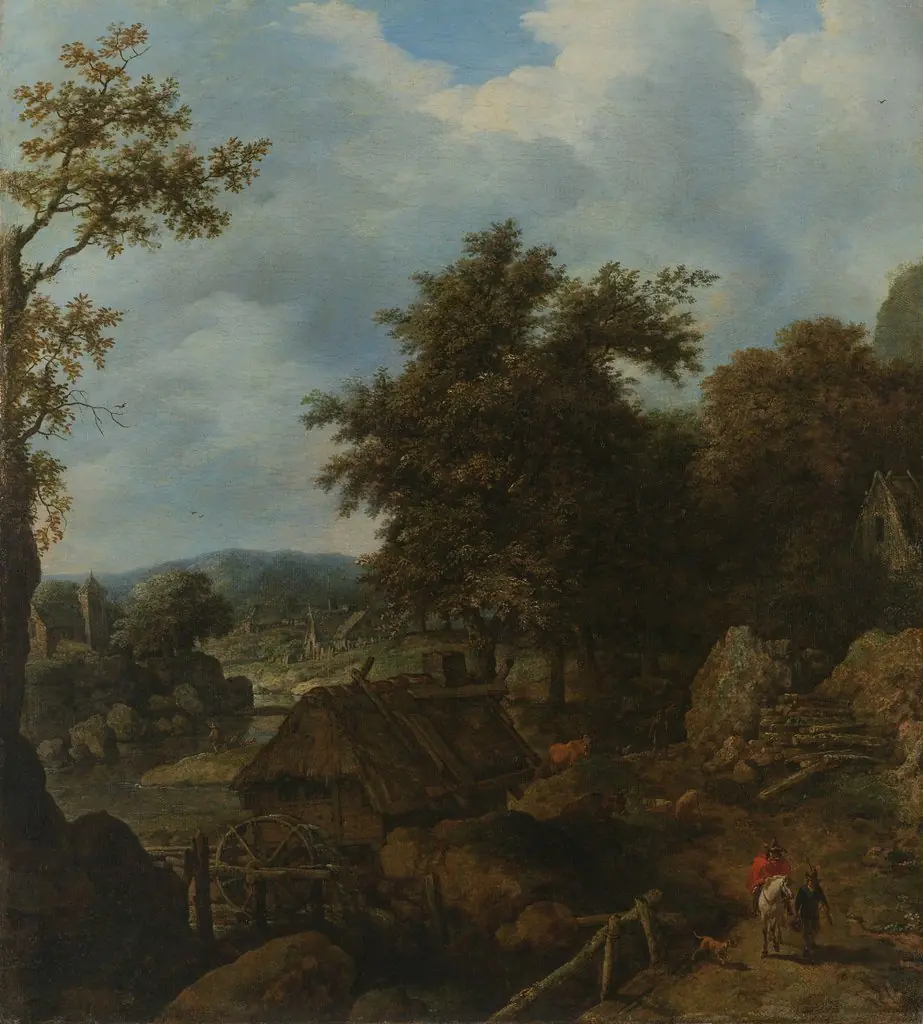
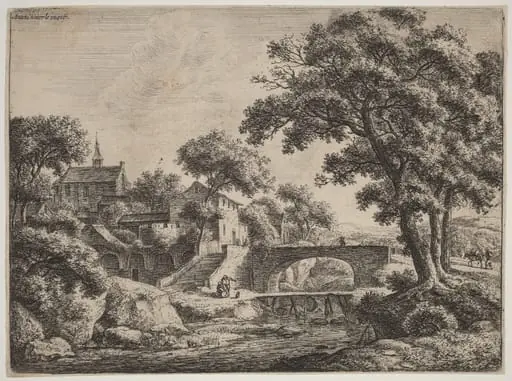
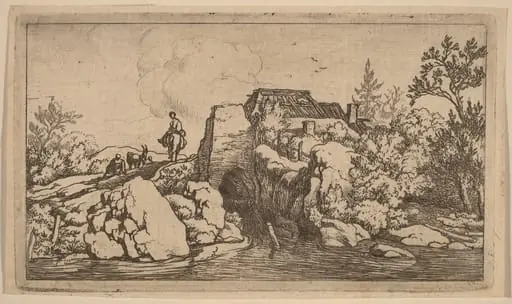
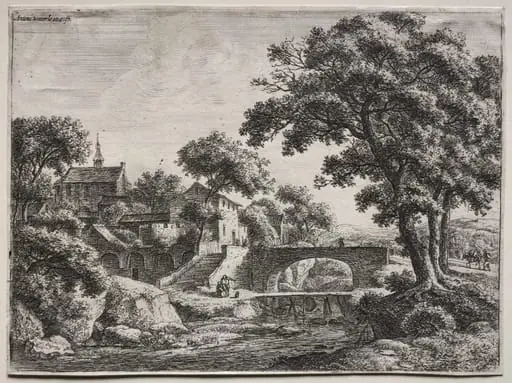
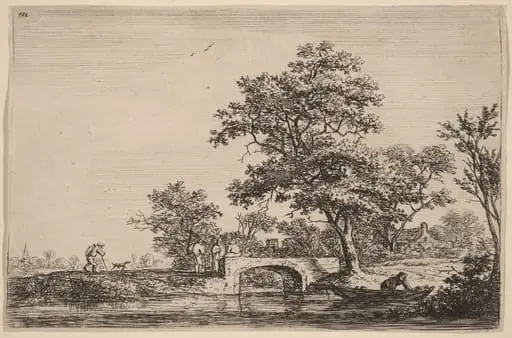
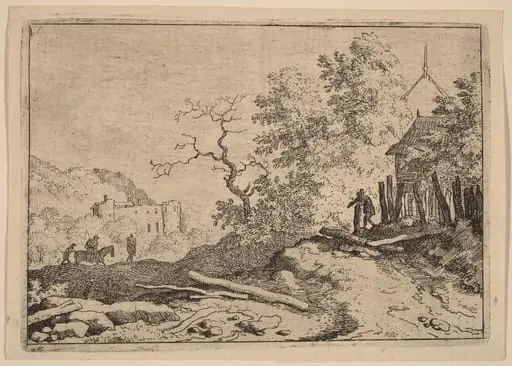
Water Mill at the Foot of a Mountain is an ink print by the Baroque artist Allart van Everdingen. It dates from 1650 and is held in the collection of the National Gallery of Art. Created circa 1650, this etching by the Dutch artist Everdingen captures a tranquil rural scene.
About this work
Overview
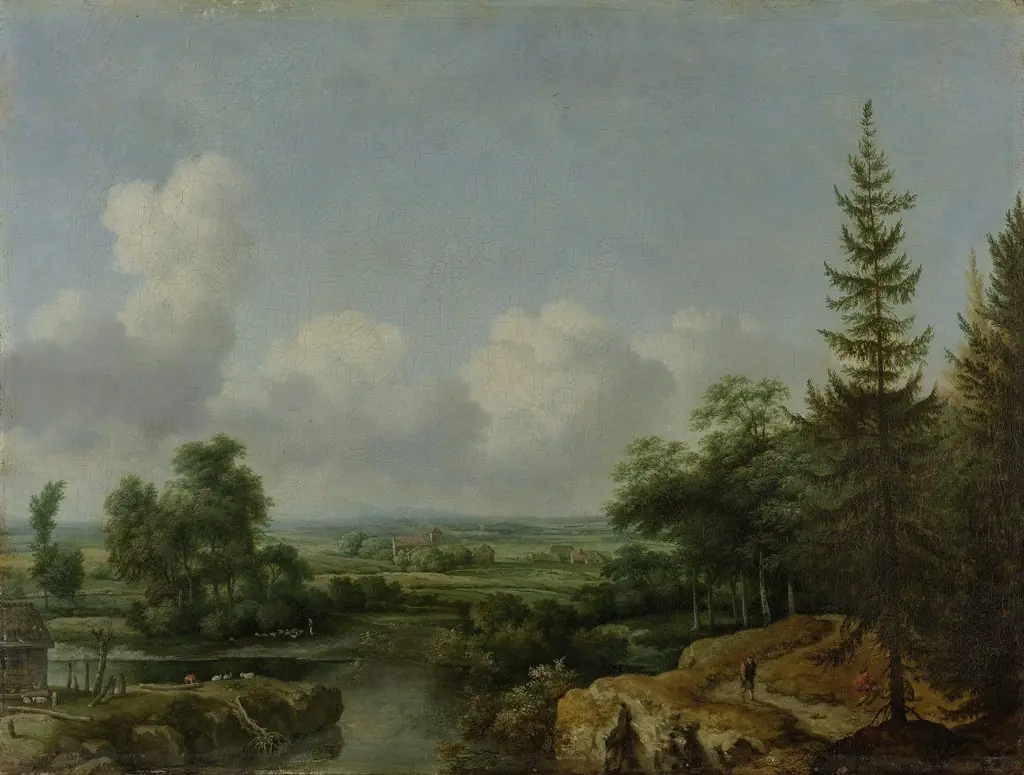
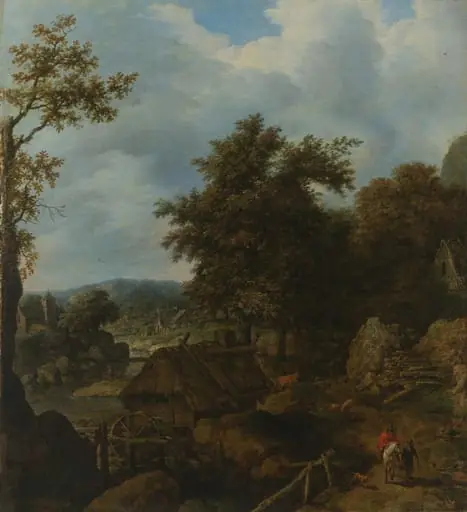
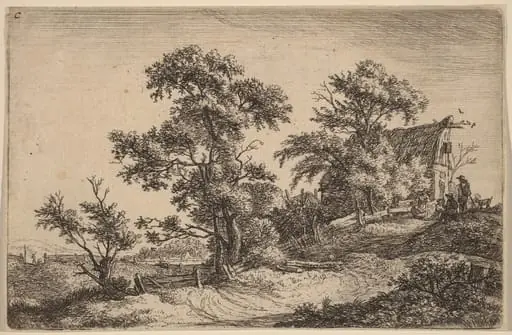
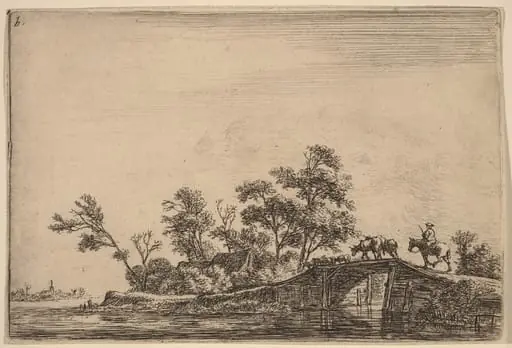
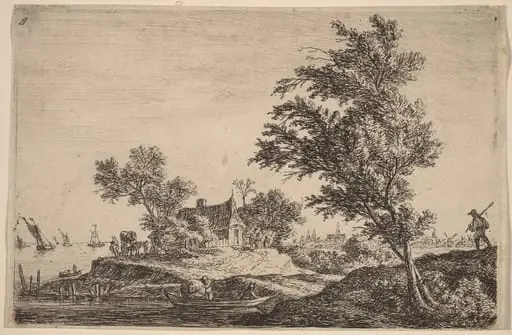
Created circa 1650, this etching by the Dutch artist Everdingen captures a tranquil rural scene. A modest water mill sits beside a flowing river, framed by trees and a gentle hill that rises toward a distant church or tower. The composition balances human activity with natural surroundings, offering a snapshot of 17th‑century countryside life.
Subject & Meaning
The print depicts a small mill powered by river water, a common motif in Dutch landscape art that underscores the relationship between industry and nature. Figures scattered across the banks suggest everyday labor, while the elevated church or tower hints at the spiritual or communal focal point of the settlement.
Technique & Style
Everdingen employed the etching process, incising fine lines into a metal plate that were then bitten with acid to hold ink. The resulting marks convey subtle gradations of tone, giving the foliage and architecture a delicate, almost atmospheric quality typical of mid‑17th‑century Dutch prints.
History & Provenance
Everdingen, known for both etchings and mezzotints, frequently turned to landscape subjects throughout his career. This particular work, dated around 1650, reflects his consistent interest in depicting the Dutch countryside and its built environment, though specific ownership records for the original plate remain undocumented.
Artist & collection
Artist
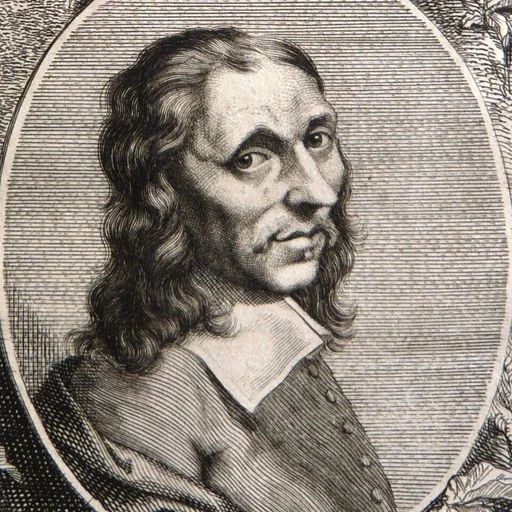
Allaert van Everdingen (Dutch pronunciation: ; bapt. 18 June 1621 – 8 November 1675 (buried)), was a Dutch Golden Age painter and printmaker in etching and mezzotint.