Artwork
Mary, Princess of Orange
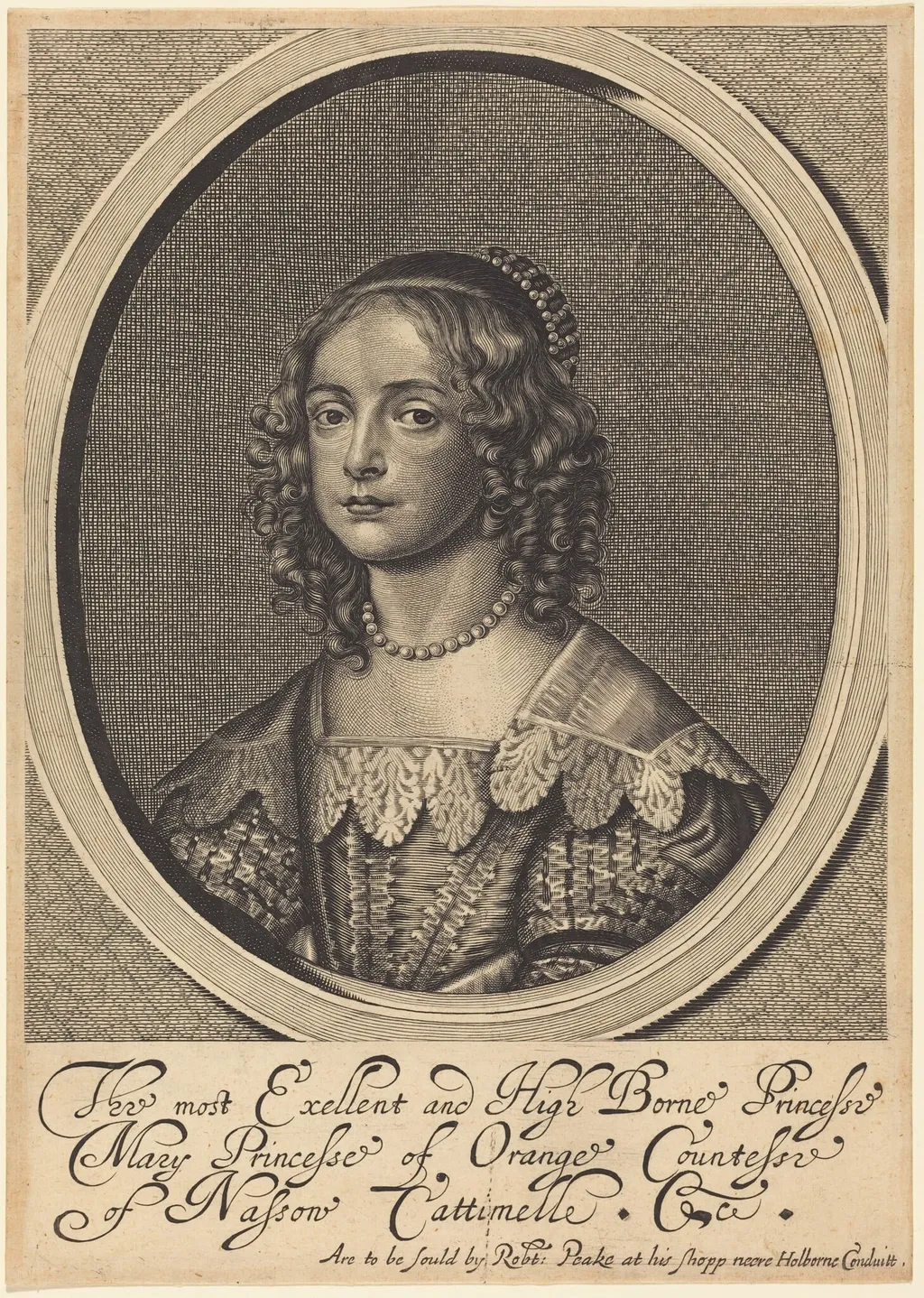
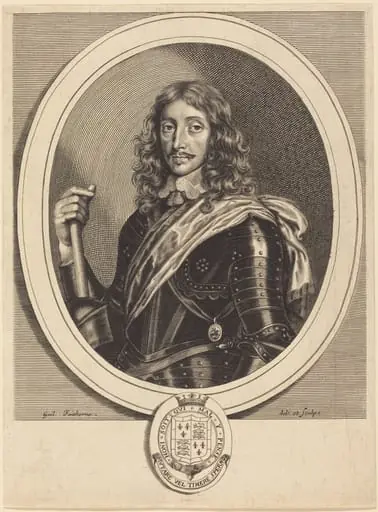
Mary, Princess of Orange is an ink print by the Baroque artist William Faithorne. It dates from 1654 and is held in the collection of the National Gallery of Art.
About this work
Overview
The medium reflects the period’s preference for detailed portraiture in print form, accessible to a broader audience than painted likenesses.
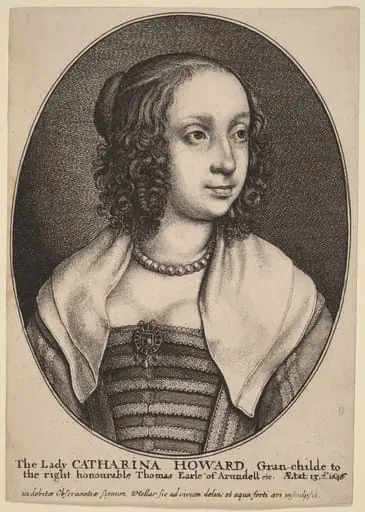
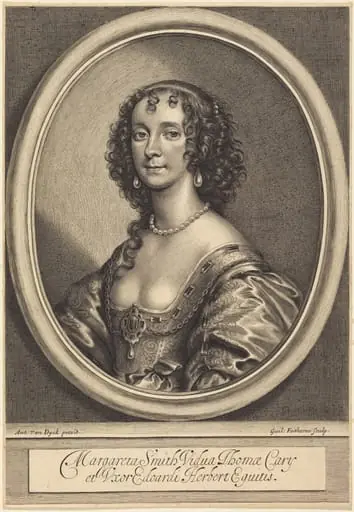
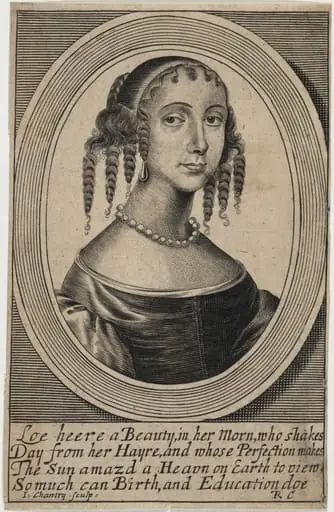
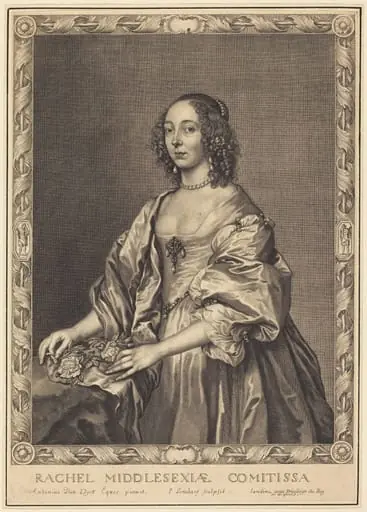
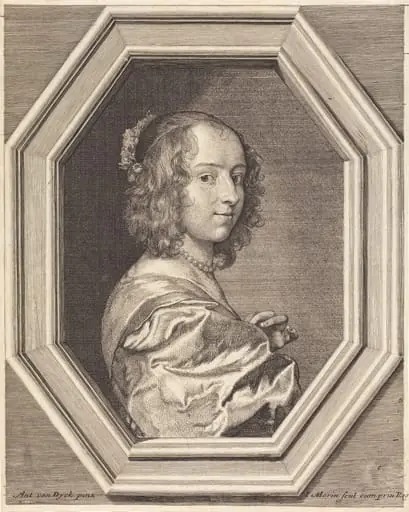
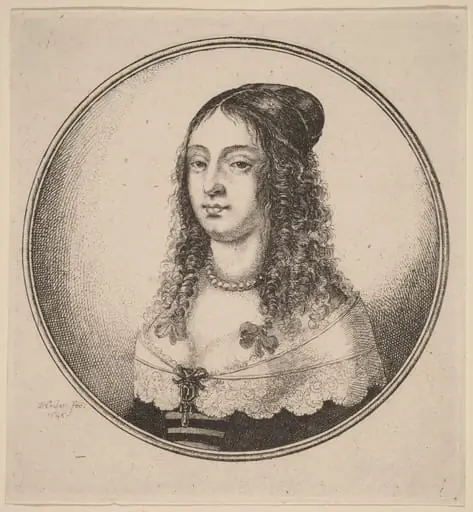
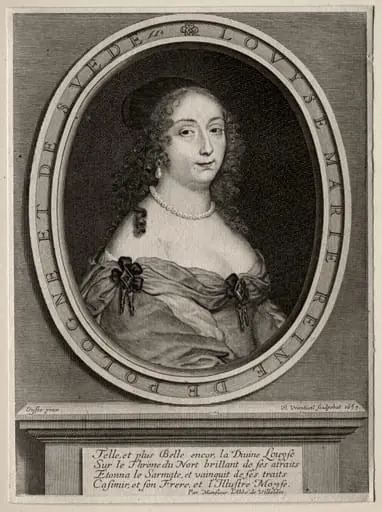
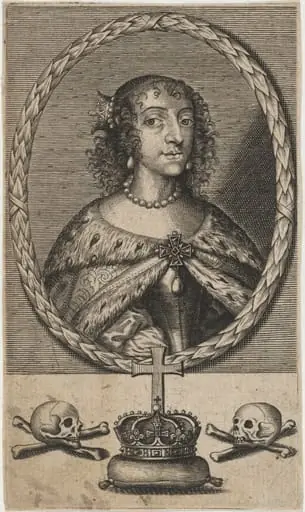
This 1654 engraving by William Faithorne depicts Mary, Princess of Orange, in a formal portrait. Executed in black ink on paper, the work relies on precise linear technique to render her likeness. The composition is restrained, with no decorative background, directing attention entirely to the sitter’s features and attire. The medium reflects the period’s preference for detailed portraiture in print form, accessible to a broader audience than painted likenesses.
Subject & Meaning
Mary, daughter of King Charles I of England, was married to William II, Prince of Orange, making her a key figure in Anglo-Dutch political alliances. The portrait emphasizes her noble status through regal attire—pearl necklace, elaborate lace collar, and richly patterned fabric—symbols of wealth and dynastic connection. The title 'Princess of Orange' underscores her role in continental European aristocracy, not merely as a royal daughter but as a consort with political significance.
Technique & Style
Faithorne employed the engraving method, incising fine lines into a copper plate to create tonal gradations and texture. Delicate cross-hatching models the contours of her face and the folds of her lace collar, while controlled dotting suggests the sheen of pearls. The absence of tone or wash preserves the clarity of line, characteristic of 17th-century English reproductive portraiture. The precision reflects both technical mastery and the demand for accurate likenesses among the elite.
History & Provenance
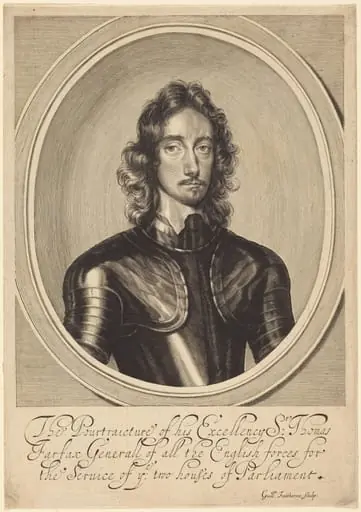
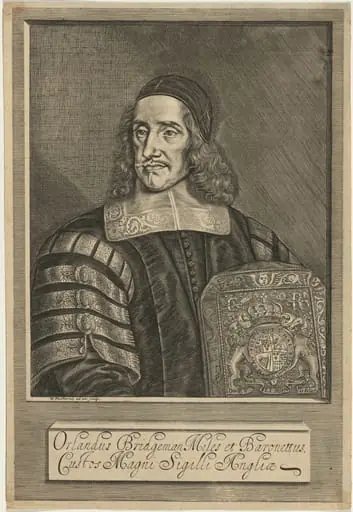
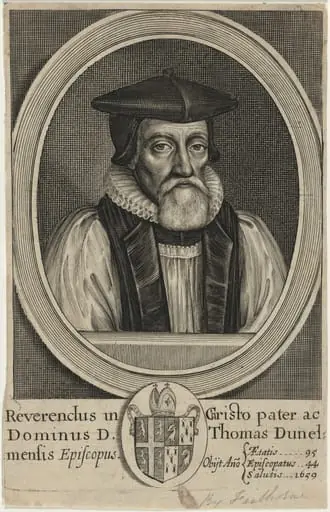
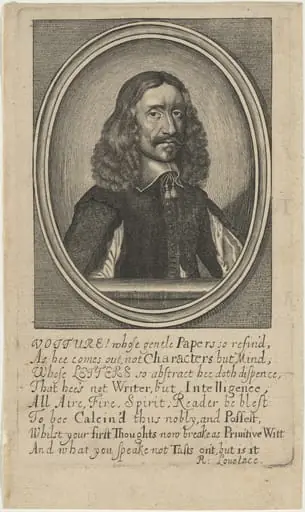
Created in 1654, during Mary’s brief tenure as Princess of Orange, the print likely served to circulate her image among diplomatic and aristocratic circles. Faithorne, a leading English engraver, was known for his portraits of royalty and nobility. The work may have been issued as part of a series or sold individually; surviving impressions are held in major print collections, including the British Museum and the Metropolitan Museum of Art.
Context
In mid-17th-century Europe, engraved portraits were vital tools for disseminating the likenesses of nobility, especially during political instability. Mary’s marriage linked the Stuart and Orange dynasties, making her image politically valuable. Faithorne’s work aligns with a broader trend of using print to reinforce social hierarchy and familial prestige, particularly in England and the Dutch Republic, where print culture flourished despite civil conflict.
Legacy
Faithorne’s engraving of Mary remains a significant example of English portrait engraving from the Interregnum period. It preserves a visual record of a royal woman whose life was shaped by transnational alliances and early modern gender roles. The work continues to inform studies of portraiture, print distribution, and the visual culture of Stuart exiles and their European connections.
Artist & collection
Artist
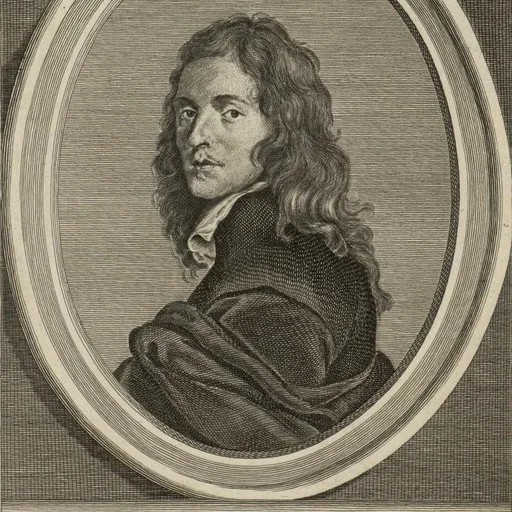
William Faithorne (1616–1691) was a British artist, born in Greater London.