Artwork
The Institution
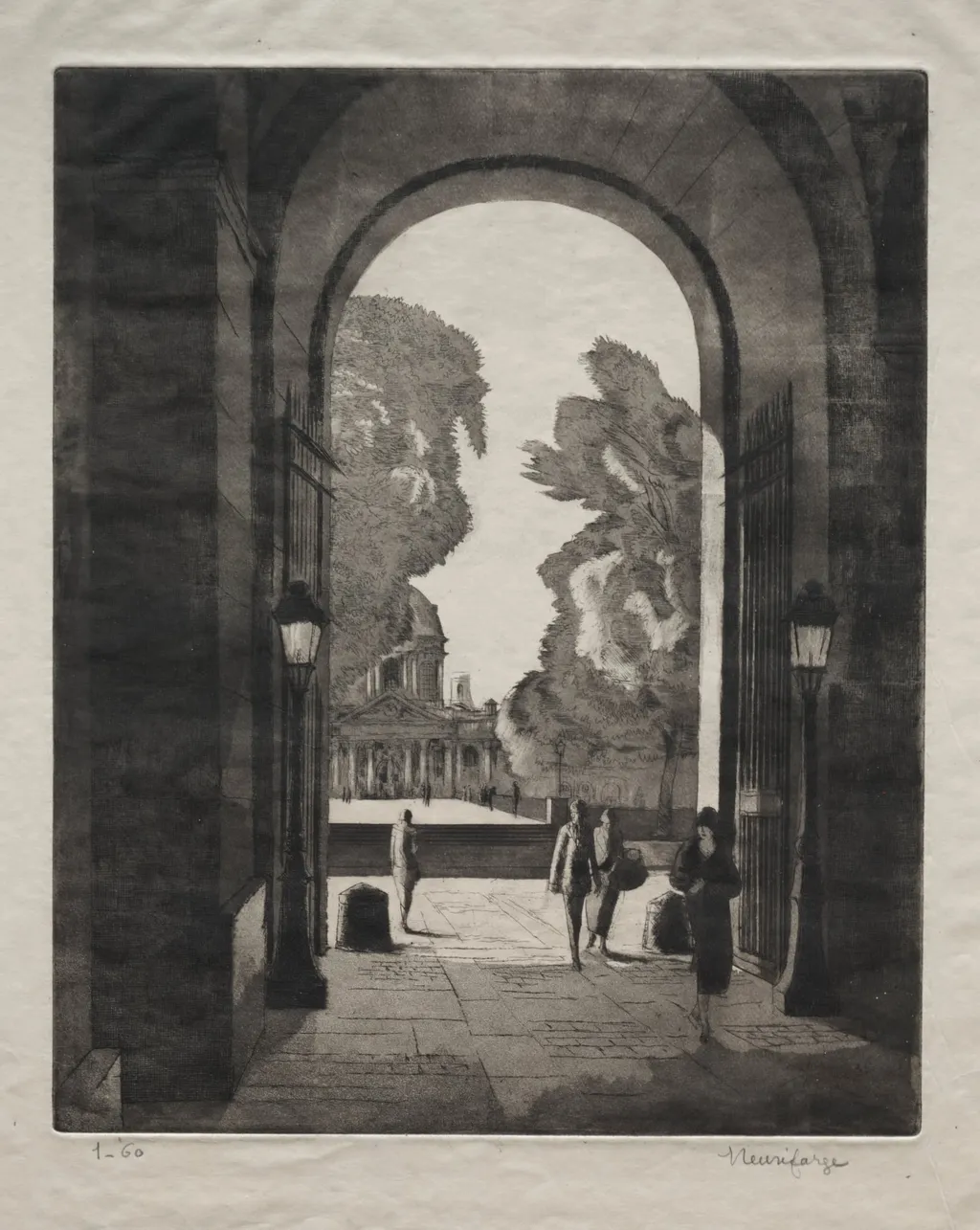
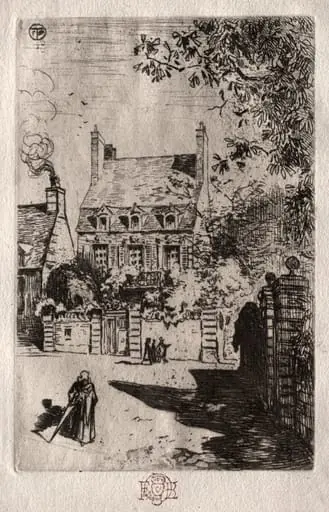
The Institution is a print by the Impressionist artist Farge. It dates from 1924 and is held in the collection of the Cleveland Museum of Art.
About this work
Overview
Created around 1924 by Farge, this black-and-white print depicts a transitional urban space: a narrow archway opening into an expansive plaza. The composition emphasizes spatial depth through controlled contrasts of light and shadow. Held in the collection of The Cleveland Museum of Art, the work reflects early 20th-century French interest in architectural form and atmospheric perspective.
Subject & Meaning
The scene captures four figures moving through or pausing beneath a stone arch, their presence modest and unremarkable.
The scene captures four figures moving through or pausing beneath a stone arch, their presence modest and unremarkable. Behind them, a monumental columned structure suggests institutional authority, while trees and vintage streetlamps anchor the setting in a familiar, everyday urban environment. The arch functions as a threshold, implying passage between the intimate and the imposing without overt narrative.
Technique & Style
Farge employed tonal gradations in ink or etching to model volume and recession, avoiding line-heavy detail. The high contrast between dark archways and lighter plazas enhances the sense of depth, a technique common among French printmakers of the period. The composition is deliberately restrained, focusing on structure and mood rather than individual expression.
History & Provenance
The print entered The Cleveland Museum of Art’s collection through documented acquisition in the mid-20th century. Its origin traces to Farge’s broader body of work documenting French urban environments during the interwar years. No record of prior ownership or exhibition history beyond institutional archives is publicly available.
Context
This work aligns with a trend in 1920s French art that favored quiet, observed moments in cityscapes. Artists often turned to architecture and light to convey psychological or social undercurrents without overt commentary. The absence of human drama and emphasis on structure reflect a broader shift toward formalism in printmaking during this era.
Legacy
Farge’s print contributes to a quiet tradition of French urban documentation, influencing later photographers and printmakers interested in architectural solitude. While not widely reproduced, it remains a representative example of interwar printmaking that prioritized atmosphere over spectacle, preserving a sense of place through restraint.
Artist & collection
Artist
Farge is a small village in the borough Blumenthal of Bremen, Germany. It is located at the river Weser.

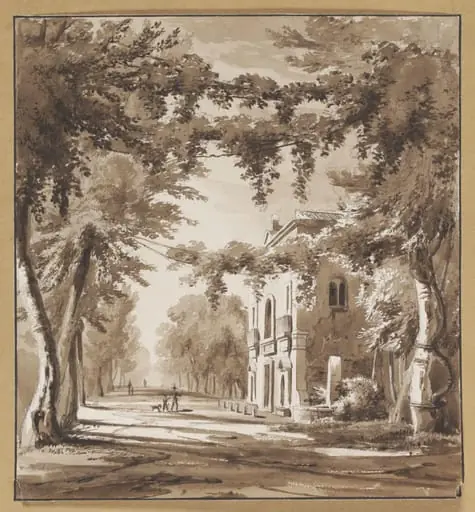 Petit eglise que e trouve sur le chemin da Puzzuoli (sic)
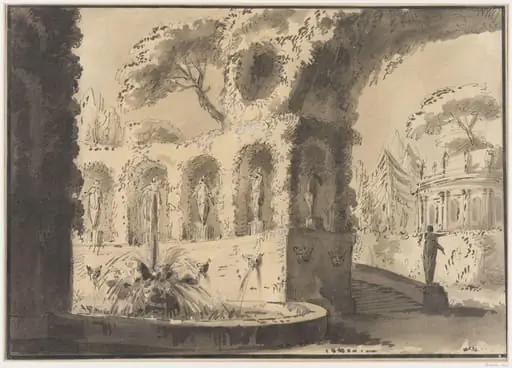 Landscape
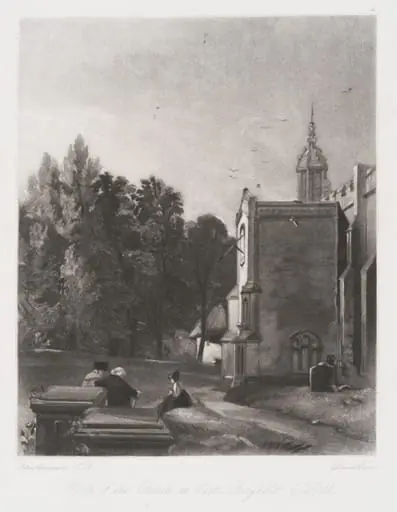 Porch of the Church at East Bergholt, Suffolk
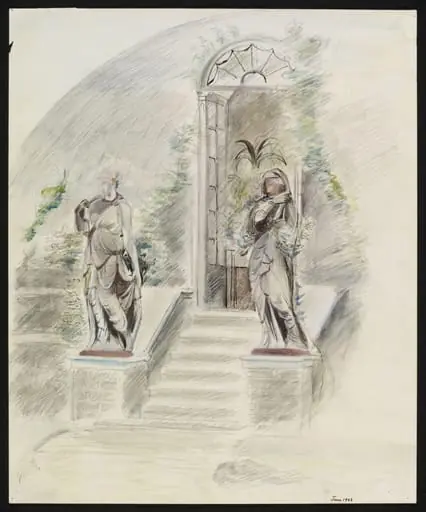 Grove House, Regent's Park
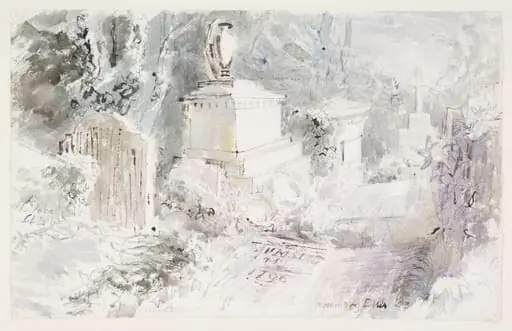 Tombstones, Bathampton Cemetary, Bath
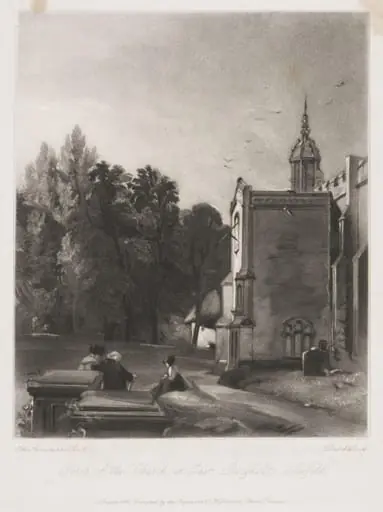 Porch of the Church at East Bergholt, Suffolk
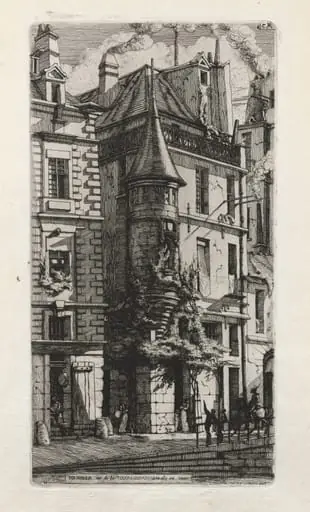 House with a Turret, rue de la Tixéranderie, Paris
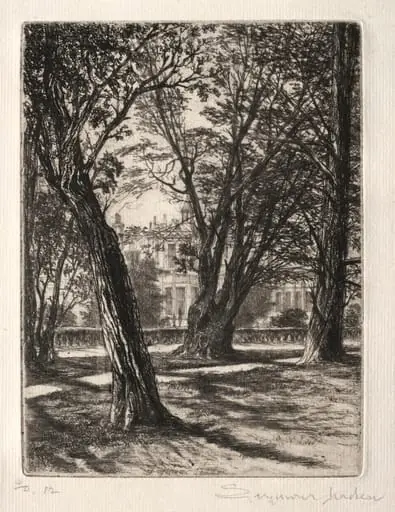 Kensington Gardens (The Small Plate)
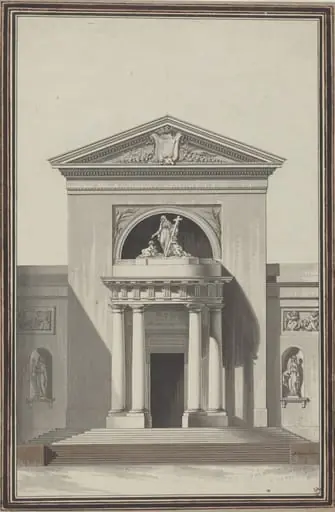 Facade for a Church with a Sculpture Representing Faith
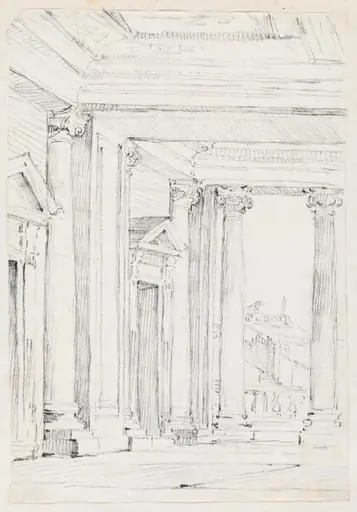 Portico of the Palazzo Nuovo, on the Campidoglio
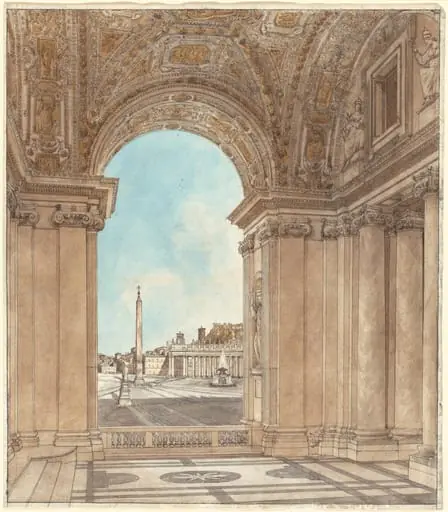 The Piazza of Saint Peter's Seen through an Arch of the Basilica
 In Province: The House at Orléans