Artwork
Kerkinterieur
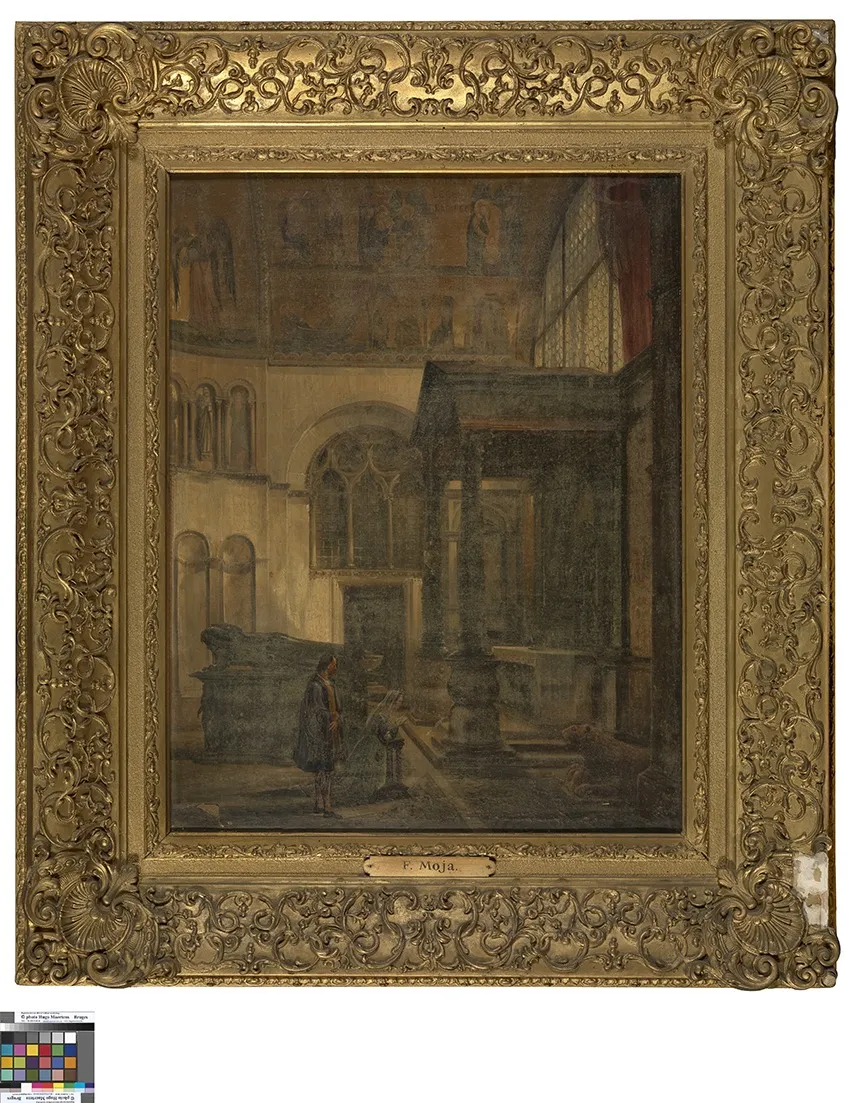
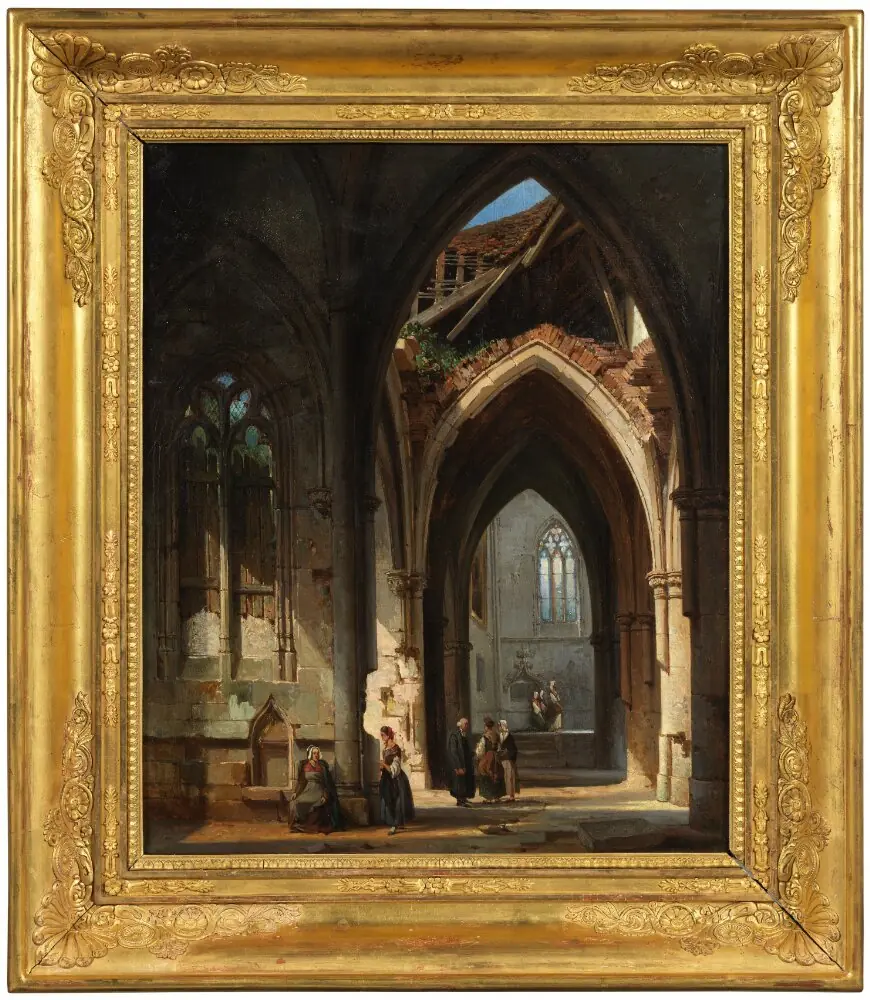
Kerkinterieur is an oil painting by the Neoclassicist artist Federico Moja. It dates from 1802 and is held in the collection of the Groeningemuseum.
About this work
Overview
It is part of the Groeningemuseum’s collection in Bruges, where it contributes to a broader European tradition of ecclesiastical interior studies.
Federico Moja painted *Kerkinterieur* in 1802 using oil on canvas, capturing the interior of a church with precise architectural detail. The work reflects his focus on vedute, or topographical views, and aligns with the Neoclassical interest in order and spatial clarity. It is part of the Groeningemuseum’s collection in Bruges, where it contributes to a broader European tradition of ecclesiastical interior studies.
Subject & Meaning
A solitary figure in dark clothing stands near the center, facing a tall, luminous window. His posture suggests introspection, though no narrative is explicitly given. The window, a source of natural light, may symbolize divine presence or spiritual reflection, while the figure’s stillness invites contemplation without imposing a specific interpretation. The scene avoids theatricality, favoring quietude over drama.
Technique & Style
Moja employs chiaroscuro to define the church’s vaulted architecture and to model the figure against the stone surfaces. Light filters through the window, casting soft gradients across the floor and walls, enhancing spatial depth. The brushwork is controlled and detailed, particularly in the window’s tracery, reflecting a methodical approach rooted in observation rather than emotional expression.
History & Provenance
Painted in 1802, the work entered the Groeningemuseum’s collection in the 19th or early 20th century, likely through acquisition or donation. Moja, active in northern Italy and known for architectural interiors, produced similar works for private patrons and institutions. The painting’s survival in a public collection suggests early recognition of its documentary and aesthetic value within regional art circles.
Context
In early 19th-century Europe, church interiors were popular subjects among artists seeking to document sacred spaces with accuracy. Moja’s work aligns with contemporaries who combined topographical precision with subtle atmospheric effects. Unlike Baroque religious scenes, this painting avoids narrative or saintly figures, focusing instead on architecture and solitary presence as vehicles for quiet resonance.
Legacy
While not widely known outside regional collections, *Kerkinterieur* exemplifies a quiet strand of Neoclassical painting that valued observation over grandeur. It contributes to the understanding of how artists documented sacred spaces during a period of secularization, offering a restrained counterpoint to more emotive religious imagery of the time.
Artist & collection
Artist
Federico Moja (October 20, 1802 – March 29, 1885) was an Italian painter, known best for his vedute and views of interior architecture.

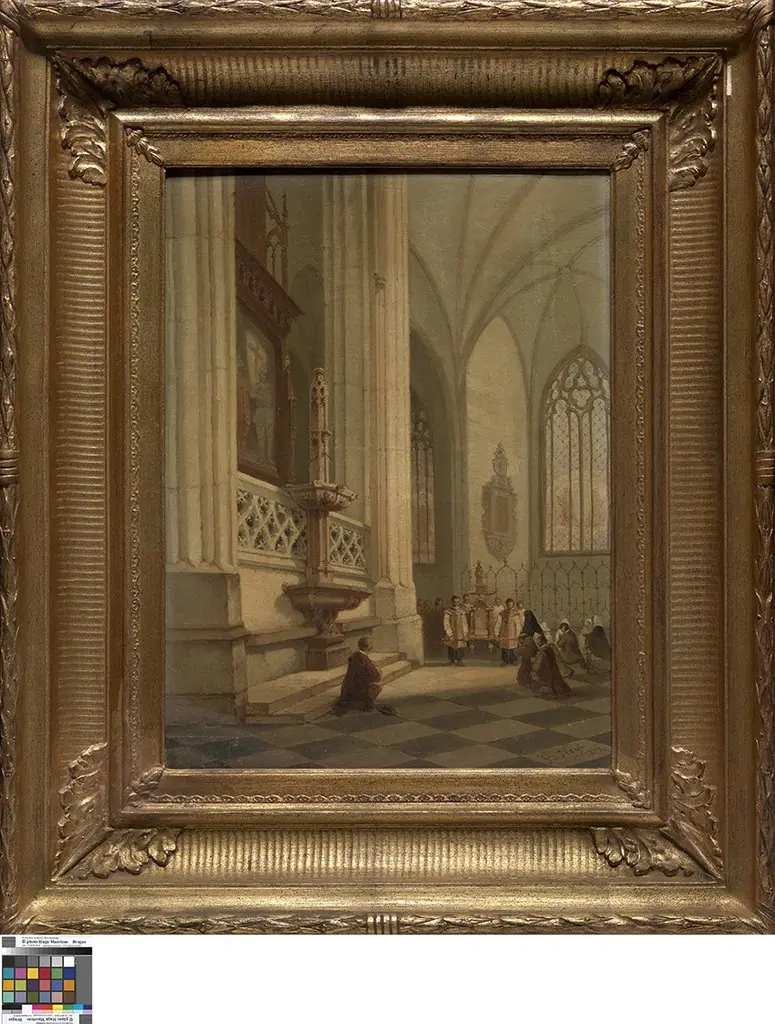 Absis van de kathedraal van Freiburg
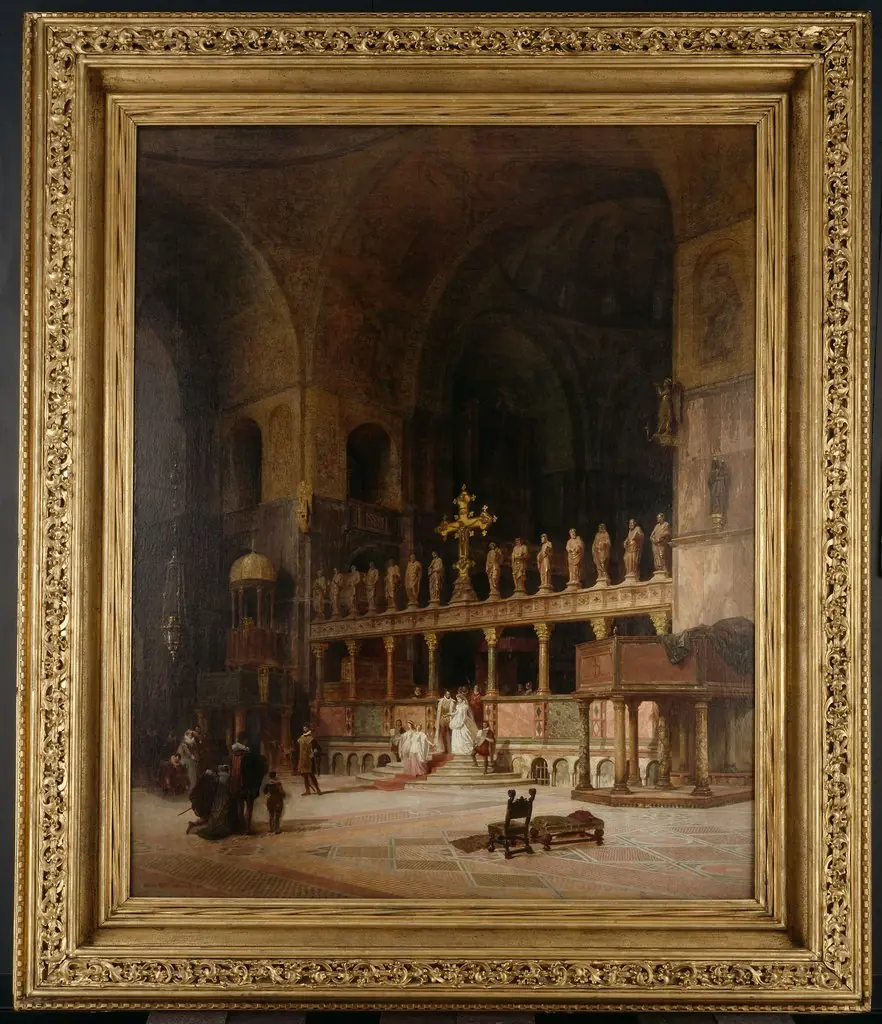 Interior of St. Mark's, Venice
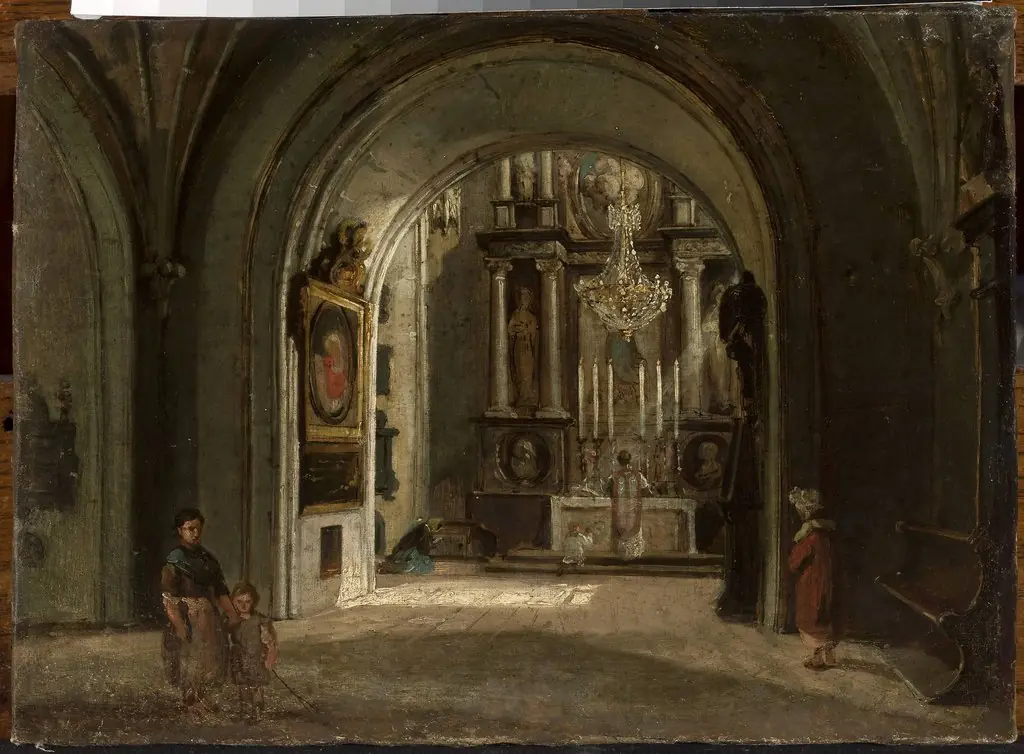 Interior of St. John’s church in Warsaw
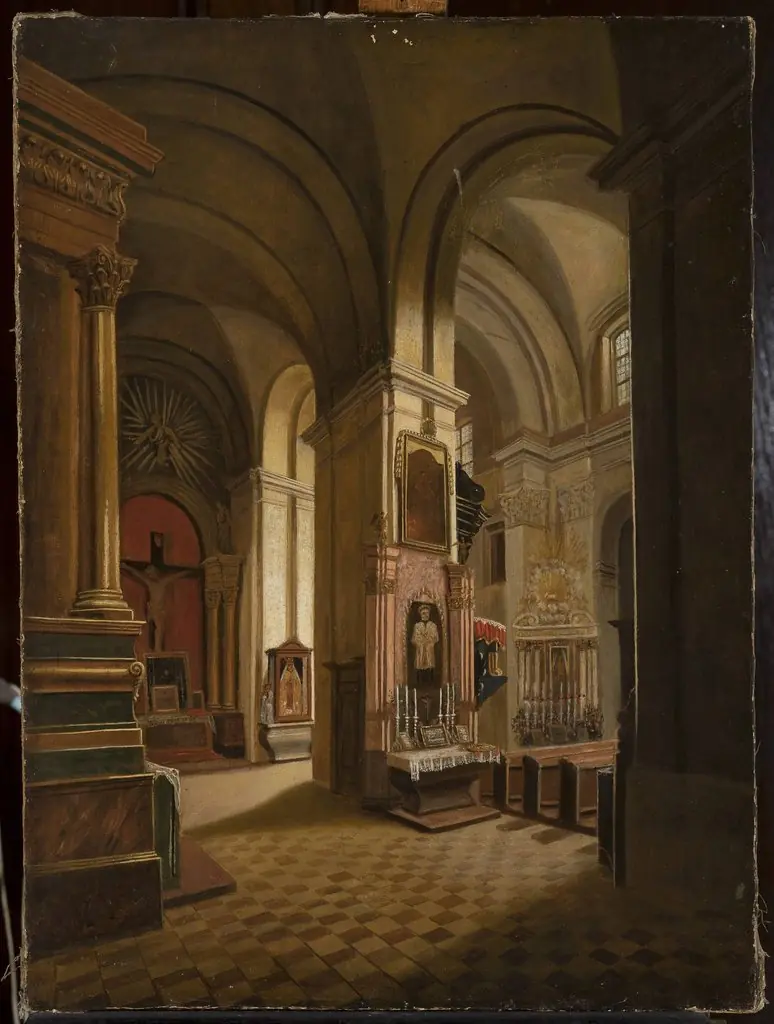 Church interior
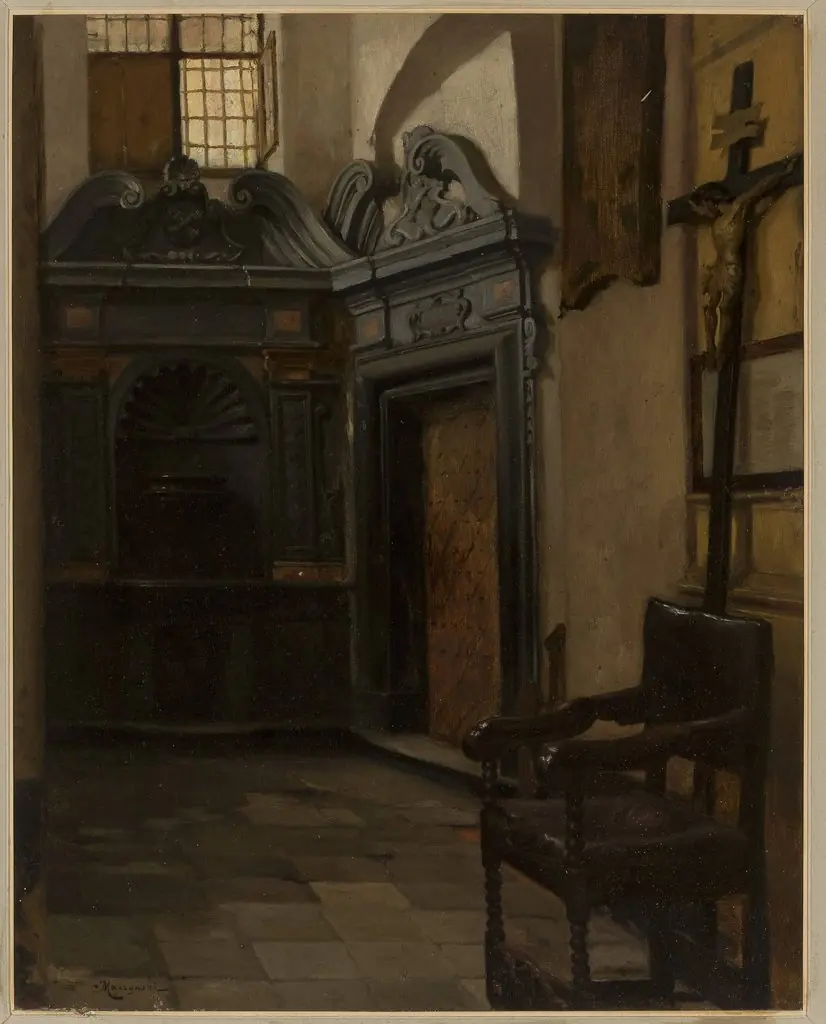 Sacristy
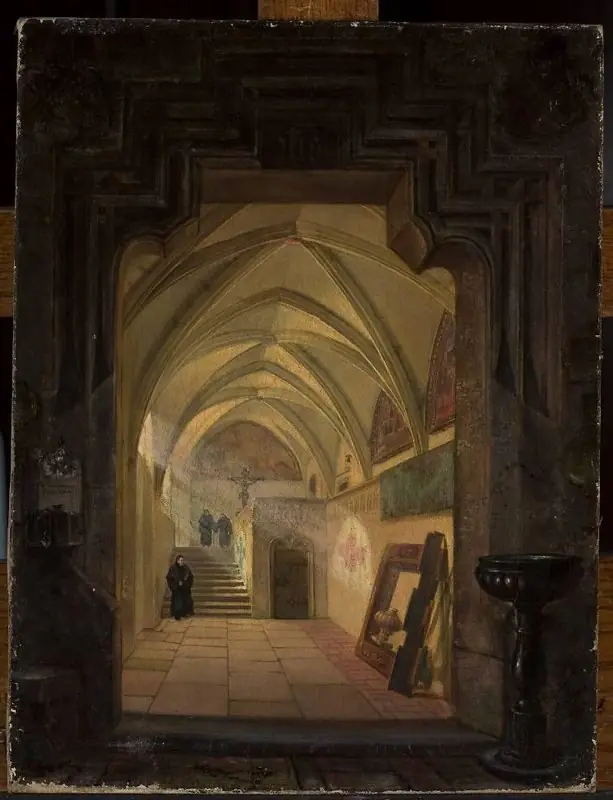 Interior of the cloister at the church of St. Catherine in Kraków
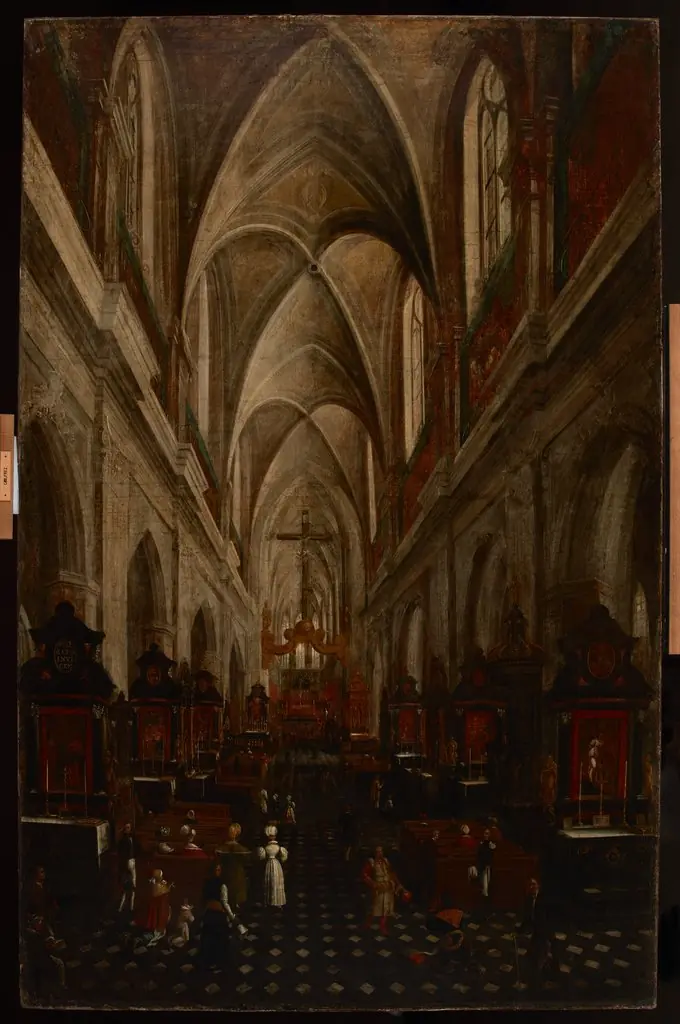 Interior of St Mary's Church in Krakow
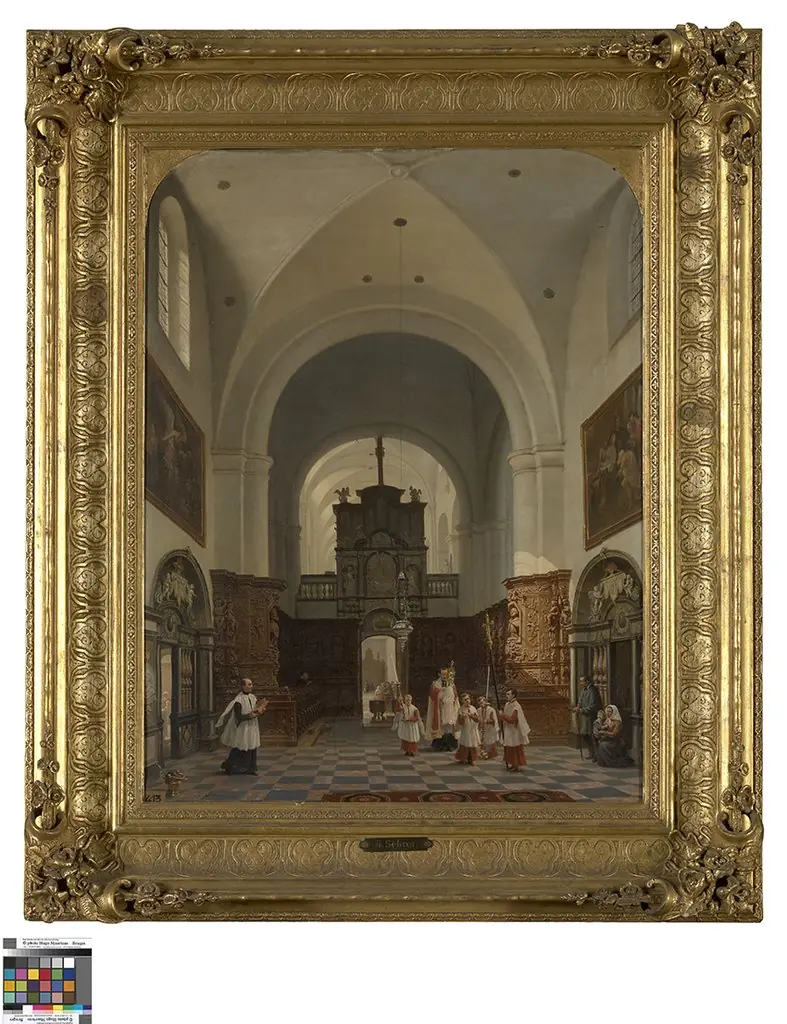 Kerkinterieur
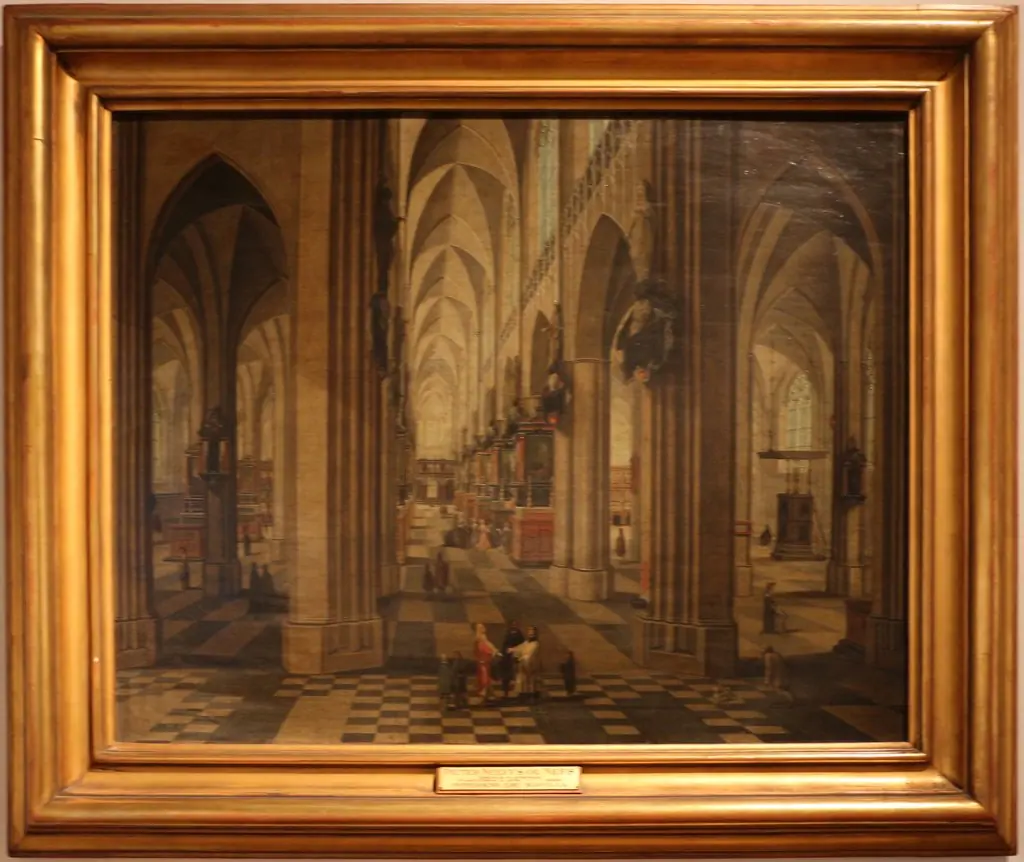 Interior da Catedral de Antuérpia
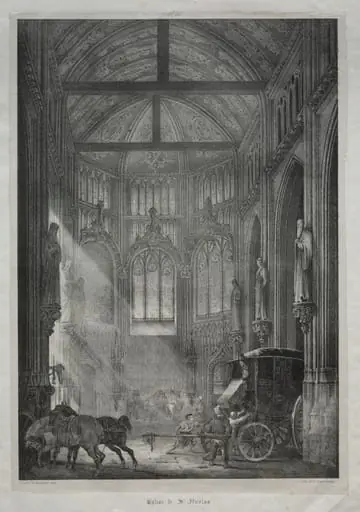 Church of St. Nicholas, Rouen
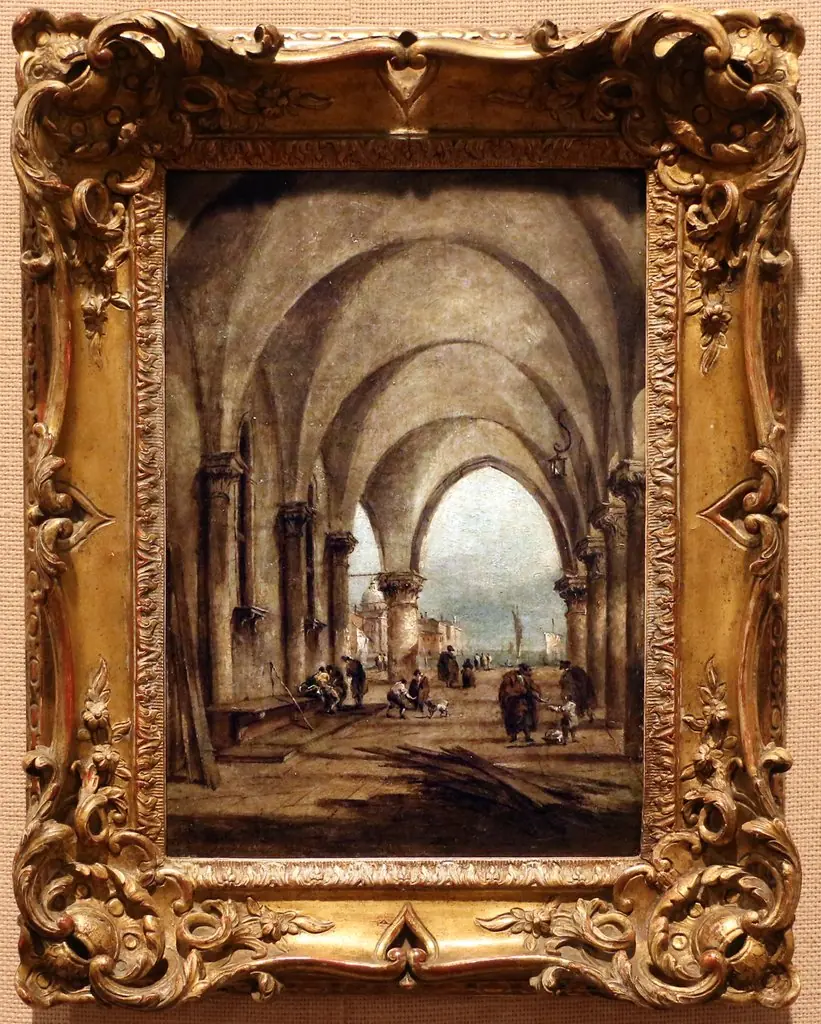 Pórtico com figuras
 Interior from the Church Saint Thibault in Bourgogne