Artwork
The Small Imambara
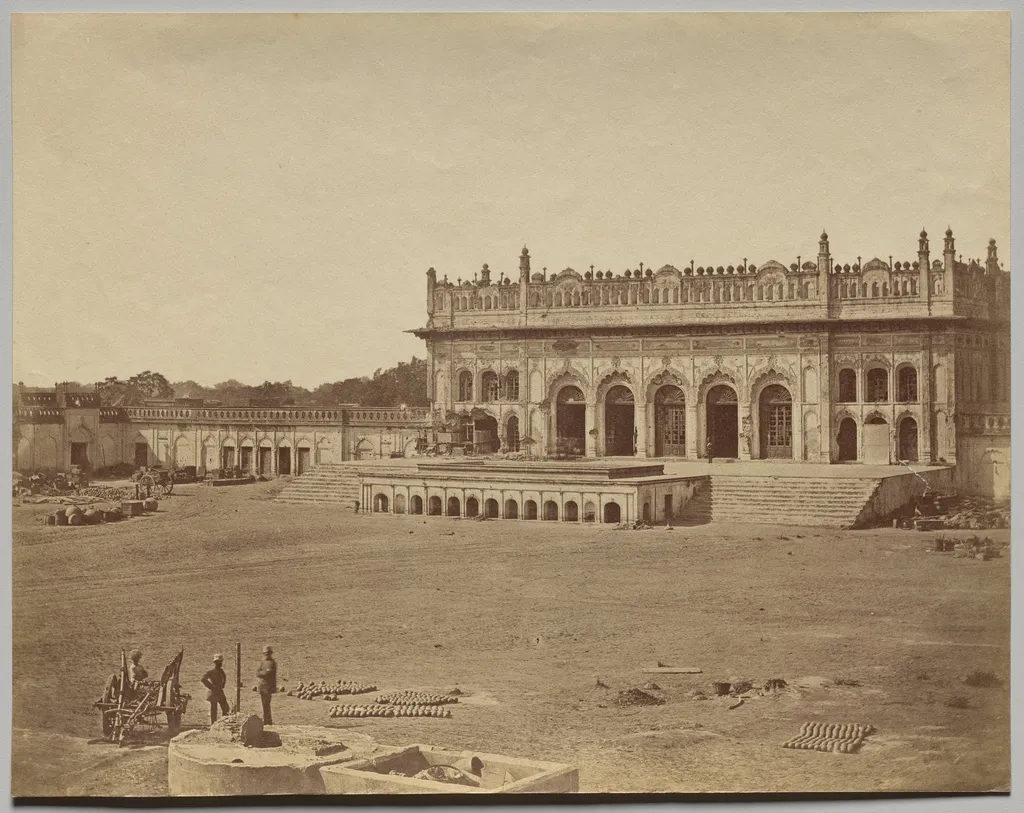
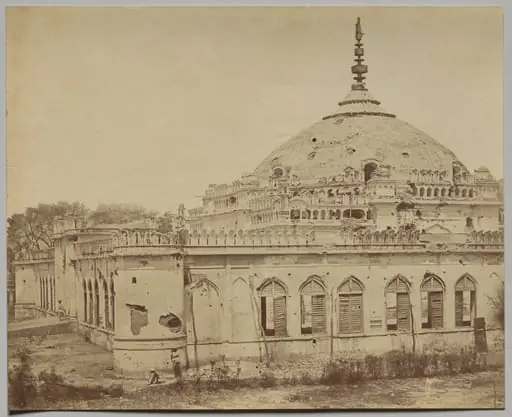
The Small Imambara is a photography by the Impressionist artist Felice A. Beato. It dates from 1858 and is held in the collection of the Cleveland Museum of Art. This 1858 photograph by Felice A.
About this work
This painting shows a quiet street scene in 19th-century England. A few people walk past brick houses with chimneys. A horse stands near a fence.
Beato painted this in 1858. He used a camera-like style, making the scene feel real and almost photographic. The light looks soft and even, like midday.
If you like this style, look up Felice A. Beato (British, 1830–1906).
Overview
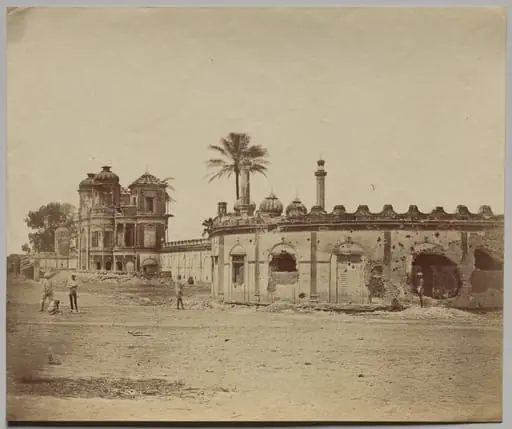
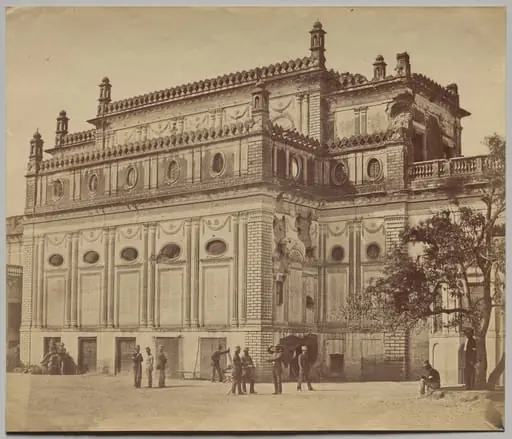
This 1858 photograph by Felice A. Beato depicts an architectural structure known as the Small Imambara. Part of the Cleveland Museum of Art’s collection, the image captures the building’s exterior within an urban setting, reflecting the visual precision characteristic of Beato’s work during the mid-19th century.
Subject & Meaning
The photograph centers on the Small Imambara, a religious and ceremonial complex in Lucknow, India. Beato’s composition emphasizes the structure’s scale and ornamental details, offering insight into its cultural significance. The absence of human activity directs attention to the architecture itself, rather than daily life.
Technique & Style
Beato employed early photographic methods, likely albumen printing from a collodion glass negative, to achieve sharpness and tonal range. The controlled exposure and even lighting suggest a deliberate effort to document the building with clarity, a hallmark of his approach to architectural photography.
History & Provenance
Created in 1858, the photograph dates to Beato’s time in India, where he documented sites following the 1857 uprising. The work entered the Cleveland Museum of Art’s holdings as part of its photography collection, though its earlier ownership history remains unrecorded.
Context
Beato’s image of the Small Imambara reflects the broader 19th-century European interest in documenting colonial territories. His photographs served both as artistic records and as visual evidence of regions undergoing political and social change, particularly in the aftermath of conflict.
Legacy
The photograph contributes to the historical understanding of Lucknow’s architectural heritage and Beato’s role in early photography. As one of the first Western photographers active in India, his work influenced later documentary practices and remains a reference for scholars studying 19th-century visual culture.
Artist & collection
Artist
Felice A. Beato and Felice Antonio Beato are collective signatures used by the brothers Felice Beato and Antonio Beato, who were both pioneering photographers in the 19th century. They were noted for their depictions of…

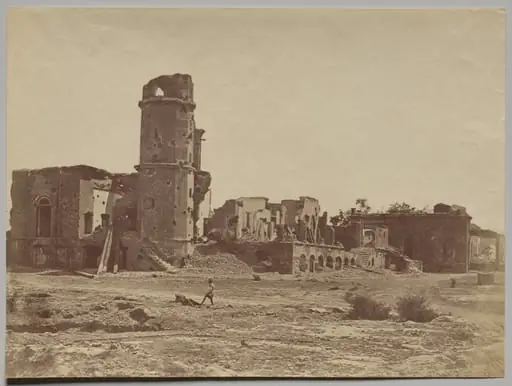 The Residency, Taken from the Redan Battery
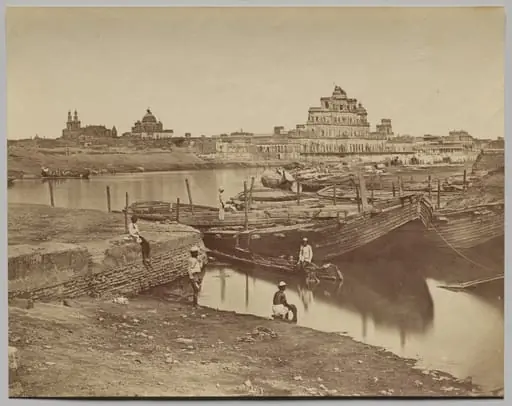 Bridge of Boats over the Gumti River near the Chattar Manzil and Fusseed Bakah or Old Palace
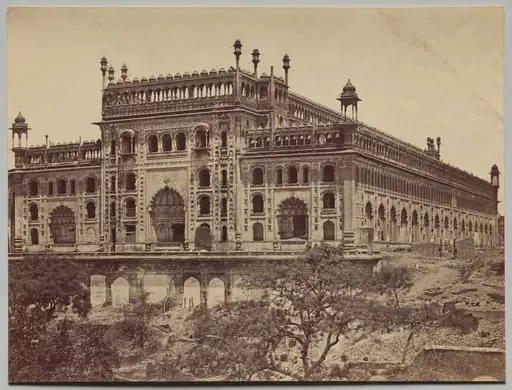 Exterior of Asaf-ud-Daula's Imambara, or Tomb
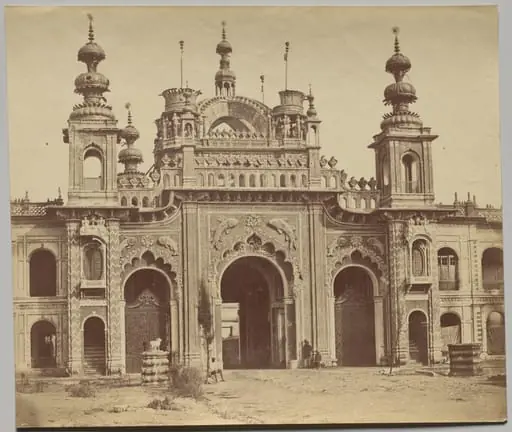 The Great Gateway of the Kasierbagh
 Shah Najaf
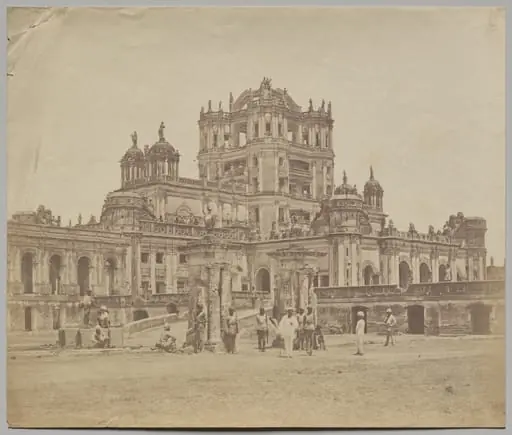 The Martinière College
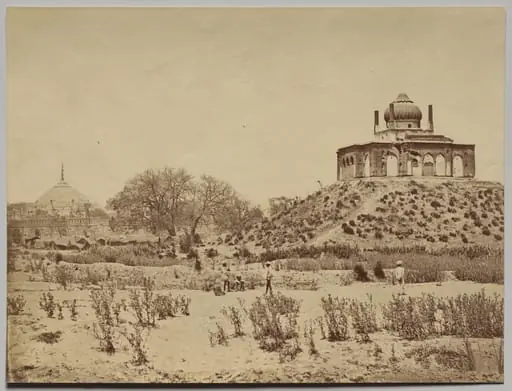 The Kudmsee Russol
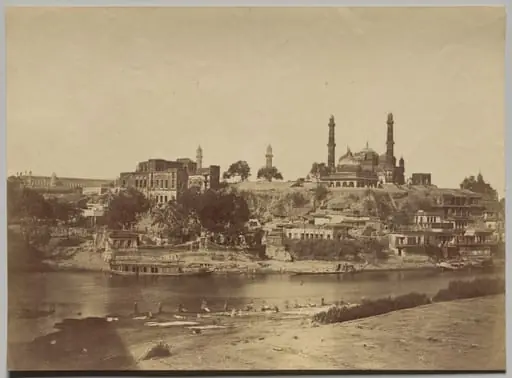 The Muchee Bhawan Fort and the Gomti River Taken from the Stone Bridge