Artwork
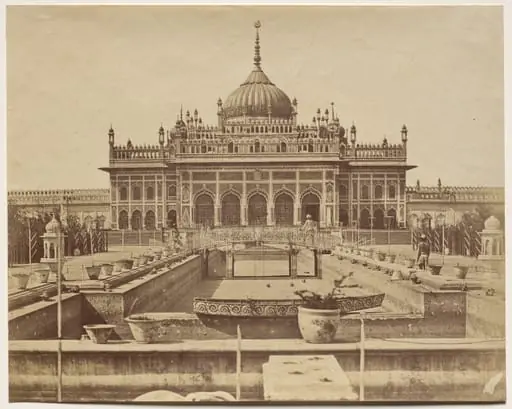
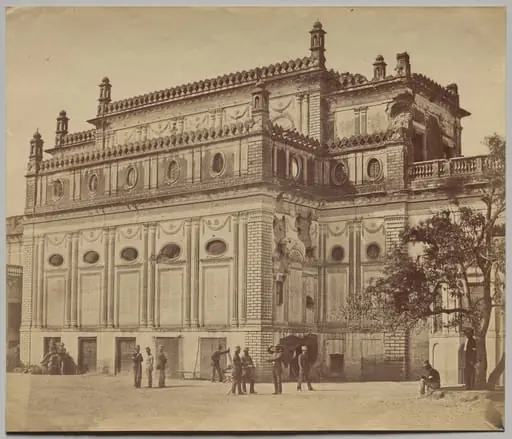
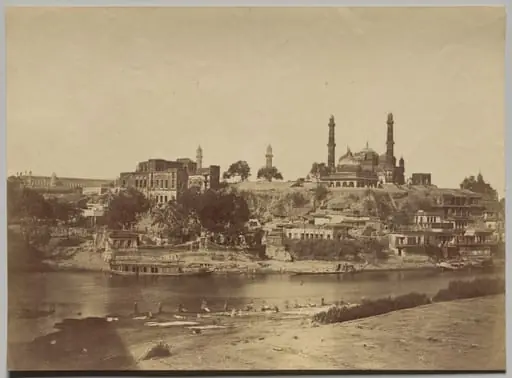
Exterior of Asaf-ud-Daula's Imambara, or Tomb
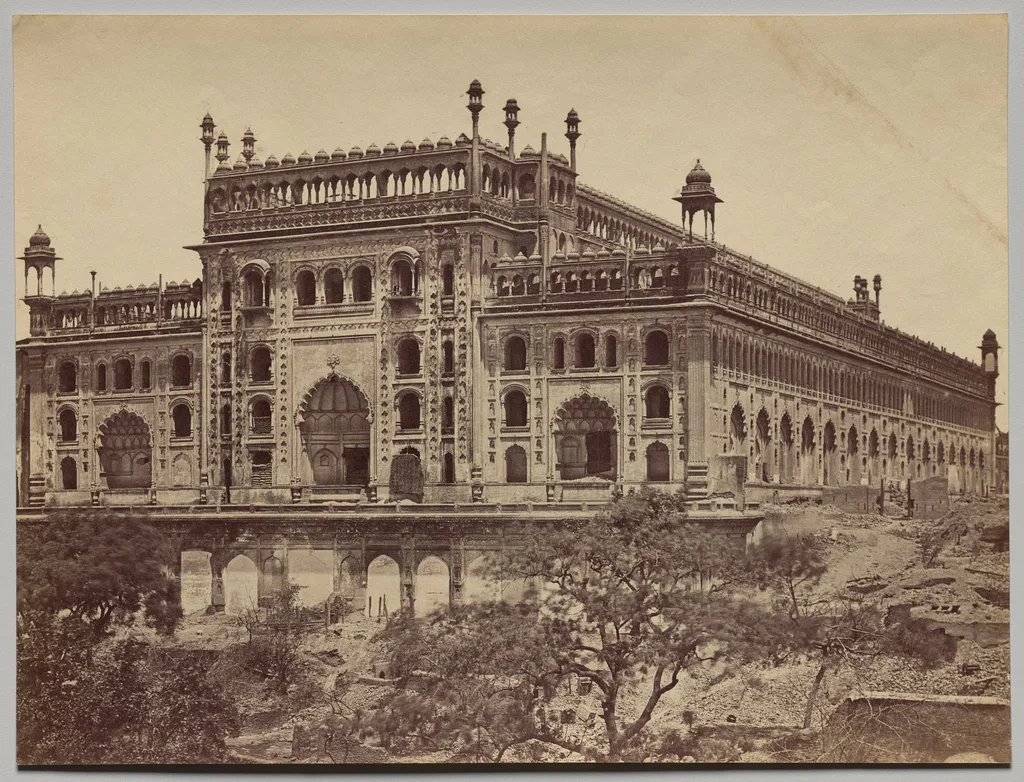
Exterior of Asaf-ud-Daula's Imambara, or Tomb is a photography by the Impressionist artist Felice A. Beato. It dates from 1858 and is held in the collection of the Cleveland Museum of Art. This photograph, taken by Felice A.
About this work
Overview
As one of the earliest photographic records of the structure, it documents the building’s architectural presence shortly after the Indian Rebellion of 1857.
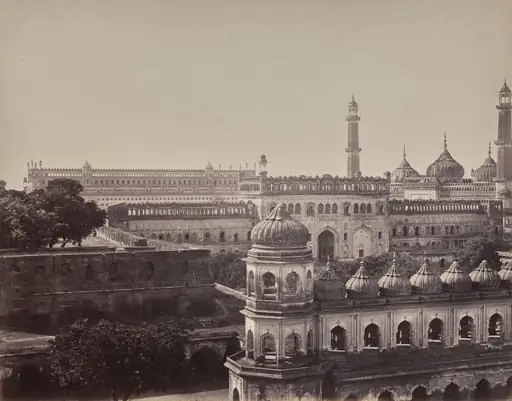
This photograph, taken by Felice A. Beato in 1858, captures the exterior of the Imambara built by Asaf-ud-Daula in Lucknow. As one of the earliest photographic records of the structure, it documents the building’s architectural presence shortly after the Indian Rebellion of 1857. The image is part of the collection at The Cleveland Museum of Art, preserved as a historical record of colonial-era South Asia.
Subject & Meaning
The Imambara served as a Shia religious complex and charitable institution, commissioned by the Nawab of Awadh to provide employment during famine. Beato’s photograph emphasizes its monumental scale and ornate façade, reflecting both spiritual function and political assertion. The image conveys the building’s role as a symbol of regional identity amid British colonial expansion.
Technique & Style
Beato employed the wet-plate collodion process, capturing fine detail in the building’s arches, domes, and decorative tilework. The composition is formal and centered, with careful attention to light and shadow to highlight architectural texture. The photograph’s clarity and structure reflect early documentary intent rather than artistic embellishment.
History & Provenance
Taken during Beato’s tour of northern India following the 1857 uprising, the photograph likely served as both record and evidence of British presence in the region. It entered the Cleveland Museum of Art’s collection through later acquisitions of 19th-century photographic archives, valued for its historical documentation rather than aesthetic novelty.
Context
The Imambara was constructed between 1784 and 1791 as a public works project during a severe famine. By 1858, it stood as one of Lucknow’s most prominent landmarks, surviving the conflict that devastated the city. Beato’s image captures the structure in a moment of transition, between Mughal-era patronage and colonial reorganization.
Legacy
Beato’s photograph remains a key visual source for understanding the architectural heritage of Awadh. It contributes to scholarly studies on colonial photography and the representation of Islamic monuments in British India. The image continues to inform conservation efforts and historical interpretations of the Imambara’s physical and cultural significance.
Artist & collection
Artist
Felice A. Beato and Felice Antonio Beato are collective signatures used by the brothers Felice Beato and Antonio Beato, who were both pioneering photographers in the 19th century. They were noted for their depictions of…

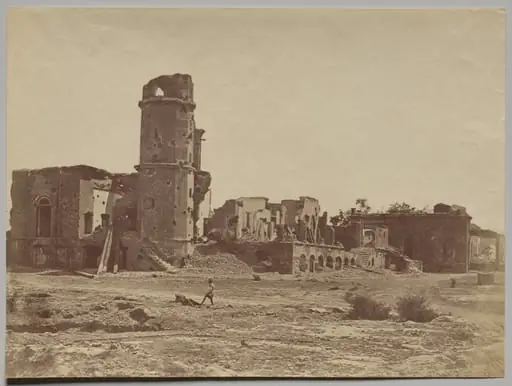 The Residency, Taken from the Redan Battery
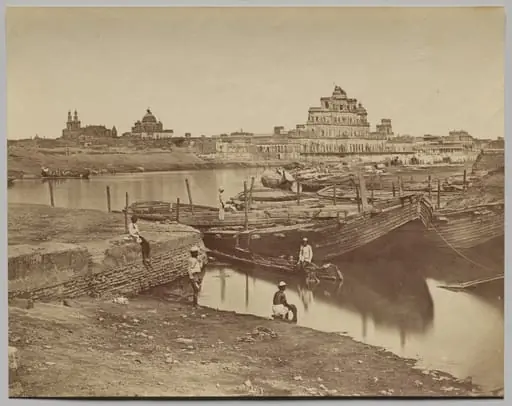 Bridge of Boats over the Gumti River near the Chattar Manzil and Fusseed Bakah or Old Palace
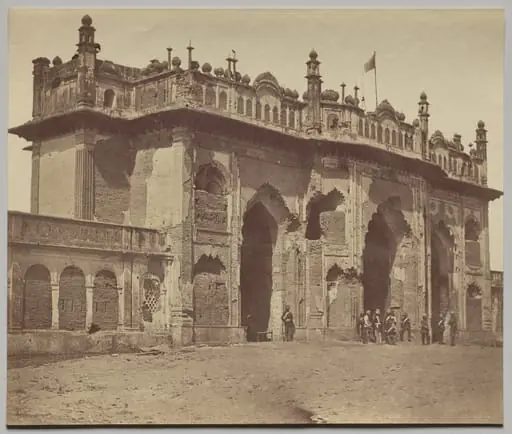
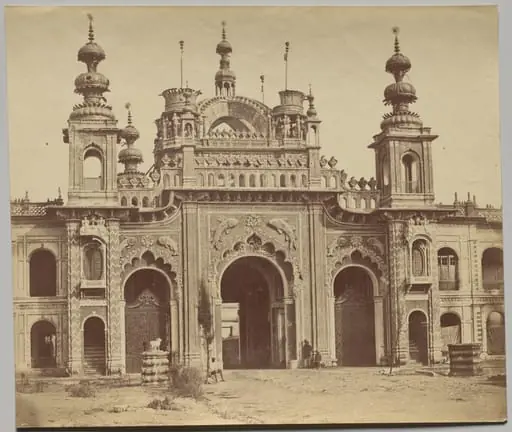 The Great Gateway of the Kasierbagh
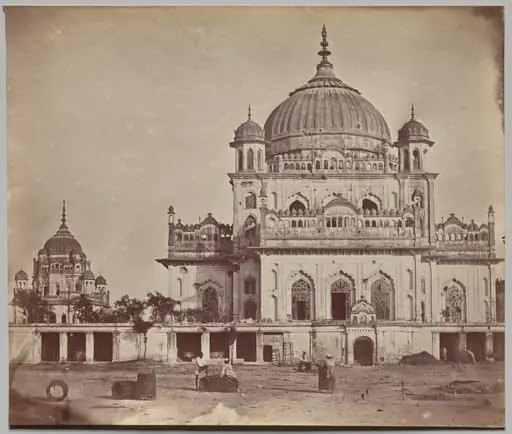
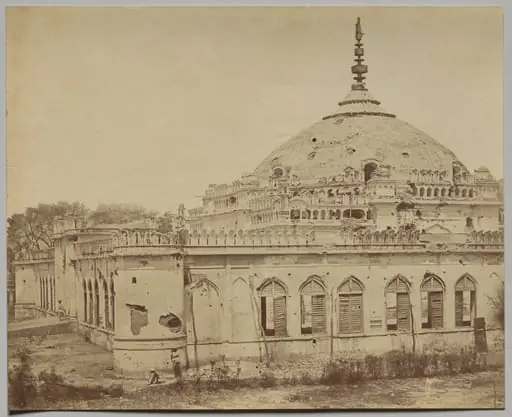 Shah Najaf
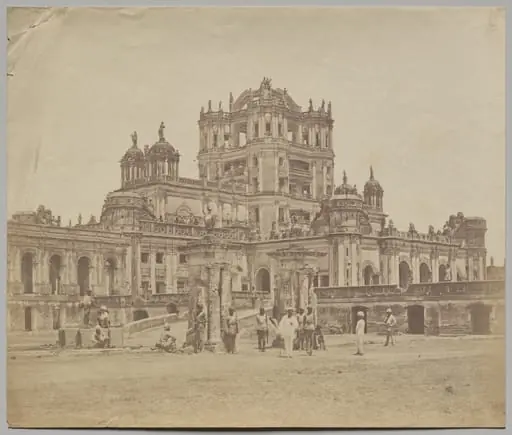 The Martinière College
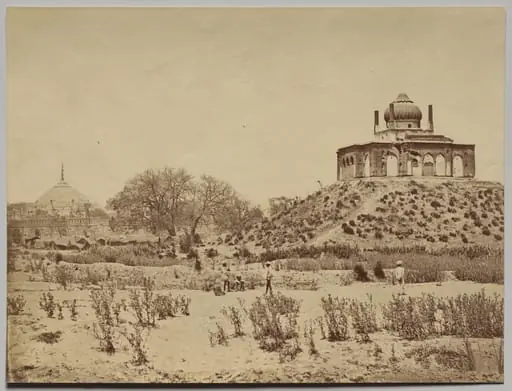 The Kudmsee Russol
 The Muchee Bhawan Fort and the Gomti River Taken from the Stone Bridge
 Japanese Temple Graveyard, Shuntoji, Nagasaki