Artwork
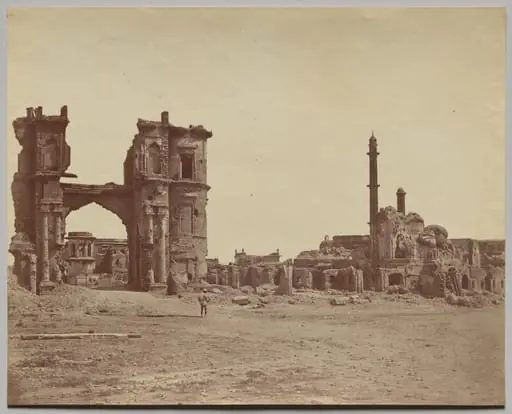
Bailee Guard Gate, Taken from the Inside, Showing the Clock Tower
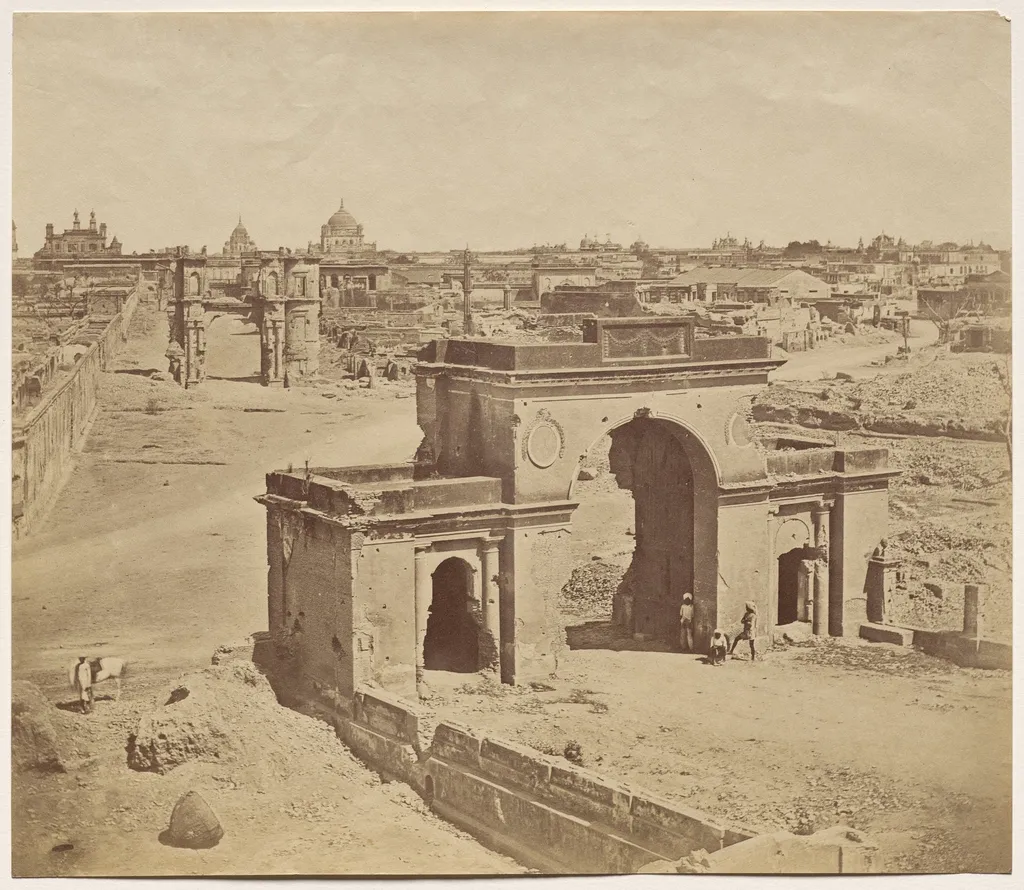
Bailee Guard Gate, Taken from the Inside, Showing the Clock Tower is a photography by the Impressionist artist Felice A. Beato. It dates from 1858 and is held in the collection of the Cleveland Museum of Art. This photograph, taken by Felice A.
About this work
The photo was taken in 1858, capturing decay up close while showing a bustling city in the background.
This photo shows a ruined stone gate with broken walls and arches. Two people stand inside, looking small against the crumbling stone. Beyond the gate, a distant city skyline appears, with domes and spires rising above flat rooftops.
The photo was taken in 1858, capturing decay up close while showing a bustling city in the background. The artist used a new photography technique to record the scene exactly as it was.
Next, check out Felice A. Beato (British, 1830–1906) to see more of his early photos.
Overview
This photograph, taken by Felice A. Beato in 1858, captures the interior of a ruined stone gate structure with a clock tower visible in the distance. The image is part of a series documenting sites in the aftermath of conflict, likely in the Indian subcontinent. Beato’s use of the wet plate collodion process allowed for precise, detailed recordings of architectural decay and spatial relationships, making this one of the earliest photographic records of such scenes.
Subject & Meaning
The image presents a contrast between human scale and monumental ruin. Two figures stand within the broken archway, their small presence emphasizing the scale of decay. Beyond the gate, the distant city skyline suggests continuity and resilience. The photograph does not idealize the scene but instead documents the physical aftermath of violence, offering a quiet commentary on impermanence and the persistence of urban life.
Technique & Style
Beato employed the wet plate collodion process, a technically demanding method requiring on-site preparation and development. This technique produced sharp tonal contrasts and fine detail, ideal for architectural subjects. The composition is carefully framed to balance foreground ruin with background urban activity, avoiding dramatic staging. The image’s clarity and neutrality reflect the documentary aims of early photographic practice.
History & Provenance
Created during Beato’s travels in South Asia following the Indian Rebellion of 1857, the photograph was likely made in or near Delhi or Lucknow. It entered The Cleveland Museum of Art’s collection as part of a broader acquisition of 19th-century photographic works documenting colonial encounters. The image’s provenance aligns with Beato’s role as a commercial and documentary photographer in the region during the late 1850s.
Context
Beato’s work emerged during a period when photography was increasingly used to record sites of political upheaval and cultural transformation. This image reflects the British colonial interest in documenting the physical consequences of conflict. Unlike painted panoramas, photographs like this one were perceived as objective records, lending authority to visual narratives of empire and decay.
Legacy
Beato’s photographs from this era helped establish photography as a tool for historical documentation in colonial contexts. This image, among others, contributed to a visual archive of post-conflict landscapes that influenced later ethnographic and architectural studies. Its preservation in major institutions underscores its significance as an early example of documentary photography in Asia.
Artist & collection
Artist
Felice A. Beato and Felice Antonio Beato are collective signatures used by the brothers Felice Beato and Antonio Beato, who were both pioneering photographers in the 19th century. They were noted for their depictions of…

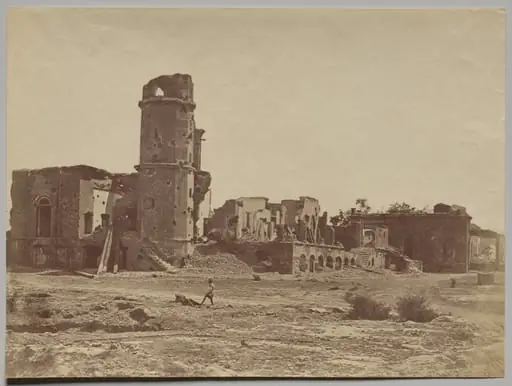 The Residency, Taken from the Redan Battery
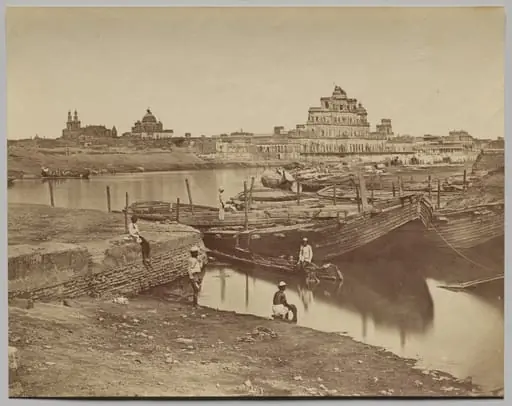 Bridge of Boats over the Gumti River near the Chattar Manzil and Fusseed Bakah or Old Palace
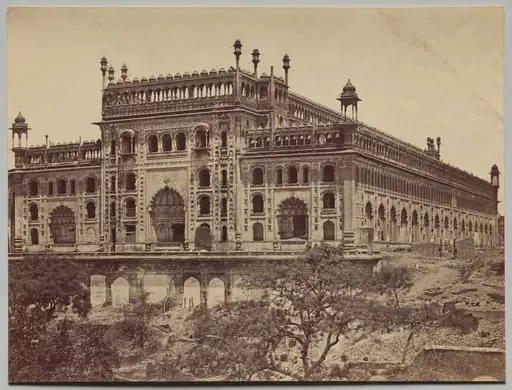 Exterior of Asaf-ud-Daula's Imambara, or Tomb
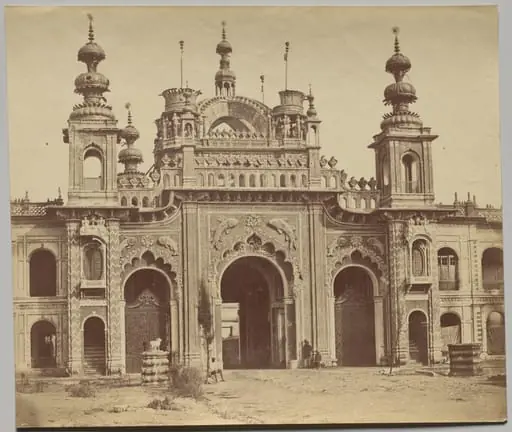 The Great Gateway of the Kasierbagh
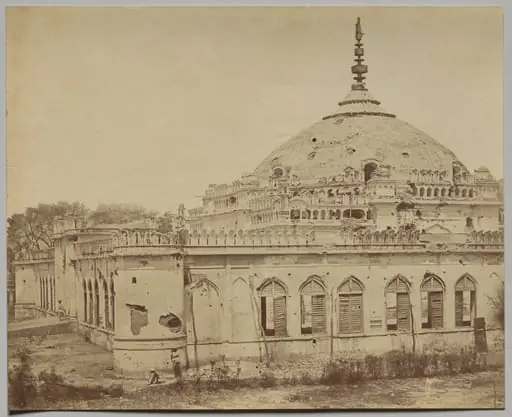 Shah Najaf
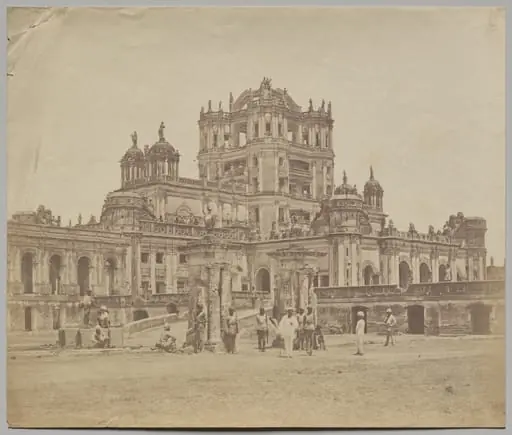 The Martinière College
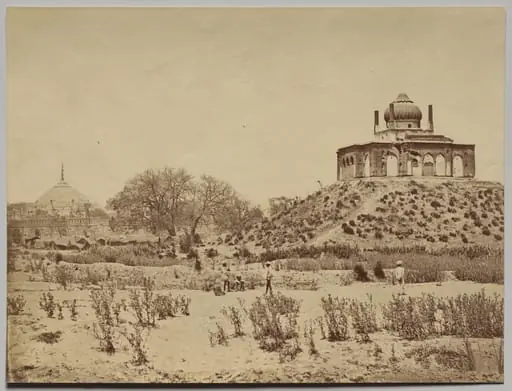 The Kudmsee Russol
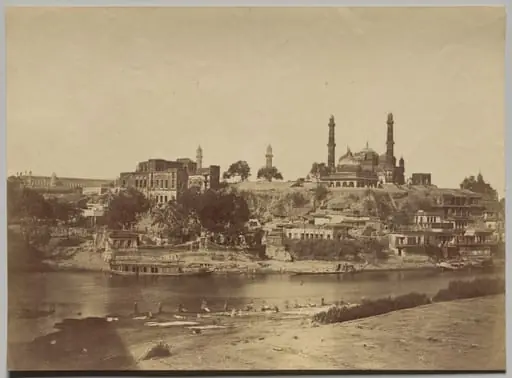 The Muchee Bhawan Fort and the Gomti River Taken from the Stone Bridge
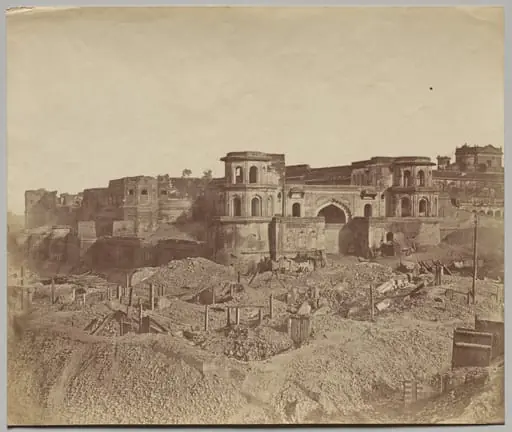 The Mucha Bawn, or the Old Citadel of Lucknow
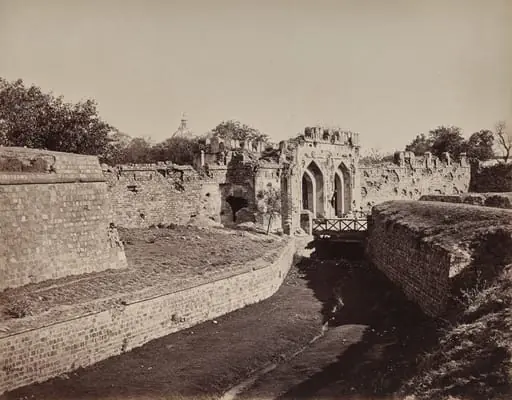 Delhi. The Kashmire Gate. The Scene of Some Very Hard Fighting in 1857
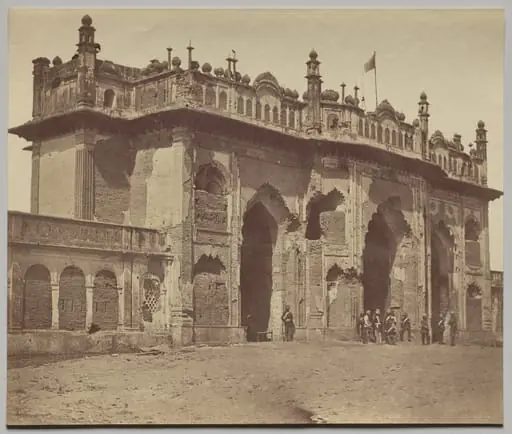 Gateway of the Small Emambara
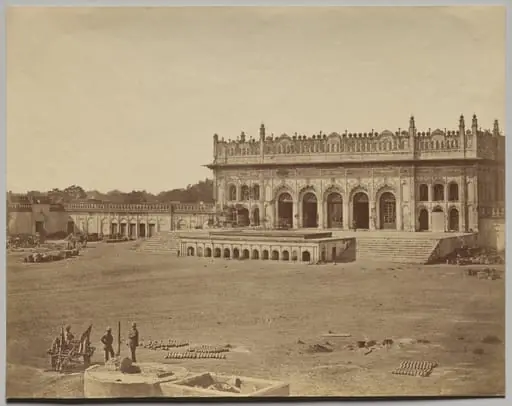 The Small Imambara
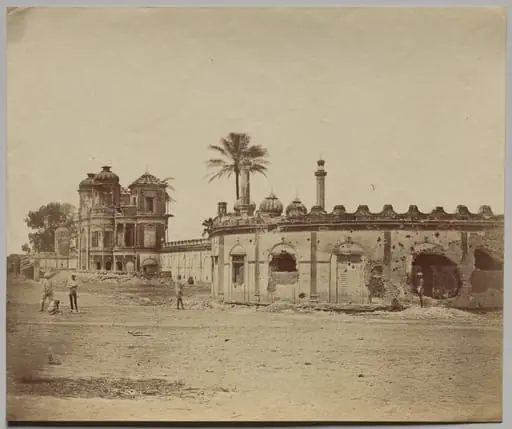 The Secundra Bagh, Showing the Breach and Gateway
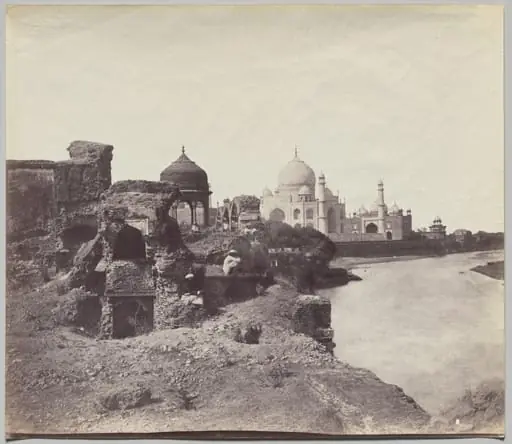 The Taj Mahal
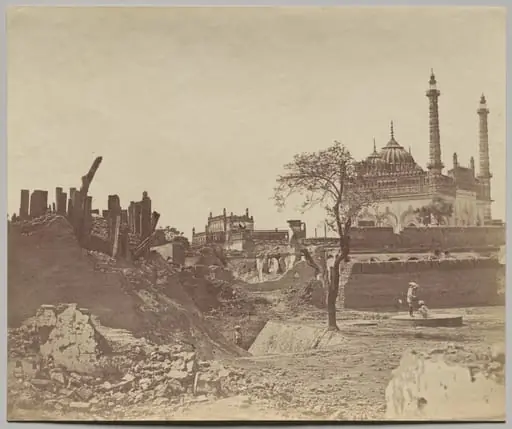 Battery Near the Begum Kotie
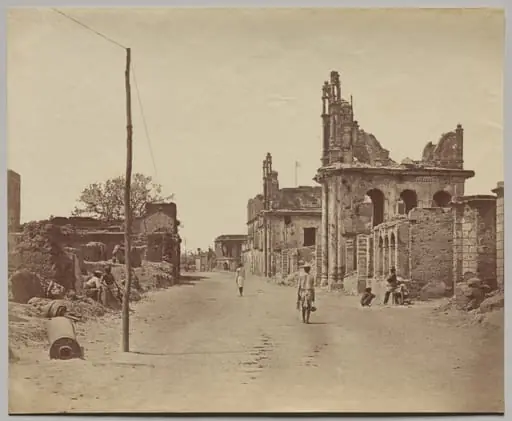 The Cawnpore Road in Lucknow
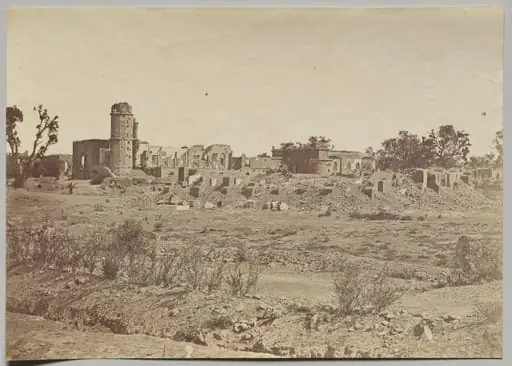 The Churchyard and Residency in the Distance
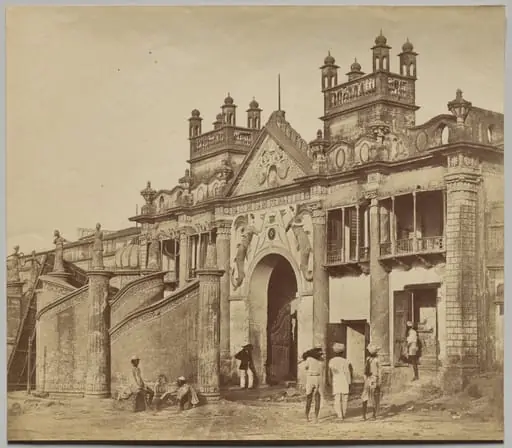 Gateway Leading into the Kaiserbagh
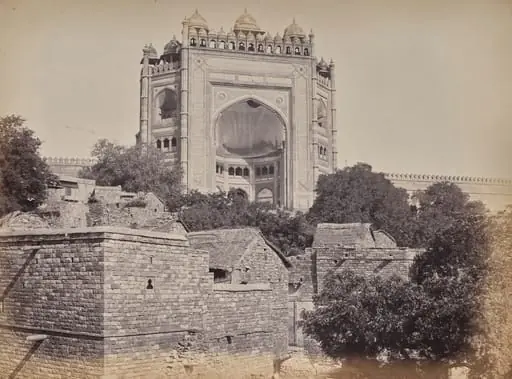 Futheypoor Sikre Guard Gate of the Fort
 The Clock Tower in Front of the Bailee Guard Gate