Artwork
The Martinière College
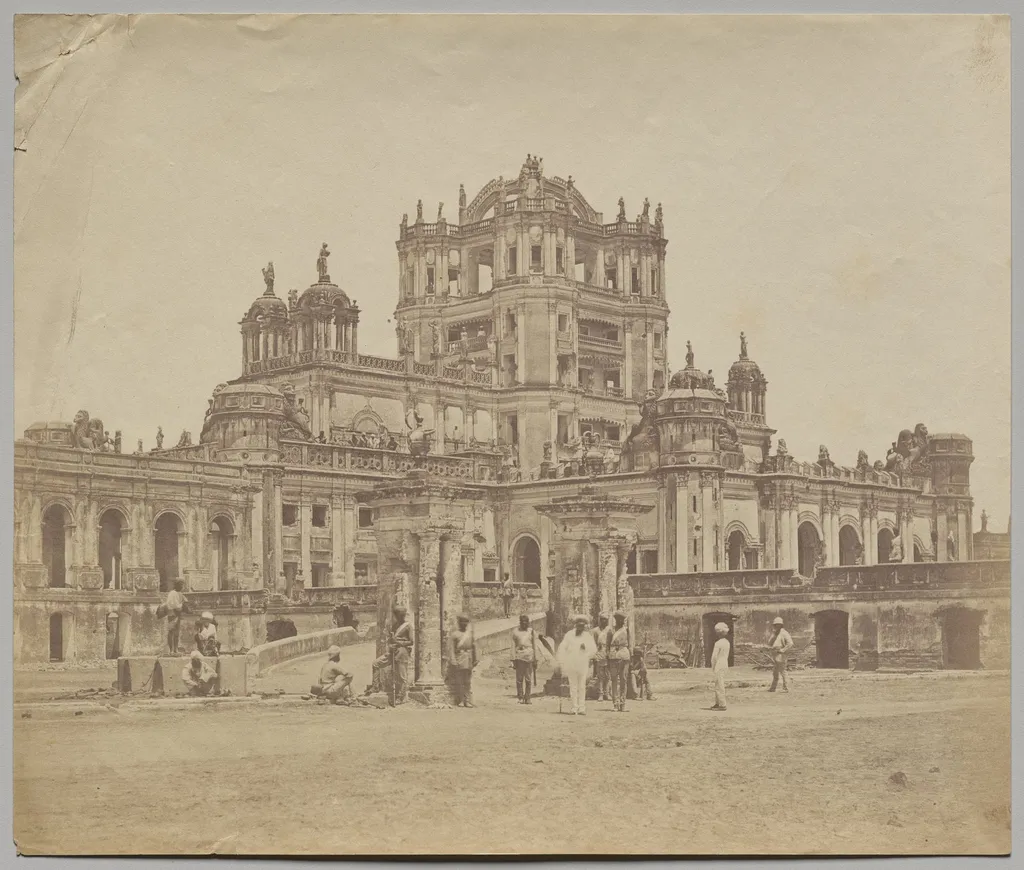
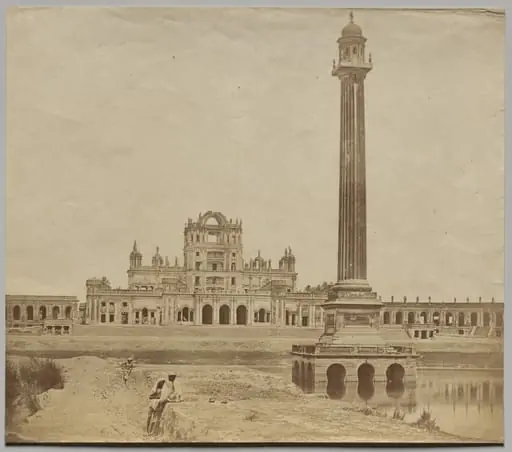
The Martinière College is a photography by the Impressionist artist Felice A. Beato. It dates from 1858 and is held in the collection of the Cleveland Museum of Art.
About this work
Overview
It is now part of the collection at The Cleveland Museum of Art, where it serves as a visual record of institutional architecture in colonial India.
Taken in 1858, this photograph captures the Martinière College in Lucknow, India, during the early years of British colonial presence. The image was made by Felice A. Beato, an Italian-born photographer active in Asia during the mid-nineteenth century. It is now part of the collection at The Cleveland Museum of Art, where it serves as a visual record of institutional architecture in colonial India.
Subject & Meaning
The Martinière College was a Catholic educational institution founded by French missionaries. Beato’s photograph presents the building’s neoclassical façade with formal precision, emphasizing its role as a symbol of Western institutional authority. The image conveys neither human activity nor immediate context, focusing instead on the structure as a static emblem of cultural imposition and educational ambition under colonial rule.
Technique & Style
Beato employed the wet-plate collodion process, which required on-site preparation of glass plates and rapid exposure. The resulting image exhibits sharp architectural detail and tonal contrast, typical of his method. The composition is balanced and frontal, avoiding dramatic angles or embellishment, reflecting the documentary aims common in early photographic practice in colonial territories.
History & Provenance
The photograph was made shortly after the Indian Rebellion of 1857, during which Lucknow was a major site of conflict. Beato arrived in India in 1858 to document the aftermath of the uprising, and the Martinière College, though spared destruction, stood as a surviving institution of foreign influence. The image entered the Cleveland Museum of Art’s collection through later acquisitions of Beato’s photographic archive.
Context
In 1858, British control over India was being restructured after the rebellion, and photography became a tool for recording both destruction and continuity. Beato’s images of buildings like the Martinière College contributed to a visual catalog of colonial infrastructure, reinforcing narratives of stability and order amid political upheaval. The college itself, though French in origin, operated under British oversight by this time.
Legacy
Beato’s photograph of the Martinière College remains one of the earliest visual records of the institution. It provides scholars with evidence of architectural adaptation in colonial India and illustrates how photography was used to document cultural institutions during a period of imperial transformation. The image continues to inform historical studies of education, religion, and colonial presence in South Asia.
Artist & collection
Artist
Felice A. Beato and Felice Antonio Beato are collective signatures used by the brothers Felice Beato and Antonio Beato, who were both pioneering photographers in the 19th century. They were noted for their depictions of…

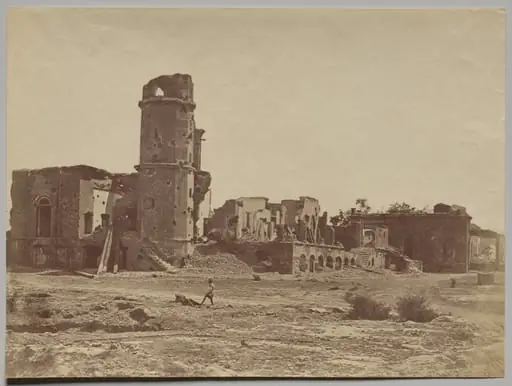 The Residency, Taken from the Redan Battery
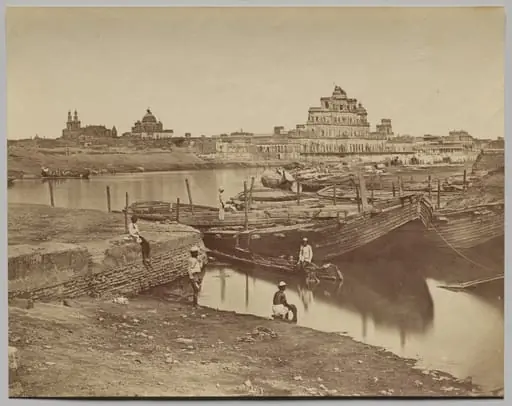 Bridge of Boats over the Gumti River near the Chattar Manzil and Fusseed Bakah or Old Palace
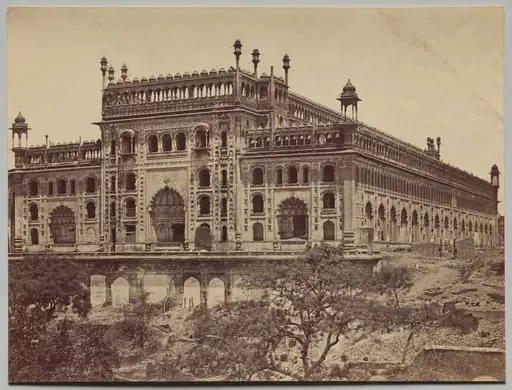 Exterior of Asaf-ud-Daula's Imambara, or Tomb
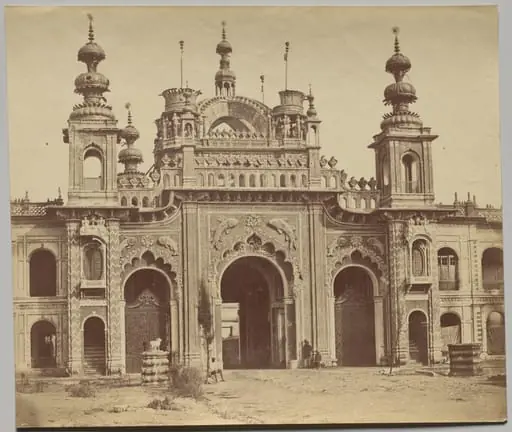 The Great Gateway of the Kasierbagh
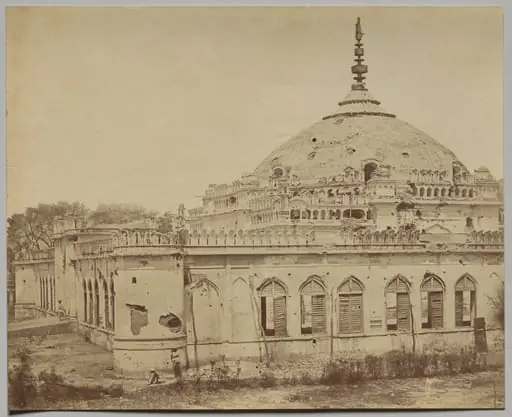 Shah Najaf
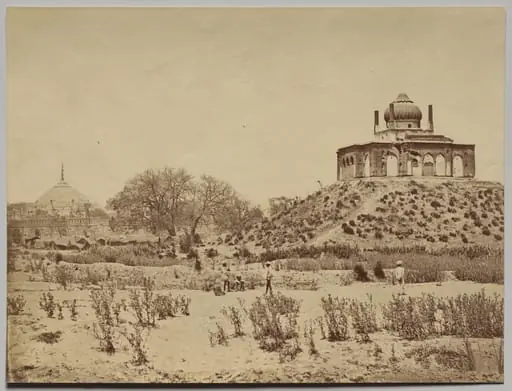 The Kudmsee Russol
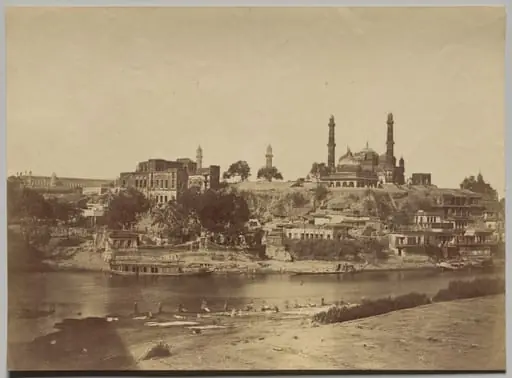 The Muchee Bhawan Fort and the Gomti River Taken from the Stone Bridge
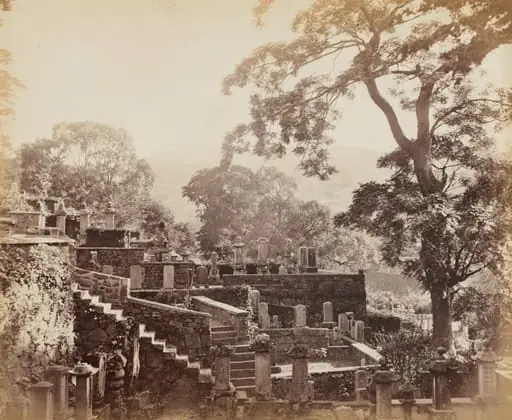 Japanese Temple Graveyard, Shuntoji, Nagasaki
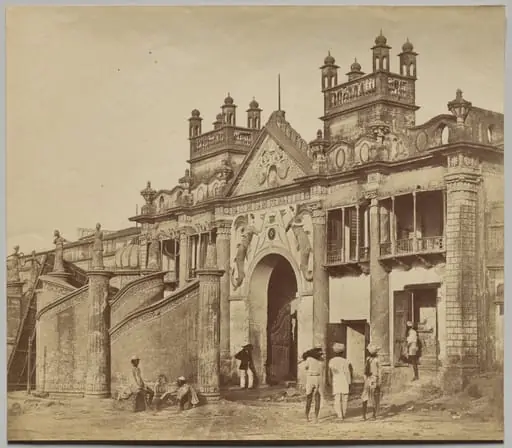 Gateway Leading into the Kaiserbagh
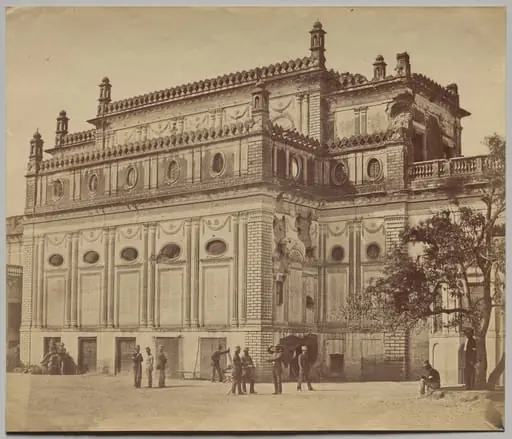 The Begum Kotie
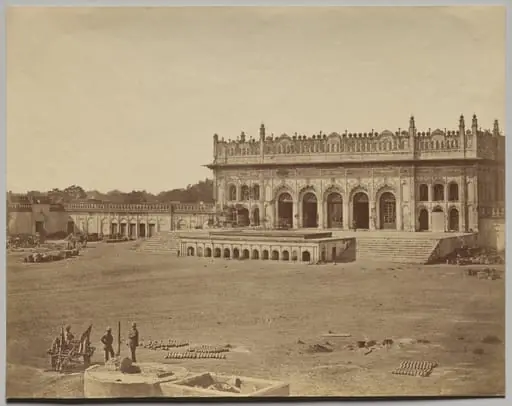 The Small Imambara
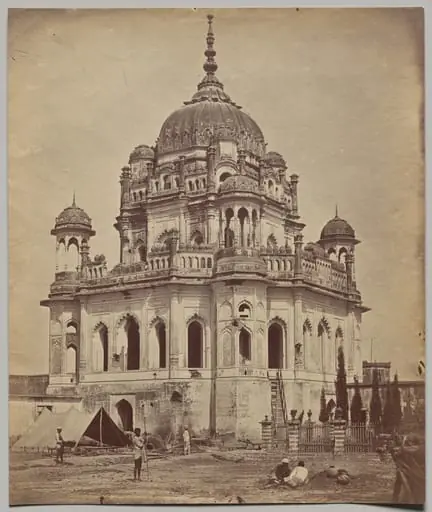 The Tomb of Saadat Ali in the Kaiserbagh Palace
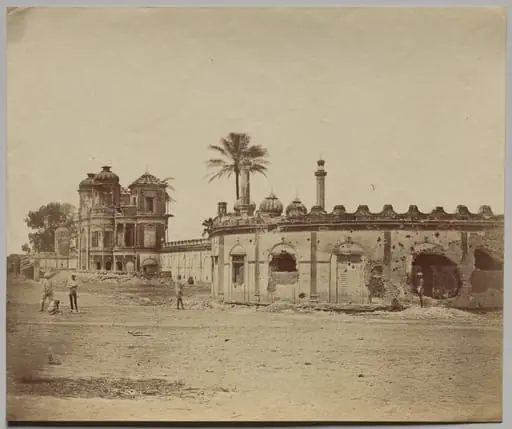 The Secundra Bagh, Showing the Breach and Gateway
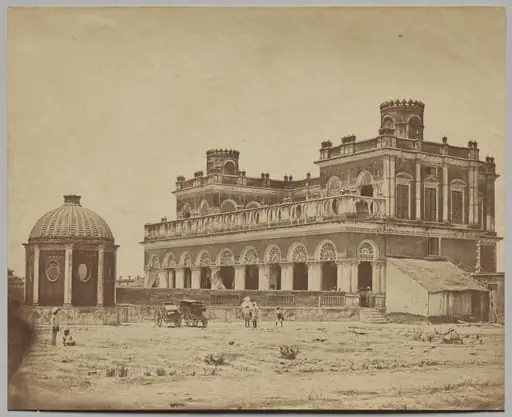 The Musabagh
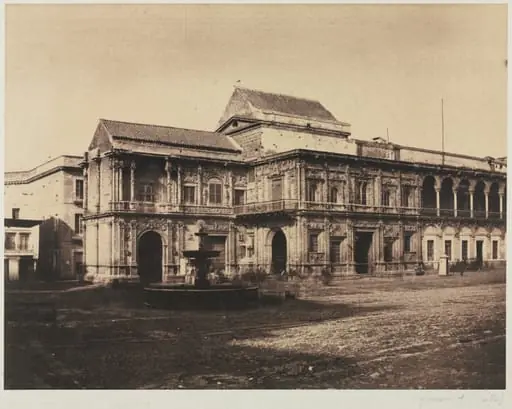 Townhall, Seville
 Gateway of the Small Emambara
 King's Palace
 Bailee Guard Gate, Taken from the Inside, Showing the Clock Tower
 The Martinière School