Artwork
The Great Gateway of the Kasierbagh
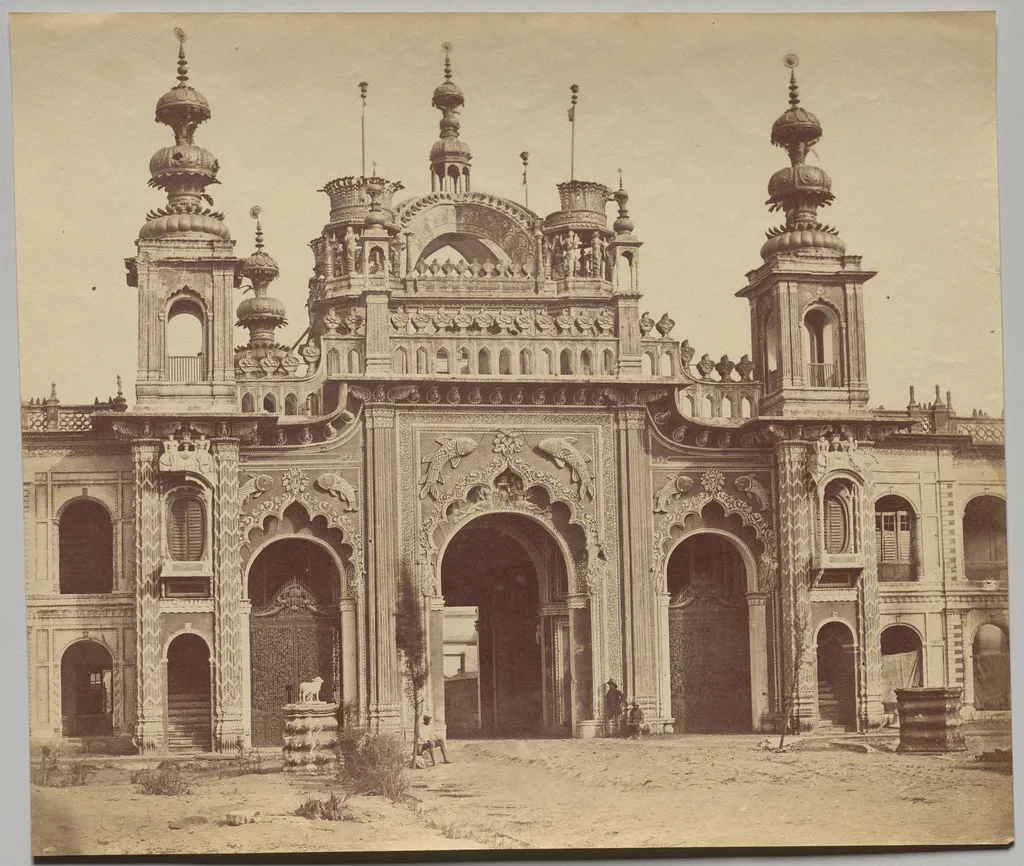
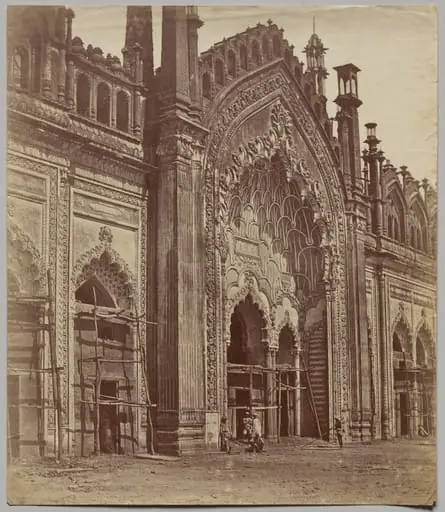
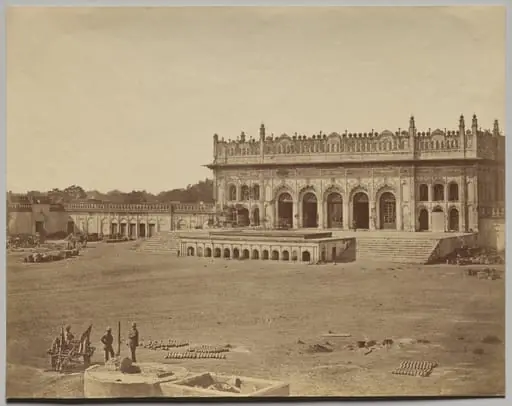
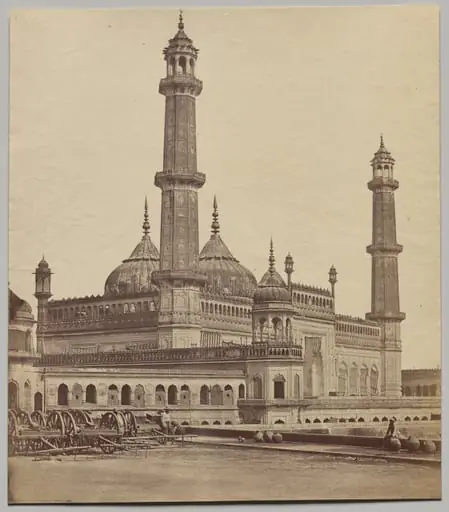
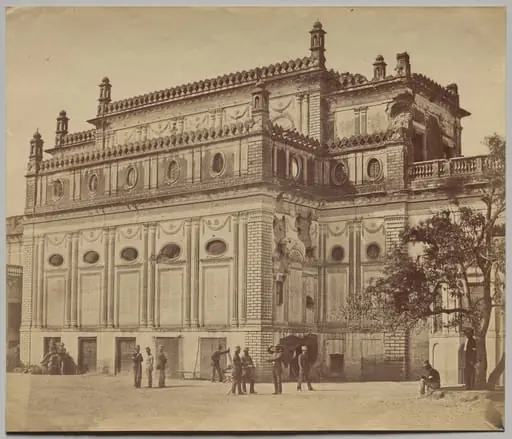
The Great Gateway of the Kasierbagh is a photography by the Impressionist artist Felice A. Beato. It dates from 1858 and is held in the collection of the Cleveland Museum of Art.
About this work
The Great Gateway of the Kasierbagh is a work by Felice A. Beato from 1858.
This work is interesting because it was created during a time when photography and painting were both being used to document scenes. Felice A. Beato was known for his photographs, but he also created other types of art.
You can learn more about this type of art by looking into the movement of Realism.
Overview
The image captures the monumental entrance of the Kasierbagh complex, presenting a clear, documentary view of the architecture.
The photograph titled The Great Gateway of the Kasierbagh was produced by the Italian‑British photographer Felice A. Beato in 1858. The image captures the monumental entrance of the Kasierbagh complex, presenting a clear, documentary view of the architecture. The work is part of the permanent collection of the Cleveland Museum of Art, where it is displayed as an example of mid‑nineteenth‑century photographic practice.
Subject & Meaning
The composition records the imposing gateway that served as the principal access point to the Kasierbagh, a historic site whose precise location is linked to the Ottoman period. By framing the structure against a bright sky, Beato emphasizes its scale and decorative details, offering viewers a visual record that functions both as a travelogue and as a study of architectural form.
Technique & Style
Taken with a wet‑collodion glass plate camera, the image exhibits the sharp tonal range characteristic of early photographic realism. Beato’s careful exposure captures fine stonework and the play of light across the arches, while the relatively static perspective reflects the documentary intent common among photographers who sought to present unembellished, factual representations of distant locales.
History & Provenance
After its creation in 1858, the photograph entered the market for exotic images that circulated in Europe and America, catering to public curiosity about the East. It was later acquired by the Cleveland Museum of Art, where it has remained in the museum’s photography collection, providing scholars with a primary visual source for studies of 19th‑century architecture and travel photography.
Context
Beato worked during a period when photography was emerging as a parallel medium to painting for recording distant scenes. His output aligns with the broader Realist movement, which favored accurate, unidealized depictions of reality. The Great Gateway of the Kasierbagh thus exemplifies how photographers contributed to the era’s visual documentation of cultural and architectural heritage.
Artist & collection
Artist
Felice A. Beato and Felice Antonio Beato are collective signatures used by the brothers Felice Beato and Antonio Beato, who were both pioneering photographers in the 19th century. They were noted for their depictions of…

 The Residency, Taken from the Redan Battery
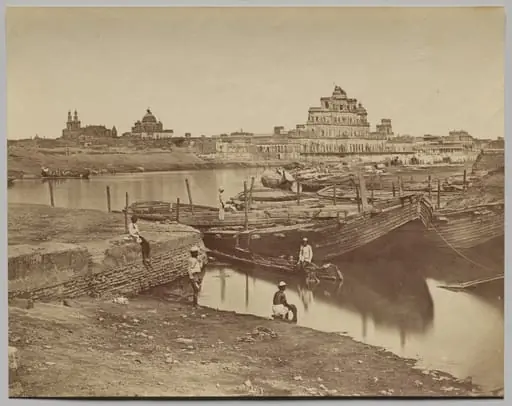 Bridge of Boats over the Gumti River near the Chattar Manzil and Fusseed Bakah or Old Palace
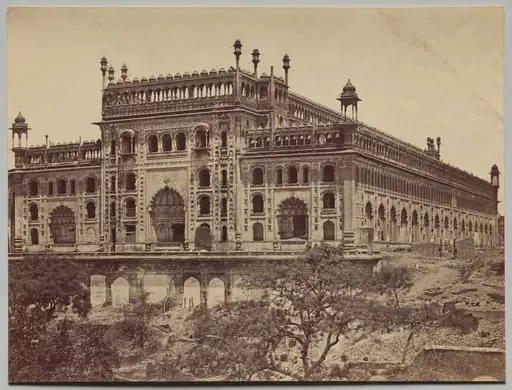 Exterior of Asaf-ud-Daula's Imambara, or Tomb
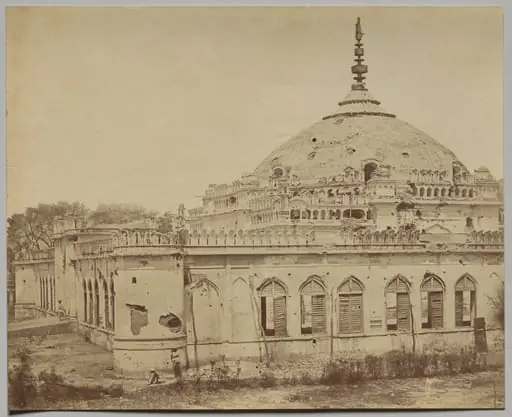 Shah Najaf
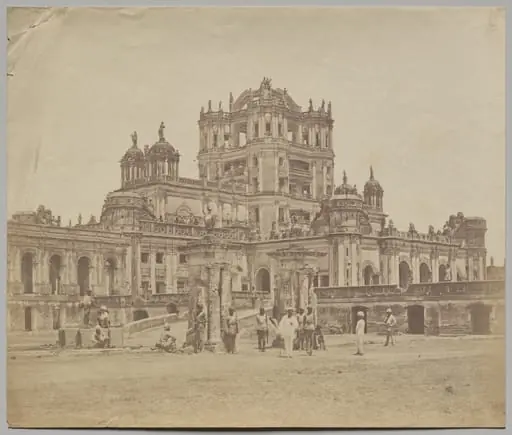 The Martinière College
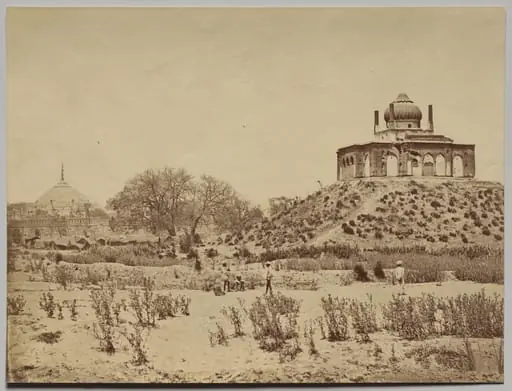 The Kudmsee Russol
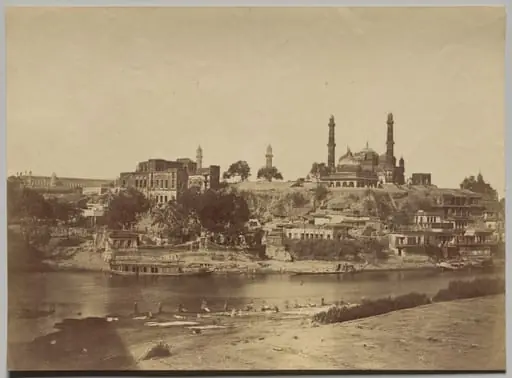 The Muchee Bhawan Fort and the Gomti River Taken from the Stone Bridge
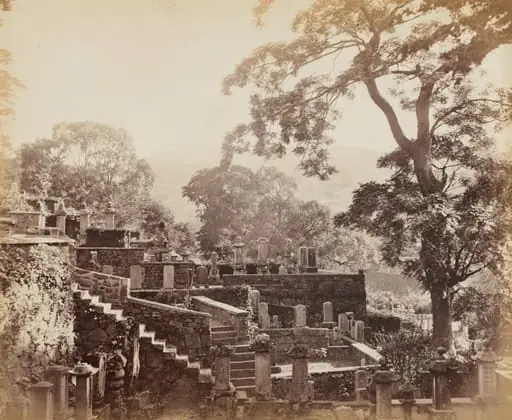 Japanese Temple Graveyard, Shuntoji, Nagasaki