Artwork
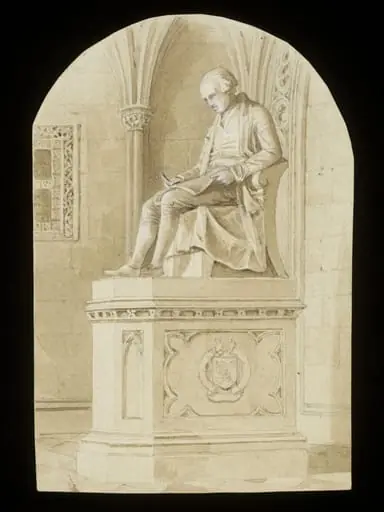
Sculpture of George Frederick Handel, Poets' Corner, Westminster Abbey
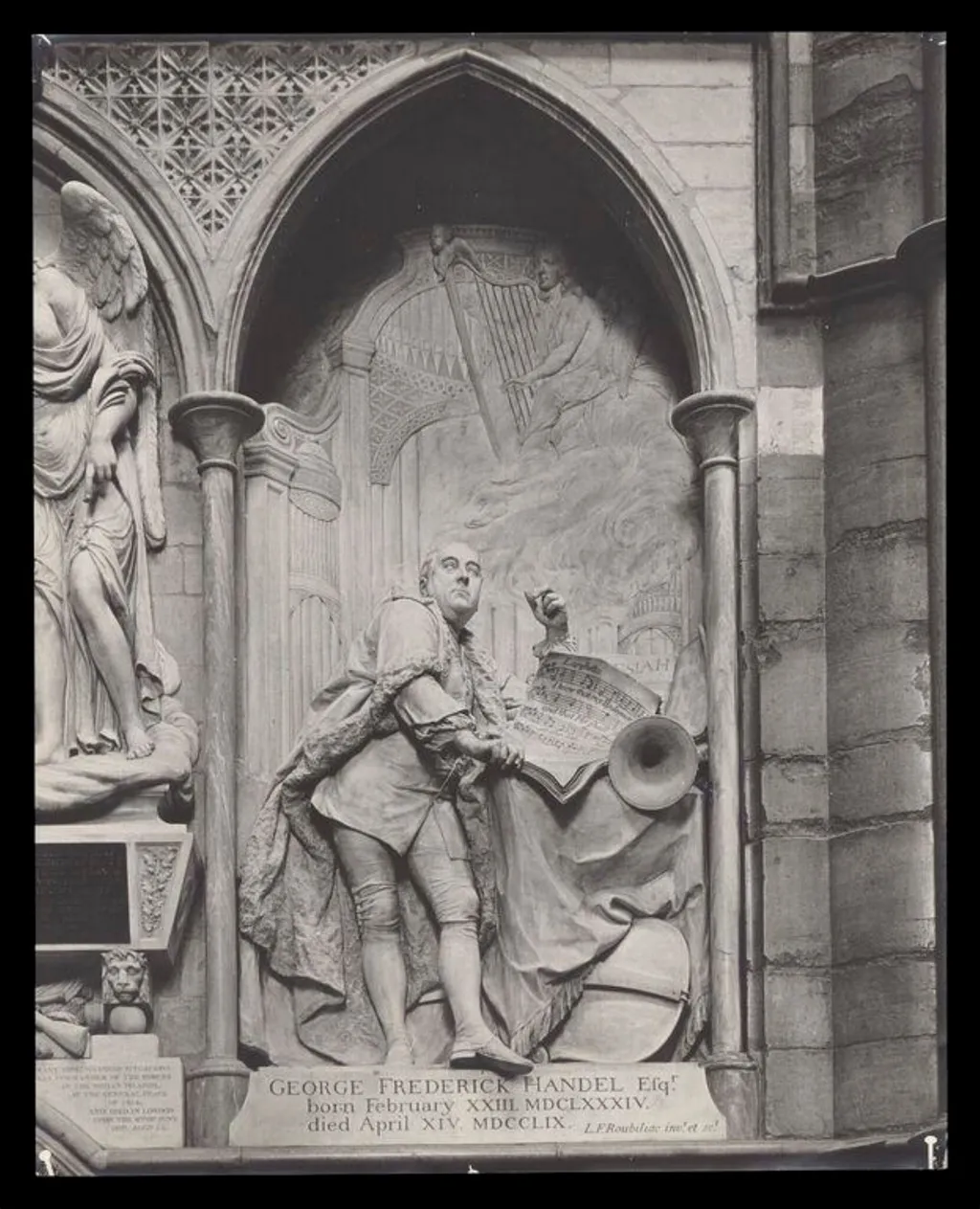
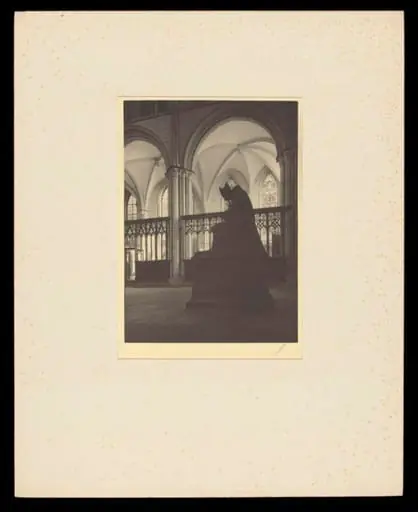
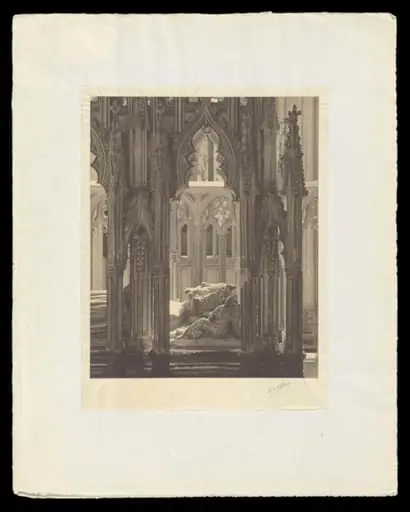
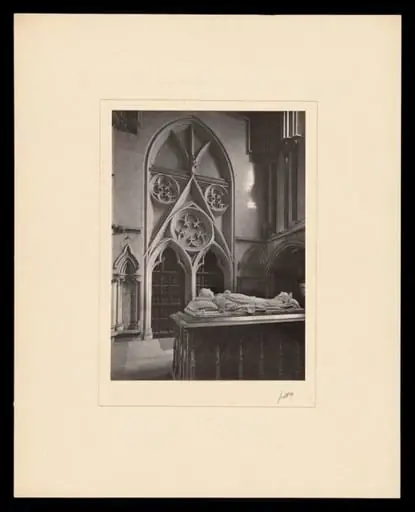
Sculpture of George Frederick Handel, Poets' Corner, Westminster Abbey is a photographic photography by Herbert Felton. It dates from 1950 and is held in the collection of the Victoria and Albert Museum.
About this work
Overview
A black-and-white photograph captures a wall-mounted sculptural relief of George Frederick Handel, located in Poets' Corner at Westminster Abbey.
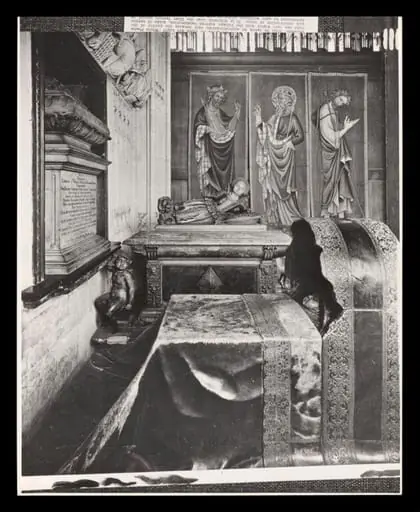
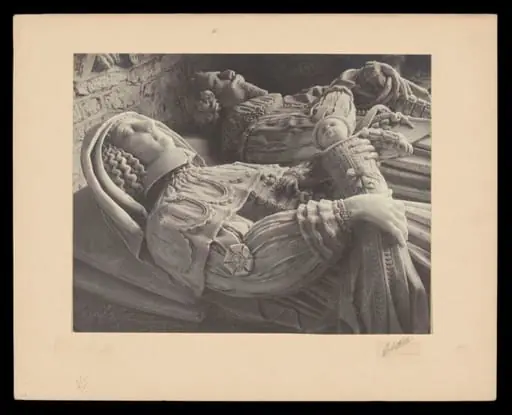
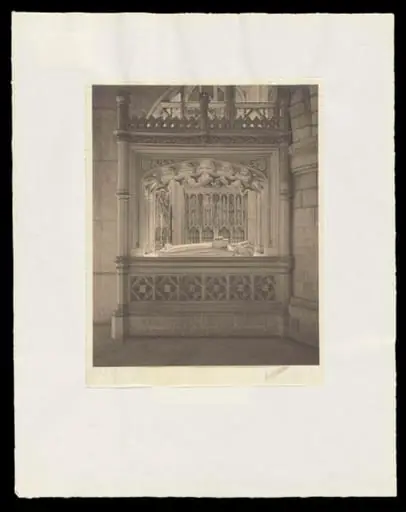
A black-and-white photograph captures a wall-mounted sculptural relief of George Frederick Handel, located in Poets' Corner at Westminster Abbey. The image records the statue in monochrome, emphasizing texture and depth. Handel is depicted in elaborate period attire, standing beneath a pointed arch, with musical instruments and a companion figure partially visible in the background. The stone surface shows signs of age, framing the composition with rough-hewn masonry.
Subject & Meaning
The sculpture portrays Handel as a revered composer, holding a musical score in one hand and a trumpet in the other, symbols of his compositional legacy and instrumental influence. His standing posture and dignified robes convey authority and artistic stature. The inclusion of a secondary figure, partially obscured, may represent an allegorical presence or another cultural figure, reinforcing the space’s function as a memorial to Britain’s literary and musical luminaries.
Technique & Style
The relief is carved directly into the abbey’s stone wall, using low relief techniques to suggest volume without full projection. Details such as fabric folds, instrument shapes, and facial features are rendered with restrained precision, typical of 18th-century commemorative sculpture. The photograph captures subtle contrasts in light and shadow, enhancing the three-dimensionality of the carving against the textured stonework.
History & Provenance
Commissioned in the mid-18th century, the sculpture was installed in Westminster Abbey to honor Handel following his death in 1759. It was among the earliest dedications to a musician in Poets' Corner, reflecting his growing cultural significance. The photograph likely dates from the 19th or early 20th century, when systematic documentation of the abbey’s monuments became common, possibly linked to the Victoria and Albert Museum’s archival efforts.
Context
Poets' Corner served as a designated space for commemorating notable British writers and musicians. Handel’s placement among literary figures underscores his elevated status in national culture. The architectural setting—a Gothic arch and aged stonework—anchors the sculpture within the abbey’s medieval tradition, blending commemoration with sacred space. The photograph reflects how such monuments were recorded and preserved as part of Britain’s cultural heritage.
Legacy
The sculpture remains a key marker of Handel’s enduring presence in British cultural memory. Its inclusion in photographic archives, such as those held by the Victoria and Albert Museum, ensures continued access to its visual record. Though the original carving has weathered over centuries, its representation in photographs preserves its form and context for study and public engagement.
Artist & collection
Artist
Herbert Felton photographed quiet corners of British history in the mid-1900s. His lens captured the carved Handel statue in Westminster Abbey’s Poets’ Corner, the shadowed church pews at Gloucester Cathedral, and the…